
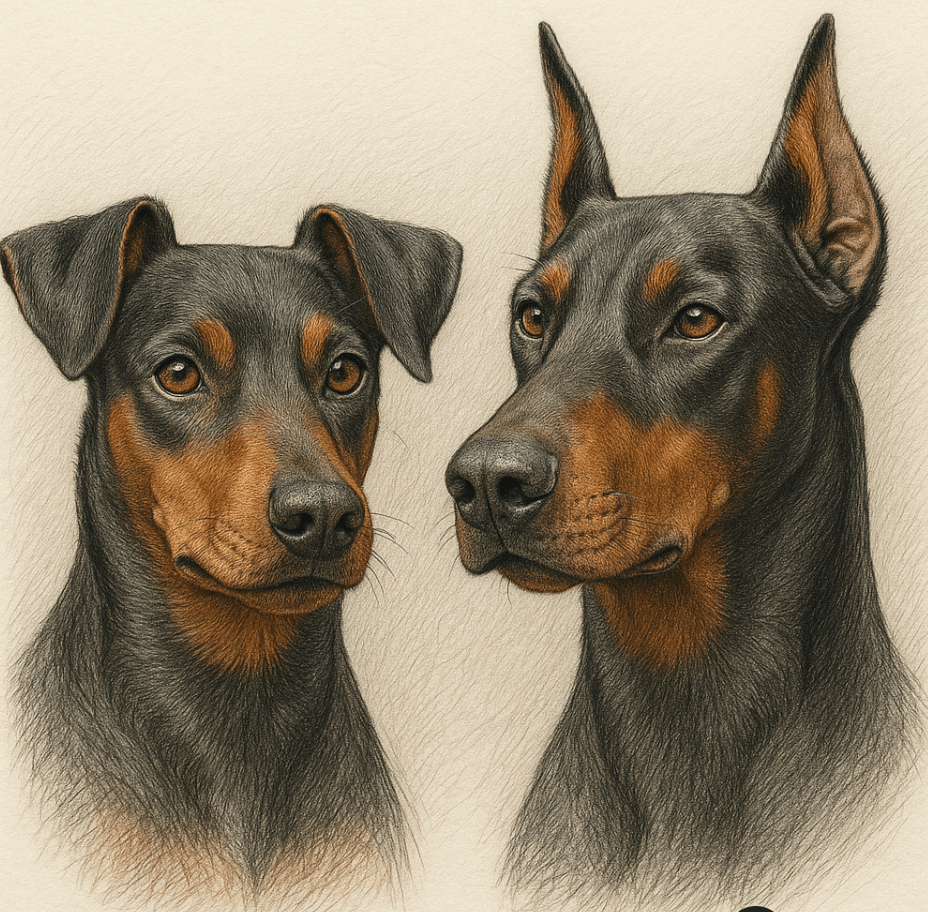

German Pinscher vs Doberman: Best 7 Expert Tips!

German Pinscher vs Doberman: Best 7 Expert Tips!

German Pinscher vs Doberman: A Comprehensive Comparison


When it comes to choosing a loyal and intelligent companion, both the German Pinscher and the Doberman Pinscher are excellent choices. While they share some similarities, these two breeds have distinct personalities, physical traits, and care requirements that set them apart. Whether you’re looking for a medium-sized watchdog or a larger, more imposing guardian, understanding the differences between the German Pinscher and the Doberman is essential to finding the perfect match for your lifestyle. In this blog post, we’ll explore their origins, temperaments, exercise needs, and more to help you make an informed decision.


Key Differences Between the German Pinscher and Doberman


While the German Pinscher and Doberman share ancestry, they differ significantly in size, appearance, and temperament. These distinctions make each breed unique and suited to different types of owners.

 
  • Size and Build:
    The German Pinscher is a medium-sized dog, typically weighing 25-45 pounds, while the Doberman is much larger, weighing 60-100 pounds with a more muscular build.

  • Coat Variations:
    Both breeds have short, sleek coats, but the Doberman comes in colors like black, blue, fawn, and red, whereas the German Pinscher is usually red, fawn, or black and tan.

  • Energy Levels:
    The German Pinscher tends to be slightly more energetic and playful, while the Doberman is known for its endurance and ability to perform demanding tasks.

  • Temperament Traits:
    German Pinschers are bold, curious, and independent, often described as spirited companions. Dobermans, on the other hand, are more reserved, loyal, and protective, excelling as guard dogs.

  • Lifespan Expectancy:
    German Pinschers generally live 12-14 years, while Dobermans have a shorter lifespan of 10-12 years due to their larger size and predisposition to certain health issues.


These differences highlight why it’s important to consider your preferences and lifestyle when choosing between these two remarkable breeds.

Training Needs of the German Pinscher and Doberman


Both breeds are highly intelligent and eager to please, but their training requirements vary based on their temperaments and energy levels. Understanding these needs ensures a harmonious relationship with your dog.

 
  • Early Socialization:
    Both breeds benefit from early exposure to people, animals, and environments to prevent fear-based aggression or shyness.

  • Consistent Leadership:
    The German Pinscher thrives under firm but gentle guidance, while the Doberman responds best to confident and structured leadership.

  • Mental Stimulation:
    Puzzle toys, obedience drills, and scent work are ideal for keeping their sharp minds engaged and preventing boredom-related behaviors.

  • Positive Reinforcement:
    Reward-based methods, such as treats and praise, work exceptionally well for both breeds, fostering trust and cooperation.

  • Advanced Training Potential:
    Dobermans excel in roles like police work or service dog duties, while German Pinschers shine in agility sports and companion events.


By tailoring your approach to their individual needs, you can unlock the full potential of either breed.

 
German Pinscher vs Doberman: Best 7 Expert Tips!
German Pinscher Traits
Doberman Traits
Medium size (25-45 pounds)
Large size (60-100 pounds)
Short coat in red, fawn, or black/tan
Sleek coat in black, blue, fawn, or red
High energy, playful nature
Endurance-focused, task-oriented
Independent and bold personality
Loyal and protective temperament
Longer lifespan (12-14 years)
Shorter lifespan (10-12 years)

Exercise Requirements for the German Pinscher and Doberman


Both breeds are active and require regular exercise, but their specific needs differ based on their size and energy levels. Meeting these demands is crucial for their physical and mental well-being.

 
  • Daily Walks and Runs:
    German Pinschers need at least 30-60 minutes of vigorous exercise daily, while Dobermans require up to 2 hours due to their higher stamina.

  • Interactive Playtime:
    Games like fetch, tug-of-war, and frisbee are excellent ways to engage both breeds and strengthen your bond.

  • Agility Training:
    The German Pinscher enjoys obstacle courses, while the Doberman excels in advanced agility challenges that test their strength and focus.

  • Mental Challenges:
    Incorporate problem-solving activities, such as hide-and-seek or puzzle toys, to keep their intelligent minds stimulated.

  • Supervision During Outdoor Activities:
    Both breeds have strong prey drives, so always monitor them in open spaces to prevent chasing after small animals or wandering off.


Providing adequate exercise ensures a calm, content, and well-behaved companion at home.

Common Health Concerns in German Pinschers and Dobermans


Like all purebred dogs, these breeds are prone to certain health issues. Being aware of these risks allows you to take preventive measures and ensure a longer, healthier life for your pet.

 
  • Hip Dysplasia:
    Both breeds are susceptible to hip dysplasia, a condition that affects joint mobility; regular vet check-ups and maintaining a healthy weight help reduce risk.

  • Cardiac Conditions:
    Dobermans are particularly prone to dilated cardiomyopathy (DCM), while German Pinschers may experience heart murmurs; annual cardiac screenings are recommended.

  • Von Willebrand’s Disease:
    This blood clotting disorder is common in Dobermans and can lead to excessive bleeding; genetic testing helps identify carriers early.

  • Gastric Torsion (Bloat):
    Both breeds are at risk for bloat, a life-threatening condition; feeding smaller meals and avoiding strenuous activity after eating minimizes the danger.

  • Skin Allergies:
    German Pinschers may develop sensitivities to environmental factors, while Dobermans can suffer from dermatitis; hypoallergenic diets and grooming routines alleviate symptoms.


Proactive healthcare ensures a happier and healthier life for your furry friend.

Misconceptions About German Pinschers and Dobermans


Several myths surround these breeds, often leading to misunderstandings about their true nature. Clarifying these misconceptions helps set realistic expectations for potential owners.

 
  • They Are Aggressive by Nature:
    While protective, both breeds are not inherently aggressive when properly trained and socialized.

  • Dobermans Are Unpredictable:
    Contrary to popular belief, Dobermans are incredibly loyal and predictable when raised in a loving environment.

  • German Pinschers Don’t Need Much Attention:
    Despite their independent streak, German Pinschers crave human interaction and can develop separation anxiety if neglected.

  • All Dobermans Look the Same:
    Coat color variations and ear cropping preferences create diverse appearances among Dobermans.

  • They’re Only Suitable for Experienced Owners:
    While challenging, novice owners can succeed with research, preparation, and professional guidance.


Dispelling these myths ensures a deeper understanding of these incredible breeds.

Fun Activities to Enjoy with Your German Pinscher or Doberman


Living with either breed means embracing an active lifestyle. These fun activities will strengthen your bond while keeping them physically and mentally stimulated.

 
  • Canine Sports:
    Participate in competitions like agility, obedience trials, or Schutzhund to showcase their skills and boost confidence.

  • Long Hikes in Nature:
    Explore trails together, allowing them to sniff, run, and burn off excess energy in a natural setting.

  • Swimming Sessions:
    Many German Pinschers and Dobermans enjoy water; swimming provides excellent low-impact exercise.

  • Obedience Challenges:
    Create mini obstacle courses at home or practice advanced tricks to sharpen their focus and discipline.

  • Interactive Toys:
    Puzzle feeders, treat-dispensing balls, and chew toys keep them entertained when you’re busy.


Engaging in these activities ensures a fulfilling life for your adventurous companion.

Tips for Raising a Happy and Healthy German Pinscher or Doberman


Raising either breed requires commitment and dedication to ensure their happiness and well-being. Follow these tips to provide the best care possible.

 
  • Establish a Routine:
    Consistent feeding, walking, and training schedules help create stability and predictability for your dog.

  • Provide Mental Stimulation:
    Rotate toys, introduce new games, and incorporate training sessions to keep their intelligent minds engaged.

  • Focus on Nutrition:
    Feed high-quality food tailored to their age, size, and activity level to support overall health and vitality.

  • Prioritize Socialization:
    Expose them to various people, animals, and environments early on to foster confidence and adaptability.

  • Schedule Regular Vet Visits:
    Annual check-ups and preventive care help catch potential health issues before they become serious problems.


By following these guidelines, you’ll raise a happy, healthy, and well-adjusted companion who brings endless joy to your life.

Frequently Asked Questions About German Pinschers and Dobermans

 
Are German Pinschers good family pets?

Yes, they are affectionate and lively companions, but they require supervision around young children due to their high energy.

With proper socialization, Dobermans can coexist peacefully with other animals, though their protective instincts should be managed carefully.

Both have low-maintenance coats requiring weekly brushing and occasional baths to stay clean and shiny.

German Pinschers are better suited for experienced owners due to their independence, while Dobermans thrive with confident leaders who understand their needs.

The primary difference lies in size and purpose—German Pinschers are versatile, medium-sized companions, while Dobermans are larger, more specialized working dogs.

Choosing Between the German Pinscher and Doberman


Deciding between the German Pinscher and the Doberman ultimately depends on your personal preferences, living situation, and ability to meet their unique needs. Both breeds offer unwavering loyalty, intelligence, and charm, but they cater to different lifestyles. If you’re seeking a medium-sized, energetic companion with a bold personality, the German Pinscher might be your ideal match. On the other hand, if you desire a large, protective, and elegant guardian, the Doberman could be the perfect fit. Whichever breed you choose, providing love, structure, and care will result in a lifelong partnership filled with joy and devotion.

 
Newfoundland Dog Personality: Best 7 Expert Tips!

Newfoundland Dog Personality: Best 7 Expert Tips! – Discover the gentle, loyal, and protective nature of this giant breed perfect for families.

Can Hot Pavement Burn Your Cats Paws? Best 7 Expert Tips!

Can Hot Pavement Burn Your Cats Paws? Best 7 Expert Tips! – Learn how to protect your cat’s paws from hot surfaces and prevent painful burns this summer.

Can Hot Pavement Burn Your Dogs Paws? Best 7 Expert Tips!

Can Hot Pavement Burn Your Dogs Paws? Best 7 Expert Tips! – Learn how to protect your dog’s paws from hot surfaces and ensure safe summer walks.

Irish Wolfhound Size: Best 7 Expert Tips!

Irish Wolfhound Size: Best 7 Expert Tips! – Discover the ideal height, weight, and care tips for this majestic giant breed. Learn how to manage their impressive stature responsibly.

Leave a Reply

Your email address will not be published. Required fields are marked *


