
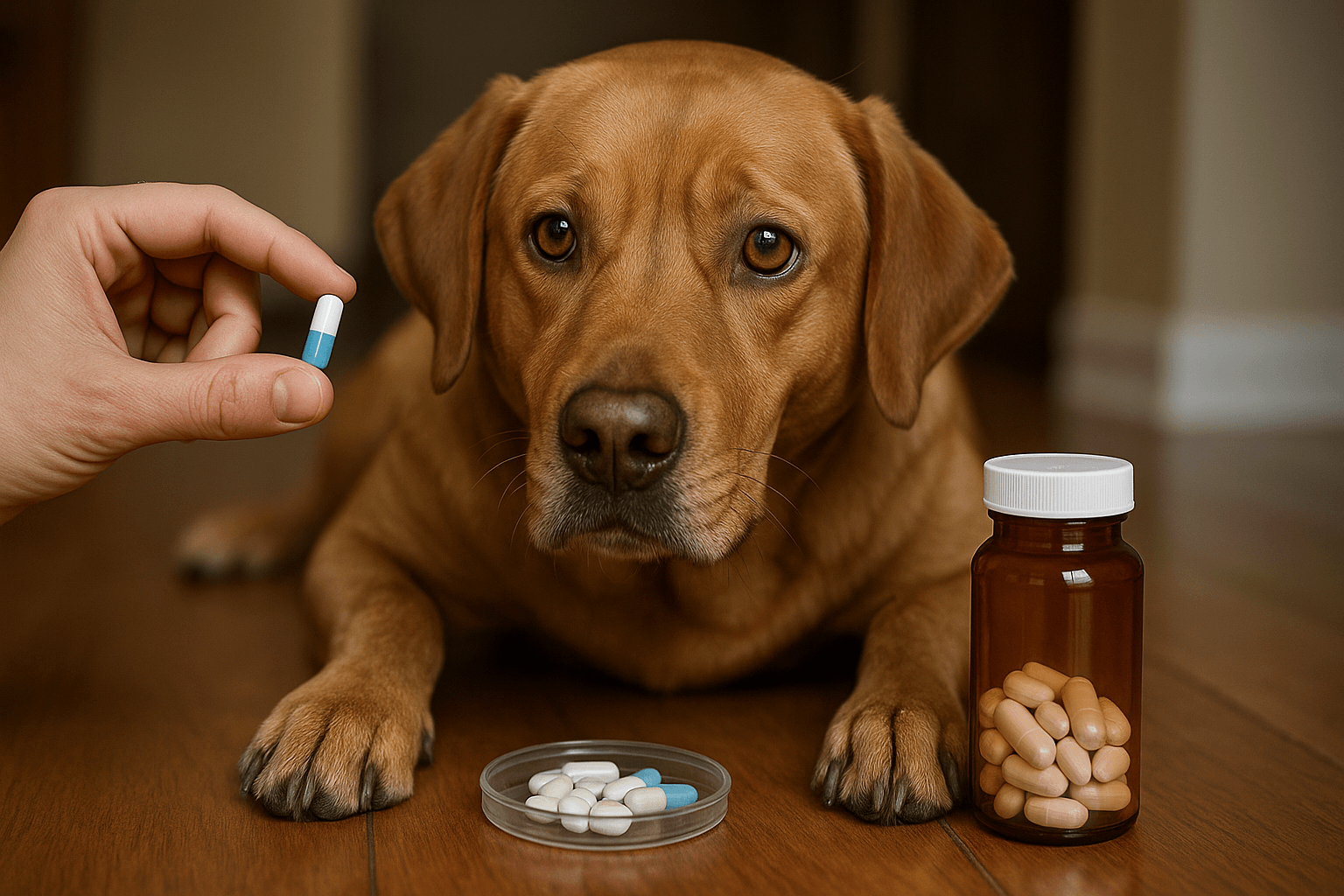
Fenbendazole for Dogs: A Trusted Tool in Parasite Prevention and Treatment
Fenbendazole is a widely used deworming medication that plays a vital role in safeguarding your dog’s health from internal parasites. Originally developed for livestock, it has become a go-to choice among veterinarians for treating a range of intestinal worms in canines. Safe, effective, and available in multiple forms, fenbendazole helps eliminate threats like roundworms, hookworms, whipworms, and even certain protozoa. While it’s not a cure-all, its broad-spectrum action makes it a cornerstone of many parasite control protocols. Understanding how, when, and why to use fenbendazole can empower you to protect your dog more effectively.
What Is Fenbendazole and How Does It Work?
Fenbendazole belongs to the benzimidazole class of anthelmintics—medications designed to expel parasitic worms. It works by disrupting the parasites’ ability to absorb glucose, essentially starving them until they die and are passed out of the body. Unlike some dewormers that only target specific worms, fenbendazole offers broader coverage, making it especially useful in uncertain or mixed-infection scenarios. Below are key facts every dog owner should know:
- Mechanism of Action:
Fenbendazole inhibits microtubule formation in parasites, halting cellular division and energy production. - Spectrum of Activity:
It’s effective against roundworms, hookworms, whipworms, and the protozoan Giardia—though not against tapeworms or heartworms. - Available Forms:
Commonly found as oral granules, liquid suspensions, or chewable tablets, often flavored for easier administration. - Veterinary Oversight Recommended:
While some formulations are available over the counter, dosing should always follow veterinary guidance to ensure safety and efficacy. - Not Instantaneous:
It typically takes 1–3 days for dead parasites to clear the system, and multiple doses over several days are often required.
Fenbendazole’s targeted action and low toxicity profile make it a reliable ally in the ongoing battle against canine intestinal parasites.
Common Parasites Treated with Fenbendazole
Internal parasites can silently compromise your dog’s nutrition, energy, and immune health. Fenbendazole is particularly valued for its effectiveness against some of the most pervasive and harmful worms found in dogs. Early detection and treatment are crucial, as many parasites show few symptoms until infestations become severe. Key targets include:
- Roundworms (Toxocara canis):
These spaghetti-like worms are common in puppies and can cause vomiting, diarrhea, and a pot-bellied appearance. - Hookworms (Ancylostoma caninum):
Blood-feeding parasites that attach to the intestinal wall, potentially leading to anemia and weight loss. - Whipworms (Trichuris vulpis):
Found in the large intestine, they can cause chronic diarrhea, dehydration, and electrolyte imbalances. - Giardia (a protozoan, not a worm):
Causes foul-smelling, greasy diarrhea and is highly contagious between dogs—and sometimes to humans. - Less Common Nematodes:
Fenbendazole may also help manage certain lungworms and other intestinal nematodes under veterinary direction.
By tackling these parasites early, fenbendazole helps restore your dog’s digestive health and overall vitality.
Check this guide 👉Probiotics for Dogs: Best 7 Expert Tips!
Check this guide 👉Is Aloe Vera Safe for Dogs? Best 7 Expert Tips!
Check this guide 👉Apoquel for Dogs: Best 7 Expert Tips!
| When Fenbendazole Is Recommended | Important Usage Considerations |
|---|---|
| Puppies during routine deworming at 2, 4, 6, and 8 weeks | Never use livestock formulations—dosing differs significantly |
| Dogs diagnosed with Giardia via fecal test | Complete the full course—even if symptoms improve early |
| Shelter or rescue dogs with unknown parasite history | Avoid in pregnant dogs unless explicitly advised by a vet |
| Dogs with recurring whipworm infections | Monitor for side effects like mild vomiting or lethargy |
| Multi-dog households after exposure to infected feces | Combine with environmental cleaning to prevent reinfestation |
Dosage Guidelines and Administration Tips
Giving your dog the right amount of fenbendazole is essential for both safety and effectiveness. Under-dosing may fail to eliminate parasites, while overdosing—though rare—can cause unnecessary stress on the liver. Always base dosing on your dog’s current weight and specific condition. Here’s what to keep in mind:
- Standard Dosing Protocol:
Typically 50 mg per kg (22.7 mg per lb) of body weight, given once daily for 3–5 days—longer for Giardia (up to 6 days). - Weight-Based Precision:
Use a digital scale or recent vet weight; even small errors can reduce treatment success in tiny breeds. - Administer with Food:
Giving fenbendazole with a meal improves absorption and reduces the chance of stomach upset. - Mixing with Palatable Foods:
Hidden in peanut butter, yogurt, or wet food, most dogs accept it without resistance. - Avoid Double Dosing:
If you miss a dose, give it as soon as remembered—but never give two doses at once.
Consistent, correct administration ensures your dog gets the full benefit of this powerful antiparasitic agent.
Recognizing and Managing Potential Side Effects
Fenbendazole is generally well-tolerated by dogs, but no medication is entirely without risk. Most side effects are mild and temporary, often resolving on their own as the body adjusts. However, vigilant observation during treatment helps catch rare complications early. Common considerations include:
- Gastrointestinal Upset:
Mild vomiting, diarrhea, or loss of appetite may occur—usually within the first 24 hours. - Lethargy or Reduced Energy:
Some dogs seem quieter during treatment, possibly due to the stress of parasite die-off. - Allergic Reactions (Rare):
Watch for hives, facial swelling, or difficulty breathing—seek emergency care if these appear. - Liver Sensitivity in Predisposed Dogs:
Breeds like Dobermans or dogs with preexisting liver conditions may need monitoring. - No Known Drug Interactions:
Fenbendazole has minimal interactions, but always inform your vet about other medications.
Most dogs sail through treatment with no issues—especially when dosed correctly and supported with good hydration and rest.
Fenbendazole vs. Other Dewormers: What’s the Difference?
Not all dewormers are created equal, and choosing the right one depends on the parasite involved, your dog’s age, and overall health. Fenbendazole stands out for its safety and broad efficacy, but it’s not universal. Comparing it to alternatives helps clarify its role:
- Pyrantel Pamoate:
Effective against roundworms and hookworms only—often used in puppies but not for whipworms or Giardia. - Praziquantel:
Targets tapeworms exclusively; usually combined with other dewormers in broad-spectrum products. - Milbemycin Oxime:
Found in heartworm preventives; also treats some intestinal worms but not Giardia. - Metronidazole:
An antibiotic used for Giardia—but resistance is growing, making fenbendazole a preferred first-line option. - Safeguard vs. Panacur:
Both contain fenbendazole—Panacur is veterinary-labeled; Safeguard is for livestock and not recommended for dogs.
Understanding these distinctions ensures you select the most appropriate treatment for your dog’s specific needs.
Environmental and Preventive Measures to Support Treatment
Medication alone isn’t enough—parasites thrive in contaminated environments, making reinfection common without proper hygiene. A comprehensive approach includes treating your dog and cleaning their surroundings. Proactive steps significantly reduce future risks:
- Prompt Feces Removal:
Scoop yards and litter boxes daily; parasite eggs can become infectious in 2–3 weeks. - Disinfecting Surfaces:
Use a bleach solution (1:32 ratio) on kennels, bowls, and hard surfaces—Giardia cysts are hardy but bleach-sensitive. - Washing Bedding and Toys:
Launder in hot water weekly during and after treatment to eliminate lingering eggs or cysts. - Preventing Coprophagia:
Discourage stool-eating with training, dietary adjustments, or taste deterrents. - Regular Fecal Testing:
Even on preventives, annual (or biannual) stool checks catch silent infections early.
Pairing fenbendazole with smart environmental management creates a true shield against parasitic threats.
Special Considerations for Puppies, Seniors, and At-Risk Dogs
While fenbendazole is approved for use in dogs as young as 6 weeks, special populations require extra care. Puppies, senior dogs, and those with chronic illnesses process medications differently. Tailoring treatment to their unique needs maximizes safety:
- Puppies:
Often dewormed prophylactically starting at 2 weeks; fenbendazole is safe but must be dosed precisely by weight. - Senior Dogs:
Reduced liver or kidney function may require dose adjustments—bloodwork before treatment is wise. - Immunocompromised Dogs:
Those on chemotherapy or steroids may need longer courses to fully clear parasites. - Pregnant or Nursing Dogs:
Generally avoided unless benefits outweigh risks; consult your vet before use. - Small or Toy Breeds:
More sensitive to dosing errors—use veterinary-formulated products, not livestock versions.
With thoughtful adjustments, fenbendazole remains a valuable tool across all life stages.
Frequently Asked Questions About Fenbendazole for Dogs
Is fenbendazole safe for all dog breeds?
Yes—fenbendazole is considered safe for all breeds when used at the correct dose. However, always consult your vet before use, especially in dogs with liver disease.
How quickly does fenbendazole work?
It begins working within hours, but parasites may take 1–3 days to die and pass. Full resolution of symptoms like diarrhea (especially with Giardia) can take up to a week after treatment ends.
Can I buy fenbendazole without a prescription?
In many regions, yes—products like Panacur® are available over the counter. However, a confirmed diagnosis via fecal exam ensures you’re treating the right parasite.
What if my dog vomits after taking fenbendazole?
If vomiting occurs within 30 minutes, redose. If later, the medication was likely absorbed—contact your vet before giving more.
Can fenbendazole be used preventively?
It’s not a routine preventive like heartworm meds, but vets may recommend periodic use in high-risk dogs (e.g., those in shelters or with frequent outdoor exposure).
A Proactive Step Toward a Healthier, Happier Dog
Fenbendazole may not be a household name like flea preventives, but its role in canine health is profound. By effectively targeting some of the most common and damaging internal parasites, it helps ensure your dog’s digestive system functions smoothly, their energy stays high, and their immune system remains unburdened. When used responsibly—under veterinary guidance, with attention to dosage and environment—fenbendazole is more than just a dewormer; it’s a key part of a proactive wellness strategy. In the journey of responsible pet ownership, understanding tools like fenbendazole empowers you to act swiftly, wisely, and always in your dog’s best interest.

Is Rawhide Bad for Cats? Best 7 Expert Tips! – Discover the risks, safe alternatives, and expert advice to keep your feline friend healthy and happy.

Is Rawhide Bad for Dogs? Best 7 Expert Tips! – Discover the risks, benefits, and safer alternatives to rawhides for your dog’s chewing needs.

Understanding Anorexia in Cats: Best 7 Expert Tips! – Learn why cats stop eating, spot warning signs, and discover how to help your feline regain appetite safely.

Understanding Anorexia in Dogs: Best 7 Expert Tips! – Learn causes, symptoms, and solutions to help your dog regain appetite and stay healthy.