
Recognizing Exocrine Pancreatic Insufficiency in Dogs: Key Symptoms to Watch For
Exocrine Pancreatic Insufficiency (EPI) in dogs occurs when the pancreas fails to produce enough digestive enzymes, leading to nutrient malabsorption. This condition can cause a range of symptoms, from chronic diarrhea to weight loss, often leaving pet owners concerned and confused. Early recognition of these signs is crucial for timely diagnosis and effective management of EPI in your furry companion.
Common Symptoms of Exocrine Pancreatic Insufficiency in Dogs
Exocrine Pancreatic Insufficiency (EPI) manifests through a variety of symptoms that reflect the body’s inability to digest food properly. These signs often develop gradually, making them easy to overlook until the condition worsens. Recognizing these symptoms early allows for prompt veterinary intervention and improved outcomes.
- Chronic Diarrhea:
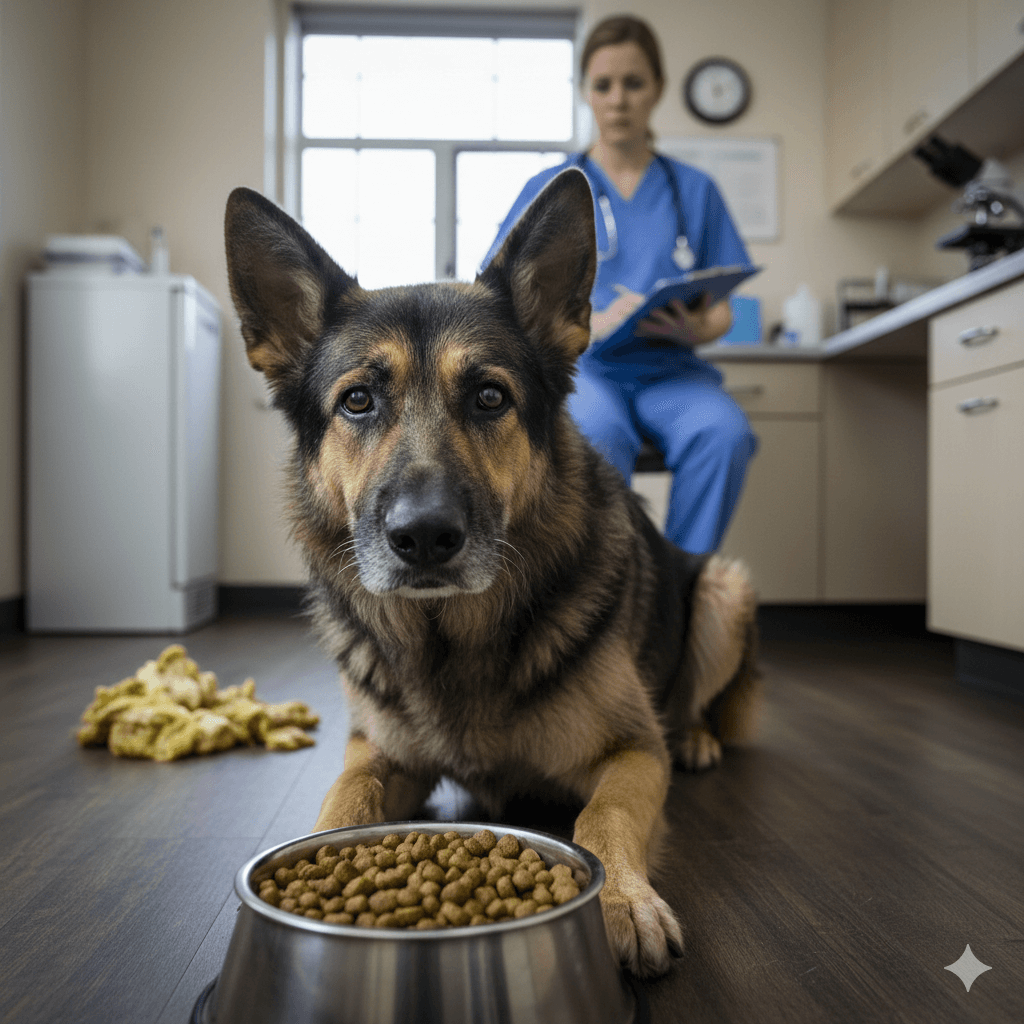
Frequent, loose stools are one of the hallmark signs of EPI. The stool may appear pale, greasy, or voluminous due to undigested fats passing through the digestive tract. This occurs because the pancreas cannot produce sufficient lipase, the enzyme responsible for breaking down fats. - Weight Loss Despite Normal Appetite:
Dogs with EPI often lose weight rapidly, even if they eat large amounts of food. Their bodies struggle to absorb essential nutrients like proteins, fats, and carbohydrates, leading to malnutrition despite adequate caloric intake. - Increased Appetite (Polyphagia):
Affected dogs frequently exhibit an insatiable hunger as their bodies crave missing nutrients. They may beg for food more often or scavenge for additional sources of nutrition. - Flatulence and Abdominal Discomfort:
The fermentation of undigested food in the intestines produces excessive gas, causing bloating and discomfort. Owners may notice their dog appears restless or reluctant to be touched around the abdomen. - Poor Coat Condition:
Malnutrition from EPI often leads to a dull, dry coat, hair loss, or skin issues. Essential fatty acids and vitamins are not absorbed properly, impacting overall skin and coat health.
These symptoms collectively indicate a severe digestive disorder requiring immediate attention. Early diagnosis and treatment can restore your dog’s quality of life significantly.
Causes of Exocrine Pancreatic Insufficiency in Dogs
EPI arises when the pancreas loses its ability to produce digestive enzymes, but the underlying causes vary depending on breed, genetics, and other factors. Understanding these causes helps owners take preventive measures where possible.
- Genetic Predisposition in Certain Breeds:
Breeds like German Shepherds, Rough Collies, and Eurasiers are genetically prone to EPI due to pancreatic acinar atrophy (PAA), a condition where enzyme-producing cells degenerate over time. - Pancreatic Damage from Trauma or Infection:
Physical injuries, chronic pancreatitis, or infections can damage pancreatic tissue, impairing its ability to function correctly. This acquired form of EPI is less common but equally serious. - Immune-Mediated Destruction:
In some cases, the immune system mistakenly attacks pancreatic tissue, leading to enzyme deficiency. This autoimmune response is rare but devastating. - Age-Related Decline in Pancreatic Function:
Older dogs may experience a gradual reduction in pancreatic enzyme production, though this is less common than genetic or trauma-related causes. - Secondary Conditions Affecting the Pancreas:
Diseases like diabetes mellitus or hypothyroidism can indirectly impact pancreatic function, exacerbating or triggering EPI symptoms.
Identifying the root cause assists veterinarians in tailoring treatment plans and addressing any coexisting conditions effectively.
Check this guide 👉Pustular Dermatitis in Dogs: Best 7 Expert Tips!
Check this guide 👉Can Fleas Cause Hair Loss in Dogs? Best 7 Expert Tips!
Check this guide 👉Sarcoptic Mange in Dogs: Best 7 Expert Tips!
| Early Warning Signs | Long-Term Management Tips |
|---|---|
| Chronic diarrhea with greasy stools | Administer enzyme supplements with every meal |
| Rapid weight loss despite normal appetite | Feed highly digestible, nutrient-rich diets |
| Increased flatulence and bloating | Monitor cobalamin levels and supplement as needed |
| Poor coat condition and hair loss | Schedule regular vet check-ups for progress monitoring |
| Lethargy and muscle wasting | Avoid sudden dietary changes without vet guidance |
How EPI Affects Your Dog’s Digestive System
EPI disrupts the entire digestive process by preventing the breakdown and absorption of vital nutrients. Without proper enzyme activity, food passes through the intestines largely undigested, leading to systemic effects.
- Impaired Fat Digestion:
Lipase deficiency results in steatorrhea (fatty stools), which are bulky, greasy, and foul-smelling. Fats remain unabsorbed, depriving the body of energy and essential fatty acids. - Protein Malabsorption:
Proteins pass through the gut undigested without trypsin and other proteolytic enzymes, leading to muscle wasting and weakness over time. - Carbohydrate Fermentation:
Undigested carbohydrates ferment in the colon, producing excessive gas and contributing to bloating and flatulence. - Nutrient Deficiencies:
Vitamins like B12 (cobalamin) and fat-soluble vitamins (A, D, E, K) are poorly absorbed, resulting in deficiencies that affect overall health and vitality. - Dehydration Risks:
Chronic diarrhea increases fluid loss, putting affected dogs at risk of dehydration unless managed carefully with hydration support.
Understanding these digestive disruptions highlights the importance of enzyme replacement therapy and dietary adjustments.
Diagnostic Process for EPI in Dogs
Diagnosing EPI requires a combination of clinical evaluation, laboratory tests, and exclusion of other gastrointestinal disorders. Accurate diagnosis ensures appropriate treatment and avoids unnecessary delays.
- Clinical History and Physical Exam:
Veterinarians review symptoms, dietary habits, and medical history while performing a thorough physical examination to assess overall health. - Fecal Tests for Undigested Food Particles:
Stool samples are analyzed for fat content, undigested nutrients, and abnormal bacterial growth indicative of malabsorption. - Serum TLI (Trypsin-Like Immunoreactivity) Test:
This blood test measures trypsin levels; low TLI confirms EPI by indicating insufficient pancreatic enzyme production. - Cobalamin and Folate Levels:
Blood tests evaluate vitamin B12 and folate levels, as deficiencies are common in EPI patients and require supplementation. - Ruling Out Other Conditions:
Conditions like inflammatory bowel disease (IBD), intestinal parasites, or food allergies must be excluded to confirm EPI accurately.
Comprehensive diagnostics ensure an accurate diagnosis and guide effective treatment strategies.
Treatment Options for Managing EPI in Dogs
Managing EPI involves lifelong enzyme replacement therapy, dietary modifications, and supportive care to address nutrient deficiencies. With consistent treatment, most dogs regain their health and vitality.
- Pancreatic Enzyme Supplements:
Powdered or enteric-coated enzyme supplements replace missing digestive enzymes, allowing proper nutrient absorption. These are mixed with meals according to vet recommendations. - High-Quality, Easily Digestible Diets:
Feeding highly digestible proteins and moderate fats reduces strain on the digestive system while ensuring optimal nutrient intake. - Cobalamin (Vitamin B12) Injections:
Regular B12 injections correct deficiencies and improve overall metabolic function in EPI patients. - Probiotics for Gut Health:
Probiotic supplements restore beneficial gut bacteria disrupted by chronic diarrhea and malabsorption, promoting better digestion. - Monitoring and Adjustments:
Regular follow-ups with the vet ensure treatment efficacy and allow adjustments to enzyme dosages or diet as needed.
Consistent adherence to treatment protocols transforms EPI from a debilitating condition into a manageable one.
Long-Term Management Strategies for EPI
Long-term success with EPI hinges on proactive management and vigilant monitoring. Owners play a critical role in maintaining their dog’s health and preventing complications.
- Strict Adherence to Enzyme Therapy:
Administering enzymes consistently before every meal ensures proper digestion and prevents symptom recurrence. - Balanced Nutrition and Hydration:
Providing fresh water and a balanced diet tailored to your dog’s needs supports hydration and overall wellness. - Routine Vet Check-Ups:
Regular exams monitor progress, address emerging issues, and adjust treatments to maintain stability. - Avoiding Dietary Changes Without Guidance:
Sudden changes in food or ingredients can upset the delicate balance achieved through enzyme therapy and dietary management. - Educating Family Members:
Ensuring everyone involved in your dog’s care understands EPI management fosters consistency and minimizes risks.
Dedication to long-term care empowers dogs with EPI to live happy, fulfilling lives despite their condition.
Preventing Complications from EPI
While EPI itself is not preventable in genetically predisposed dogs, managing it effectively minimizes complications and enhances quality of life. Proactive measures reduce secondary risks associated with the condition.
- Early Detection and Intervention:
Recognizing symptoms early prevents severe malnutrition and irreversible damage to the digestive system. - Addressing Cobalamin Deficiency Promptly:
Timely B12 supplementation reverses deficiencies and improves energy levels, appetite, and overall health. - Preventing Secondary Infections:
Weakened immune systems in EPI dogs make them prone to infections; vaccinations and parasite control mitigate these risks. - Monitoring Weight and Body Condition:
Tracking weight changes helps assess treatment efficacy and identify potential setbacks quickly. - Reducing Stress and Anxiety:
Stress exacerbates digestive issues; creating a calm environment supports better gut health and recovery.
With careful attention to detail, complications from EPI can be minimized, ensuring your dog thrives under your care.
Frequently Asked Questions About Exocrine Pancreatic Insufficiency in Dogs
What is exocrine pancreatic insufficiency (EPI) in dogs?
EPI occurs when the pancreas fails to produce enough digestive enzymes, leading to malnutrition and gastrointestinal issues despite normal food intake.
Can EPI be cured in dogs?
EPI cannot be cured, but it can be managed effectively with lifelong enzyme replacement therapy, dietary adjustments, and supportive care.
How long do dogs live with EPI?
With proper treatment, dogs with EPI can live normal lifespans and enjoy a good quality of life, though ongoing management is required.
Are certain breeds more prone to EPI?
Yes, German Shepherds, Rough Collies, and Eurasiers are genetically predisposed to EPI due to pancreatic acinar atrophy.
What foods should I avoid if my dog has EPI?
Avoid high-fiber or low-quality diets that strain digestion; focus on highly digestible proteins, moderate fats, and easily absorbed carbohydrates instead.
Supporting Your Dog Through Exocrine Pancreatic Insufficiency
Managing exocrine pancreatic insufficiency in dogs requires dedication, patience, and consistent care—but the rewards are immense. With enzyme replacement therapy, a tailored diet, and regular veterinary check-ups, your dog can thrive despite this challenging condition. The key lies in early detection, proactive management, and unwavering commitment to your furry friend’s well-being. Remember, every small step you take to support their health strengthens the bond you share. Together, you can overcome EPI and ensure your dog enjoys a happy, fulfilling life by your side.
Cat Anaphylactic Shock Treatment Costs: Best 7 Expert Tips! – Learn about costs, treatments, and financial aid options to save your cat’s life.
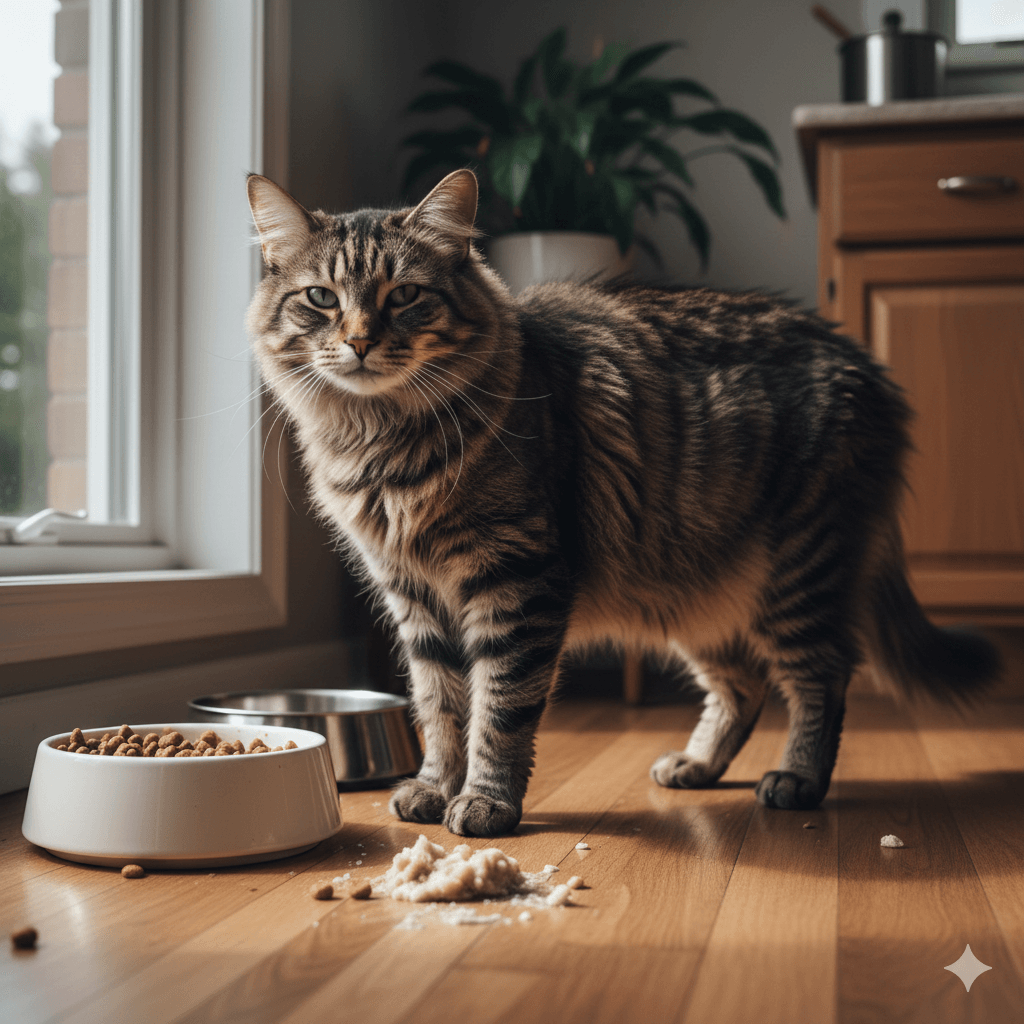
Exocrine Pancreatic Insufficiency in Cats: Best 7 Tips! – Learn to spot symptoms, manage EPI effectively, and improve your cat’s quality of life with expert advice.
Cost of Dog Anaphylactic Shock Treatment: Best 7 Tips! – Learn about emergency costs, financial planning, and ways to manage expenses for your dog’s care.
Exocrine Pancreatic Insufficiency in Dogs: Best 7 Tips! – Learn to spot symptoms, manage EPI effectively, and improve your dog’s quality of life with expert guidance.