Essential Oils Recipe for Dog Anxiety: Best 7 Expert Tips!

Essential Oils Recipe for Dog Anxiety: Best 7 Expert Tips!

Essential Oils Recipe for Dog Anxiety


Anxiety in dogs is more common than many pet owners realize, and it can manifest in behaviors like excessive barking, chewing, or pacing. While there are various treatments available, essential oils have gained popularity as a natural and calming solution. When used correctly, essential oils can help soothe your dog’s nerves and promote relaxation. However, it’s crucial to approach this remedy with care, as not all oils are safe for dogs. In this blog post, we’ll explore expert-recommended essential oil recipes, safety tips, and alternative methods to help your furry friend feel calmer and more at ease.

Expert Opinion on Using Essential Oils for Dogs

“While some essential oils are considered ‘safer’ than others for dogs, you should still always use them sparingly, and only after consulting with your veterinarian. Oils that are tolerated by one animal may not be as well tolerated by another one.”

Best Essential Oils for Dog Anxiety


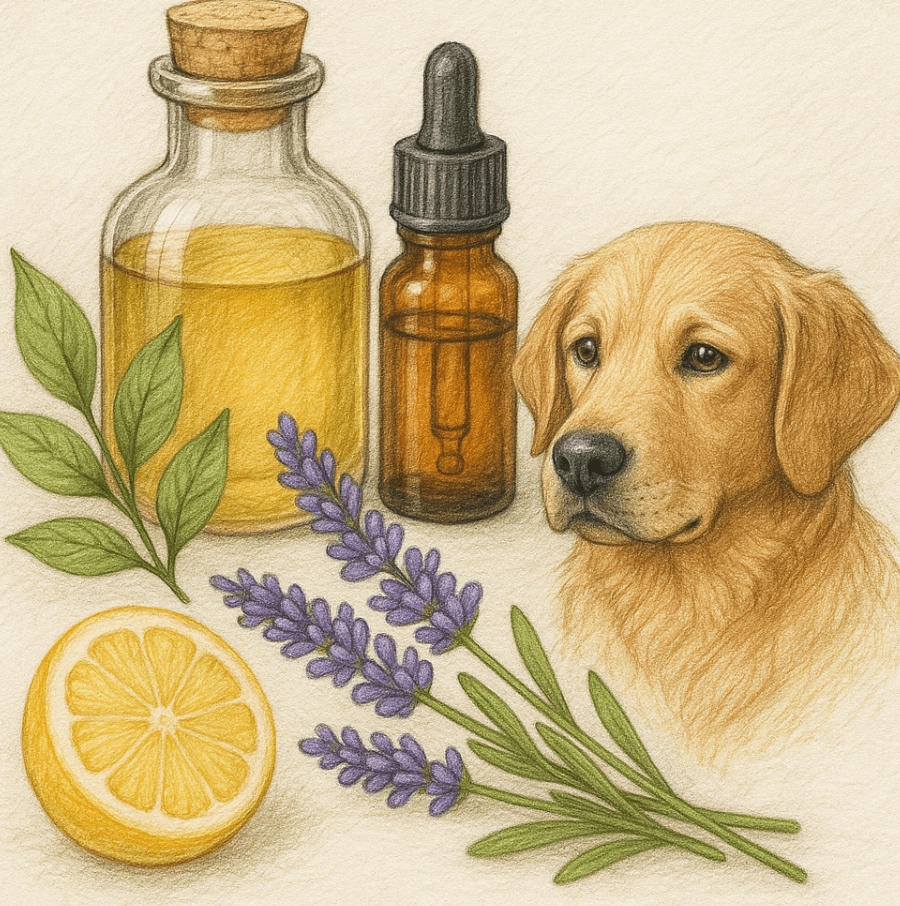
Not all essential oils are created equal when it comes to soothing your dog’s anxiety. Some oils are particularly effective at promoting relaxation without posing risks to your pet’s health. Here’s a list of the safest and most beneficial options:

 
  • Lavender Oil:
    Known for its calming properties, lavender oil can help reduce stress and improve sleep quality in anxious dogs.

  • Chamomile Oil:
    This gentle oil is perfect for soothing nervous pups, as it has mild sedative effects that encourage relaxation.

  • Frankincense Oil:
    Often used in aromatherapy, frankincense helps reduce stress and supports emotional balance in dogs.

  • Cedarwood Oil:
    Cedarwood oil has grounding properties that can help dogs feel more secure during stressful situations.

  • Ylang-Ylang Oil:
    This floral-scented oil promotes calmness and can help lower heart rates in anxious pets.


When using these oils, always dilute them properly and introduce them gradually to ensure your dog tolerates them well.

Essential Oils Recipe for Dog Anxiety: Best 7 Expert Tips!

How to Use Essential Oils Safely for Dog Anxiety


Using essential oils for your dog requires careful preparation and application to avoid adverse reactions. Follow these steps to ensure safe and effective use:

 
  • Dilute the Oil Properly:
    Mix 1-2 drops of essential oil with 1 tablespoon of carrier oil (like coconut or jojoba oil) to prevent skin irritation.

  • Use a Diffuser in Moderation:
    Add a few drops of diluted oil to a diffuser and run it for short intervals in a well-ventilated room where your dog can leave if they choose.

  • Apply Topically with Caution:
    Rub diluted oils onto non-sensitive areas like the back of your dog’s neck, avoiding their face and paws.

  • Monitor Your Dog’s Reaction:
    Watch for signs of discomfort, such as sneezing, itching, or lethargy, and stop use immediately if any occur.

  • Consult Your Veterinarian First:
    Always seek professional advice before introducing essential oils, especially if your dog has pre-existing health conditions.


By following these guidelines, you can safely incorporate essential oils into your dog’s anxiety management plan.

Safe Essential Oils for Dogs
Essential Oils to Avoid Completely
Lavender
Tea Tree
Chamomile
Eucalyptus
Frankincense
Peppermint
Cedarwood
Cinnamon
Ylang-Ylang
Citrus Oils (e.g., Lemon, Orange)

DIY Essential Oil Recipes for Dog Anxiety


Creating your own essential oil blends at home can be an affordable and effective way to address your dog’s anxiety. Below are some simple recipes to try:

 
  • Calming Diffuser Blend:
    Mix 2 drops of lavender oil, 1 drop of chamomile oil, and 1 drop of cedarwood oil with water in a diffuser. Run it for 15-20 minutes in a ventilated area.

  • Relaxation Spray:
    Combine 10 drops of lavender oil, 5 drops of frankincense oil, and 1 cup of distilled water in a spray bottle. Mist lightly on your dog’s bedding or crate.

  • Topical Soothing Rub:
    Dilute 2 drops of chamomile oil and 1 drop of ylang-ylang oil in 1 tablespoon of coconut oil. Gently massage onto your dog’s back or chest.

  • Travel Anxiety Solution:
    Add 2 drops of lavender oil and 1 drop of cedarwood oil to a damp cloth or bandana tied loosely around your dog’s neck during car rides.

  • Bath-Time Relaxation Blend:
    Mix 2 drops of lavender oil and 1 drop of chamomile oil into warm bathwater before giving your dog a soothing soak.


These DIY recipes provide natural ways to help your dog feel calmer during stressful moments.


Signs That Essential Oils Are Helping Your Dog


It’s important to monitor your dog’s behavior to determine whether essential oils are having the desired effect. Look for these positive changes:

 
  • Reduced Pacing or Restlessness:
    If your dog seems less agitated and spends more time resting, the oils may be working effectively.

  • Improved Sleep Patterns:
    A calmer dog will often sleep more soundly and wake up refreshed instead of restless.

  • Decreased Vocalization:
    Less barking, whining, or howling can indicate reduced anxiety levels.

  • Enhanced Focus During Training:
    Calmer dogs tend to concentrate better during obedience sessions or commands.

  • Increased Appetite:
    Stress often suppresses appetite, so a return to normal eating habits is a good sign.


These behavioral improvements suggest that essential oils are making a positive impact on your dog’s emotional state.


Common Mistakes to Avoid When Using Essential Oils


Even well-intentioned pet owners can make mistakes when introducing essential oils to their dogs. Here’s what to avoid:

 
  • Skipping Dilution:
    Applying undiluted oils directly to your dog’s skin can cause burns or irritation. Always mix with a carrier oil first.

  • Overusing Oils:
    Excessive exposure to essential oils can overwhelm your dog’s sensitive system. Stick to small amounts and short durations.

  • Ignoring Allergies or Sensitivities:
    Not all dogs tolerate essential oils well. Discontinue use if you notice redness, itching, or other allergic reactions.

  • Using Unsafe Oils:
    Certain oils, like tea tree or eucalyptus, are toxic to dogs and should never be used under any circumstances.

  • Forcing Exposure:
    If your dog avoids the scent or seems uncomfortable, respect their boundaries and try an alternative method.


Avoiding these errors ensures a safer experience for your dog.

Alternative Methods to Ease Dog Anxiety


If essential oils aren’t suitable for your dog, there are plenty of other ways to manage their anxiety effectively.

 
  • Behavioral Training:
    Teaching your dog coping mechanisms through positive reinforcement can reduce anxiety over time.

  • Calming Supplements:
    Products containing ingredients like L-theanine or melatonin can promote relaxation without side effects.

  • Interactive Toys:
    Puzzle toys and chewable items keep your dog mentally stimulated and distracted from stressors.

  • Regular Exercise:
    Physical activity releases endorphins, helping your dog feel calmer and more balanced.

  • White Noise Machines:
    Background sounds like rain or ocean waves can drown out triggering noises and create a peaceful atmosphere.


These alternatives provide additional tools to support your dog’s emotional health.

Tips for Introducing Essential Oils Gradually


Introducing essential oils slowly and thoughtfully helps your dog adjust to new scents without becoming overwhelmed.

 
  • Start with Small Amounts:
    Begin with just one drop of diluted oil to gauge your dog’s reaction before increasing the dosage.

  • Observe Body Language:
    Pay close attention to your dog’s posture, tail movement, and facial expressions to identify signs of comfort or distress.

  • Allow Choice and Freedom:
    Let your dog move away from the scent if they prefer, ensuring they feel in control of their environment.

  • Pair with Positive Experiences:
    Associate the oil’s scent with enjoyable activities like treats or playtime to build positive associations.

  • Be Patient and Consistent:
    It may take several exposures for your dog to fully accept and benefit from essential oils. Don’t rush the process.


Gradual introduction fosters trust and makes essential oils a more effective tool for managing anxiety.

Frequently Asked Questions About Using Essential Oils for Dog Anxiety

 
Can I use essential oils directly on my dog’s skin?

No, essential oils must always be diluted with a carrier oil before topical application to prevent irritation.

Puppies under 10 weeks old should not be exposed to essential oils due to their developing immune systems.

Stop using the oil immediately, wash the affected area with soap and water, and consult your veterinarian.

Effects vary by dog, but most pets show signs of relaxation within 15-30 minutes after exposure.

Yes, but stick to no more than three oils per blend to avoid overwhelming your dog’s senses.

A Natural Approach to Managing Dog Anxiety


Essential oils offer a natural and holistic way to support your dog’s mental well-being, but they require careful handling and supervision. By choosing safe oils, preparing them properly, and monitoring your dog’s response, you can create a calming environment that reduces anxiety and strengthens your bond. Remember, every dog is unique, so what works for one may not suit another. With patience and attention to detail, essential oils can become a valuable tool in helping your furry companion live a happier, stress-free life.

Spleen Cancer in Cats: Best 7 Expert Tips!

Spleen Cancer in Cats: Best 7 Expert Tips! – Expert insights on symptoms, care, treatment & quality of life for feline spleen cancer.

Dog Mastitis Treatment: Best 7 Expert Tips!

Dog Mastitis Treatment: Best 7 Expert Tips! – Safe, vet-approved care for nursing moms & prevention strategies.

The Shikoku Ken Dog: Best 7 Expert Tips!

The Shikoku Ken Dog: Best 7 Expert Tips! – Discover expert care, training & health advice for this rare, loyal Japanese mountain breed.

The Cairn Terrier Dog Breed: Best 7 Expert Tips!

The Cairn Terrier Dog Breed: Best 7 Expert Tips! – Discover care, training & health advice for this spirited, loyal Scottish terrier.

Leave a Reply

Your email address will not be published. Required fields are marked *

Recent Post

Post Category