
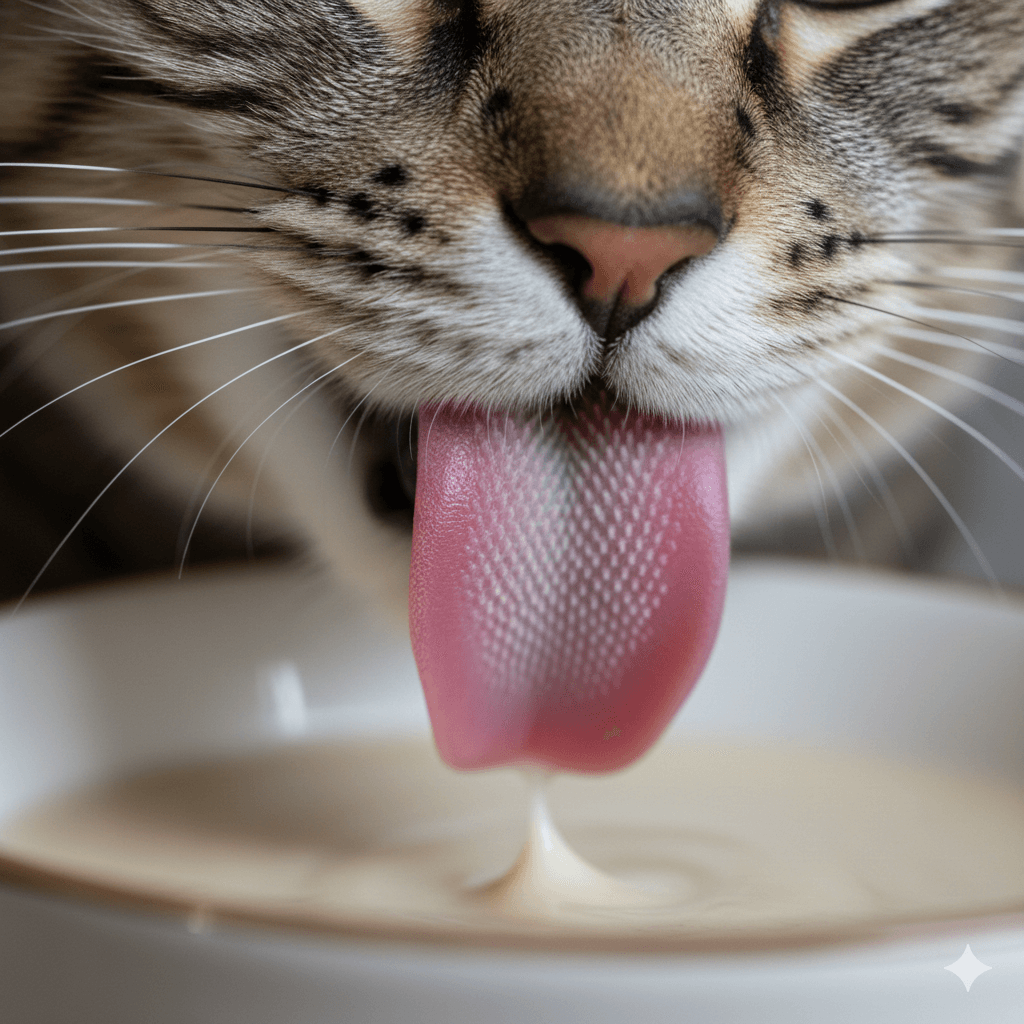
Eosinophilic Granuloma and Rodent Ulcer in Cats: What You Need to Know
If you’ve noticed unusual sores or swelling on your cat’s lips, mouth, or skin, it could be a condition known as eosinophilic granuloma complex (EGC). One of the most common manifestations of this condition is the rodent ulcer, a sore that often appears on a cat’s upper lip. While these ulcers are not caused by rodents, they can cause significant discomfort and require prompt attention. Understanding what eosinophilic granuloma and rodent ulcers are, their causes, symptoms, and treatment options, will help you ensure your feline friend stays healthy and comfortable. Let’s explore everything you need to know about this puzzling yet treatable condition.
Expert Insight on Eosinophilic Granulomas
“Eosinophilic granulomas are raised, circular, yellowish to pink nodules. They may be found anywhere on the body but are most common on the head, face, bridge of the nose, ears, paw pads, lips, chin, mouth, and thighs.”
Understanding Eosinophilic Granuloma Complex (EGC)
Eosinophilic granuloma complex is an umbrella term for a group of inflammatory skin conditions that affect cats. These conditions are linked to an overactive immune response and often manifest as lesions, ulcers, or plaques. Here’s what you need to know about the different forms of EGC.
Rodent Ulcers (Indolent Ulcers):
These painless, raised sores typically appear on the upper lip near the base and may look raw or eroded. Despite their name, they have nothing to do with rodents.Eosinophilic Plaques:
These are red, raised, and intensely itchy patches of skin, often found on the abdomen, groin, or inner thighs. Cats may excessively lick or chew at these areas.Eosinophilic Granulomas:
These lesions can appear as linear ulcers along the back of the thighs or as swollen masses on the chin or tongue. They are less itchy but can cause significant discomfort.Immune-Mediated Cause:
EGC is believed to stem from an exaggerated immune response, often triggered by allergens such as flea bites, food sensitivities, or environmental factors.Diagnosis Requires Veterinary Attention:
Since other conditions like infections or tumors can mimic EGC, a veterinarian must confirm the diagnosis through tests like biopsies or cytology.
Understanding the nuances of EGC helps cat owners recognize symptoms early and seek appropriate treatment to alleviate their pet’s discomfort.
Symptoms of Eosinophilic Granuloma and Rodent Ulcers in Cats
Recognizing the signs of eosinophilic granuloma and rodent ulcers is key to addressing the issue promptly. Look out for these common symptoms that may indicate your cat is suffering from this condition.
Ulcers or Sores on the Lips:
Raised, pinkish, or yellowish sores on the upper lip are hallmark signs of rodent ulcers. These lesions are usually painless but unsightly.Excessive Licking or Grooming:
Cats with EGC often lick or chew at affected areas incessantly due to itching or irritation, which can worsen the condition.Swollen or Red Skin Patches:
Eosinophilic plaques appear as inflamed, hairless patches that may ooze or crust over.Lesions Along the Thighs or Chin:
Linear ulcers or granulomas along the hind legs or chin are common indicators of eosinophilic granuloma.Behavioral Changes:
Discomfort from EGC may cause irritability, reduced appetite, or reluctance to engage in normal activities.
By staying vigilant for these symptoms, you can consult your veterinarian sooner and begin managing your cat’s condition effectively.
Check this guide 👉Understanding Rodent Ulcers in Cats: Best 7 Health Tips!
Check this guide 👉Understanding Corneal Ulcers in Cats: Best 7 Expert Tips!
Check this guide 👉Understanding Cat Eye Ulcers: Best 7 Health Tips!
Forms of Eosinophilic Granuloma Complex | Common Symptoms |
|---|---|
Rodent Ulcers | Raised sores on the upper lip |
Eosinophilic Plaques | Itchy, red patches on the abdomen |
Eosinophilic Granulomas | Linear ulcers on thighs or chin |
Immune Response Triggers | Flea allergies, food sensitivities |
Diagnostic Methods | Biopsy, cytology, veterinary examination |
Treatment Options for Eosinophilic Granuloma and Rodent Ulcers
Treating eosinophilic granuloma and rodent ulcers involves addressing both the symptoms and underlying causes. With proper care, most cats respond well to treatment and experience relief from discomfort.
Steroids (Corticosteroids):
Anti-inflammatory medications like prednisone are often prescribed to reduce swelling and control the immune response.Antibiotics:
If secondary bacterial infections are present, antibiotics may be necessary to clear up the infection before treating the underlying issue.Allergy Management:
Identifying and eliminating allergens—such as fleas, certain foods, or environmental triggers—can prevent future flare-ups.Topical Treatments:
Medicated creams or ointments may be applied directly to lesions to promote healing and reduce irritation.Dietary Adjustments:
Switching to hypoallergenic diets or novel protein sources can help manage food-related allergies contributing to EGC.
With a tailored treatment plan, many cats achieve long-term relief and improved quality of life.
Preventive Measures to Avoid Recurrence
Preventing eosinophilic granuloma and rodent ulcers from recurring requires proactive measures to minimize triggers and maintain your cat’s health.
Flea Control:
Regular use of flea prevention products keeps infestations at bay, reducing the risk of allergic reactions.Environmental Allergen Reduction:
Vacuum frequently, wash bedding, and use air purifiers to limit exposure to dust mites, pollen, and other allergens.Routine Veterinary Check-Ups:
Regular vet visits help monitor your cat’s overall health and catch potential issues early.Balanced Nutrition:
Feeding high-quality, hypoallergenic food ensures your cat receives essential nutrients while avoiding potential allergens.Stress Management:
Minimize stressors in your cat’s environment, as stress can exacerbate immune-related conditions like EGC.
Taking these preventive steps reduces the likelihood of future flare-ups and keeps your cat happy and healthy.
Common Misconceptions About Rodent Ulcers
Many myths surround rodent ulcers, leading to confusion among cat owners. Clearing up these misconceptions ensures accurate understanding and better care for affected cats.
Myth: Rodent Ulcers Are Caused by Rats or Mice:
Despite their name, rodent ulcers have no connection to rodents and are purely an immune-mediated condition.Myth: The Condition Is Always Painful:
Rodent ulcers themselves are typically painless, though they may lead to discomfort if left untreated.Myth: Antibiotics Alone Can Cure EGC:
While antibiotics address secondary infections, they don’t resolve the underlying immune response causing the ulcers.Myth: Only Outdoor Cats Develop This Condition:
Indoor cats are equally susceptible to EGC, especially if they have allergies or sensitivities.Myth: Treatment Is Unnecessary for Mild Cases:
Even mild cases should be evaluated by a vet to prevent worsening or recurrence.
Debunking these myths empowers cat owners to make informed decisions about their pet’s health.
Signs Your Cat May Be Struggling with EGC
Beyond visible symptoms, behavioral changes can signal that your cat is dealing with eosinophilic granuloma complex. Being observant helps identify issues early.
Changes in Eating Habits:
Reluctance to eat or difficulty chewing might indicate oral discomfort from EGC lesions.Increased Aggression or Withdrawal:
Irritation from itching or pain can make normally friendly cats more aggressive or withdrawn.Excessive Drooling:
Cats with oral lesions may drool more than usual due to irritation or discomfort.Unexplained Weight Loss:
Chronic conditions like EGC can lead to weight loss if eating becomes too painful.Frequent Scratching or Face Rubbing:
Cats may rub their faces against surfaces to relieve itching caused by rodent ulcers.
Noticing these signs early allows for quicker intervention and better outcomes.
Emotional Support for Cats with EGC
Living with a chronic condition like eosinophilic granuloma can be stressful for cats. Providing emotional support enhances their well-being and recovery process.
Create a Calm Environment:
Reduce noise and disturbances to help your cat feel safe and relaxed during treatment.Offer Comfort Items:
Provide cozy bedding, favorite toys, or blankets that carry familiar scents to comfort your cat.Spend Quality Time Together:
Gentle petting, brushing, or simply sitting near your cat strengthens your bond and reassures them.Monitor Stress Levels:
Watch for signs of anxiety, such as hiding or vocalizing excessively, and address them promptly.Celebrate Small Wins:
Reward progress, such as reduced licking or improved appetite, with treats or affection to boost morale.
Emotional care complements medical treatment, ensuring your cat feels loved and supported throughout their healing journey.
Frequently Asked Questions About Eosinophilic Granuloma and Rodent Ulcers
Are rodent ulcers contagious to other pets or humans?
No, rodent ulcers are not contagious. They result from an immune-mediated reaction within the affected cat.
Can diet influence eosinophilic granuloma?
Yes, dietary allergies or intolerances can trigger EGC. A hypoallergenic diet may help manage symptoms.
Is surgery required for eosinophilic granuloma?
Surgery is rarely needed unless lesions fail to respond to medication or become severe.
How long does treatment take to work?
Improvement is often seen within days to weeks after starting treatment, depending on the severity of the case.
Can eosinophilic granuloma recur?
Yes, without proper management of underlying triggers, EGC can return. Consistent care and monitoring are essential.
Managing Eosinophilic Granuloma and Rodent Ulcers with Care
Eosinophilic granuloma complex and rodent ulcers may seem daunting, but with timely intervention and proper care, most cats recover fully and enjoy a good quality of life. Understanding the causes, recognizing symptoms, and following veterinary advice are crucial steps in managing this condition. By combining treatment with preventive strategies, you can minimize the impact of EGC on your cat’s health and happiness. Remember, your love and dedication play a vital role in helping your furry companion thrive despite this challenging condition.
Do Cats Have Taste Buds? Best 7 Expert Tips! – Discover how cats experience flavors and why their taste is so unique.
Do Dogs Have Taste Buds? Best 7 Expert Tips! – Discover how dogs experience taste, their preferences, and what it means for their diet and health.
Can Cats Taste Sweet? Best 7 Expert Tips! – Discover why cats can’t taste sweetness, how it affects their diet, and tips to keep them healthy and happy.

Can Dogs Taste Sweet? Best 7 Expert Tips! – Discover how dogs perceive sweetness, which foods are safe, and tips to manage their sweet cravings responsibly.