
Understanding Entropion in Dogs: A Comprehensive Guide
Causes of Entropion in Dogs
- Genetic Predisposition:
Certain breeds, particularly those with loose facial skin like Bulldogs, Shar Peis, or Saint Bernards, are more prone to entropion due to inherited anatomical traits. Breeding practices that emphasize exaggerated physical features often exacerbate this condition. - Congenital Factors:
Some puppies are born with entropion as a developmental defect. In these cases, the eyelids fail to form properly during growth, leading to inward rolling from an early age. Early detection is key to preventing long-term damage. - Age-Related Changes:
As dogs grow older, the muscles and tissues around the eyes may weaken, causing the eyelids to lose their natural tension. This is especially common in large breeds or senior dogs with preexisting eye conditions. - Trauma or Injury:
Physical trauma, such as scratches, bites, or accidents, can damage the eyelid structure, resulting in entropion. Scarring from injuries may also alter the lid’s alignment, making surgical correction necessary. - Breed-Specific Vulnerabilities:
Brachycephalic breeds (e.g., Pugs, Shih Tzus) and giant breeds (e.g., Great Danes, Mastiffs) are at higher risk due to their unique facial anatomy. Owners of these breeds should monitor their dogs’ eyes closely for signs of irritation or discomfort.
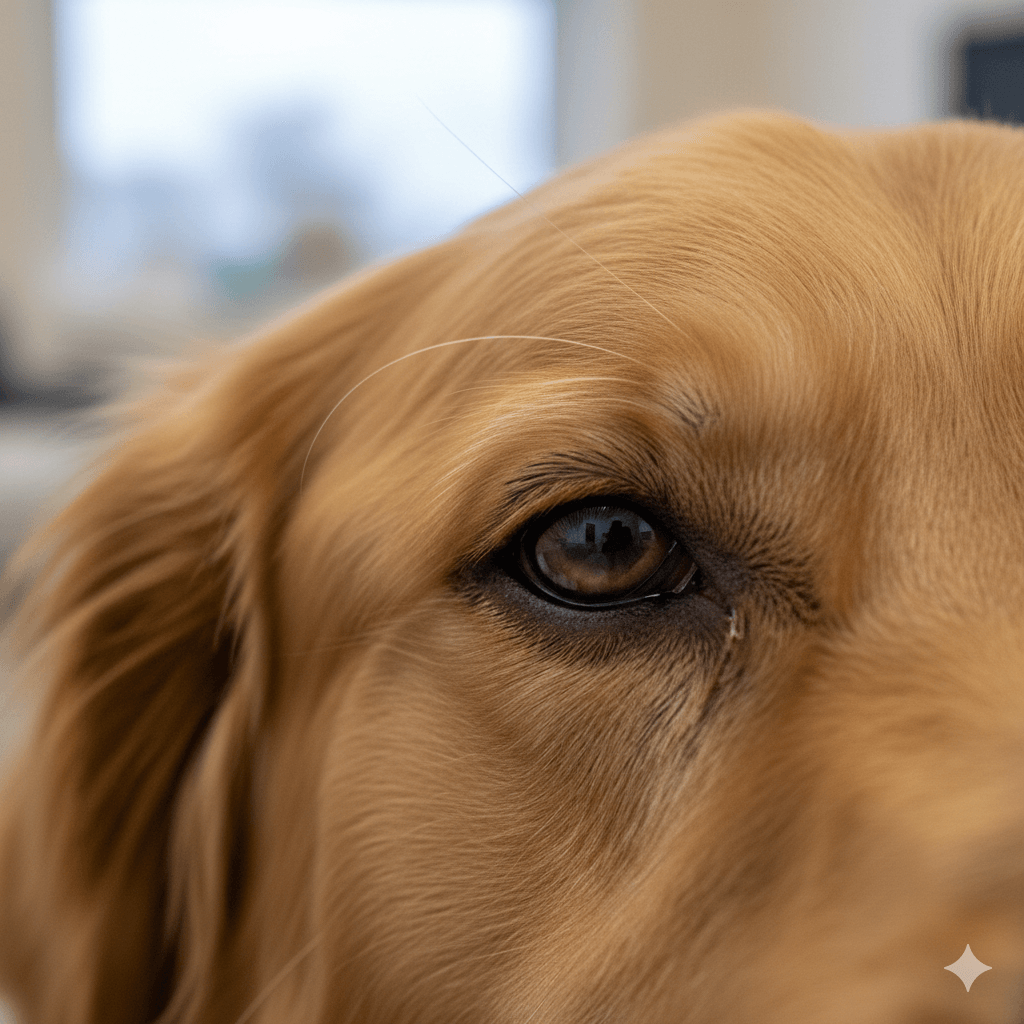
Symptoms of Entropion in Dogs
- Excessive Tearing (Epiphora):
Dogs with entropion frequently produce excessive tears as the body attempts to flush away irritants caused by inward-rolling eyelids. Wet streaks below the eyes are a common indicator. - Squinting or Blinking:
Affected dogs often squint or blink excessively to protect their eyes from the abrasive contact of eyelashes against the cornea. This behavior is a clear sign of discomfort. - Redness and Swelling:
The constant friction from entropion leads to inflammation, redness, and swelling of the conjunctiva (the tissue lining the eyelids). These symptoms are often mistaken for allergies or infections. - Corneal Ulcers:
Prolonged entropion increases the risk of corneal ulcers, which present as cloudy or discolored areas on the eye. Ulcers are painful and require immediate veterinary attention. - Rubbing or Pawing at Eyes:
Dogs may rub their eyes with their paws or against furniture in an attempt to relieve irritation. This behavior can further damage the delicate eye tissues.
Check this guide 👉Understanding Entropion Surgery for Dogs: Best 7 Tips!
Check this guide 👉Pica Treatment in Dogs: Best 7 Expert Tips!
Check this guide 👉Hepatopathy in Dogs: Best 7 Expert Tips!
Symptoms of Entropion | Treatment Options |
|---|---|
Excessive tearing (epiphora) | Temporary tacking procedure for puppies |
Squinting or blinking | Permanent surgical correction for severe cases |
Redness and swelling of the conjunctiva | Topical antibiotic ointments or lubricants |
Corneal ulcers or abrasions | Pain management with NSAIDs or other medications |
Pawing or rubbing at the eyes | Regular follow-up visits for monitoring and care |
Diagnosing Entropion in Dogs
- Physical Examination:
The vet visually inspects the dog’s eyes to observe the position of the eyelids and assess any signs of irritation, redness, or corneal damage. The dog’s breed and medical history are also considered. - Fluorescein Staining:
This diagnostic test uses a special dye to detect corneal ulcers or abrasions caused by the inward-rolling eyelids. The dye highlights damaged areas under a blue light. - Schirmer Tear Test:
To rule out dry eye (keratoconjunctivitis sicca), the vet measures tear production using a small strip of paper placed under the lower eyelid. Low tear production can mimic or worsen entropion symptoms. - Palpebral Reflex Testing:
The vet evaluates the dog’s blink reflex by gently touching the eyelids. Abnormal responses may indicate nerve damage or other underlying issues contributing to entropion. - Differential Diagnosis:
Conditions like ectropion (outward rolling of the eyelids), distichiasis (abnormal eyelash growth), or conjunctivitis share similar symptoms but require different treatments. Accurate differentiation is crucial.
Treatment Options for Entropion in Dogs
- Temporary Tacking Procedure:
For young puppies with mild entropion, veterinarians may perform a temporary tacking procedure. Sutures are placed to roll the eyelids outward until the dog matures and permanent surgery can be considered. - Permanent Surgical Correction:
In most cases, surgery is the definitive treatment. The surgeon removes excess tissue from the eyelid to restore its normal position. Post-operative care includes antibiotics and pain management. - Topical Medications:
Antibiotic ointments or lubricating drops are prescribed to reduce irritation and prevent infections while awaiting surgery or managing mild cases. - Pain Management:
Non-steroidal anti-inflammatory drugs (NSAIDs) or other pain relievers help alleviate discomfort during recovery. Owners must follow dosage instructions carefully. - Monitoring and Follow-Up:
Regular check-ups ensure proper healing and allow the vet to address complications like scarring or recurrence promptly. Owners should report any unusual symptoms immediately.
Complications of Untreated Entropion
- Chronic Eye Infections:
The constant irritation from inward-rolling eyelids creates a breeding ground for bacteria, leading to recurrent conjunctivitis or blepharitis. These infections are difficult to resolve without addressing the underlying cause. - Corneal Ulceration:
Persistent friction damages the cornea, increasing the risk of ulcers. Deep ulcers may penetrate the eye, causing vision impairment or even blindness. - Vision Loss:
Severe or untreated entropion can result in permanent vision loss due to scarring, perforation, or damage to the corneal surface. Early intervention prevents irreversible damage. - Behavioral Changes:
Chronic pain and discomfort may cause behavioral changes, including aggression, lethargy, or withdrawal. Addressing the root cause restores your dog’s quality of life. - Secondary Conditions:
Untreated entropion increases susceptibility to other eye conditions, such as dry eye syndrome or glaucoma, further complicating treatment and prognosis.
Preventing Entropion in Dogs
- Responsible Breeding Practices:
Avoid breeding dogs with known genetic predispositions to entropion. Breeders should prioritize health over aesthetic traits like loose facial skin. - Regular Eye Examinations:
Routine check-ups allow veterinarians to identify early signs of entropion or related conditions before they progress. Pay attention to any changes in your dog’s eye appearance or behavior. - Protecting the Eyes:
Use protective goggles during outdoor activities to shield your dog’s eyes from debris, UV rays, or injuries that could trigger entropion. - Managing Underlying Conditions:
Address conditions like allergies, dry eye, or infections promptly to prevent secondary complications that could worsen eyelid alignment. - Educating Yourself:
Learn about breed-specific risks and symptoms of entropion to recognize warning signs early. Knowledge empowers you to act decisively when needed.
Long-Term Care for Dogs with Entropion
- Daily Eye Cleaning:
Gently clean your dog’s eyes with a damp cloth or veterinarian-recommended wipes to remove discharge and prevent infections. Avoid harsh chemicals or rough handling. - Administering Prescribed Medications:
Continue using prescribed antibiotic ointments or lubricants as directed, even after visible symptoms improve. Skipping doses can lead to relapse or complications. - Scheduling Regular Vet Visits:
Frequent check-ups ensure early detection of recurrence or new issues. Your vet may recommend annual eye exams for high-risk breeds. - Monitoring Behavioral Changes:
Watch for signs of discomfort, such as pawing at the eyes or avoiding bright light, which may indicate unresolved problems. Report these changes to your vet promptly. - Creating a Safe Environment:
Minimize exposure to irritants like smoke, dust, or strong winds that could aggravate sensitive eyes. Provide a calm, stress-free environment to support healing.
Frequently Asked Questions About Entropion in Dogs
What breeds are most prone to entropion?
Brachycephalic breeds like Bulldogs, Pugs, and Shar Peis, as well as giant breeds like Great Danes and Mastiffs, are at higher risk due to their facial anatomy.
Can entropion correct itself over time?
Is entropion surgery painful for my dog?
While the procedure involves anesthesia and post-operative discomfort, veterinarians provide pain management to ensure your dog recovers comfortably.
How much does entropion surgery cost?
Costs vary depending on location and severity but typically range from $500 to $1,500 per eye. Discuss payment plans or pet insurance options with your vet.
Can entropion lead to blindness if untreated?
Yes, prolonged friction from inward-rolling eyelids can cause corneal ulcers, scarring, and eventual vision loss if left untreated. Early intervention is critical.
Supporting Your Dog Through Entropion Treatment

Is Rawhide Bad for Cats? Best 7 Expert Tips! – Discover the risks, safe alternatives, and expert advice to keep your feline friend healthy and happy.

Is Rawhide Bad for Dogs? Best 7 Expert Tips! – Discover the risks, benefits, and safer alternatives to rawhides for your dog’s chewing needs.

Understanding Anorexia in Cats: Best 7 Expert Tips! – Learn why cats stop eating, spot warning signs, and discover how to help your feline regain appetite safely.

Understanding Anorexia in Dogs: Best 7 Expert Tips! – Learn causes, symptoms, and solutions to help your dog regain appetite and stay healthy.