
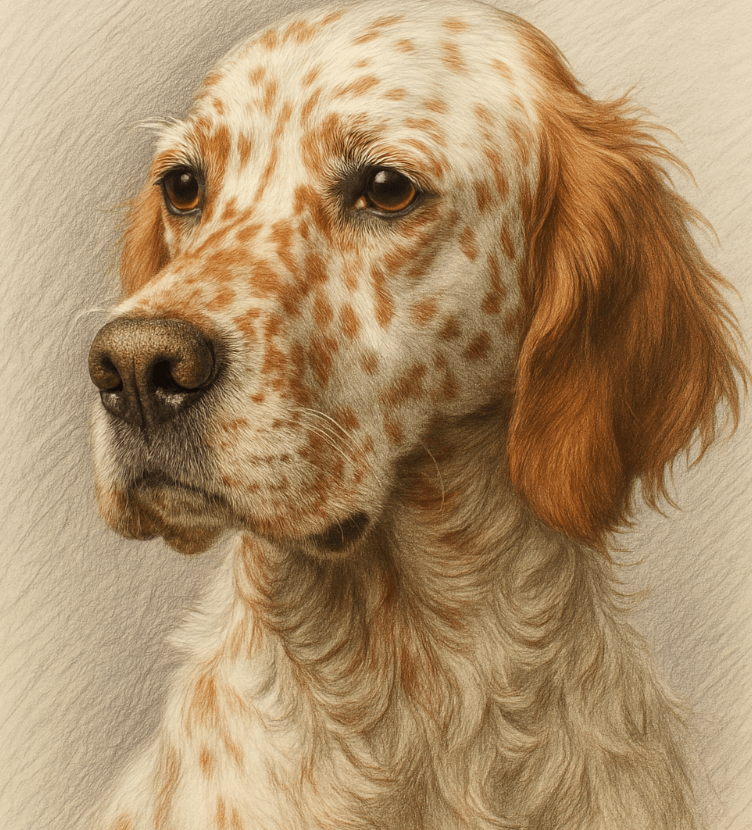

English Hunting Dog: Best 7 Expert Tips!

English Hunting Dog: Best 7 Expert Tips!

English Hunting Dog: A Legacy of Loyalty and Skill


The English hunting dog has long been celebrated as a symbol of dedication, intelligence, and versatility. Whether bred for tracking game, retrieving prey, or assisting hunters in the field, these dogs have played an integral role in the history of hunting traditions.

Renowned breeds like the English Springer Spaniel, Pointer, and Beagle exemplify the qualities that make English hunting dogs so beloved—sharp instincts, boundless energy, and an unwavering bond with their human companions. In this blog post, we’ll explore the world of English hunting dogs, from their origins and characteristics to tips for training and caring for these remarkable canines. Whether you’re a seasoned hunter or simply admire these dogs’ natural talents, this guide will provide valuable insights into their fascinating world.

Key Characteristics of English Hunting Dogs


English hunting dogs are prized for their unique combination of traits that make them exceptional working companions. These qualities are deeply rooted in their breeding and purpose, ensuring they excel in both the field and at home.

 
  • Keen Sense of Smell:
    Many English hunting dogs, such as Beagles and Bloodhounds, possess an extraordinary ability to track scents over long distances.

  • High Energy Levels:
    Bred for endurance, these dogs thrive on physical activity and mental challenges, making them ideal for active lifestyles.

  • Trainability and Intelligence:
    Known for their quick learning abilities, English hunting dogs respond well to consistent, positive reinforcement-based training.

  • Strong Work Ethic:
    Their innate drive to perform tasks makes them reliable partners in hunting and other outdoor activities.

  • Affectionate and Loyal Nature:
    Despite their working roles, these dogs form deep bonds with their families, often doubling as loving household pets.


These characteristics highlight why English hunting dogs are cherished not only for their skills but also for their companionship.

Popular Breeds of English Hunting Dogs


Several breeds fall under the category of English hunting dogs, each with its own unique strengths and appearances. Here’s a look at some of the most popular and iconic breeds.

 
  • English Springer Spaniel:
    Known for their agility and enthusiasm, Springer Spaniels are excellent retrievers and flushers of game birds.

  • Pointer:
    Pointers are famous for their ability to “point” at prey with precision, making them invaluable in bird hunting.

  • Beagle:
    With their keen sense of smell and compact size, Beagles excel in small-game hunting, particularly rabbits and hares.

  • Labrador Retriever:
    Though versatile, Labradors are often used in waterfowl hunting due to their strong swimming skills and retrieving instincts.

  • English Setter:
    Setters are graceful and athletic, known for their ability to locate and “set” birds for hunters.


These breeds showcase the diversity and adaptability of English hunting dogs across different terrains and types of game.

English Hunting Dog: Best 7 Expert Tips!
Best Uses for English Hunting Dogs
Challenges of Owning One
Tracking and retrieving game
Requires significant exercise
Field trials and competitions
Can be prone to separation anxiety
Family companionship
May display stubbornness during training
Search-and-rescue missions
Needs regular grooming (varies by breed)
Therapy work due to affectionate nature
Sensitive to harsh corrections

Training Tips for English Hunting Dogs


Training an English hunting dog requires patience, consistency, and a focus on their natural instincts. These dogs are eager learners but benefit greatly from structured guidance.

 
  • Start Early:
    Begin obedience and socialization training as puppies to establish good habits and prevent behavioral issues later.

  • Use Positive Reinforcement:
    Reward-based methods, including treats, praise, and play, motivate these intelligent dogs effectively.

  • Focus on Task-Oriented Activities:
    Incorporate scent work, retrieval games, and simulated hunting scenarios to channel their instincts productively.

  • Maintain Consistency:
    Clear rules and routines help reinforce commands and expectations, reducing confusion.

  • Provide Mental Stimulation:
    Puzzle toys and interactive games keep their sharp minds engaged when they’re not actively working or training.


With proper training, English hunting dogs become disciplined and reliable partners in any setting.

Exercise Needs of English Hunting Dogs


As high-energy breeds, English hunting dogs require ample physical and mental stimulation to stay happy and healthy. Neglecting their exercise needs can lead to destructive behaviors or anxiety.

 
  • Daily Walks and Runs:
    Aim for at least 1-2 hours of vigorous exercise daily, depending on the breed and individual energy level.

  • Engage in Outdoor Activities:
    Hiking, swimming, or playing fetch in open spaces satisfies their need for adventure and exploration.

  • Field Trials and Simulated Hunts:
    Participating in organized events or practicing hunting techniques keeps their skills sharp.

  • Interactive Playtime:
    Games like tug-of-war or hide-and-seek strengthen your bond while providing physical exertion.

  • Supervise During Off-Leash Time:
    Always monitor them in unfenced areas to prevent wandering or chasing after wildlife.


Meeting their exercise requirements ensures a calm and content demeanor at home.

Common Misconceptions About English Hunting Dogs


Despite their popularity, several misconceptions surround English hunting dogs. Addressing these myths helps clarify what it truly means to own one.

 
  • They’re Only Good for Hunting:
    While bred for hunting, many English hunting dogs excel in therapy work, search-and-rescue missions, and family life.

  • All Breeds Are High-Maintenance:
    Some breeds, like Beagles, require less grooming compared to others, though all need regular exercise.

  • They Don’t Need Socialization:
    Without proper exposure to people, animals, and environments, they may develop fearfulness or aggression.

  • Training Is Easy Because They’re Smart:
    Intelligence doesn’t guarantee obedience; consistent training is still necessary to manage their independent streaks.

  • They’re Not Affectionate:
    Contrary to stereotypes, English hunting dogs form deep bonds with their families and crave attention.


Dispelling these myths ensures a deeper appreciation for these versatile canines.

Health Considerations for English Hunting Dogs


Like all breeds, English hunting dogs are prone to certain health issues that responsible owners should monitor closely. Proactive care helps extend their lifespan and quality of life.

 
  • Hip Dysplasia:
    A common condition in active breeds; maintaining a healthy weight and avoiding excessive strain on joints reduces risk.

  • Ear Infections:
    Breeds with floppy ears, like Spaniels, are susceptible to infections; regular cleaning prevents complications.

  • Obesity:
    Without adequate exercise, these dogs can gain weight quickly, leading to joint problems and reduced stamina.

  • Progressive Retinal Atrophy (PRA):
    Some breeds are prone to eye conditions; routine veterinary exams help detect issues early.

  • Bloat (Gastric Torsion):
    Large breeds like Labradors are at risk; feeding smaller meals and avoiding strenuous activity post-meal mitigates danger.


Prioritizing their health ensures years of happiness and companionship.


Fun Activities to Enjoy with Your English Hunting Dog


Living with an English hunting dog means embracing opportunities for adventure and bonding. These fun activities cater to their instincts and energy levels.

 
  • Scent Work Competitions:
    Channel their natural talent for tracking scents into organized events or backyard games.

  • Agility Training:
    Obstacle courses challenge their athleticism and sharpen their focus during training sessions.

  • Long Hikes in Nature:
    Exploring trails together allows them to sniff, run, and enjoy the great outdoors.

  • Swimming Sessions:
    Water-loving breeds like Labradors relish swimming, which provides excellent low-impact exercise.

  • Fetch and Retrieval Games:
    Practicing retrieves strengthens their skills while keeping them entertained for hours.


Engaging in these activities ensures a fulfilling life for your energetic and devoted companion.

Frequently Asked Questions About English Hunting Dogs

 
Are English hunting dogs suitable for apartment living?

While possible with sufficient exercise, they are better suited for homes with yards due to their high energy levels.

Yes, many English hunting dogs are affectionate and loyal, making them excellent companions for active families.

Most breeds are sociable but may have a strong prey drive; early introductions and supervision are key.

Grooming needs vary by breed—Spaniels and Setters require more frequent brushing than short-coated breeds like Beagles.

Common concerns include hip dysplasia, ear infections, and obesity; regular vet check-ups are essential.

Celebrating the Versatility of English Hunting Dogs


English hunting dogs embody the perfect blend of skill, loyalty, and charm, making them invaluable companions for hunters and families alike. Their rich history and innate talents continue to captivate enthusiasts worldwide. By understanding their needs and committing to their care, you’ll unlock the full potential of these remarkable dogs. Whether you’re drawn to their athleticism, intelligence, or affectionate nature, an English hunting dog can bring joy, purpose, and endless adventures into your life.

Dog Seizure Symptoms: Best 7 Expert Tips!

Dog Seizure Symptoms: Best 7 Expert Tips! – Learn to spot signs, respond effectively, and manage seizures in dogs for a healthier, happier life.
Carprofen Dosage for Cats: Best 7 Expert Tips!

Carprofen Dosage for Cats: Best 7 Expert Tips! – Learn safe dosing, risks, and alternatives to manage pain and inflammation in cats effectively.

Africanis Dog Breed: Best 7 Expert Tips!

Africanis Dog Breed: Best 7 Expert Tips! – Explore the resilience, loyalty, and adaptability of this ancient African breed, perfect for diverse lifestyles.

Cruciate Ligament Injury Symptoms in Dogs: Best 7 Tips!

Cruciate Ligament Injury Symptoms in Dogs: Best 7 Tips! – Discover key signs like limping, swelling, and joint instability to ensure prompt treatment.

Leave a Reply

Your email address will not be published. Required fields are marked *

Post Category