
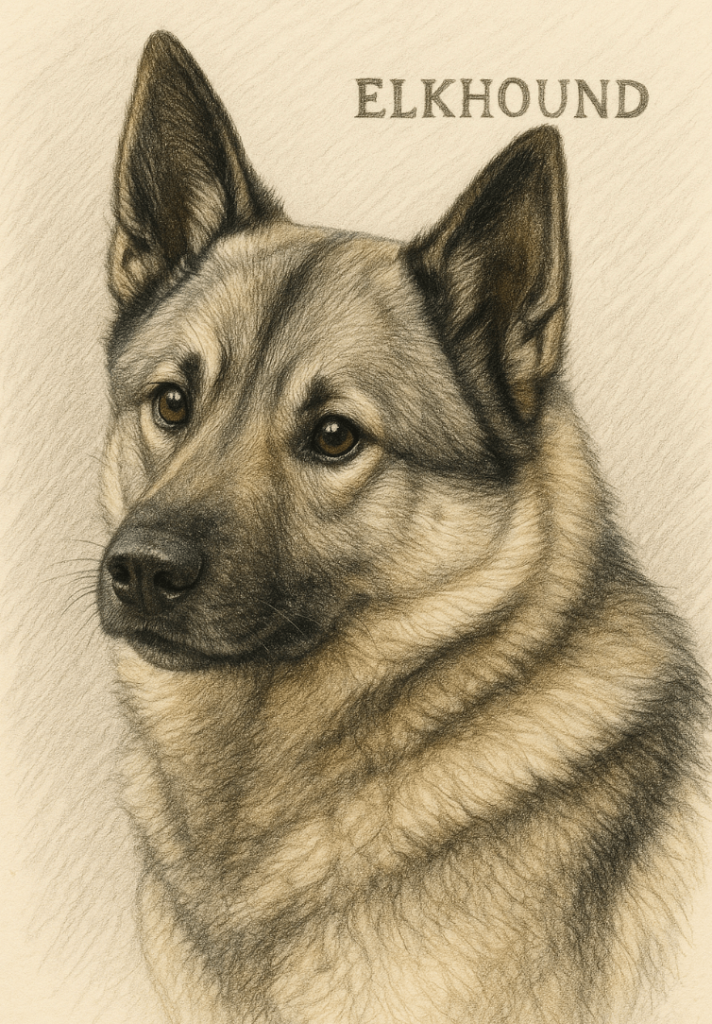

Elkhound Dog: The Majestic and Loyal Companion
The Elkhound dog, often referred to as the Norwegian Elkhound, is a breed steeped in history and charm. Originating from Scandinavia, these dogs were bred to assist hunters in tracking and holding large game such as moose and bears. Known for their striking gray coat, keen intelligence, and unwavering loyalty, Elkhounds make exceptional companions for active families and experienced dog owners alike. Whether you’re drawn to their rugged beauty or their spirited personality, understanding the unique traits of this ancient breed is essential before welcoming one into your home. In this blog post, we’ll explore everything you need to know about the Elkhound dog, from their temperament and care requirements to tips for living harmoniously with this remarkable breed.
Key Traits of the Elkhound Dog
The Elkhound dog is a fascinating blend of strength, independence, and affection. Their versatile nature makes them suitable for various roles, but it also requires an owner who understands their needs. Here are some defining characteristics of this remarkable breed.
Independent Thinkers:
Elkhounds are intelligent and resourceful, often displaying a strong sense of independence that can sometimes come across as stubbornness.Loyal and Protective:
They form deep bonds with their families and are naturally protective, making them excellent watchdogs.High Energy Levels:
Bred for hunting, they have boundless energy and require plenty of physical and mental stimulation to stay happy.Friendly Yet Reserved:
While affectionate with their family, they can be cautious around strangers, showcasing their discerning nature.Adaptable to Cold Climates:
Their thick double coat provides insulation, making them well-suited for colder environments.
These traits highlight the Elkhound’s unique personality and emphasize the importance of proper training and care.
Physical Characteristics of the Elkhound Dog
The Elkhound dog is instantly recognizable thanks to its robust build and distinctive appearance. Their physical traits reflect their heritage as hardworking hunting companions.
Size and Build:
Standing 18-21 inches tall at the shoulder and weighing between 45-55 pounds, they have a sturdy, athletic frame built for endurance.Coat and Colors:
Their dense double coat is typically gray with black tips, providing camouflage and weather resistance during hunts.Distinctive Facial Features:
A broad head, erect ears, and expressive brown eyes give them an alert and noble expression.Tail Carriage:
Their tail curls tightly over the back, adding to their regal and balanced silhouette.Lifespan Expectancy:
With proper care, Elkhounds can live 12-15 years, offering many years of companionship and adventure.
Their striking appearance and functional design make the Elkhound dog a true standout among breeds.
Check this guide 👉Norwegian Elkhound Border Collie Mix: Best 7 Expert Tips!
Check this guide 👉Plott Hound Dog: Best 7 Expert Tips!
Pros of Owning an Elkhound Dog | Cons of Owning an Elkhound Dog |
|---|---|
Intelligent and trainable | Requires significant exercise and attention |
Loyal and protective family companion | Can be stubborn during training |
Adaptable to cold climates | Heavy shedding due to double coat |
Friendly with children and pets | Needs early socialization to prevent shyness |
Long lifespan with proper care | Prone to certain health issues like hip dysplasia |
Training Tips for Your Elkhound Dog
Training an Elkhound dog requires patience, consistency, and a firm but gentle approach. Their independent nature means they respond best to positive reinforcement and clear guidance.
Start Early:
Begin obedience training and socialization as a puppy to establish good habits and prevent behavioral issues later.Use Positive Reinforcement:
Reward-based methods, such as treats, praise, and playtime, work best to motivate this intelligent breed.Be Firm but Fair:
Elkhounds respect confident leadership; avoid harsh corrections, which can damage trust.Provide Mental Stimulation:
Incorporate puzzle toys, scent games, and advanced commands to keep their sharp minds engaged.Address Stubbornness Strategically:
If they resist commands, redirect their focus with short, fun activities to maintain interest.
With dedication and consistency, training becomes a rewarding experience that strengthens your bond with your Elkhound dog.
Exercise Needs of the Elkhound Dog
As a high-energy breed, the Elkhound dog thrives on physical activity and mental challenges. Neglecting their exercise needs can lead to destructive behaviors or restlessness.
Daily Walks and Runs:
Aim for at least 1-2 hours of vigorous exercise daily, including brisk walks, runs, or hikes.Off-Leash Play:
Allow them to roam safely in enclosed areas to burn off excess energy and satisfy their hunting instincts.Interactive Games:
Engage them in activities like fetch, tug-of-war, or agility drills to keep them physically and mentally stimulated.Mental Challenges:
Combine physical activity with problem-solving tasks, such as hiding treats for them to find or teaching new tricks.Supervise Outdoor Time:
Due to their strong prey drive, always monitor them in open spaces to prevent chasing after wildlife.
Meeting their exercise requirements ensures a calm, content, and well-adjusted companion at home.
Common Misconceptions About the Elkhound Dog
Despite their popularity, several misconceptions surround the Elkhound dog. Clarifying these myths helps set realistic expectations for potential owners.
They Are Aggressive by Nature:
While protective, they are not inherently aggressive when properly trained and socialized.All Elkhounds Love Cold Weather:
While they tolerate cold well, extreme temperatures can still pose risks to their health.They Don’t Need Much Attention:
On the contrary, they thrive on human interaction and suffer from separation anxiety if neglected.They’re Easy to Train Without Effort:
Though intelligent, their independence requires consistent training and patience to achieve desired results.They’re Low-Maintenance Grooming Dogs:
While their coat is functional, it sheds heavily and requires regular brushing to stay manageable.
Dispelling these myths ensures a deeper understanding of this incredible breed.
Health Considerations for the Elkhound Dog
Like all breeds, the Elkhound dog is prone to certain health issues that owners should be aware of. Proactive care and regular vet visits help ensure a long and healthy life.
Hip Dysplasia:
A genetic condition affecting joint mobility; maintaining a healthy weight reduces the risk.Progressive Retinal Atrophy (PRA):
A degenerative eye disease that can lead to blindness; annual eye exams are recommended.Weight Management:
Elkhounds are prone to obesity; provide a balanced diet and monitor their calorie intake.Dental Health:
Regular teeth cleaning prevents gum disease and tooth decay, common in smaller breeds.Seasonal Allergies:
Some Elkhounds may develop skin sensitivities; hypoallergenic diets and grooming can alleviate symptoms.
Proactive healthcare ensures a longer, healthier life for your beloved pet.
Fun Activities to Enjoy with Your Elkhound Dog
Living with an energetic and intelligent breed like the Elkhound means embracing opportunities for fun and bonding. These activities will keep them entertained while strengthening your connection.
Hiking Adventures:
Explore trails together, allowing them to sniff, run, and burn off excess energy in a natural setting.Canine Sports:
Participate in competitions like agility, tracking, or obedience trials to showcase their skills and boost confidence.Interactive Toys:
Puzzle feeders, treat-dispensing balls, and chew toys keep them entertained when you’re busy.Swimming Sessions:
Many Elkhounds enjoy water; swimming provides excellent low-impact exercise.Cuddle Time:
Despite their independence, they love snuggling up with their favorite humans after a long day of activity.
Engaging in these activities ensures a fulfilling life for your adventurous companion.
Frequently Asked Questions About the Elkhound Dog
Is the Elkhound dog good for first-time owners?
While intelligent, their independent nature and exercise needs make them better suited for experienced dog owners.
Do they get along with other pets?
Yes, with proper socialization, they can coexist peacefully with other dogs and even cats.
How much grooming do they need?
Regular brushing is required to manage shedding, especially during seasonal coat changes.
Are they suitable for apartment living?
They can adapt to apartments if their exercise needs are met, but they thrive better in homes with yards.
What health issues should I watch for?
Common concerns include hip dysplasia, progressive retinal atrophy (PRA), and weight gain; regular vet check-ups are essential.
Living Harmoniously with an Elkhound Dog
The Elkhound dog is a breed that combines beauty, intelligence, and loyalty in a way that few others can match. Their rich history as working dogs has shaped them into resilient, independent, and loving companions. However, owning an Elkhound requires commitment, patience, and a willingness to meet their physical and emotional needs. By understanding their unique traits and providing the care they deserve, you’ll be rewarded with a devoted friend who enriches your life in countless ways. If you’re ready for the challenge, the Elkhound dog could become your ultimate canine companion.
Spleen Cancer in Cats: Best 7 Expert Tips! – Expert insights on symptoms, care, treatment & quality of life for feline spleen cancer.
Dog Mastitis Treatment: Best 7 Expert Tips! – Safe, vet-approved care for nursing moms & prevention strategies.
The Shikoku Ken Dog: Best 7 Expert Tips! – Discover expert care, training & health advice for this rare, loyal Japanese mountain breed.
The Cairn Terrier Dog Breed: Best 7 Expert Tips! – Discover care, training & health advice for this spirited, loyal Scottish terrier.


