
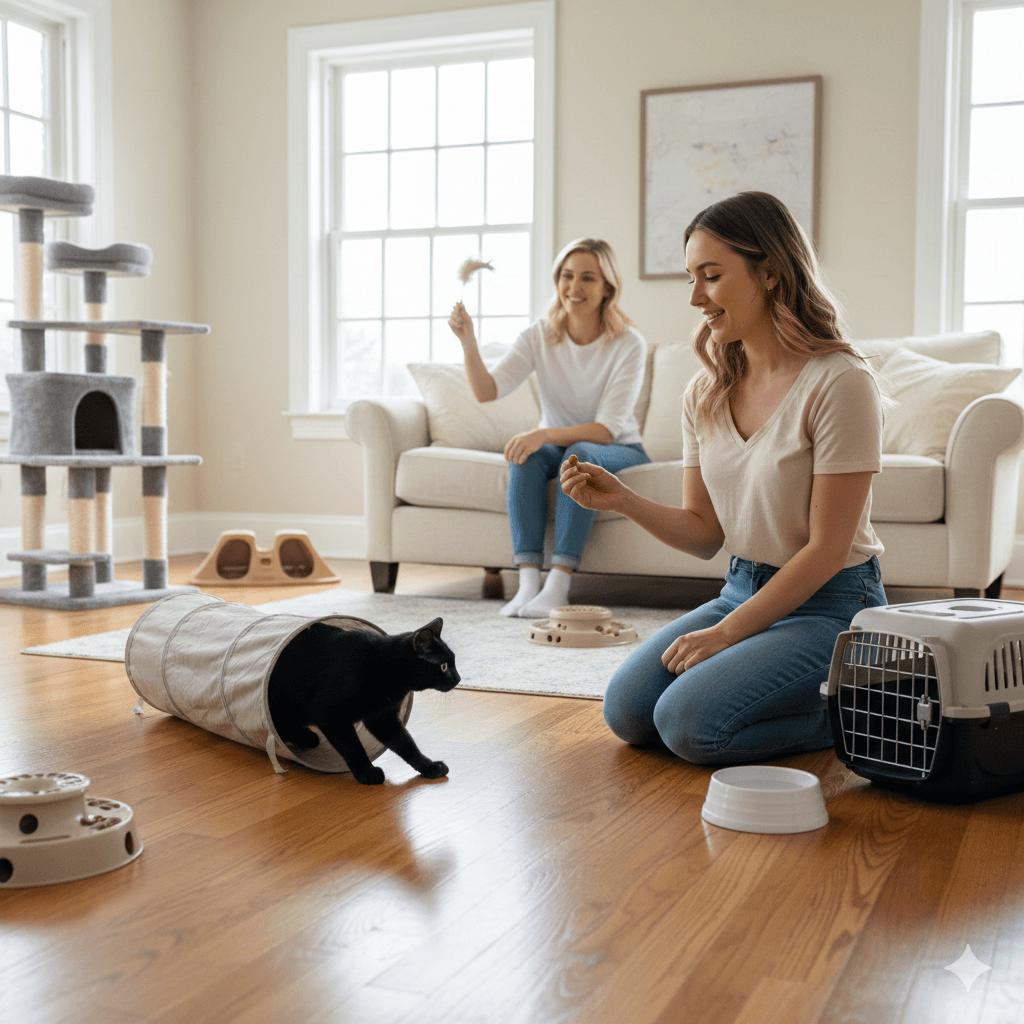
How to Desensitize a Cat: A Gentle Approach
Understanding Cat Desensitization: The Basics
- What Is Desensitization?
Desensitization involves slow, repeated exposure to a stimulus at a low intensity, ensuring the cat remains calm throughout the process. Over time, the intensity increases as the cat becomes more comfortable. - Why Is It Important?
Cats that experience chronic fear or anxiety may develop health issues like urinary tract infections, over-grooming, or even aggression. Desensitization addresses the root cause of these problems. - How Long Does It Take?
The timeline varies depending on the cat’s personality, the severity of their fear, and consistency in training. Some cats show progress within weeks, while others may take months. - Can Any Cat Be Desensitized?
Most cats can benefit from desensitization, but success depends on the owner’s commitment and the cat’s individual temperament. Extremely fearful cats may need professional guidance. - Combining Counterconditioning:
Pairing desensitization with counterconditioning—rewarding calm behavior—enhances effectiveness by creating positive associations with the trigger.
Common Triggers for Cat Anxiety
- Loud Noises:
Thunderstorms, fireworks, or vacuum cleaners often frighten cats due to their acute hearing. These sudden sounds can send them into hiding or panic mode. - Strangers or New Pets:
Cats are territorial, and unfamiliar people or animals invading their space can provoke defensive behaviors like hissing or fleeing. - Veterinary Visits:
Car rides, carriers, and vet exams are common stressors that many cats associate with discomfort or fear. - Environmental Changes:
Moving homes, rearranging furniture, or introducing new scents disrupts a cat’s sense of security and routine. - Handling Sensitivity:
Some cats dislike being touched in certain areas, such as paws, tail, or belly, leading to resistance or aggression during grooming or vet checks.
Check this guide 👉Territorial Cat Behavior Towards Humans: Best 7 Expert Tips!
Check this guide 👉Understanding Russian Blue Cat Behavior: Best 7 Expert Tips!
Check this guide 👉What Is a Cat Behaviorist? Best 7 Expert Tips!
Signs Your Cat Is Stressed | Steps to Help Them Calm Down |
|---|---|
Hiding for extended periods | Provide safe spaces like cozy beds or elevated perches |
Excessive grooming or overeating | Use calming diffusers or sprays to reduce baseline anxiety |
Dilated pupils and flattened ears | Gradually expose them to triggers at low intensity |
Aggression toward people or other pets | Reward calm behavior with high-value treats or playtime |
Vocalizing loudly (meowing, hissing) | Consult a vet if stress persists despite training efforts |
Step-by-Step Guide to Desensitizing Your Cat
- Identify the Trigger:
Observe your cat’s behavior closely to determine what causes their fear or anxiety. Keep a journal to track patterns and reactions. - Start at a Safe Distance:
Introduce the trigger at a distance where your cat notices it but doesn’t react negatively. For example, play a recording of thunder at low volume. - Reward Calm Behavior:
Offer treats, praise, or playtime whenever your cat remains calm in the presence of the trigger. Positive reinforcement strengthens their association with safety. - Gradually Increase Intensity:
Slowly increase the trigger’s intensity—for instance, raise the volume of a sound or shorten the distance to a feared object—but only if your cat stays relaxed. - Take Breaks Between Sessions:
Short, frequent sessions (5–10 minutes) are more effective than long ones. Allow your cat to rest and reset between exposures.
Tools and Resources for Successful Desensitization
- Calming Diffusers or Sprays:
Products containing synthetic pheromones mimic a cat’s natural calming signals, reducing baseline anxiety during training. - High-Value Treats:
Use irresistible rewards like freeze-dried chicken or tuna to motivate your cat and reinforce positive behavior. - Sound Recordings or Apps:
Download apps or recordings of common stressors (e.g., vacuum cleaners, fireworks) to practice controlled exposure at home. - Training Clickers:
A clicker paired with treats marks desired behaviors clearly, helping your cat understand what earns rewards. - Comfortable Spaces:
Provide safe zones like cozy hideaways or elevated perches where your cat can retreat if they feel overwhelmed.
Signs Your Cat Is Making Progress
- Relaxed Body Language:
A calm cat will have soft eyes, relaxed ears, and a loosely curled tail instead of a puffed-up posture or flattened ears. - Increased Curiosity:
As fear diminishes, your cat may start exploring or investigating the trigger rather than avoiding it. - Reduced Hiding Behavior:
Fewer instances of hiding or fleeing suggest growing confidence in facing the trigger. - Improved Appetite During Exposure:
If your cat eats treats or shows interest in food near the trigger, it’s a sign they’re feeling safer. - Decreased Vocalization or Aggression:
Less hissing, growling, or meowing indicates lower stress levels and a more positive emotional state.
Mistakes to Avoid During Desensitization
- Rushing the Process:
Increasing intensity too quickly overwhelms your cat and reverses progress. Always prioritize gradual exposure. - Forcing Interaction:
Never force your cat to confront their fear directly—it can intensify anxiety and damage trust. Let them set the pace. - Skipping Rewards:
Failing to reinforce calm behavior weakens the association between the trigger and positive outcomes. Consistent rewards are crucial. - Ignoring Warning Signs:
Pushing through signs of stress (e.g., dilated pupils, growling) teaches your cat that their communication isn’t respected. Back off and try again later. - Inconsistent Training:
Irregular sessions confuse your cat and slow down progress. Aim for daily practice, even if only for a few minutes.
When to Seek Professional Help
- Severe Aggression or Fear:
If your cat exhibits extreme reactions like biting, scratching, or fleeing uncontrollably, expert guidance is essential. - No Improvement After Weeks:
If consistent effort yields no visible progress after several weeks, a professional can identify underlying issues or refine your approach. - Health Concerns:
Underlying medical conditions (e.g., pain, hyperthyroidism) can exacerbate anxiety. A vet can rule out physical causes before proceeding. - Multi-Cat Household Conflicts:
Stress caused by other pets may complicate desensitization. A behaviorist can help manage dynamics and restore harmony. - Specialized Techniques Needed:
Some cases benefit from advanced methods like medication-assisted therapy or tailored behavior modification plans.
Frequently Asked Questions About Desensitizing a Cat
How long does it take to desensitize a cat?
The timeline varies depending on the cat’s personality and the severity of their fear. Mild cases may improve in weeks, while deeper fears could take months.
Can I desensitize my cat to multiple triggers at once?
It’s best to focus on one trigger at a time to avoid overwhelming your cat. Once progress is made with one, you can move to the next.
What if my cat reacts negatively during training?
Do I need professional help for desensitization?
Not always, but severe cases or lack of progress warrant consulting a veterinarian or animal behaviorist.
Can medication help with desensitization?
In some cases, anti-anxiety medications or calming supplements may complement training, but they should only be used under veterinary guidance.
Supporting Your Cat Through Desensitization
Vacuolar Hepatopathy in Dogs: Best 7 Expert Tips! – Learn about causes, symptoms, and effective management strategies to support your dog’s liver health and improve their quality of life.
Vacuolar Hepatopathy in Cats: Best 7 Expert Tips! – Learn causes, symptoms, and treatment options to protect your cat’s liver health effectively.
Hepatopathy in Cats: Best 7 Expert Tips! – Learn to spot signs, understand causes, and manage liver disease in cats effectively for a healthier life.

Hepatopathy in Dogs: Best 7 Expert Tips! – Learn to spot signs, manage liver health, and support your dog’s recovery with expert advice.