
Recognizing Salmonella Infection Symptoms in Cats
Common Symptoms of Salmonella Infection in Cats
- Diarrhea (Often Bloody):
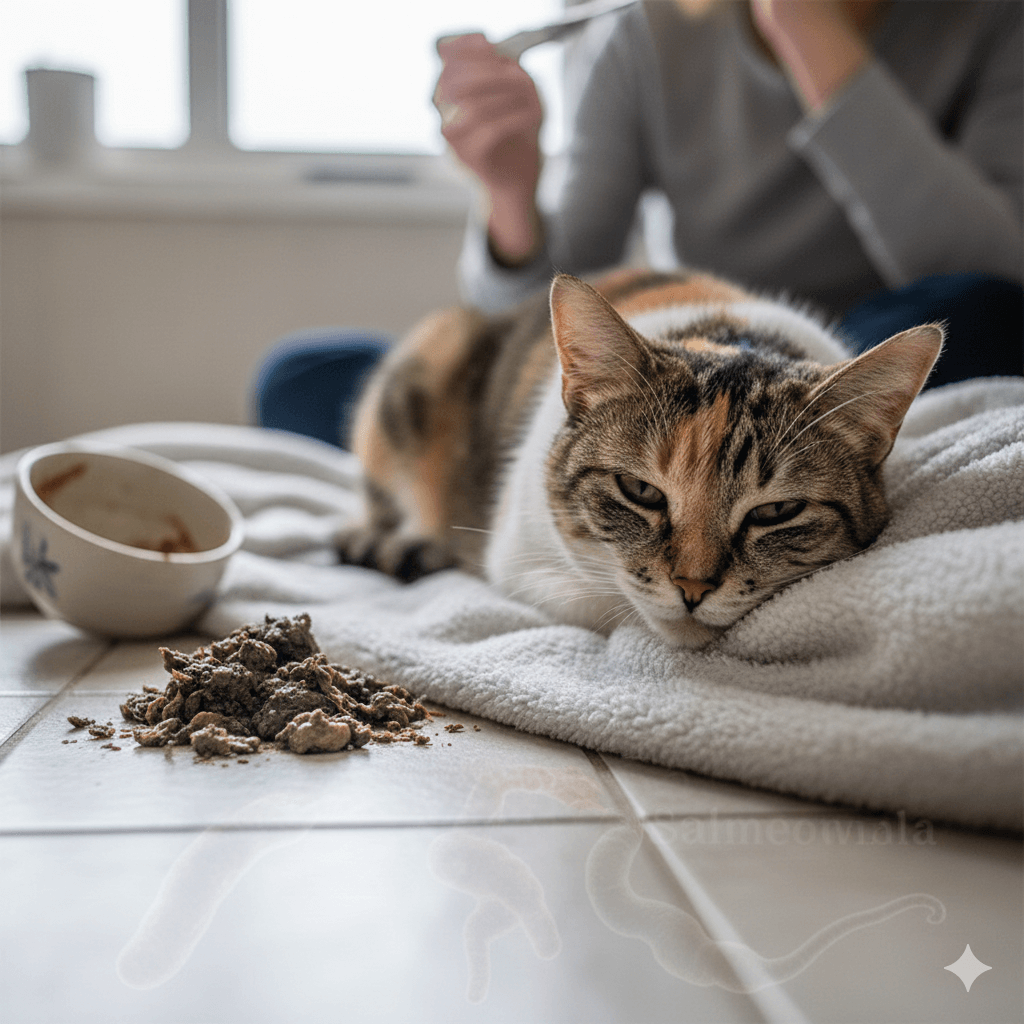
Diarrhea is one of the hallmark symptoms of salmonella infection. It may start as loose stools but can progress to watery or bloody diarrhea, indicating significant intestinal inflammation. This symptom often leads to dehydration, which can worsen your cat’s condition rapidly. - Vomiting and Nausea:
Cats with salmonella infections frequently vomit due to gastrointestinal irritation caused by the bacteria. Nausea may also manifest as excessive drooling or lip-smacking, signaling discomfort and digestive upset. Repeated vomiting can further contribute to dehydration and electrolyte imbalances. - Lethargy and Weakness:
Infected cats often appear unusually tired or uninterested in their surroundings. Lethargy results from the body’s immune response to the infection and the energy drain caused by persistent vomiting and diarrhea. Weakness may also indicate systemic involvement, such as sepsis or organ stress. - Loss of Appetite:
A sudden refusal to eat is common in cats with salmonella infections. The nausea and abdominal pain associated with the illness make eating uncomfortable. Prolonged appetite loss can lead to weight loss and malnutrition, complicating recovery efforts. - Fever or Hypothermia:
Fever is the body’s natural response to fighting infection, but in severe cases, cats may develop hypothermia instead. A rectal temperature above 103°F (39.4°C) or below 99°F (37.2°C) indicates a serious imbalance requiring urgent veterinary attention.
Causes of Salmonella Infection in Cats
- Contaminated Food Sources:
Raw or undercooked meat, especially poultry, is a primary source of salmonella bacteria. Feeding your cat a raw diet without proper precautions increases the likelihood of exposure. Commercial pet foods can also be contaminated during manufacturing. - Exposure to Infected Animals:
Cats living in multi-pet households or those interacting with wildlife may contract salmonella from infected animals. Rodents, birds, or reptiles carrying the bacteria pose significant risks. - Unsanitary Living Conditions:
Poor hygiene practices, such as infrequent cleaning of food bowls or litter boxes, create breeding grounds for bacteria. Contaminated surfaces or bedding can also transmit salmonella to cats. - Outdoor Exploration:
Cats allowed outdoors may encounter contaminated soil, water sources, or feces. Drinking from puddles or hunting prey increases their chances of ingesting harmful pathogens. - Weakened Immune Systems:
Kittens, senior cats, or those with underlying health conditions are more vulnerable to salmonella infections. Stress, illness, or immunosuppressive treatments compromise their ability to fight off bacteria.
Check this guide 👉Yeast Infection on Cat Belly: Best 7 Expert Tips!
Check this guide 👉Bacterial Infection Stomach in Cats: Best 7 Expert Tips!
Check this guide 👉Cat Infectious Diseases: Best 7 Expert Tips!
Early Warning Signs | Immediate Actions to Take |
|---|---|
Diarrhea (with or without blood) | Isolate your cat to prevent spreading bacteria |
Vomiting or excessive drooling | Contact your veterinarian immediately |
Lethargy or weakness | Offer small sips of water to prevent dehydration |
Loss of appetite or refusal to eat | Avoid giving food until veterinary advice is received |
Fever or hypothermia | Monitor temperature and seek emergency care if severe |
How Salmonella Spreads in Cats
- Direct Contact with Infected Cats:
Cats shedding salmonella bacteria in their feces can spread the pathogen to other animals or humans through close contact. Grooming or handling infected cats without proper hygiene increases transmission risks. - Ingestion of Contaminated Substances:
Cats may ingest salmonella by consuming contaminated food, water, or objects. Licking surfaces or grooming themselves after contact with infected materials introduces bacteria into their systems. - Environmental Contamination:
Salmonella survives in the environment for extended periods, contaminating surfaces, soil, and water sources. Shared spaces like litter boxes or feeding areas facilitate bacterial spread. - Zoonotic Transmission Risks:
Humans can contract salmonella from infected cats through improper handling of feces or contaminated items. Pregnant women, young children, and immunocompromised individuals face higher risks. - Cross-Species Transmission:
Other pets, such as dogs or reptiles, can harbor salmonella and pass it to cats. Multi-pet households require strict hygiene protocols to minimize cross-contamination.
Diagnosis of Salmonella Infection in Cats
- Clinical History and Physical Exam:
The vet reviews your cat’s medical history, dietary habits, and recent exposures. A physical exam checks for signs of dehydration, fever, or abdominal pain. - Fecal Culture Testing:
Fecal samples are cultured to identify salmonella bacteria. This test confirms the presence of the pathogen but may take several days to yield results. - Blood Tests:
Complete blood counts and serum biochemistry panels detect abnormalities like anemia, elevated white blood cell counts, or organ dysfunction caused by the infection. - PCR Testing:
Polymerase chain reaction (PCR) testing identifies salmonella DNA in fecal or blood samples. This method provides faster and more sensitive results than traditional cultures. - Imaging Studies:
X-rays or ultrasounds evaluate internal organs for signs of inflammation, blockages, or complications arising from the infection.
Treatment Options for Salmonella Infections
- Fluid Therapy for Hydration:
Intravenous or subcutaneous fluids combat dehydration caused by vomiting and diarrhea. Proper hydration supports kidney function and flushes toxins from the body. - Antibiotic Therapy:
Veterinarians prescribe antibiotics like enrofloxacin or amoxicillin to eliminate salmonella bacteria. Antibiotics are reserved for severe cases to avoid resistance development. - Anti-Nausea Medications:
Drugs like maropitant or metoclopramide reduce nausea and vomiting, improving comfort and allowing cats to retain food and water. - Probiotic Supplementation:
Probiotics restore healthy gut flora disrupted by the infection and antibiotic use. Beneficial bacteria aid digestion and boost immune system function. - Nutritional Support:
Bland diets or prescription foods provide easily digestible nutrients during recovery. Small, frequent meals prevent overwhelming the digestive system.
Preventing Salmonella Infections in Cats
- Safe Food Handling Practices:
Cook all meats thoroughly before feeding them to your cat. Avoid raw diets unless specifically formulated and sourced from reputable suppliers. - Regular Cleaning Protocols:
Disinfect food bowls, water dishes, and litter boxes daily to prevent bacterial buildup. Wash bedding and toys regularly to maintain cleanliness. - Limit Outdoor Access:
Restrict outdoor exploration to minimize contact with contaminated soil, water, or prey animals. Supervised playtime in secure areas reduces risks. - Routine Vet Check-Ups:
Annual exams detect underlying health issues that could increase susceptibility to infections. Keep vaccinations and parasite prevention up to date. - Hygiene for Multi-Pet Households:
Separate feeding stations and litter boxes for each pet reduce cross-contamination risks. Wash hands thoroughly after handling pets or cleaning shared spaces.
Long-Term Effects of Salmonella Infections
- Chronic Gastrointestinal Issues:
Some cats develop persistent digestive problems, such as irritable bowel syndrome or chronic diarrhea, following severe salmonella infections. - Immune System Weakening:
Repeated infections or prolonged illness can weaken the immune system, making cats more susceptible to other diseases or infections. - Organ Damage:
Severe cases may lead to kidney or liver damage, necessitating regular monitoring and supportive care to maintain organ function. - Behavioral Changes:
Stress or trauma from the illness may alter a cat’s personality, causing increased anxiety or reluctance to engage in normal activities. - Increased Veterinary Costs:
Long-term complications often require frequent vet visits, medications, or specialized diets, adding financial strain to pet ownership.
Frequently Asked Questions About Salmonella Infections in Cats
Can cats recover fully from salmonella infections?
Yes, most cats recover completely with prompt treatment and proper care, though some may experience lingering digestive issues.
How long does it take for symptoms to appear after exposure?
Symptoms typically emerge within 6 hours to 4 days after ingestion of contaminated substances, depending on the bacterial load.
Is salmonella contagious from cats to humans?
Yes, salmonella can spread from infected cats to humans through contact with feces or contaminated surfaces—practice good hygiene to minimize risks.
What should I do if my cat has diarrhea but seems otherwise fine?
Monitor your cat closely for additional symptoms like vomiting, lethargy, or fever. If diarrhea persists for more than 24 hours, consult a vet.
Are certain cats more at risk of salmonella infections?
Kittens, senior cats, and immunocompromised individuals are more vulnerable due to weaker immune systems and reduced resilience to infections.
Supporting Your Cat Through Recovery and Beyond

Pemphigus Erythematosus in Cats: Best 7 Expert Tips! – Learn to recognize symptoms, manage flare-ups, and improve your cat’s quality of life.

Pemphigus Erythematosus in Dogs: Best 7 Expert Tips! – Discover causes, symptoms, and treatment options to manage this autoimmune skin condition effectively.
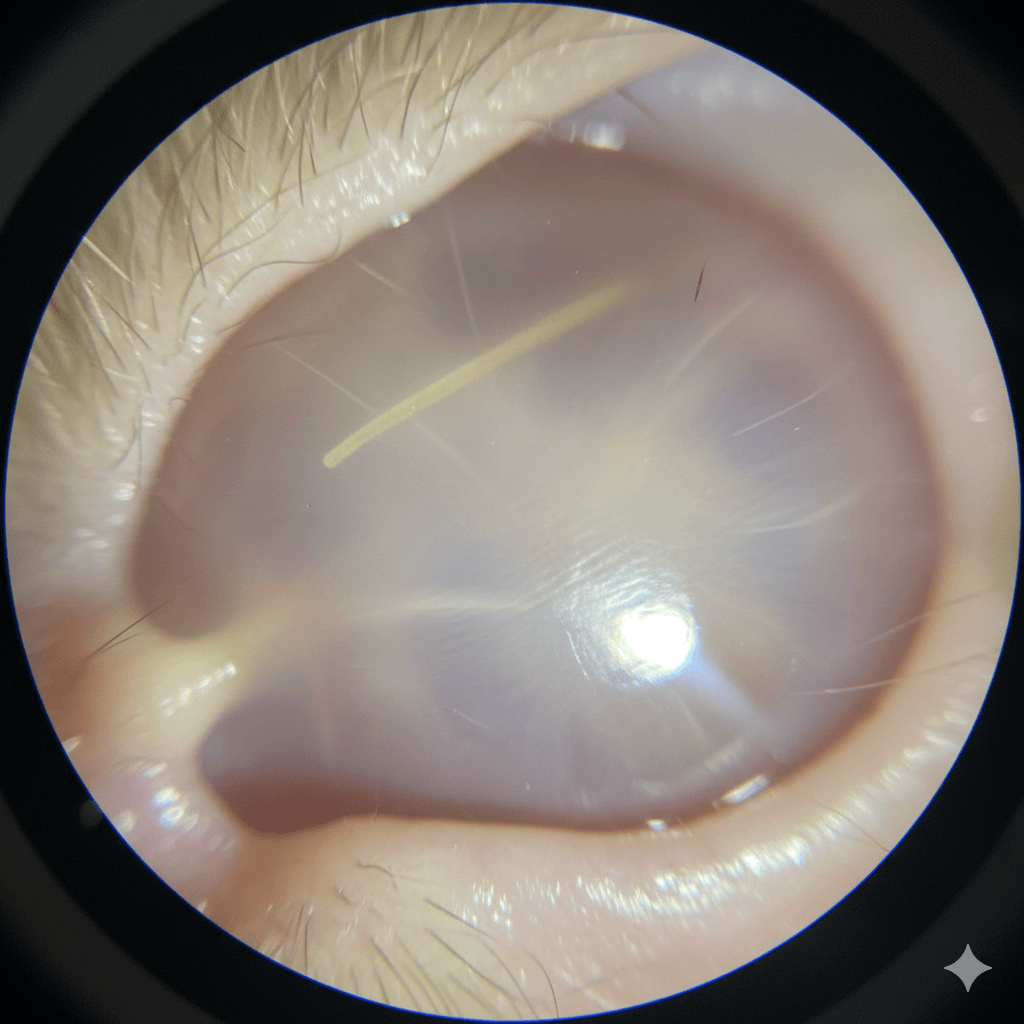
Cat Tympanic Membrane: Best 7 Expert Tips! – Learn how to protect your cat’s eardrum, spot issues early, and ensure lifelong auditory health.
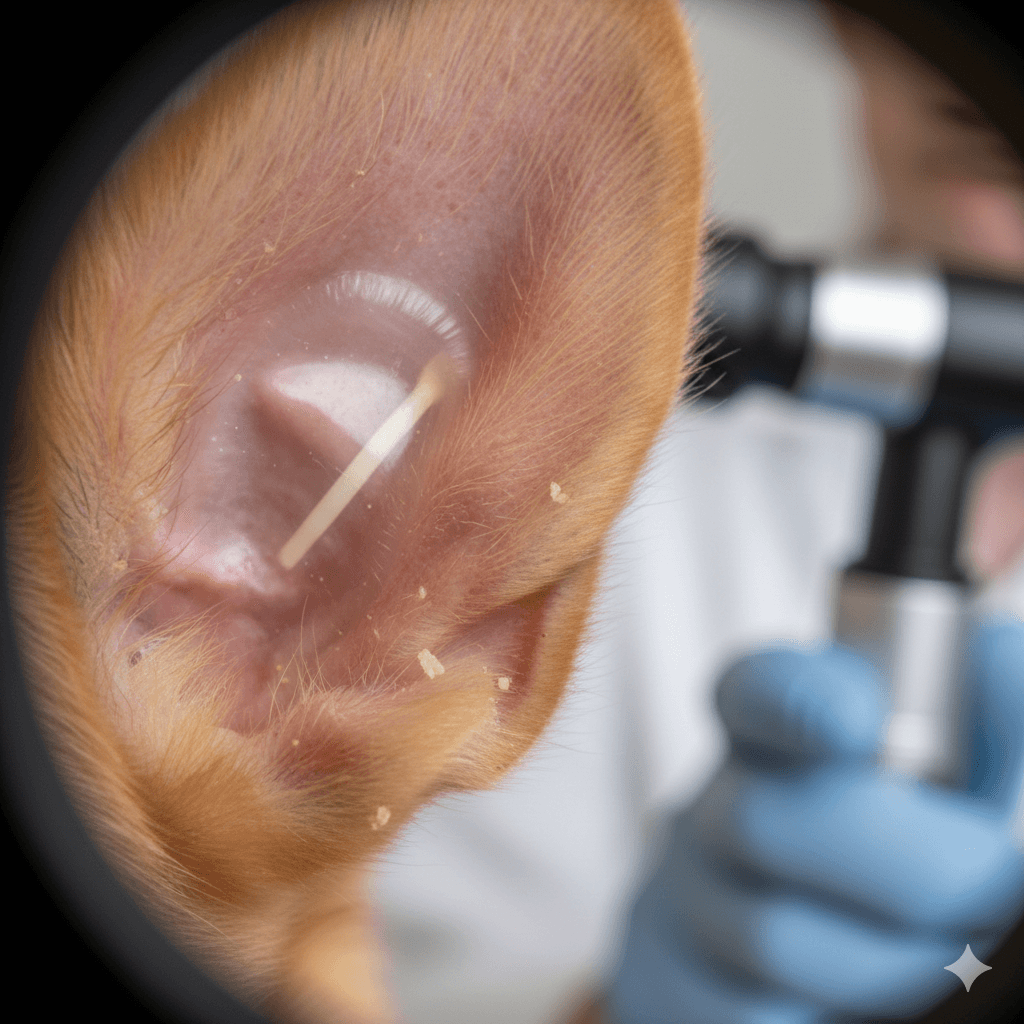
Dog Tympanic Membrane: Best 7 Expert Tips! – Learn how to protect your dog’s eardrum, spot issues early, and ensure lifelong ear health with expert advice.