
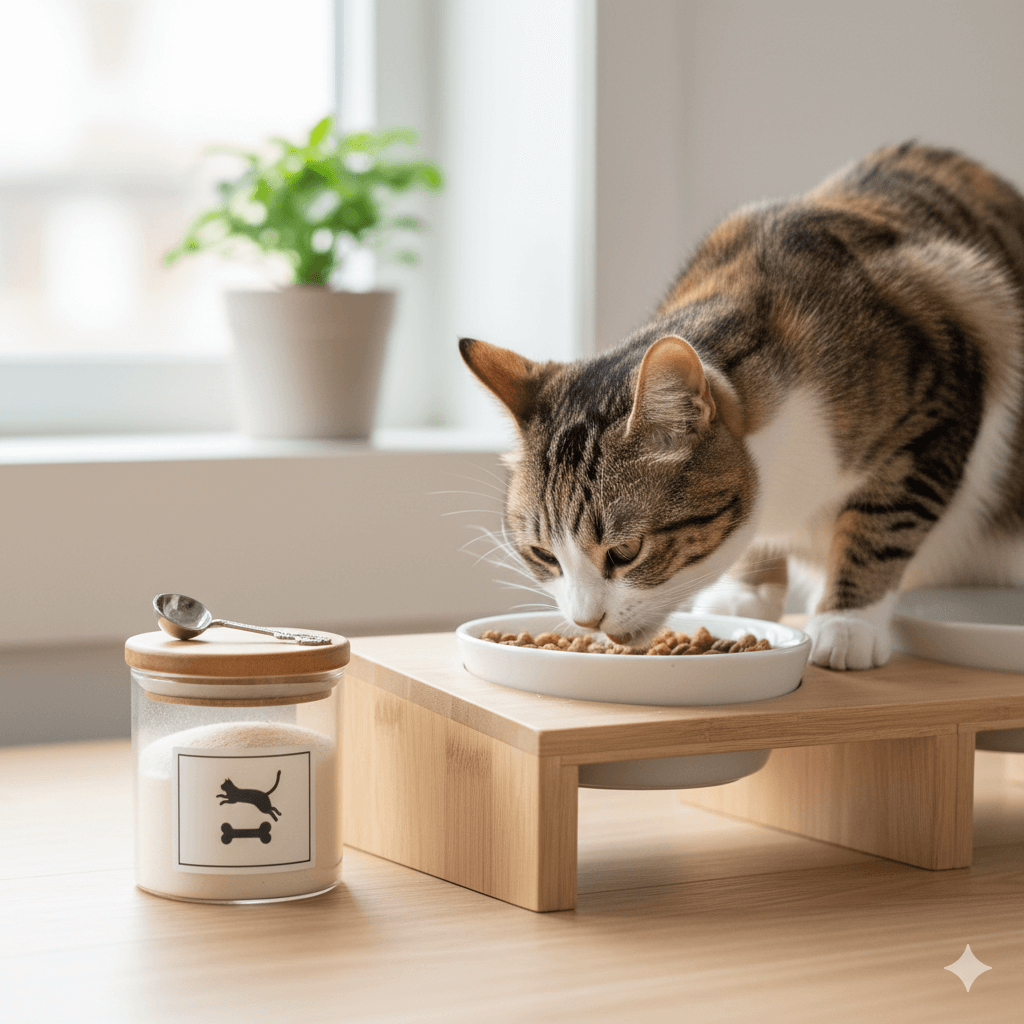
Understanding Bone Supplement for Cats: Best 7 Expert Tips!
Caring for your cat’s skeletal health goes far beyond just feeding quality kibble—especially as they age or face dietary imbalances. Bone supplements for cats can play a vital role in maintaining strong bones, healthy joints, and overall mobility. Whether you’re supporting a senior cat, a growing kitten, or a feline with specific nutritional gaps, choosing the right supplement requires knowledge and care. Not all products are created equal, and some ingredients may do more harm than good. With the right guidance, however, you can make informed choices that contribute to your cat’s long-term vitality—keeping them leaping, stretching, and purring with comfort for years to come.
Why Bone Health Matters for Cats
Strong bones are foundational to your cat’s agility, balance, and quality of life. Unlike dogs, cats are obligate carnivores with unique mineral needs—especially when it comes to calcium and phosphorus ratios, which must be carefully balanced.
- Natural Skeletal Demands:
Cats are built for climbing, leaping, and sudden bursts of motion—activities that place constant stress on their bones and joints. - Calcium-Phosphorus Balance Is Critical:
An improper ratio (ideally 1.2:1 to 1.3:1 calcium to phosphorus) can lead to bone resorption, weakness, or even metabolic bone disease. - Risk Increases with Age:
Senior cats often absorb fewer nutrients, making supplementation necessary to prevent osteoporosis or fractures. - Homemade Diets Often Lack Balance:
Raw or home-cooked meals frequently miss key bone-supporting minerals unless properly formulated with supplements. - Kittens Need Structured Support:
Growing kittens require precise calcium levels—too little causes deformities; too much disrupts bone development.
Without adequate bone nutrition, even the most active cat can develop hidden weaknesses that surface as pain, lameness, or reduced mobility later in life.
Key Ingredients to Look for in Bone Supplements
Not all bone supplements deliver what they promise. The most effective formulas contain bioavailable, species-appropriate nutrients backed by veterinary nutrition science.
- Calcium from Whole Food Sources:
Look for eggshell calcium, bone meal (from verified clean sources), or calcium citrate—more digestible than chalk-based calcium carbonate. - Phosphorus in Proper Proportion:
Reputable supplements include phosphorus or are designed to complement diets already containing it, ensuring the correct Ca:P ratio. - Vitamin D3 (Cholecalciferol):
Essential for calcium absorption—cats cannot synthesize enough from sunlight alone and require dietary D3. - Magnesium and Vitamin K2:
These support bone mineralization and help direct calcium into bones (not arteries or soft tissues). - Trace Minerals Like Boron and Zinc:
Often overlooked, these aid collagen formation and bone density, especially in aging cats.
Always verify that the supplement is formulated specifically for felines—human or dog bone formulas can be toxic or unbalanced for cats.
Check this guide 👉The Role of Cat Vitamins in Feline Health: Best 7 Tips!
Check this guide 👉Can Cats Eat Vitamin D? Best 7 Expert Tips!
Check this guide 👉Can Cats Eat Soybean Oil? Best 7 Expert Tips!
Bone Health Indicators | Supplement Consideration Triggers |
|---|---|
Strong teeth and nails | Feeding a raw or home-cooked diet |
Normal gait and posture | Kittens under 12 months on non-commercial food |
No history of fractures | Senior cats showing stiffness or reluctance to jump |
Healthy blood calcium levels | Pregnant or lactating queens |
Active, confident movement | Cats diagnosed with osteopenia or CKD |
When Your Cat Might Need a Bone Supplement
While commercial cat foods are generally balanced, certain life stages or health conditions increase the need for additional skeletal support.
- Feeding a Homemade or Raw Diet:
Unless meticulously balanced by a veterinary nutritionist, these diets almost always require added bone minerals. - Pregnant or Nursing Queens:
They lose significant calcium through milk production and may develop eclampsia without proper supplementation. - Senior Cats Over Age 10:
Decreased gut absorption and kidney function impair mineral uptake, increasing fracture risk. - Cats with Chronic Kidney Disease (CKD):
These cats often develop renal secondary hyperparathyroidism, requiring careful phosphorus binders and calcium management. - Post-Fracture or Orthopedic Surgery Recovery:
Targeted supplementation can accelerate healing and prevent future bone loss during immobility.
Never start supplementation without consulting your vet—excess calcium can cause serious health issues, especially in cats with urinary or kidney concerns.
Common Mistakes to Avoid When Supplementing
Well-meaning cat owners often unknowingly harm their pets by using inappropriate or excessive bone supplements—sometimes with irreversible consequences.
- Using Human Calcium Pills:
These often contain vitamin D2 (ergocalciferol), which cats cannot utilize, or unsafe fillers like xylitol. - Adding Bone Meal Without Testing Diet Balance:
Over-supplementation can cause hypercalcemia or urinary stones—especially dangerous in male cats. - Ignoring Phosphorus in the Diet:
Supplementing calcium alone without assessing phosphorus intake disrupts the critical mineral ratio. - Choosing “Natural” Products Without Third-Party Testing:
Some bone meal or eggshell powders may contain heavy metals, bacteria, or inconsistent nutrient levels. - Assuming All Commercial Foods Are Sufficient:
Low-quality kibble may meet minimums but lack bioavailable forms or cofactors needed for true bone health.
Always work with a veterinarian or board-certified veterinary nutritionist before adding any bone supplement to your cat’s regimen.
Top 7 Expert Tips for Choosing a Safe & Effective Bone Supplement
Selecting the right product requires more than reading labels—it demands understanding feline physiology and nutritional science.
- Prioritize AAFCO or WSAVA Compliance:
Choose supplements that align with guidelines from veterinary nutritional authorities. - Opt for Powder or Liquid Over Pills:
Powders mix easily into wet food and are better absorbed; pills often get spit out by discerning cats. - Check for Third-Party Certifications:
Look for NSF, NASC, or independent lab testing to ensure purity and accurate dosing. - Avoid Added Flavors, Colors, or Fillers:
Cats don’t need palatability enhancers—these often include allergens or unnecessary sugars. - Match the Supplement to Your Cat’s Diet Type:
A raw-fed cat needs a different formula than one eating prescription renal food. - Start with a Low Dose and Monitor:
Introduce gradually and watch for changes in litter box habits, appetite, or energy levels. - Pair with Regular Blood Work:
Annual panels (including ionized calcium and phosphorus) help ensure supplementation isn’t causing imbalances.
The best supplement isn’t the most expensive—it’s the one that fits your individual cat’s diet, age, and health status.
Special Considerations for Kittens, Seniors, and Cats with Medical Conditions
Bone needs shift dramatically across a cat’s lifespan—and even more so with illness. One-size-fits-all approaches simply don’t work.
- Kittens (0–12 months):
Require precisely balanced calcium for growth plates; excess can cause knuckling or limb deformities. - Adult Cats (1–7 years):
Usually meet needs through commercial food unless diet is unbalanced—supplements rarely needed without vet guidance. - Senior Cats (8+ years):
Often benefit from joint-support blends that include glucosamine alongside bone minerals to address mobility holistically. - Cats with Hypercalcemia:
Should never receive calcium supplements—this can worsen heart or kidney strain. - Cats on Prescription Diets:
Many therapeutic foods (e.g., for urinary or kidney health) already contain adjusted mineral levels; adding supplements can be dangerous.
Tailoring supplementation to your cat’s unique profile is the hallmark of responsible, proactive care.
What to Expect During a Veterinary Nutrition Consult
If you’re considering bone supplements, a vet visit focused on nutrition can prevent mistakes and personalize your plan.
- Diet History Review:
Your vet will analyze everything your cat eats—brands, portions, treats, and table scraps—to assess current mineral intake. - Physical Assessment:
Checking teeth, gait, muscle mass, and joint flexibility helps identify early signs of bone or joint compromise. - Blood and Urine Testing:
Ionized calcium, phosphorus, PTH, and kidney values reveal whether supplementation is safe and necessary. - Personalized Supplement Recommendation:
Instead of guessing, you’ll get a vet-approved product and exact dosing instructions. - Follow-Up Plan:
Rechecks in 4–8 weeks ensure the supplement is working without causing side effects.
This consultation isn’t a luxury—it’s an investment in your cat’s structural health and long-term comfort.
Frequently Asked Questions About Bone Supplement for Cats
Can I give my cat ground eggshells as a calcium source?
Yes—when prepared correctly (baked, finely ground, and dosed accurately)—eggshells provide bioavailable calcium, but always calculate based on your cat’s total diet.
Is bone meal safe for cats?
Only if sourced from reputable, pathogen-tested suppliers. Contaminated bone meal can contain lead, arsenic, or bacteria like Salmonella.
Do indoor cats need bone supplements?
Generally no—if eating a complete commercial diet. Supplements are only needed if the diet is unbalanced or a medical condition exists.
Can too much calcium cause urinary stones in cats?
Yes, especially in male cats. Excess calcium increases risk of calcium oxalate stones, which require surgical removal.
How do I know if my cat has a calcium deficiency?
Signs include muscle tremors, weakness, seizures, or bowed legs in kittens—but blood tests are needed for accurate diagnosis.
Nurturing Your Cat’s Strength from the Inside Out
Your cat’s ability to pounce, stretch, and curl up with grace relies on a silent foundation: healthy bones. By approaching bone supplementation with care, science, and respect for your cat’s unique biology, you honor their natural design and support a lifetime of vitality. Whether you’re raising a curious kitten or caring for a wise senior, the right nutritional choices today can prevent pain and preserve mobility tomorrow. Remember, true wellness isn’t just about what’s on the surface—it’s built, day by day, from the ground up. And in that quiet strength, your cat finds the freedom to live fully, fearlessly, and with all the joy their little heart can hold.
Understanding Bone Supplement for Cats: Best 7 Expert Tips! – Safe, vet-approved guidance for strong feline bones & balanced nutrition.
Bone Supplement for Dogs: Best 7 Expert Tips! – Expert guide to calcium, collagen & bone health for every life stage.
Understanding Can Cats Get Sunburn: Best 7 Expert Tips! – Protect your feline from UV damage with vet-backed prevention strategies.

How to Train a Seizure Alert Dog: Best 7 Expert Tips! – Learn expert-backed steps to nurture natural instincts into reliable, life-saving seizure alerts.