
How to Train a Seizure Alert Dog: Best 7 Expert Tips!
Seizure alert dogs offer life-changing support for individuals with epilepsy or other seizure disorders—providing early warnings, safety during episodes, and emotional reassurance. While some dogs naturally sense seizures, turning that instinct into reliable, trained behavior takes patience, structure, and deep understanding. Whether you’re working with a professional or guiding your own dog, the journey requires consistency, empathy, and science-backed methods. With the right approach, your canine companion can become a vigilant, calm, and trusted guardian during vulnerable moments.
Understanding What a Seizure Alert Dog Actually Does
Not all seizure response dogs are alert dogs—and the distinction matters. True seizure alert dogs detect seizures before they happen, often through subtle scent or behavioral cues humans can’t perceive. This proactive ability must be carefully nurtured and verified, not assumed. Here’s what defines their real-world role:
- Natural Detection Ability:
Some dogs display an innate sensitivity to biochemical changes preceding seizures—often shown through staring, pawing, whining, or close proximity. - Alert vs. Response Tasks:
Alerting happens before the seizure (e.g., nudging, barking); response occurs during/after (e.g., fetching help, positioning under the handler’s head). - Not All Dogs Can Alert:
Only a small percentage of dogs develop reliable pre-seizure detection—training enhances instinct but can’t create it from scratch. - Medical Documentation Is Key:
To be recognized legally (e.g., under ADA guidelines), the dog must perform specific, trained tasks—not just offer comfort. - Requires Medical Partnership:
Successful training often involves collaboration with neurologists or seizure diaries to confirm timing and accuracy of alerts.
While the idea of a seizure alert dog is powerful, realistic expectations and professional validation are essential for ethical, effective outcomes.
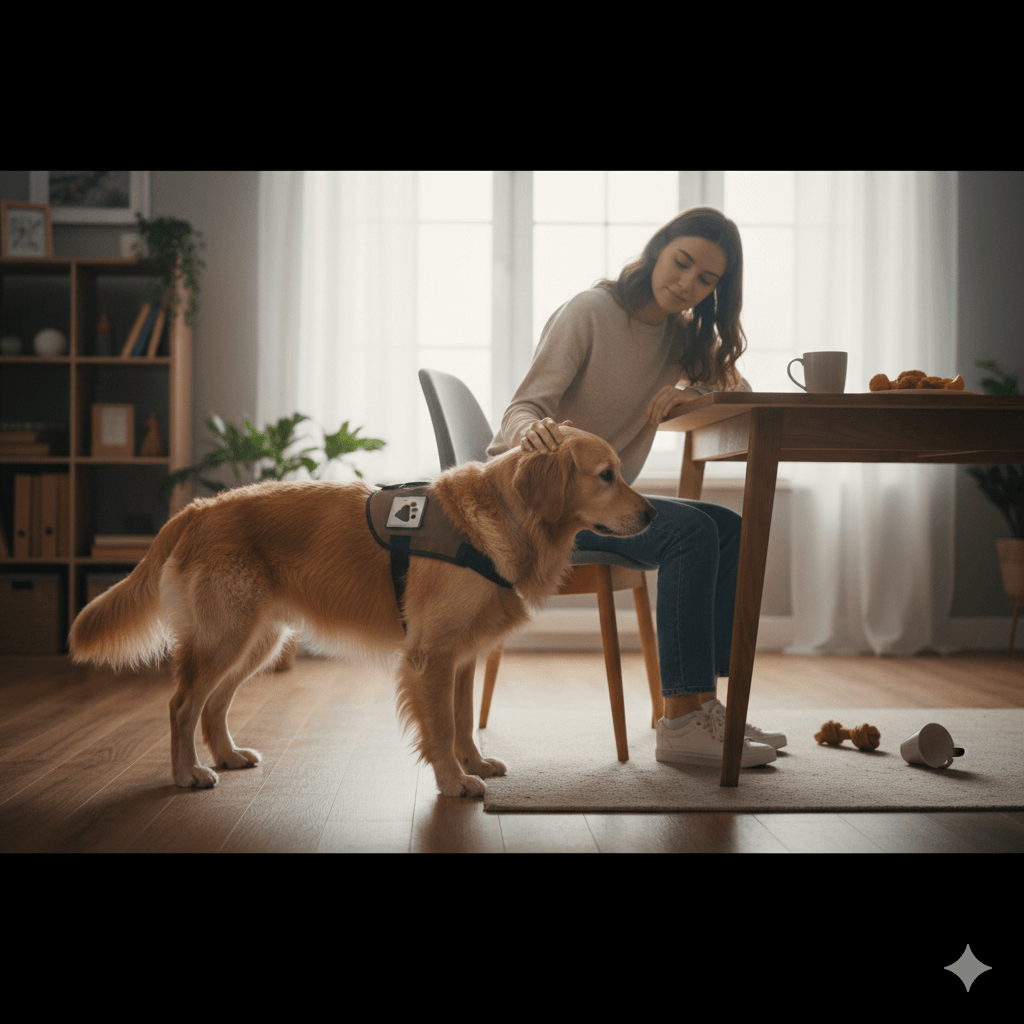
Choosing the Right Dog for Seizure Alert Work
Temperament, health, and sensory acuity matter far more than breed—but some traits significantly increase success potential. The ideal candidate is observant, calm under pressure, and deeply bonded to their handler. Consider these factors carefully:
- Strong Human Bonding Instinct:
Dogs that naturally monitor their person’s state—checking in, mirroring emotions—are more likely to notice subtle seizure precursors. - Calm and Resilient Temperament:
A dog that startles easily or becomes anxious during medical episodes may not cope well with real-world seizure environments. - Scent and Observation Sensitivity:
Breeds like Labrador Retrievers, Golden Retrievers, Standard Poodles, or German Shepherds often excel due to their focus and olfactory acuity. - Age Matters:
Puppies can be raised for this role, but many successful alert dogs are adults who spontaneously began alerting—then were formally trained. - Health and Longevity:
Choose a dog from healthy lines with low risk of hip dysplasia, allergies, or anxiety—physical and mental stamina are critical for service work.
The right dog isn’t just smart—they’re emotionally attuned, stable, and willing to stay present during distress.
Check this guide 👉Best Seizure Alert Dog Breeds: Best 7 Expert Tips!
Check this guide 👉What Does a PTSD Service Dog Do? Best 7 Expert Tips!
Check this guide 👉Tactile Stimulation Service Dog: Best 7 Expert Tips!
Natural Alert Indicators | Essential Training Foundations |
|---|---|
Staring intensely before a seizure | Positive reinforcement for early cues |
Licking or pawing at handler’s arm | Ignoring distractions during episodes |
Whining or restless pacing | Reliable recall in public spaces |
Refusing to leave handler’s side | Task chaining (e.g., alert → fetch phone) |
Changes in ear or tail posture | Generalization across environments (home, store, car) |
Step-by-Step Foundations for Seizure Alert Training
You cannot teach a dog to smell a seizure—but you can reinforce and shape their natural reactions into consistent, recognizable alerts. This process requires meticulous timing, documentation, and reward-based methods:
- Keep a Seizure Diary:
Log exact times, dog behaviors, and seizure types to identify patterns and confirm if alerts precede episodes by minutes or hours. - Capture and Reward Spontaneous Alerts:
The moment your dog shows a consistent pre-seizure behavior (e.g., nose nudge), mark it (“Yes!”) and reward generously—even mid-episode if safe. - Add a Signal Cue:
Once the behavior is reliable, pair it with a verbal or physical cue like “Tell me” to encourage the dog to alert on command during uncertain moments. - Build Task Chains:
After alerting, teach secondary tasks: press a medical alert button, retrieve medication, or block the handler from stairs using “brace” or “cover” commands. - Proof in Real Environments:
Practice in supermarkets, parks, and cars—ensuring your dog alerts regardless of noise, crowds, or distractions.
Consistency over weeks or months turns instinct into a dependable, life-saving skill—not a trick, but a deeply bonded form of communication.
Advanced Training: From Alert to Full Seizure Response
Once your dog reliably signals an upcoming seizure, expand their role to ensure safety during and after the event. These advanced tasks transform them from early-warning system to full-service guardian:
- Stay-in-Place During Seizure:
Train your dog to lie calmly beside you (not flee or panic) using “stay” reinforced with high-value rewards in simulated scenarios. - Retrieve Emergency Items:
Teach them to bring a phone, emergency med kit, or wearable alert device using scent discrimination or target training. - Activate Alert Systems:
Program your dog to press a large-button medical alarm or bark at a neighbor’s door using paw-target or “go get help” commands. - Post-Seizure Comfort Protocol:
Condition your dog to nuzzle, lick your face, or place their head on your chest to aid reorientation after an episode. - Crowd Control and Buffering:
In public, train your dog to “block” or stand between you and onlookers to create space and reduce stress during recovery.
These skills require months of gradual shaping—but they dramatically increase independence, safety, and emotional security for seizure-prone individuals.
Common Mistakes to Avoid in Seizure Alert Dog Training
Even well-intentioned handlers can unintentionally undermine their dog’s reliability. Avoid these pitfalls to maintain trust, accuracy, and legal recognition of your dog’s service role:
- Rewarding During the Seizure Itself (Inconsistently):
If you only reward after a seizure, the dog may learn to respond post-episode—not alert beforehand. Reinforce pre-seizure behaviors exclusively. - Ignoring False Alerts:
Occasional false alerts are normal, but if they become frequent, review your diary—stress or anxiety may be mimicking seizure cues. - Skipping Public Access Training:
A dog that alerts perfectly at home but panics in stores isn’t a functional service dog. Public access is non-negotiable. - Using Punishment or Pressure:
Fear-based methods destroy the dog’s willingness to communicate. Alerting must feel safe, voluntary, and rewarding. - Assuming All Breeds Are Equal:
High-drive, anxious, or easily distracted dogs (e.g., some terriers or sighthounds) may struggle with the calm vigilance this work requires.
Thoughtful, ethical training respects both the dog’s limits and the handler’s vulnerability—building a partnership, not performance.
Legal Rights, Certification, and Realistic Expectations
In the U.S., seizure alert dogs are protected under the Americans with Disabilities Act (ADA)—but only if they perform trained tasks that mitigate a disability. Understanding your rights—and responsibilities—is crucial:
- No Official “Certification” Required:
The ADA does not require registration, vests, or ID cards—only that your dog is task-trained and under control in public. - Businesses Can Ask Two Questions:
“Is this a service dog?” and “What task is it trained to perform?” You do not need to disclose your medical condition. - Housing and Air Travel Protections:
Under Fair Housing Act and DOT rules, legitimate service dogs must be accommodated—even in no-pet buildings or cabins. - Beware of Online “Registration” Scams:
Paid registries offer no legal standing. Focus on training, not paperwork. - Not Every Dog Qualifies:
If your dog alerts inconsistently or lacks public manners, they may be an emotional support animal (ESA)—which has fewer legal rights.
Know the law, prioritize genuine task training, and advocate confidently—but never misrepresent your dog’s abilities.
Essential Tools and Resources for Seizure Alert Dog Training
Successfully training a seizure alert dog isn’t just about time and patience—it’s also about using the right tools to reinforce behaviors, document progress, and ensure safety. Having these resources on hand streamlines the process and supports both you and your dog through every stage of training:
- Seizure Diary or Mobile App:
Use a dedicated log (like Seizure Tracker or Epsy) to record episodes, dog behaviors, timing, and environmental factors—critical for identifying true alert patterns. - High-Value Training Treats:
Soft, smelly, low-calorie rewards (e.g., freeze-dried liver or boiled chicken) help capture attention during short, focused sessions without overfeeding. - Target Stick or Nose Target Mat:
These guide your dog to perform precise actions like pressing an emergency button or staying in position during a seizure simulation. - Service Dog Vest or ID Patch:
While not legally required, a vest clearly signals your dog’s working status in public—reducing distractions and reinforcing “work mode” behavior. - Clicker or Verbal Marker (e.g., “Yes!”):
A consistent marker helps your dog instantly connect their alert behavior with a reward, even if the seizure hasn’t started yet.
With the right toolkit, you create a structured, supportive environment where your dog’s natural instincts can flourish into reliable, life-saving alerts.
Frequently Asked Questions About Seizure Alert Dog Training
Can I train my own seizure alert dog?
Yes—many handlers successfully train their own dogs, especially if the dog already shows natural alerting behaviors. Professional guidance is highly recommended.
How long does it take to train a seizure alert dog?
Basic task training takes 6–18 months; reliable spontaneous alerting may emerge earlier or never develop—it depends on the individual dog.
Do seizure alert dogs work for all seizure types?
Most commonly for tonic-clonic or focal impaired awareness seizures; absence seizures may not produce detectable cues.
Are there breeds that are best for this work?
Labs, Goldens, Poodles, and Shepherds are popular due to temperament and trainability—but individual personality matters more than breed.
Can a dog alert to someone else’s seizures (not their handler’s)?
Rarely. Alerting is deeply tied to the dog’s bond with one specific person’s unique biochemical signature.
A Lifeline on Four Legs
A well-trained seizure alert dog is more than a pet—they’re a vigilant partner, a calm presence in chaos, and a source of profound emotional safety. While the training journey demands time, honesty, and deep collaboration with your dog, the reward is immeasurable: the quiet confidence that someone always has your back, even before you know you’re in danger. Whether you’re raising a puppy or shaping a spontaneous alert into a reliable signal, remember that this work is built on mutual trust, not commands. In the end, your seizure alert dog doesn’t just detect seizures—they restore dignity, independence, and peace of mind, one gentle nudge at a time.

Understanding Bone Supplement for Cats: Best 7 Expert Tips! – Safe, vet-approved guidance for strong feline bones & balanced nutrition.

Bone Supplement for Dogs: Best 7 Expert Tips! – Expert guide to calcium, collagen & bone health for every life stage.

Understanding Can Cats Get Sunburn: Best 7 Expert Tips! – Protect your feline from UV damage with vet-backed prevention strategies.
How to Train a Seizure Alert Dog: Best 7 Expert Tips! – Learn expert-backed steps to nurture natural instincts into reliable, life-saving seizure alerts.