
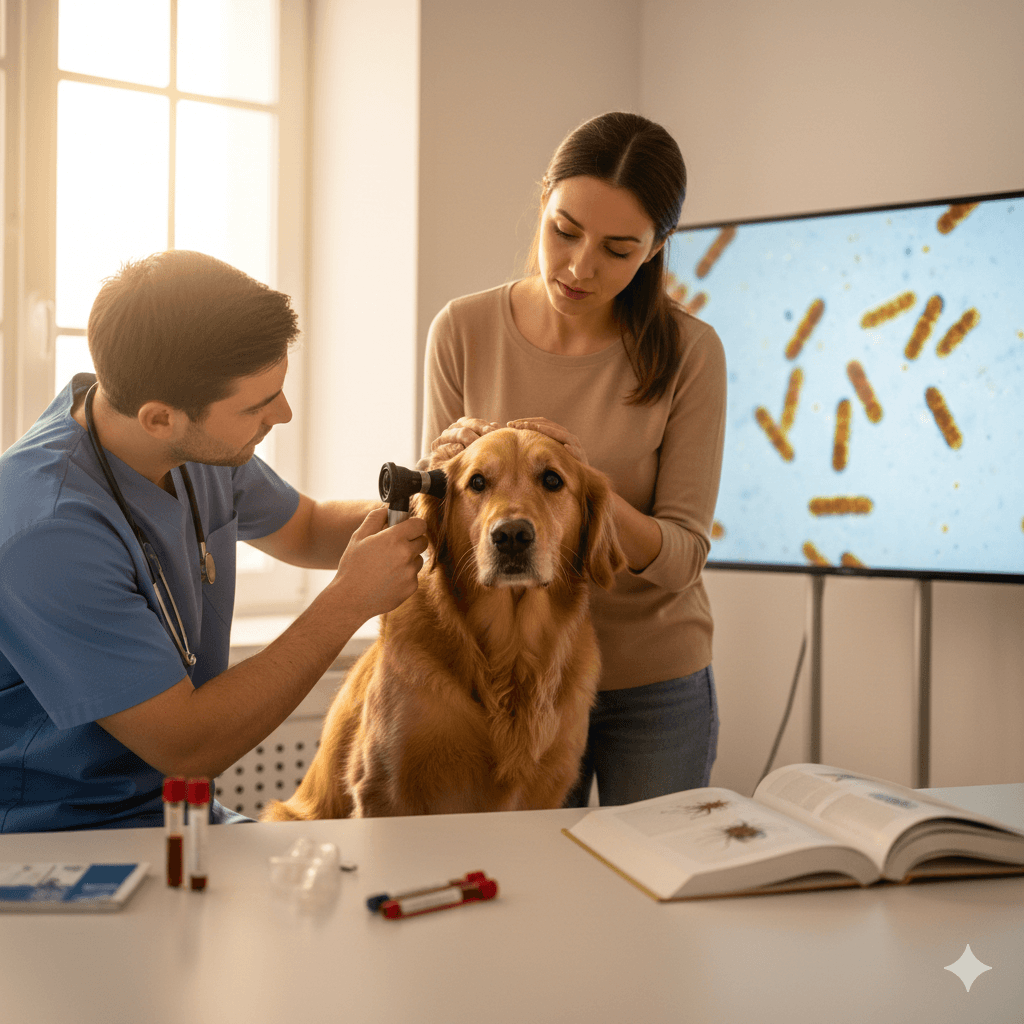

Understanding Ehrlichia in Dogs: Best 7 Expert Tips!
If your dog seems unusually tired, runs a fever, or shows signs of bruising, Ehrlichia—a tick-borne infection—could be the cause. Often overlooked in early stages, this bacterial disease can become serious if untreated. With prompt diagnosis and care, many dogs recover fully, but awareness is your first line of defense. From prevention to treatment, knowing what to watch for saves lives. This guide shares essential insights to protect your loyal companion from Ehrlichia and its complications.
Early Warning Signs of Ehrlichia Infection
Ehrlichia quietly invades your dog’s white blood cells, often flying under the radar until symptoms escalate. The acute phase typically appears 1–3 weeks after a tick bite and may mimic other illnesses. Recognizing these subtle cues early can lead to faster intervention and better outcomes:
- Fever with No Obvious Cause:
Your dog’s temperature may spike above 103°F (39.4°C) even without other clear signs of infection. - Lethargy or Depression:
A once-active dog may suddenly lose interest in walks, play, or interaction, appearing listless or withdrawn. - Loss of Appetite:
Reduced food intake is common as the body fights the infection, sometimes leading to rapid weight loss. - Swollen Lymph Nodes:
Palpable enlargement near the neck, behind the knees, or under the jaw can signal immune system activation. - Mild Respiratory Signs:
Occasional coughing or nasal discharge may occur, though not always present in early stages.
Many dogs appear to recover temporarily after this phase, entering a subclinical period—yet the infection may still be progressing internally.
When Ehrlichia Becomes Severe: Chronic Phase Symptoms
If untreated, Ehrlichia can advance to a chronic stage weeks or even months later, causing systemic damage. This phase is more dangerous and harder to treat, especially in breeds like Dobermans or German Shepherds, which are more susceptible to severe complications:
- Abnormal Bleeding or Bruising:
Low platelet counts lead to nosebleeds, gum bleeding, or purple spots on the skin (petechiae). - Pale Gums and Anemia:
Reduced red blood cells cause weakness, rapid breathing, and pale mucous membranes. - Joint Pain and Lameness:
Inflammation may cause shifting leg lameness or reluctance to stand or climb stairs. - Eye Inflammation or Vision Changes:
Uveitis or retinal hemorrhage can occur, sometimes leading to temporary or permanent vision issues. - Neurological Symptoms:
In rare cases, dogs may show tremors, seizures, or loss of coordination due to central nervous system involvement.
The chronic phase demands urgent veterinary care—delaying treatment risks long-term organ damage or fatality.
Check this guide 👉Hematuria in Dogs: Best 7 Expert Tips!
Check this guide 👉Arthrosis in Dogs: Best 7 Expert Tips!
Check this guide 👉Periodontal Disease in Dogs: Best 7 Expert Tips!
Acute Phase Indicators | Chronic Phase Red Flags |
|---|---|
Mild fever | Persistent high fever |
Temporary lethargy | Severe weakness or collapse |
Slight appetite loss | Refusal to eat for days |
Occasional cough | Labored breathing or coughing blood |
Enlarged lymph nodes | Unexplained bruising or bleeding |
How Ehrlichia Spreads: The Role of Ticks
Ehrlichia isn’t contagious between dogs or to humans—it spreads exclusively through infected ticks. Understanding transmission helps you break the cycle before your dog is exposed:
- Brown Dog Tick (Rhipicephalus sanguineus):
The primary carrier in the U.S., this tick thrives indoors and can infest homes, kennels, and cars. - Lone Star Tick (Amblyomma americanum):
Transmits Ehrlichia ewingii, especially in the Southeast and Midwest, often found in wooded or grassy areas. - Attachment Time Matters:
Ticks usually need 24–48 hours of feeding to transmit the bacteria—daily checks greatly reduce risk. - Year-Round Risk in Warm Climates:
In southern states, ticks remain active all year, making consistent prevention essential. - Indoor Dogs Aren’t Safe:
Brown dog ticks reproduce indoors, meaning even apartment dogs can be exposed without outdoor access.
Preventing tick bites remains the single most effective way to protect your dog from Ehrlichia infection.
Diagnostic Challenges and Testing Methods
Ehrlichia can mimic other diseases like Lyme, anaplasmosis, or immune disorders, making accurate diagnosis tricky. Vets rely on a combination of clinical signs and lab work to confirm the infection:
- Complete Blood Count (CBC):
Often reveals low platelets, anemia, or abnormal white blood cell counts—classic but not definitive signs. - Serology (Antibody Testing):
SNAP 4Dx or similar tests detect antibodies, but false negatives can occur early in infection. - PCR Testing:
More sensitive in early stages, PCR identifies Ehrlichia DNA in blood samples for precise confirmation. - Timing Affects Accuracy:
Antibodies may take 2–3 weeks to develop, so retesting may be needed if initial results are negative but suspicion remains. - Rule-Out Other Conditions:
Your vet may test for co-infections (like babesia) or non-infectious causes of similar symptoms.
Early and accurate diagnosis dramatically improves prognosis—don’t hesitate to request testing if your dog shows unexplained illness after potential tick exposure.
Treatment Protocols and Recovery Outlook
Doxycycline is the gold-standard antibiotic for Ehrlichia and is highly effective when started early. Most dogs begin improving within 24–72 hours, but full treatment duration is critical to prevent relapse:
- Standard Antibiotic Course:
Doxycycline is given for 28–30 days, even if symptoms resolve sooner, to fully clear the bacteria. - Supportive Care for Severe Cases:
Dogs with anemia or bleeding may need blood transfusions, IV fluids, or hospitalization. - Pain and Anti-Inflammatory Management:
NSAIDs or other meds may be used cautiously (never with doxycycline without vet approval). - Monitoring During Recovery:
Follow-up blood tests ensure platelet counts and organ function return to normal. - Long-Term Prognosis:
Acute cases often recover fully; chronic cases may have lingering effects but can still enjoy good quality of life with care.
Consistency in treatment and follow-up is essential—stopping antibiotics early risks antibiotic resistance or relapse.
Prevention Strategies That Actually Work
Stopping Ehrlichia starts with keeping ticks off your dog. Effective prevention blends product use, environmental control, and owner vigilance:
- Monthly Tick Preventatives:
Use vet-recommended topical, oral, or collar-based products (e.g., Bravecto, NexGard, Seresto). - Daily Tick Checks:
Run your hands over your dog’s body—especially ears, between toes, and under the collar—after outdoor time. - Yard and Home Tick Control:
Keep grass short, remove leaf litter, and consider professional pest treatments in high-risk areas. - Avoid Tick Hotspots:
Stay on trails during walks and avoid tall grass, brush, or wooded edges during peak tick season. - Year-Round Protection:
Don’t skip preventatives in winter—ticks can emerge on mild days and survive indoors year-round.
Prevention isn’t just seasonal—it’s a daily commitment to your dog’s long-term health and comfort.
Special Considerations for High-Risk Dogs
Some dogs face greater danger from Ehrlichia due to breed, age, or immune status. Extra precautions can mean the difference between mild illness and life-threatening crisis:
- Doberman Pinschers and German Shepherds:
These breeds are prone to severe, sometimes fatal, chronic Ehrlichia due to genetic immune responses. - Immunocompromised or Senior Dogs:
Older dogs or those on steroids may not mount a strong immune response, leading to rapid progression. - Dogs in Endemic Areas:
Southern, southeastern, and southwestern U.S. regions report higher Ehrlichia rates—vigilance is non-negotiable. - Previously Infected Dogs:
Past infection doesn’t guarantee immunity; reinfection is possible and may be more severe. - Puppies with Immature Immunity:
While less commonly affected, young dogs can develop complications if infected early.
For these vulnerable groups, proactive testing (even without symptoms) and strict tick control are lifesaving measures.
Frequently Asked Questions About Ehrlichia in Dogs
Can humans get Ehrlichia from their dogs?
No—Ehrlichia spreads only through tick bites, not direct contact with infected dogs. However, both you and your pet can be exposed to the same ticks.
How long does treatment take to work?
Most dogs show improvement within 1–3 days of starting doxycycline, but the full 4-week course must be completed.
Is Ehrlichia curable?
Yes, especially when caught early. Chronic cases may require extended treatment but often respond well.
Can my dog get Ehrlichia more than once?
Yes—previous infection doesn’t provide lasting immunity, so ongoing prevention is essential for life.
Should I test my dog annually for Ehrlichia?
Absolutely, especially in tick-prone areas. Annual SNAP 4Dx tests include Ehrlichia screening and are a vital part of wellness care.
Protecting Your Dog from Ehrlichia—Now and for Life
Ehrlichia in dogs is more than a seasonal concern—it’s a serious, potentially life-altering infection that thrives where ticks roam. Yet with knowledge, vigilance, and consistent prevention, you can shield your companion from its worst effects. Remember, the signs may be subtle at first, but your attention could catch it before it becomes critical. By combining smart tick control, routine testing, and prompt treatment when needed, you give your dog the best chance at a long, vibrant life.
In the quiet moments of a tick check or the routine of monthly prevention, you’re not just being cautious—you’re being their hero. And that’s the kind of care that echoes in every wag, every sprint, and every peaceful nap by your side.
Cat Wheat Allergies: Best 7 Expert Tips! – Discover symptoms, dietary solutions, and prevention strategies to manage your cat’s wheat allergy effectively.
Wheat Allergies in Dogs: Best 7 Expert Tips! – Learn to spot symptoms, manage diets, and improve your dog’s health with expert advice on wheat allergies.
How Much Does a Mastiff Dog Weigh? Best 7 Expert Tips! – Discover the ideal weight range, growth patterns, and health tips to keep your Mastiff happy and strong.
Amino Acids for Cats: Best 7 Expert Tips! – Discover the essential amino acids your cat needs, their benefits, and how to ensure a balanced diet for optimal health.


