
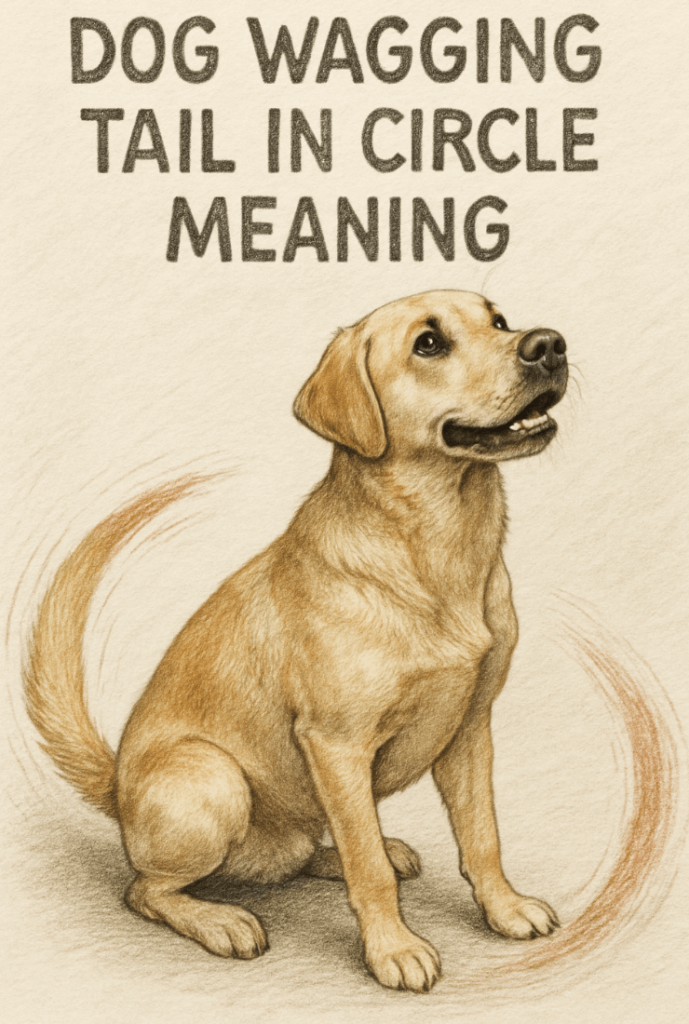

Dog Wagging Tail in Circle: What Does It Mean?
Dogs communicate with us in countless ways, and one of the most expressive forms of canine body language is tail wagging. While a simple side-to-side wag often signifies happiness, more complex movements—like a dog wagging its tail in a circle—can carry deeper meanings. This unique behavior might leave you wondering what your furry friend is trying to tell you. Is it excitement, anxiety, or something else entirely? In this blog post, we’ll decode the meaning behind a circular tail wag, explore the emotions and contexts that trigger it, and provide tips on how to respond appropriately. By understanding your dog’s signals, you can strengthen your bond and ensure their needs are met.
What Does a Circular Tail Wag Indicate?
A dog wagging its tail in a circle is a fascinating and nuanced form of communication. The context and accompanying behaviors can help you interpret what your dog is feeling. Here are some common interpretations of this unique tail movement.
Excitement and Joy:
A circular wag often occurs when your dog is thrilled to see you or anticipates something fun, like a walk or playtime.Playfulness and Energy:
Dogs may use a circular wag as an invitation to engage in play, especially if paired with a playful bow or bouncy movements.Nervousness or Uncertainty:
In some cases, a circular wag can indicate anxiety or discomfort, particularly if the dog is in an unfamiliar or stressful situation.Submission or Friendliness:
When meeting new people or animals, a circular wag might signal a desire to be friendly and non-threatening.Overstimulation or Stress:
If the wag is fast and frantic, it could mean your dog is overwhelmed by too much sensory input or excitement.
Understanding these nuances helps you respond appropriately to your dog’s emotional state and ensure their comfort.
Factors That Influence Tail Wagging Behavior
Several factors can influence why a dog wags its tail in a circle, from their personality to external stimuli. Recognizing these influences provides greater insight into their behavior.
Breed Characteristics:
Some breeds, like retrievers and herding dogs, naturally have more active and expressive tails, making circular wags more common.Environmental Stimuli:
Loud noises, unfamiliar scents, or sudden changes in their surroundings can trigger unique tail movements as a response.Social Interactions:
Meeting new people, pets, or even returning home after being apart can elicit enthusiastic circular wags.Physical Health:
Pain or discomfort in the tail or hindquarters might cause unusual wagging patterns, so monitor for signs of injury.Emotional State:
Your dog’s mood—whether happy, nervous, or excited—plays a significant role in how they express themselves through their tail.
By considering these factors, you can better understand the context behind your dog’s circular tail wag and respond with care.
Check this guide 👉Dog Tail Bleeding: Best 7 Health Tips!
Check this guide 👉Understanding Dog Tail Injuries: Best 7 Health Tips!
Check this guide 👉Why Does My Dog Put Their Tail Between Their Legs? Best 7 Tips
Positive Interpretations of Circular Tail Wagging | Negative or Concerning Signs |
|---|---|
Excitement during playtime | Fast, frantic wagging due to stress |
Happiness upon seeing their owner | Tail tucked low while wagging |
Friendly greeting toward strangers | Excessive wagging without clear reason |
Energetic anticipation of food or treats | Signs of pain or discomfort in posture |
Playful invitations for interaction | Unusual wagging patterns indicating illness |
How to Respond to a Dog Wagging Its Tail in a Circle
When your dog wags its tail in a circle, your response should align with their emotional state and the situation at hand. Here are some practical tips for handling this behavior effectively.
Engage in Play:
If the wag indicates excitement or playfulness, grab a toy or initiate a game of fetch to channel their energy positively.Provide Reassurance:
For signs of nervousness, offer gentle petting, soothing words, or remove them from the stressful environment.Observe Body Language:
Look beyond the tail wag to assess overall body posture, such as ear position and facial expressions, for additional clues.Avoid Overstimulation:
If the wag seems frantic, give your dog space to calm down and avoid overwhelming them with too much attention.Consult a Vet if Needed:
If the wagging seems abnormal or is accompanied by limping or lethargy, schedule a vet visit to rule out health issues.
Responding thoughtfully ensures your dog feels understood and supported in any situation.
Common Misconceptions About Tail Wagging
Misinterpreting tail wagging can lead to misunderstandings about your dog’s feelings. Clearing up these misconceptions helps you read their signals more accurately.
All Tail Wags Mean Happiness:
Not true—tail wagging can convey a range of emotions, including fear, anxiety, or uncertainty.Circular Wags Are Always Positive:
While often joyful, circular wags can also indicate stress or overstimulation depending on context.Tail Position Doesn’t Matter:
The height and speed of the wag provide valuable information; a high, stiff wag differs from a relaxed, low wag.Dogs Only Wag Their Tails Around People:
False—dogs wag their tails around other animals, during solo activities, or even when interacting with objects.You Can Ignore Subtle Tail Movements:
Even small wags or twitches can reveal important insights into your dog’s emotional state.
By dispelling these myths, you’ll become more attuned to your dog’s unique communication style.
How to Encourage Positive Tail Wagging
Encouraging healthy and happy tail wagging can enhance your dog’s well-being and strengthen your relationship. Use these strategies to promote positive associations.
Reward Good Behavior:
Praise and treat your dog when they wag their tail in response to positive interactions, reinforcing those behaviors.Create a Calm Environment:
Minimize stressors like loud noises or chaotic settings to reduce anxious tail wagging.Engage in Regular Play:
Interactive games and activities boost their mood and encourage joyful wagging.Practice Obedience Training:
Teaching commands builds confidence and reduces uncertainty, leading to calmer tail movements.Spend Quality Time Together:
Strengthen your bond through walks, cuddles, and shared experiences, which foster trust and happiness.
By fostering a supportive environment, you’ll see more positive tail wags and fewer signs of distress.
Signs Your Dog’s Tail Wagging May Be Problematic
While tail wagging is typically harmless, certain patterns or behaviors may indicate underlying issues. Watch for these warning signs.
Excessive Wagging Without Cause:
Constant wagging unrelated to stimuli could signal anxiety or compulsive behavior.Painful Movements:
Reluctance to move the tail or visible discomfort suggests injury or illness requiring veterinary attention.Unusual Tail Positions:
A consistently tucked or rigid tail may reflect fear, aggression, or physical problems.Changes in Wagging Patterns:
Sudden shifts in frequency or style warrant investigation, as they might point to stress or health concerns.Accompanying Symptoms:
Limping, lethargy, or changes in appetite alongside odd wagging require immediate evaluation.
Recognizing these red flags ensures timely intervention and keeps your dog healthy and content.
Fun Facts About Dog Tail Wagging
Tail wagging is not only functional but also full of intriguing quirks. Here are some fun facts about this beloved canine behavior.
Direction Matters:
Studies show that dogs wag their tails more to the right when happy and to the left when anxious.Tailless Breeds Communicate Differently:
Dogs without tails rely on other body language cues, like facial expressions and posture, to express themselves.Tail Wagging Strengthens Social Bonds:
Dogs use tail movements to communicate with humans and other animals, strengthening relationships.Puppies Learn Early:
Puppies begin wagging their tails as early as three weeks old, often to interact with littermates.Cultural Differences Exist:
Different regions and cultures interpret tail wagging uniquely, adding another layer of complexity.
These tidbits highlight the richness of canine communication and deepen your appreciation for your dog’s expressive tail.
Frequently Asked Questions About Dog Tail Wagging
Why does my dog wag its tail in circles?
A circular wag usually indicates excitement, playfulness, or sometimes nervousness, depending on the context.
Is a circular tail wag always a good sign?
No—it can also signal stress or overstimulation, so observe your dog’s overall body language.
Do all dogs wag their tails the same way?
No, tail wagging varies by breed, personality, and individual experiences.
Should I worry if my dog’s tail wag looks unusual?
Yes, if paired with signs of pain or behavioral changes, consult a vet to rule out medical issues.
Can I train my dog to stop excessive tail wagging?
Training focuses on addressing underlying causes, such as anxiety or excitement, rather than stopping the wag itself.
Decoding Your Dog’s Circular Tail Wag
A dog wagging its tail in a circle is more than just a quirky habit—it’s a window into their emotional world. Whether expressing joy, seeking attention, or signaling discomfort, this behavior reflects your dog’s attempt to communicate with you. By paying close attention to their body language, responding appropriately, and addressing potential concerns, you can nurture a stronger connection with your furry companion. Remember, every wag tells a story, and understanding those stories enriches the bond you share with your beloved pet.
Is Rawhide Bad for Cats? Best 7 Expert Tips! – Discover the risks, safe alternatives, and expert advice to keep your feline friend healthy and happy.

Is Rawhide Bad for Dogs? Best 7 Expert Tips! – Discover the risks, benefits, and safer alternatives to rawhides for your dog’s chewing needs.

Understanding Anorexia in Cats: Best 7 Expert Tips! – Learn why cats stop eating, spot warning signs, and discover how to help your feline regain appetite safely.

Understanding Anorexia in Dogs: Best 7 Expert Tips! – Learn causes, symptoms, and solutions to help your dog regain appetite and stay healthy.