
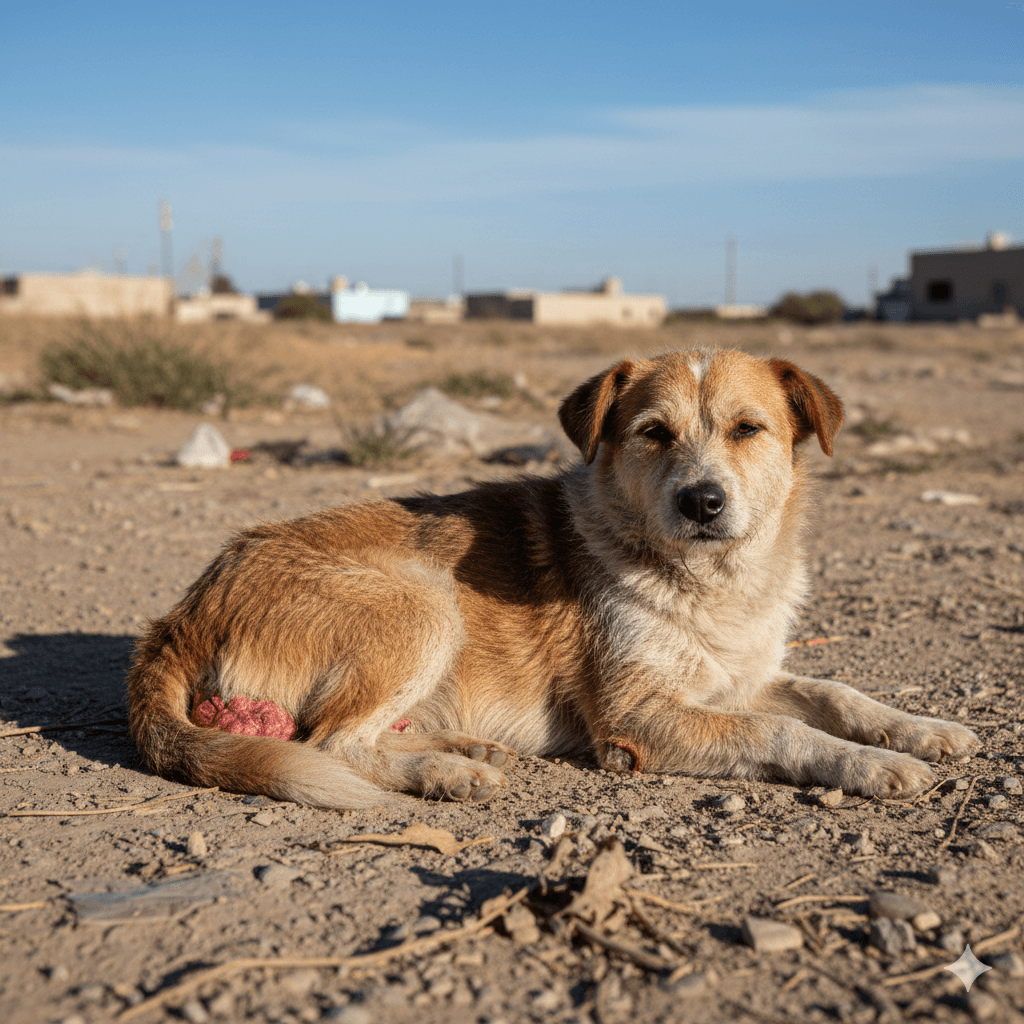

Understanding Dog Transmissible Venereal Tumor
If you’ve noticed unusual growths on your dog’s genitals or face, it could be a transmissible venereal tumor (TVT)—a rare but fascinating form of contagious cancer. Unlike most cancers, TVT spreads through direct physical contact, especially during mating. While it sounds alarming, this condition is often highly treatable with early intervention. Recognizing symptoms and understanding transmission can protect your dog and others. With proper veterinary care, most dogs recover fully and go on to live healthy lives.
Common Signs Your Dog May Have a Transmissible Venereal Tumor
TVT typically appears as visible, fleshy masses that may bleed, ooze, or cause discomfort. These tumors grow quickly but respond well to treatment if caught early. Watch for these telltale signs, especially in intact, free-roaming dogs:
- Genital Growths:
Soft, pink or red, cauliflower-like masses on the penis, prepuce, or vulva are the most common presentation. - Bleeding or Discharge:
Spontaneous bleeding or bloody discharge from the genital area—often noticed on bedding or during urination. - Licking or Irritation:
Excessive licking, chewing, or discomfort around the affected site due to itching or pain. - Facial or Oral Lesions (Less Common):
Tumors may appear on the nose, lips, or inside the mouth if spread through sniffing or licking. - Swollen Lymph Nodes:
Regional lymph nodes near the tumor site may become enlarged as the immune system responds.
While alarming in appearance, these tumors are rarely life-threatening when diagnosed and treated promptly.
How TVT Spreads: Transmission and Risk Factors
Unlike typical cancers, TVT is contagious and transfers through living cancer cells passed between dogs. Understanding how it spreads helps prevent infection in at-risk populations:
- Direct Physical Contact:
Mating is the primary route, but transmission can also occur through licking, sniffing, or biting affected areas. - Intact, Free-Roaming Dogs:
Unneutered dogs with outdoor access—especially in tropical or stray-heavy regions—are at highest risk. - Lack of Vaccination or Parasite Control:
While no vaccine exists, poor overall health can weaken immune defenses against tumor establishment. - Crowded or Unsanitary Environments:
Shelters, breeding facilities, or urban stray colonies increase exposure opportunities. - Delayed Spay/Neuter Practices:
Sexual maturity without sterilization extends the window for potential transmission.
Awareness of these pathways allows owners and communities to reduce incidence through responsible pet management.
Check this guide 👉Dog Tumor on Paw: Best 7 Expert Tips!
Check this guide 👉The Costs of Dog Tumor Removal: Best 7 Expert Tips!
Check this guide 👉Can Mammary Tumors Kill a Dog: Best 7 Expert Tips!
Behavioral & Environmental Risks | Biological & Health Factors |
|---|---|
Frequent mating with unknown partners | Immature or weakened immune system |
Roaming unsupervised in urban areas | Intact reproductive status |
Living in high-density dog populations | Young age (6 months to 4 years most common) |
Lack of regular veterinary check-ups | History of skin or mucosal injuries |
Inadequate socialization hygiene | Genetic predisposition (rare but possible) |
Diagnosis: How Vets Confirm TVT
Because TVT mimics other conditions like granulomas, papillomas, or fungal infections, accurate diagnosis is essential before treatment begins. Veterinarians use a combination of tools to confirm the presence of transmissible cancer cells:
- Cytology (Fine-Needle Aspirate):
A quick, minimally invasive test where cells are examined under a microscope—TVT cells have a distinctive “fried-egg” appearance. - Biopsy and Histopathology:
For ambiguous cases, a tissue sample provides definitive confirmation and rules out malignant cancers. - PCR Testing:
DNA analysis can identify the unique genetic signature of TVT, which is identical across global cases due to its clonal origin. - Imaging (If Metastasis Suspected):
X-rays or ultrasound check for rare spread to lymph nodes, skin, or internal organs. - Physical and Behavioral History:
Vets consider recent mating, roaming, or contact with strays to support a TVT diagnosis.
Early and accurate diagnosis ensures the right treatment—avoiding unnecessary surgery or misdirected therapies.
Treatment Options for Canine Transmissible Venereal Tumor
The good news? TVT is one of the most treatable canine cancers. Most dogs respond dramatically to therapy, often with complete remission after just a few treatments:
- Chemotherapy (Vinblastine):
The gold standard—given weekly via injection, it typically shrinks tumors within 2–4 weeks with minimal side effects. - Surgical Removal (Limited Use):
Only considered for small, localized tumors; high recurrence risk if cancer cells remain. - Radiation Therapy (Rare):
Reserved for chemotherapy-resistant or facial/oral cases where precision is needed. - Supportive Care:
Antibiotics for secondary infection, pain relief, and wound cleaning help comfort during recovery. - Isolation During Treatment:
Prevents transmission to other dogs until the tumor is fully resolved (usually 4–8 weeks).
With proper care, over 90% of dogs achieve full recovery—often without long-term complications.
Prevention Strategies to Protect Your Dog
While TVT isn’t preventable by vaccine, smart management drastically lowers your dog’s risk—especially in endemic regions like Latin America, Africa, or Southeast Asia:
- Spay or Neuter Early:
Eliminates mating behavior and reduces roaming, cutting transmission risk by over 95%. - Supervise Outdoor Time:
Keep dogs on leash or in secure yards to avoid contact with unknown or stray animals. - Avoid High-Risk Environments:
Steer clear of dog parks or shelters with poor health screening during outbreaks. - Routine Wellness Exams:
Include genital checks during annual visits—early detection means easier treatment. - Educate and Advocate:
Support community programs that spay/neuter strays, reducing reservoir populations.
Prevention isn’t just personal—it’s a collective effort to curb this unique disease in vulnerable communities.
Special Considerations for Strays, Rescues, and Breeding Dogs
TVT disproportionately affects certain groups, requiring tailored approaches for diagnosis, care, and ethical management:
- Stray or Community Dogs:
Often present with advanced tumors; public health initiatives using mobile clinics can provide mass treatment. - Recently Adopted Rescue Dogs:
Screen for genital or facial masses during initial vet visits—even if asymptomatic. - Breeding Animals:
Mandatory pre-breeding exams should include TVT screening to prevent spread through mating. - Dogs in Tropical Climates:
Higher prevalence means vets should consider TVT earlier in the diagnostic process. - Puppies or Seniors with TVT:
Rare but possible; these cases may need adjusted chemo doses or extra supportive care.
Compassionate, context-aware care ensures every dog—regardless of background—gets a fair chance at recovery.
What to Expect During and After Treatment
TVT treatment is generally straightforward, but knowing the timeline helps you support your dog through recovery:
- Initial Response (1–2 Weeks):
Tumors may temporarily swell or ulcerate before shrinking—this is normal and not a sign of worsening. - Full Regression (4–8 Weeks):
Most tumors vanish completely after 3–6 chemo sessions; follow-up cytology confirms clearance. - Low Recurrence Risk:
Once cured, dogs develop immunity and rarely get TVT again—natural protection lasts years. - Fertility After Recovery:
Mating ability usually returns post-treatment, but spaying/neutering is still strongly advised. - Monitoring for Metastasis (Rare):
In immunocompromised dogs, watch for new lumps—though spread occurs in <5% of cases.
Patience and consistency during this period lead to excellent long-term outcomes for nearly all patients.
“Canine transmissible venereal tumor (TVT) is a naturally transmissible cancer (ie, spread through direct transfer of cancer cells) affecting canids. The tumor cell is itself the infective agent.”
Frequently Asked Questions About Dog Transmissible Venereal Tumor
Is TVT contagious to humans or other pets?
No—TVT only spreads between dogs and cannot infect humans, cats, or other animals.
Can TVT go away on its own?
Rarely. Some immune-competent dogs may regress spontaneously, but treatment is strongly recommended to prevent spread.
Does TVT mean my dog has cancer for life?
No—TVT is a curable cancer. Once treated, it does not recur or turn into other cancers.
How long is a dog contagious with TVT?
From initial growth until full tumor resolution—typically 2–3 months without treatment, but only days to weeks with chemo.
Should I spay or neuter my dog after TVT?
Absolutely. It prevents reinfection, eliminates mating behavior, and supports long-term public health.
Supporting Your Dog Through TVT Treatment and Beyond
A diagnosis of transmissible venereal tumor can feel shocking—but it’s also one of the most hopeful cancer stories in veterinary medicine. With simple, effective treatment and responsible care, your dog can fully heal and return to a happy, healthy life. More than that, your actions help break the chain of transmission in your community, protecting other dogs from suffering.
Stay calm, follow your vet’s plan, and keep your dog isolated until cleared. In the end, this unusual disease reminds us how connected canine health is—and how compassion, science, and prevention can turn even a contagious cancer into a solvable problem. Your dog is counting on you, and with the right steps, they’ll soon wag their tail without a care in the world.
Is Rawhide Bad for Cats? Best 7 Expert Tips! – Discover the risks, safe alternatives, and expert advice to keep your feline friend healthy and happy.

Is Rawhide Bad for Dogs? Best 7 Expert Tips! – Discover the risks, benefits, and safer alternatives to rawhides for your dog’s chewing needs.

Understanding Anorexia in Cats: Best 7 Expert Tips! – Learn why cats stop eating, spot warning signs, and discover how to help your feline regain appetite safely.

Understanding Anorexia in Dogs: Best 7 Expert Tips! – Learn causes, symptoms, and solutions to help your dog regain appetite and stay healthy.