
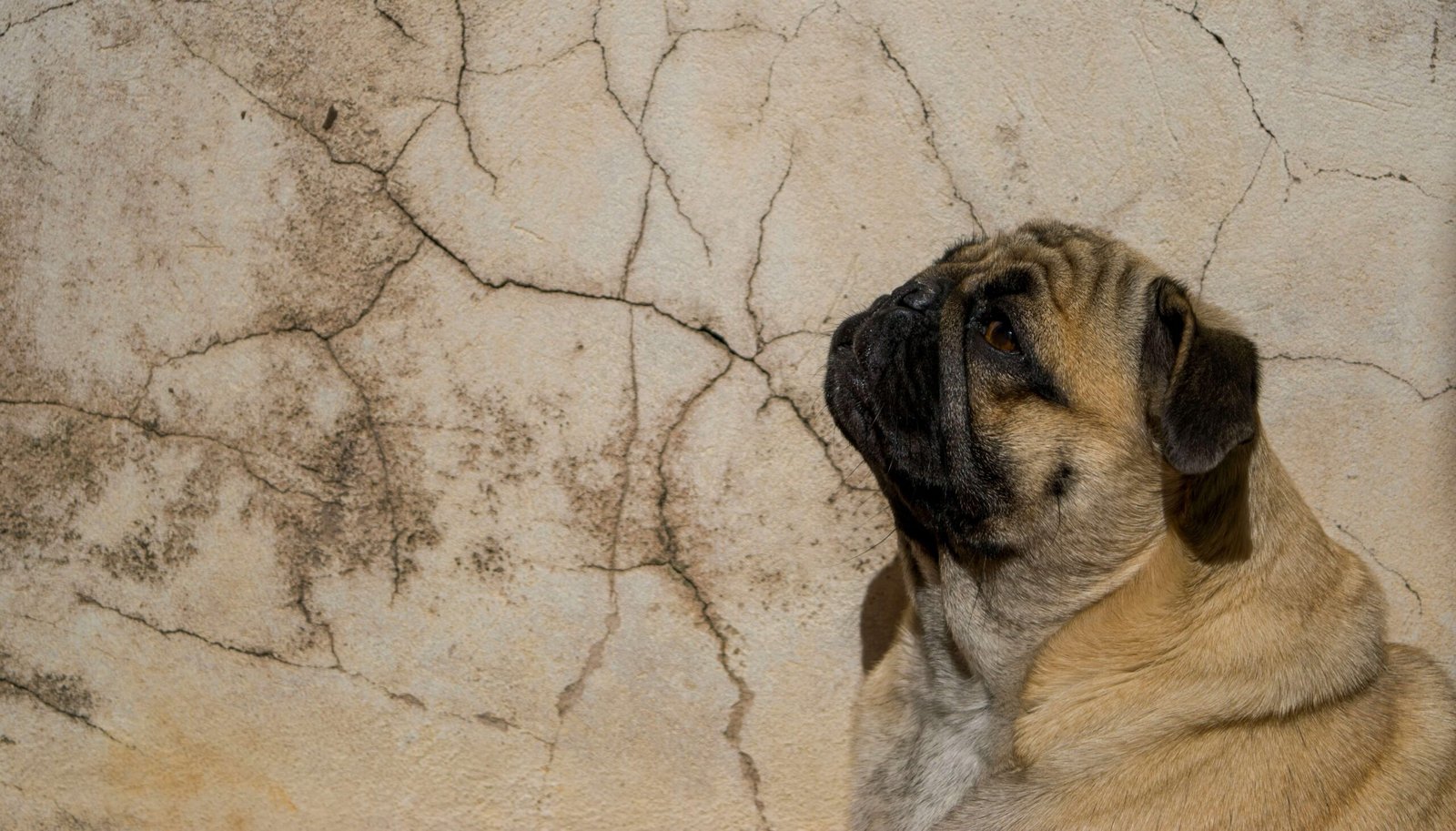
Dog Training Hand Signals: Unlocking Silent Communication
Training your dog is one of the most rewarding experiences for any pet owner, but have you ever considered incorporating hand signals into your training routine? Dog training hand signals are a powerful tool that can enhance communication between you and your furry companion. Unlike verbal commands, hand signals rely on visual cues, making them ideal for situations where silence is key or when your dog is too far away to hear you. Whether you’re teaching basic obedience or advanced tricks, hand signals can make your training sessions more effective and enjoyable.
In this blog post, we’ll explore why hand signals are so valuable, how to use them effectively, and tips to ensure success. Let’s dive in and discover how to strengthen the bond with your dog through silent communication!
Why Use Dog Training Hand Signals? The Benefits
Incorporating hand signals into your dog training routine offers numerous advantages. From improving clarity to enhancing reliability, these visual cues can transform the way you communicate with your dog. Here’s why you should consider using hand signals:
Effective in Noisy Environments
Hand signals work perfectly in loud settings where verbal commands might get drowned out, such as busy parks or during outdoor activities.Helpful for Hearing-Impaired Dogs
If your dog has hearing issues or is aging and losing their ability to hear, hand signals provide a clear way to communicate without relying on sound.Enhances Focus and Attention
Dogs are naturally attuned to body language, so hand signals can capture their attention more effectively than words alone.Builds Stronger Communication
Using both verbal commands and hand signals creates redundancy, ensuring your dog understands what you want even if they miss one cue.Improves Distance Commands
When your dog is far away, hand signals are easier to see than verbal commands, making them ideal for off-leash training or working dogs.
By incorporating hand signals into your training, you’ll create a versatile and reliable system of communication that benefits both you and your dog. It’s a small change that can yield big results!
Top 5 Essential Hand Signals for Dog Training
Getting started with hand signals doesn’t have to be complicated. There are a few foundational cues that every dog owner should teach their pet. These signals cover basic obedience commands and lay the groundwork for more advanced training. Here’s a list of the top five essential hand signals:
Sit
Raise your hand with your palm facing upward, as if you’re holding an invisible bowl. This mimics the motion of food being lifted, encouraging your dog to sit.Down
Lower your hand with your palm facing down toward the ground. This signal helps guide your dog into a lying-down position.Stay
Hold your palm out flat, like a stop sign, at chest level. This universal “halt” gesture tells your dog to remain still.Come
Wave your arm outward from your side to your chest in a sweeping motion. This inviting gesture encourages your dog to approach you.Leave It
Extend your arm straight out with your palm facing forward. This signal conveys the idea of stopping or avoiding something.
These hand signals are simple yet highly effective. Once your dog masters them, you’ll have a solid foundation for more advanced training and seamless communication.
Check this guide 👉The Ultimate Guide to Guard Dog Training: Best 7 Tips!
Check this guide 👉The Art of Protection Dog Training: Best 7 Expert Tips!
Check this guide 👉Understanding Bubble Theory in Dog Training: Best 7 Pro Tips

Verbal Commands | Hand Signals |
|---|---|
Works well in quiet spaces | Ideal for noisy environments |
Requires auditory focus | Engages visual attention |
Limited by distance | Visible from farther away |
Can confuse hearing-impaired dogs | Perfect for dogs with hearing loss |
Easier for beginners | Adds versatility to training |
Tips for Teaching Hand Signals Effectively
Teaching hand signals to your dog requires patience, consistency, and positive reinforcement. With the right approach, your dog will quickly learn to respond to these visual cues. Here are some expert tips to make the process smoother:
Pair Hand Signals with Verbal Commands Initially
Start by combining hand signals with verbal cues. This helps your dog associate the new gesture with the command they already know.Use Clear and Distinct Movements
Ensure your hand signals are easy to recognize and consistent. Avoid gestures that look similar to prevent confusion.Reward Immediately After Success
Timing is crucial. Reward your dog with treats, praise, or toys the moment they correctly follow the hand signal.Practice in Different Environments
Gradually introduce distractions by practicing in various locations, such as your home, backyard, or park, to reinforce reliability.Be Patient and Consistent
Every dog learns at their own pace. Stick to regular practice sessions and avoid rushing the process.
By following these tips, you’ll set your dog up for success and make the learning experience enjoyable for both of you. Remember, consistency is key!
Common Mistakes to Avoid When Using Hand Signals
While hand signals are a fantastic training tool, there are some common pitfalls that can hinder progress. Being aware of these mistakes ensures your training sessions remain productive and frustration-free. Here’s what to avoid:
Using Too Many Signals at Once
Introducing multiple hand signals simultaneously can overwhelm your dog. Focus on one command at a time.Inconsistent Gestures
Changing the way you perform a hand signal confuses your dog. Always use the same motion for each command.Skipping Positive Reinforcement
Failing to reward your dog for correct responses diminishes motivation and slows down learning.Expecting Immediate Mastery
Some dogs take longer to understand hand signals. Rushing the process can lead to stress and setbacks.Ignoring Environmental Factors
Bright sunlight, shadows, or other distractions can interfere with your dog’s ability to see and interpret your signals.
Avoiding these mistakes will help you train more effectively and build a stronger connection with your dog. Keep it fun, consistent, and patient!
Advanced Hand Signals for Trick Training
Once your dog has mastered the basics, you can expand their skill set by introducing advanced hand signals for trick training. These gestures not only challenge your dog mentally but also add a fun and creative element to your sessions. Here are some advanced hand signals to try:
Spin
Make a circular motion with your finger or hand to guide your dog into spinning in a complete circle.Wave
Lift one hand slightly with your palm facing outward, mimicking a wave. This encourages your dog to lift their paw in response.High Five
Hold your hand out flat with your palm facing up near your dog’s paw. When they touch it with their paw, reward them immediately.Jump
Raise your hand above your dog’s head to encourage them to leap into the air. Pair this with a verbal cue like “jump” initially.Bow
Lower your hand toward the ground while keeping your palm facing down. This signal prompts your dog to bow their front legs while keeping their rear end up.
Incorporating these advanced hand signals keeps training engaging and enriches your dog’s repertoire of tricks. It’s a great way to challenge their intelligence and strengthen your communication further.
How to Transition from Verbal Commands to Hand Signals
If your dog already knows verbal commands, transitioning to hand signals might seem daunting at first. However, with a systematic approach, you can seamlessly integrate visual cues into your training routine. Here’s how to make the shift:
Start with Familiar Commands
Choose commands your dog already knows well, such as “sit” or “stay,” and begin pairing them with corresponding hand signals.Gradually Fade Out Verbal Cues
Once your dog starts associating the hand signal with the action, reduce the volume of your verbal command until you’re no longer using it.Use Visual Prompts First
Always present the hand signal before giving a verbal cue during the transition phase to reinforce its importance.Practice in Short Sessions
Keep practice sessions brief (5–10 minutes) to avoid overwhelming your dog and maintain their focus on the new signals.Test Without Verbal Commands
After consistent practice, test your dog’s understanding by relying solely on hand signals in a controlled environment.
By following these steps, you’ll successfully transition your dog to responding exclusively to hand signals, enhancing both reliability and versatility in real-world scenarios.
Creative Ways to Reinforce Hand Signal Training
Reinforcing hand signal training doesn’t have to be monotonous—it can be playful and interactive! Mixing up your approach keeps your dog motivated and excited about learning. Here are some creative ways to reinforce hand signals effectively:
Turn Training into a Game
Incorporate hand signal commands into games like fetch or hide-and-seek to make learning feel like playtime.Use Treat Puzzles
Place treats in puzzle toys and use hand signals like “wait” or “leave it” to control when your dog can access the reward.Involve Family Members
Teach other family members the same hand signals so your dog practices responding to different people and environments.Create Obstacle Courses
Set up a mini obstacle course and use hand signals to guide your dog through each step, such as jumping over objects or weaving around poles.Reward with Play Instead of Treats
Sometimes, a quick game of tug-of-war or throwing their favorite toy can serve as a motivating reward for following hand signals.
Adding creativity to your training sessions ensures your dog stays engaged and eager to learn. With a little imagination, you can make every session enjoyable while reinforcing their skills!
Frequently Asked Questions About Dog Training Hand Signals
How long does it take to teach a dog hand signals?
The time varies depending on the dog, but most dogs can learn basic hand signals within a few weeks with consistent practice.
Can I use hand signals instead of verbal commands?
Yes, hand signals can replace verbal commands entirely, though many trainers recommend using both for added clarity.
What if my dog doesn’t respond to hand signals?
Ensure your gestures are clear and consistent, and try pairing them with treats or rewards to reinforce the behavior.
Are hand signals better than verbal commands?
Neither is inherently better; they serve different purposes. Combining both methods provides flexibility in various situations.
Can puppies learn hand signals?
Absolutely! Puppies are quick learners and can begin training with hand signals as soon as they start responding to basic commands.
Strengthen Your Bond Through Silent Communication
Dog training hand signals are more than just a practical tool—they’re a way to deepen the bond you share with your canine companion. By mastering this form of communication, you’ll not only improve your dog’s responsiveness but also enhance their confidence and trust in you. Whether you’re teaching basic commands or preparing for advanced tricks, hand signals offer endless possibilities for growth and connection. Remember, training is a journey, not a destination. Stay patient, celebrate small victories, and enjoy every step of the process. With dedication and love, your dog will thrive under your guidance, proving that sometimes, silence truly speaks louder than words!

Is Rawhide Bad for Cats? Best 7 Expert Tips! – Discover the risks, safe alternatives, and expert advice to keep your feline friend healthy and happy.

Is Rawhide Bad for Dogs? Best 7 Expert Tips! – Discover the risks, benefits, and safer alternatives to rawhides for your dog’s chewing needs.

Understanding Anorexia in Cats: Best 7 Expert Tips! – Learn why cats stop eating, spot warning signs, and discover how to help your feline regain appetite safely.

Understanding Anorexia in Dogs: Best 7 Expert Tips! – Learn causes, symptoms, and solutions to help your dog regain appetite and stay healthy.