
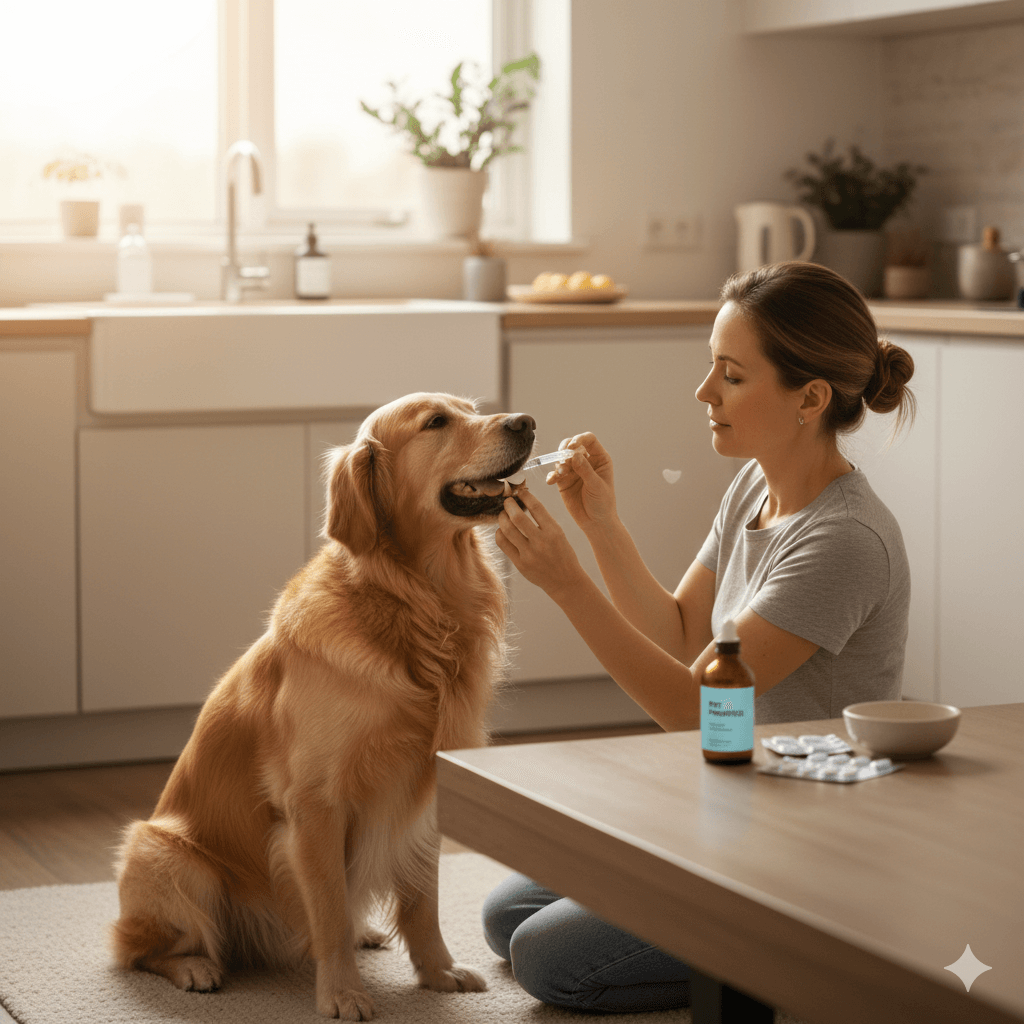

Dog Probiotics After Antibiotics: Best 7 Expert Tips!

Dog Probiotics After Antibiotics: Best 7 Expert Tips!

Understanding Dog Probiotics After Antibiotics: Best 7 Expert Tips!

Antibiotics can be lifesavers for dogs facing bacterial infections—but they don’t discriminate between harmful and helpful bacteria. This disruption often leads to digestive upset, weakened immunity, and long-term gut imbalance. That’s where probiotics come in: carefully chosen strains can help restore your dog’s internal ecosystem during and after antibiotic treatment. With the right approach, you can minimize side effects and support a resilient, thriving digestive system. Here’s how to do it wisely and effectively.

Why Probiotics Matter After Antibiotic Use

Antibiotics work by eliminating bacteria—both the pathogenic ones causing illness and the beneficial ones essential for digestion and immune function. This imbalance, known as dysbiosis, can leave your dog vulnerable to diarrhea, gas, poor nutrient absorption, and even secondary infections. Probiotics reintroduce friendly microbes to reestablish harmony in the gut microbiome:

 
  • Restore Gut Balance:
    Replenishing good bacteria helps counteract the depletion caused by broad-spectrum antibiotics.
     
  • Reduce Digestive Upset:
    Many dogs experience soft stool or vomiting during treatment; probiotics can ease these symptoms significantly.
     
  • Support Immune Function:
    Over 70% of a dog’s immune system resides in the gut—probiotics strengthen this frontline defense.
     
  • Prevent Opportunistic Infections:
    A healthy microbiome blocks harmful bacteria like Clostridium or Salmonella from taking hold.
     
  • Improve Nutrient Absorption:
    Balanced gut flora enhances the breakdown and uptake of vitamins, proteins, and fats from food.
 

Using probiotics isn’t just about fixing temporary discomfort—it’s about safeguarding your dog’s long-term health after necessary medical intervention.

Dog Probiotics After Antibiotics: Best 7 Expert Tips!

Choosing the Right Probiotic Strains for Dogs

Not all probiotics are created equal, especially for canines. Human formulas may contain strains irrelevant or even unsuitable for dogs. Look for veterinary-formulated products with research-backed, dog-specific bacteria that can survive the journey through the stomach:

 
  • Lactobacillus acidophilus:
    Aids digestion and inhibits harmful bacteria by lowering gut pH.
     
  • Bifidobacterium animalis:
    Clinically shown to reduce diarrhea duration in dogs on antibiotics.
     
  • Enterococcus faecium:
    A hardy strain that colonizes the intestines quickly and supports immune response.
     
  • Lactobacillus rhamnosus:
    Helps strengthen the gut lining and reduce inflammation.
     
  • Bacillus coagulans:
    A spore-forming probiotic that survives stomach acid and thrives during antibiotic therapy.
 

Always check the label for guaranteed live cultures (CFUs) and avoid products with unnecessary fillers like xylitol or artificial sweeteners.

Key Probiotic Features
What to Avoid
Dog-specific bacterial strains
Human-only formulations
Minimum 1–5 billion CFUs per dose
Vague labeling like “proprietary blend”
Refrigerated or shelf-stable viability
Expired or unsealed packaging
Added prebiotics (e.g., FOS, inulin)
Artificial colors, flavors, or sugars
Vet-recommended or clinically tested
Products without strain identification

Optimal Timing for Administering Probiotics

When you give probiotics in relation to antibiotics dramatically affects their effectiveness. Administering them too close together can result in the antibiotic killing the very bacteria you’re trying to replenish:

 
  • Space Doses by 2–3 Hours:
    Give probiotics at least 2 hours after the antibiotic dose to maximize survival of live cultures.

     
  • Continue Beyond Treatment:
    Keep giving probiotics for 2–4 weeks after the last antibiotic dose to fully restore gut balance.

     
  • Give with Food (Unless Directed Otherwise):
    Food buffers stomach acid, helping more probiotic bacteria reach the intestines alive.

     
  • Follow Storage Instructions:
    Refrigerated probiotics lose potency if left at room temperature—adhere strictly to label guidance.

     
  • Use Daily Consistency:
    Skipping doses reduces colonization; integrate probiotics into your dog’s routine like any medication.
 

Timing isn’t just logistical—it’s biological. Precision here ensures your dog actually benefits from every dose.


Signs Your Dog Needs Probiotic Support

While probiotics are often recommended proactively during antibiotics, certain symptoms signal an urgent need for microbial support:

 
  • Antibiotic-Associated Diarrhea:
    Loose or watery stools within 3–7 days of starting antibiotics are a classic red flag.
     
  • Excessive Gas or Bloating:
    Unusual flatulence or a distended belly suggests fermentation imbalance in the gut.
     
  • Loss of Appetite or Nausea:
    Gut discomfort can make your dog reluctant to eat, even their favorite foods.
     
  • Lethargy or Mood Changes:
    Gut-brain axis disruption may cause unusual quietness, clinginess, or irritability.
     
  • Recurring Yeast or Skin Infections:
    An imbalanced microbiome can weaken defenses, allowing yeast overgrowth on skin or ears.
 

Don’t wait for severe symptoms—early probiotic use can prevent these issues from escalating.


Natural Probiotic Sources vs. Supplements

While fermented foods like plain yogurt or kefir are popular, they may not provide sufficient or targeted support for dogs on antibiotics:

 
  • Plain, Unsweetened Yogurt:
    Contains L. acidophilus but often in low concentrations—may not be enough for therapeutic effect.
     
  • Kefir (Goat or Cow Milk):
    Offers diverse strains, but lactose can upset sensitive stomachs; use only in small amounts.
     
  • Fermented Vegetables (e.g., Sauerkraut):
    Too high in salt and acidity for most dogs—generally not recommended.
     
  • Veterinary Probiotic Supplements:
    Formulated for canine physiology, with precise strains, CFU counts, and stability during antibiotic use.
     
  • Synbiotic Formulas:
    Combine probiotics with prebiotics (like inulin) to feed good bacteria—ideal for post-antibiotic recovery.
 

For medical-level gut restoration, supplements are superior to kitchen remedies—especially during or after antibiotics.

Special Considerations for Puppies, Seniors, and Immune-Compromised Dogs

Vulnerable dogs need extra care when using probiotics alongside antibiotics, as their bodies respond differently to both treatments:

 
  • Puppies:
    Their developing microbiome is easily disrupted; use only vet-approved, low-dose probiotics to avoid overload.
     
  • Senior Dogs:
    Slower metabolism and weaker immunity mean they benefit from longer probiotic support—often 4+ weeks post-antibiotics.
     
  • Dogs with Autoimmune Conditions:
    Consult your vet before giving probiotics, as immune modulation may require specific strain selection.
     
  • Small or Toy Breeds:
    Require precise dosing—human or “one-size-fits-all” products may contain too much for their size.
     
  • Dogs with Pancreatitis or Sensitive GI Tracts:
    Avoid dairy-based probiotics; opt for hypoallergenic, powder-based veterinary formulas.
 

Tailoring probiotic use to your dog’s life stage and health status ensures safety and maximum benefit.

What to Expect During Probiotic Recovery

Improvements aren’t always instant—gut healing takes time, but you should notice gradual positive changes:

 
  • Stool Firming Within 3–5 Days:
    Diarrhea typically begins resolving once probiotics establish in the gut.
     
  • Increased Energy and Appetite:
    As digestion improves, your dog often regains interest in food and play.
     
  • Reduced Gas and Bloating:
    Abdominal comfort returns as microbial balance normalizes fermentation.
     
  • Fewer Recurrent Infections:
    A restored gut barrier helps prevent ear, skin, or urinary issues linked to dysbiosis.
     
  • Long-Term Resilience:
    Dogs with consistent probiotic support often handle future stressors or medications better.
 

Patience and consistency are key—true gut restoration unfolds over weeks, not hours.


Frequently Asked Questions About Dog Probiotics After Antibiotics

Can I give probiotics at the same time as antibiotics?

No—space them by at least 2 hours to prevent the antibiotic from killing the beneficial bacteria.

Most vets recommend 2 to 4 weeks post-treatment to fully repopulate the gut microbiome.

Not ideal—dog-specific strains are better adapted to canine digestive systems and more effective.

Rarely, but some dogs may experience temporary gas or mild bloating as their gut adjusts.

While not mandatory, it’s strongly advised for most dogs to prevent complications and support recovery.

Nurturing Your Dog’s Gut Health for Lifelong Wellness

Antibiotics may be necessary, but they don’t have to leave your dog’s gut in chaos. With thoughtful probiotic use, you turn a potentially disruptive treatment into a manageable chapter in your dog’s health story. By choosing the right strains, timing doses wisely, and supporting recovery with consistency, you’re not just fixing a short-term problem—you’re investing in a stronger immune system, better digestion, and greater resilience for years to come. Your dog’s wag, their appetite, and their bright eyes will thank you for the care you put into healing them from the inside out.

Poodle Water Dog: Best 7 Expert Tips!

Poodle Water Dog: Best 7 Expert Tips! – Discover how Poodles excel in water activities, from swimming to training, and unlock their aquatic potential today.

Salt Poisoning in Cats: Best 7 Expert Tips!

Salt Poisoning in Cats: Best 7 Expert Tips! – Learn the dangers of salt toxicity, spot symptoms early, and discover how to keep your cat safe from this serious health risk.

Salt Poisoning in Dogs: Best 7 Expert Tips!

Salt Poisoning in Dogs: Best 7 Expert Tips! – Learn the dangers of salt toxicity, recognize symptoms, and discover life-saving steps to protect your dog.

Can Too Much CBD Kill a Cat? Best 7 Expert Tips!

Can Too Much CBD Kill a Cat? Best 7 Expert Tips! – Discover the risks, safe dosages, and signs of CBD toxicity to keep your cat safe and healthy.

Leave a Reply

Your email address will not be published. Required fields are marked *

Recent Post

Post Category


