
Recognizing Dog Panic Attack Symptoms: What Every Owner Should Know
Panic attacks in dogs can be distressing for both pets and their owners, often manifesting as sudden, intense episodes of fear or anxiety. These symptoms may arise from triggers like loud noises, separation, or unfamiliar environments, leaving your dog feeling overwhelmed and unsafe. Understanding the signs of a panic attack is the first step toward providing comfort and preventing future episodes.
Common Symptoms of Panic Attacks in Dogs
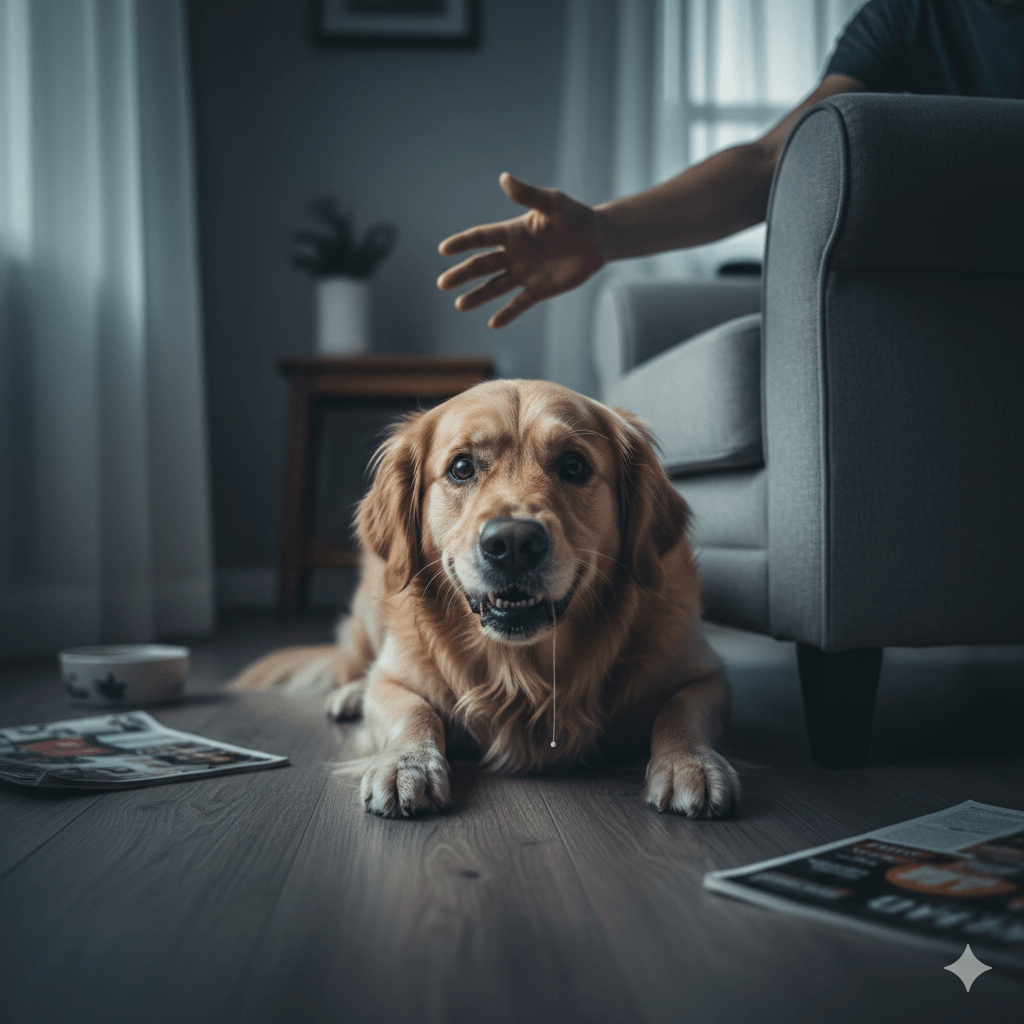
Panic attacks in dogs can manifest through a variety of physical, behavioral, and emotional signs. These symptoms often occur suddenly and may escalate quickly, leaving owners feeling helpless. Recognizing these signs early is crucial to calming your dog and preventing further distress. Here are the most common symptoms to watch for during a panic attack episode.
- Excessive Panting or Drooling:
Dogs may pant heavily or drool excessively even when they haven’t been physically active. This is a sign of acute stress and an attempt to self-soothe. - Trembling or Shaking:
Uncontrollable shaking or trembling is a clear indicator of fear or anxiety, often accompanied by a hunched posture or tucked tail. - Pacing or Restlessness:
Dogs experiencing panic may pace back and forth aimlessly, unable to settle down despite attempts to comfort them. - Vocalizations Like Whining or Barking:
Whining, whimpering, or barking without an obvious cause can signal distress, as your dog tries to communicate their discomfort. - Destructive Behavior or Escape Attempts:
Chewing furniture, scratching doors, or attempting to escape confinement are common during panic attacks as dogs try to flee perceived danger.
These symptoms, while alarming, are your dog’s way of coping with overwhelming fear—calm reassurance and professional guidance can help manage them effectively.
Triggers That Cause Panic Attacks in Dogs
Understanding what triggers panic attacks in dogs is key to prevention and management. While some triggers are obvious, others may be subtle or unique to your dog’s personality or history. Identifying these factors allows you to create a safer environment and reduce the likelihood of future episodes.
- Loud Noises Like Thunder or Fireworks:
Sudden, unpredictable sounds are among the most common triggers, especially for noise-sensitive breeds or rescue dogs. - Separation Anxiety:
Being left alone for extended periods can lead to panic attacks in dogs that struggle with attachment issues or loneliness. - Unfamiliar Environments or Situations:
Traveling, vet visits, or exposure to new places can overwhelm dogs, particularly those with limited socialization experiences. - Traumatic Past Experiences:
Rescue dogs or those with histories of neglect or abuse may react strongly to situations reminiscent of past trauma. - Changes in Routine or Household Dynamics:
Moving homes, introducing new pets, or altering daily schedules can disrupt a dog’s sense of security and trigger panic.
By pinpointing specific triggers, you can take proactive steps to minimize stressors and build your dog’s confidence over time.
Check this guide 👉Understanding Dog Panic Attack Seizure: Best 7 Expert Tips!
Check this guide 👉How to Stop Seizures in Dogs Immediately: Best 7 Tips!
Check this guide 👉Dog Seizure Foaming at Mouth: Best 7 Expert Tips!
Early Warning Signs | Immediate Actions to Take |
|---|---|
Excessive panting or drooling | Stay calm and avoid punishing your dog for anxious behaviors |
Trembling or shaking | Provide a quiet, enclosed space to help them feel secure |
Pacing or restlessness | Use soothing voice tones or gentle touch to reassure them |
Vocalizations (whining, barking) | Avoid reinforcing fear by remaining composed and patient |
Destructive behavior or escape attempts | Redirect their focus with familiar toys or comfort items |
How to Calm a Dog During a Panic Attack
When your dog experiences a panic attack, your response plays a critical role in helping them feel safe and secure. Remaining calm yourself sets the tone for de-escalating the situation. Use these techniques to soothe your dog and ease their symptoms during an episode.
- Create a Safe Space:
Guide your dog to a quiet, enclosed area like a crate or a room with dim lighting to help them feel protected from external stimuli. - Use Soothing Touch or Voice:
Gentle petting or speaking softly in a reassuring tone can provide comfort without overwhelming your dog further. - Offer Familiar Comfort Items:
Provide a favorite blanket, toy, or piece of clothing with your scent to help ground your dog during moments of distress. - Avoid Reinforcing Fearful Behavior:
While comforting your dog, avoid overly coddling them, as this may reinforce anxious behaviors rather than alleviating them. - Introduce Calming Aids:
Products like compression wraps (e.g., Thundershirts) or pheromone diffusers can have a calming effect on dogs prone to panic attacks.
Your ability to stay composed and supportive makes a significant difference in helping your dog regain their sense of safety and stability.
Long-Term Strategies to Prevent Panic Attacks
Preventing panic attacks requires consistent effort and a focus on building resilience in your dog. By addressing underlying causes and creating a supportive environment, you can reduce the frequency and severity of episodes. These strategies promote long-term mental and emotional well-being for your furry companion.
- Gradual Desensitization Training:
Expose your dog to triggering stimuli in small, controlled doses to help them become accustomed to stressful situations over time. - Establish a Consistent Routine:
A predictable daily schedule minimizes uncertainty and provides a sense of stability for anxious dogs. - Engage in Regular Exercise:
Physical activity reduces stress hormones and promotes relaxation, making it harder for panic attacks to take hold. - Practice Positive Reinforcement:
Reward calm behavior with treats or praise to encourage confidence and discourage anxious reactions. - Consult a Professional Trainer or Behaviorist:
Experts can design tailored plans to address specific fears or anxieties and teach effective coping mechanisms.
With patience and dedication, these strategies foster a calmer, more resilient mindset in your dog.
The Role of Diet and Nutrition in Managing Anxiety
Nutrition plays a vital role in your dog’s overall health, including their mental well-being. Certain dietary adjustments and supplements can help regulate mood, reduce anxiety, and support brain function. A balanced diet not only benefits physical health but also contributes to emotional stability.
- Omega-3 Fatty Acids:
Found in fish oil, these anti-inflammatory compounds support brain health and reduce anxiety-related behaviors. - Probiotics for Gut-Brain Connection:
A healthy gut microbiome influences serotonin production, which directly impacts mood regulation and stress responses. - Limited Ingredient Diets:
Eliminating potential allergens or irritants ensures digestive comfort, reducing secondary stress on your dog’s system. - Calming Supplements:
Products containing L-theanine, chamomile, or valerian root promote relaxation without sedation. - Hydration and Balanced Meals:
Ensuring proper hydration and nutrient intake supports overall vitality and resilience against stress.
Feeding your dog a thoughtful, species-appropriate diet lays the foundation for better mental and emotional health.
When to Seek Veterinary Help for Panic Attacks
While mild anxiety can often be managed at home, persistent or severe panic attacks require professional intervention. Veterinarians can rule out underlying medical conditions and recommend treatments to improve your dog’s quality of life. Knowing when to seek help ensures your dog receives timely care and support.
- Frequent or Severe Episodes:
If panic attacks occur regularly or last longer than expected, veterinary evaluation is essential to identify potential causes. - Signs of Physical Distress:
Excessive panting, vomiting, diarrhea, or collapse during episodes indicates a need for immediate medical attention. - Behavioral Changes Beyond Anxiety:
Aggression, withdrawal, or loss of interest in activities may signal deeper psychological or physiological issues. - Medication Options for Chronic Cases:
Prescribed medications like antidepressants or anti-anxiety drugs can provide relief for dogs with ongoing struggles. - Referral to a Veterinary Behaviorist:
Specialists offer advanced diagnostics and therapies, such as behavior modification programs or alternative treatments.
Veterinary guidance ensures your dog receives comprehensive care tailored to their unique needs.
Understanding the Emotional Impact on Owners
Living with a dog prone to panic attacks can take an emotional toll on owners, leading to feelings of frustration, guilt, or helplessness. Acknowledging these emotions and finding ways to cope is essential for maintaining a strong bond with your pet. Supporting your own mental health enables you to better care for your dog.
- Acknowledge Your Feelings Without Judgment:
It’s normal to feel overwhelmed; accepting your emotions helps you approach challenges with clarity and compassion. - Educate Yourself About Anxiety Disorders:
Learning about canine anxiety empowers you to make informed decisions and advocate for your dog’s well-being. - Seek Support from Other Pet Owners:
Joining online forums or local groups connects you with people who understand what you’re going through. - Prioritize Self-Care Practices:
Taking time for yourself reduces burnout and equips you to handle stressful situations with greater resilience. - Celebrate Small Wins Along the Way:
Recognize progress, no matter how small, to stay motivated and maintain hope for continued improvement.
Your emotional strength and commitment play a vital role in helping your dog overcome their struggles and thrive.
“An anxious dog may pant, pace, tremble, drool, withdraw from its owner, or hide. Alternatively, they may appear irritable or aggressive (i.e., bark or growl at someone). The dog’s tail may be low or tucked, ears back, eyes dilated or showing lots of white around them (whale eye).” – Stephanie Borns-Weil
Frequently Asked Questions About Dog Panic Attack Symptoms
What should I do if my dog has a panic attack?
Stay calm, create a safe space, and use soothing techniques like gentle touch or familiar items to comfort your dog during the episode.
How can I tell if my dog is having a panic attack or just scared?
Panic attacks are more intense and prolonged than typical fear responses, often involving physical symptoms like panting, trembling, or destructive behavior.
Are certain dog breeds more prone to panic attacks?
Yes—breeds like Border Collies, German Shepherds, and other high-energy or sensitive dogs are more susceptible to anxiety-related issues.
Can medication help with my dog’s panic attacks?
In severe cases, veterinarians may prescribe anti-anxiety medications or calming supplements to manage chronic symptoms effectively.
How long does a panic attack usually last in dogs?
Most episodes last between 15–30 minutes, but residual stress may linger for hours; consistent calming measures shorten recovery time.
Supporting Your Dog Through Panic Attacks
Living with a dog prone to panic attacks requires patience, empathy, and a proactive approach to managing their emotional well-being. By recognizing symptoms early, addressing triggers, and implementing calming strategies, you empower your dog to overcome their fears and lead a happier life. Remember, your unwavering support and understanding are the foundation of their healing journey—a testament to the unbreakable bond between you and your furry companion.

Is Rawhide Bad for Cats? Best 7 Expert Tips! – Discover the risks, safe alternatives, and expert advice to keep your feline friend healthy and happy.

Is Rawhide Bad for Dogs? Best 7 Expert Tips! – Discover the risks, benefits, and safer alternatives to rawhides for your dog’s chewing needs.

Understanding Anorexia in Cats: Best 7 Expert Tips! – Learn why cats stop eating, spot warning signs, and discover how to help your feline regain appetite safely.

Understanding Anorexia in Dogs: Best 7 Expert Tips! – Learn causes, symptoms, and solutions to help your dog regain appetite and stay healthy.