
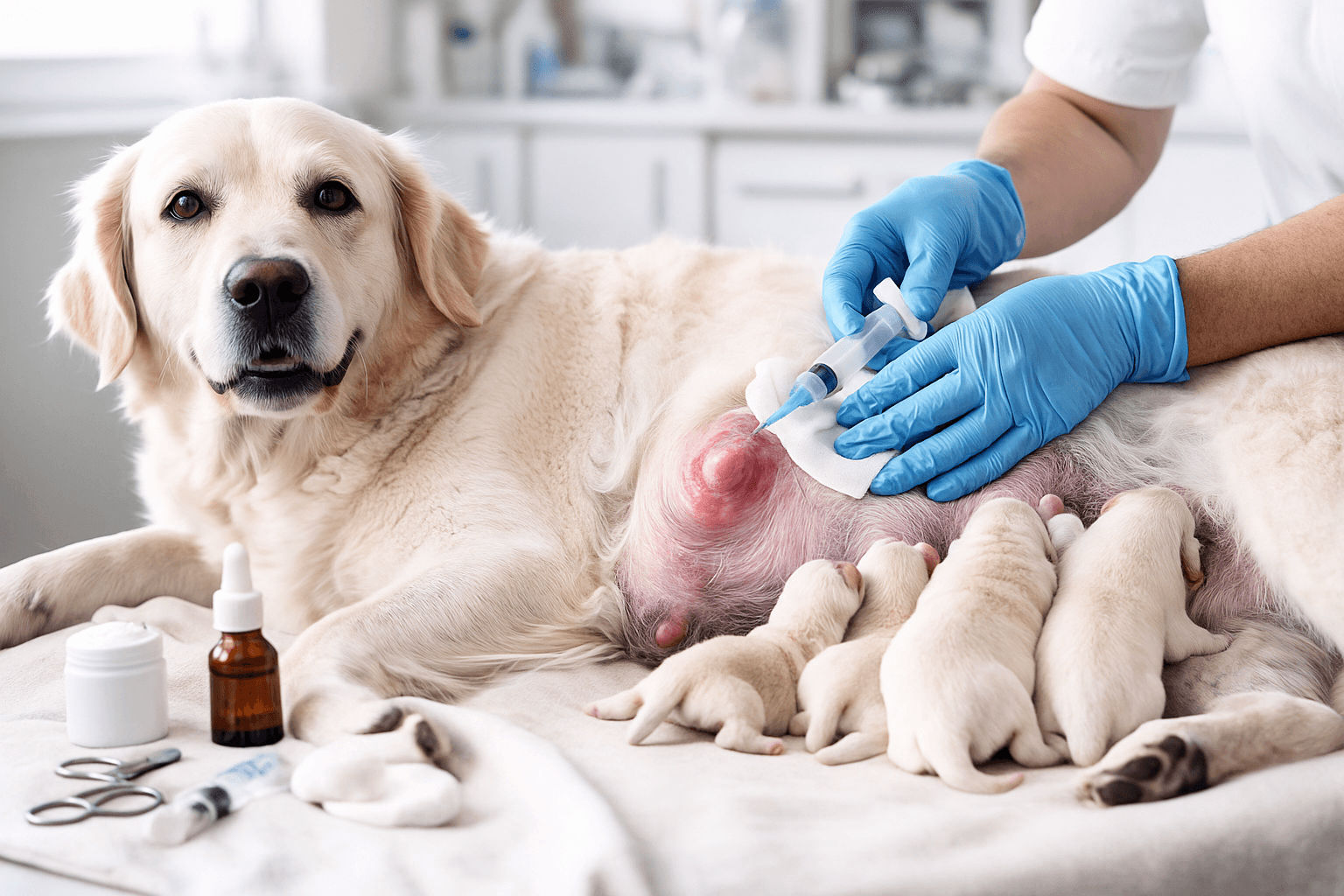
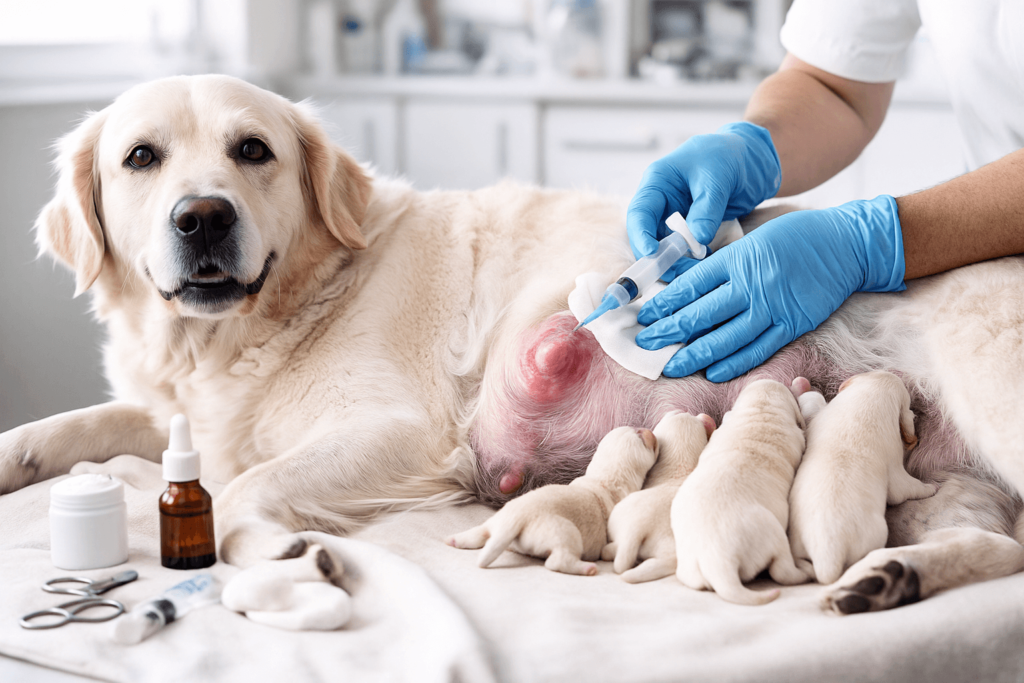

Dog Mastitis Treatment: A Guide for Worried Pet Parents
Mastitis in dogs is a painful and potentially serious infection of the mammary glands—most commonly seen in nursing mothers, but it can also affect non-pregnant or even spayed females. Recognizing the signs early and knowing how to respond can make all the difference in your dog’s comfort and recovery. While mild cases may improve with home care, others require prompt veterinary intervention to prevent complications like sepsis or tissue necrosis. This guide walks you through causes, treatment options, and supportive strategies—so you can act wisely and compassionately. Because when your dog is in pain, every minute counts.
What Is Mastitis and How Does It Develop?
Mastitis occurs when bacteria enter the mammary gland—often through a scratch, cracked nipple, or milk stasis during weaning. Though most frequent in lactating dogs, it can also arise from hormonal fluctuations or trauma. Understanding how it starts helps prevent escalation.
- Bacterial invasion:
Usually caused by E. coli, Staphylococcus, or Streptococcus entering through the teat canal during nursing or from skin contamination. - Milk stasis (blocked ducts):
When puppies stop nursing abruptly or a gland isn’t fully emptied, stagnant milk becomes a breeding ground for bacteria. - Trauma or injury:
Scratches from puppies’ nails or rough play can create entry points for infection. - Poor hygiene in whelping areas:
Dirty bedding increases bacterial load, raising infection risk for both mother and pups. - Hormonal changes in non-lactating dogs:
“False pregnancy” can trigger milk production and subsequent mastitis, even in spayed dogs with residual tissue.
Early detection—before fever, lethargy, or abscesses develop—greatly improves outcomes and reduces suffering.
Recognizing the Symptoms of Mastitis in Dogs
Not all swelling is mastitis—but when it’s accompanied by specific signs, it’s time to act. Symptoms can range from subtle to severe, depending on infection stage and your dog’s immune response.
- Hot, firm, or swollen mammary glands:
One or more glands feel warm to the touch and may appear enlarged or reddened. - Discolored or foul-smelling milk:
Milk may look thick, cloudy, bloody, or greenish—and emit a sour or rotten odor. - Reluctance to nurse:
The mother may cry out, pull away, or refuse to let puppies nurse from the affected gland. - Lethargy or loss of appetite:
Systemic infection often causes fever, weakness, and decreased interest in food or surroundings. - Puppies not gaining weight:
If the milk is infected or the mother won’t nurse, puppies may become weak, cry excessively, or fail to thrive.
If you notice any of these signs—especially in combination—contact your vet immediately. Delaying care can lead to life-threatening complications.
Check this guide 👉Lymphoma Dog Treatment: Best 7 Expert Tips!
Check this guide 👉Dog Blood Infection Treatment: Best 7 Expert Tips!
Check this guide 👉Dog Nose Sunburn Treatment: Best 7 Expert Tips!
| At-Home Support (Mild Cases + Vet Approval) | Requires Veterinary Intervention |
|---|---|
| Gentle warm compresses to encourage drainage | Fever, vomiting, or extreme lethargy |
| Encouraging puppies to nurse from affected gland (if milk is safe) | Bloody, pus-filled, or foul-smelling discharge |
| Keeping whelping area clean and dry | Hard, blue-tinged, or necrotic (gangrenous) tissue |
| Hydration and rest for the mother | Puppies showing signs of illness or dehydration |
| Monitoring temperature twice daily | No improvement within 24 hours of home care |
Veterinary Treatment Options for Mastitis
Most cases of mastitis require professional care—especially if infection is moderate to severe. Your vet will tailor treatment based on symptoms, milk culture, and your dog’s overall health.
- Antibiotics:
Broad-spectrum antibiotics (like amoxicillin-clavulanate) are typically prescribed for 2–3 weeks; some are safe during lactation. - Pain management:
NSAIDs or other analgesics help reduce inflammation and discomfort—never give human painkillers without explicit vet approval. - Milk expression (if safe):
In non-toxic cases, manually expressing infected milk may speed recovery—but only under veterinary guidance. - IV fluids for systemic illness:
If sepsis or dehydration is present, hospitalization with supportive care may be necessary. - Surgical drainage or mastectomy:
In rare cases of abscess or gangrenous mastitis, surgical intervention is needed to remove dead tissue.
Following your vet’s instructions precisely—especially completing the full antibiotic course—is crucial to full recovery.
Safe Home Care Practices (With Vet Approval)
When mastitis is mild and your vet gives the green light, supportive home care can aid healing—but only as a supplement to, not a replacement for, medical treatment.
- Warm compresses:
Apply a clean, warm (not hot) cloth to the affected gland for 10–15 minutes, 3–4 times daily to promote circulation and drainage. - Hygiene maintenance:
Wash bedding daily, trim puppies’ nails, and gently clean the mother’s belly with a mild, vet-approved cleanser. - Encourage nursing (if milk is safe):
Puppies’ natural suckling helps empty the gland—your vet will advise if the milk is safe for consumption. - Isolate sick puppies if needed:
If milk is infected, hand-feed puppies with a vet-recommended formula while the mother heals. - Monitor temperature and behavior closely:
Take your dog’s temperature twice a day (normal: 100–102.5°F); watch for worsening redness, swelling, or refusal to eat.
Never attempt home treatment without veterinary confirmation—what looks like mild mastitis could be progressing silently.
What NOT to Do When Treating Mastitis
Good intentions can backfire if you use unsafe or outdated remedies. Avoid these common mistakes to protect your dog’s health.
- Do not use human antibiotics or painkillers:
Many are toxic to dogs and can cause liver failure, gastric ulcers, or worsen infection. - Avoid cold compresses:
Cold constricts blood flow and can trap infection; warmth promotes drainage and healing. - Don’t stop nursing abruptly without guidance:
Sudden weaning increases milk stasis, which can worsen or trigger mastitis. - Never squeeze or “milk out” aggressively:
Forceful expression can spread bacteria or damage tissue—gentle encouragement only. - Don’t ignore early signs:
Assuming it will “go away on its own” risks abscess formation, sepsis, or loss of the entire litter.
When in doubt, call your vet—early action prevents emergency situations.
Caring for Puppies During the Mother’s Recovery
The health of the puppies is directly tied to the mother’s condition. If her milk is compromised, you must act quickly to ensure their survival.
- Weigh puppies daily:
Consistent weight gain (5–10% per day) confirms adequate nutrition; stagnation signals trouble. - Use a vet-approved milk replacer:
If nursing is paused, feed every 2–4 hours with a canine-specific formula—never cow’s milk. - Stimulate elimination:
Newborns need gentle genital stimulation with a warm cloth after each feeding to urinate and defecate. - Keep puppies warm:
Without the mother’s body heat, maintain an ambient temperature of 85–90°F for the first week. - Reintroduce nursing gradually:
Once the vet confirms the milk is safe, let puppies nurse under supervision to rebuild bonding and milk flow.
Your attention during this window can mean the difference between thriving puppies and life-threatening decline.
Preventing Future Episodes of Mastitis
Proactive measures can significantly reduce recurrence—especially in dogs with prior episodes or those who frequently breed.
- Maintain impeccable whelping hygiene:
Use washable bedding, clean surfaces daily, and disinfect between litters. - Trim puppies’ nails weekly:
Sharp nails scratch nipples, creating infection pathways—keep them short and smooth. - Monitor mammary glands during weaning:
Gradually reduce nursing over 7–10 days to prevent milk stasis and engorgement. - Spay non-breeding females:
Eliminates hormonal-driven false pregnancies and associated mastitis risk. - Schedule postpartum vet checks:
Even if your dog seems fine, a wellness exam 3–5 days post-whelping can catch early issues.
Prevention isn’t foolproof—but it builds a safer, healthier environment for both mother and offspring.
Frequently Asked Questions
Can mastitis in dogs go away on its own?
Rarely. Mild cases might improve with nursing and hygiene—but most require antibiotics. Untreated mastitis can become life-threatening.
Is it safe for puppies to nurse if the mother has mastitis?
Only if the vet confirms the milk isn’t infected or toxic. In severe cases, puppies must be bottle-fed temporarily.
How long does dog mastitis last with treatment?
With proper antibiotics and care, improvement usually occurs within 48–72 hours, and full recovery takes 1–2 weeks.
Can spayed dogs get mastitis?
Yes—though uncommon. It’s usually linked to residual mammary tissue, hormonal imbalances, or trauma.
What’s the difference between mastitis and mammary engorgement?
Engorgement is milk buildup without infection—glands are full but not hot, red, or painful. Mastitis includes inflammation, fever, and systemic illness.
Final Thoughts – Compassion, Care, and Timely Action
Mastitis is more than a veterinary condition—it’s a moment that tests your bond with your dog and your ability to respond with clarity and care. By recognizing warning signs early, partnering with your vet, and supporting both mother and puppies through recovery, you become a true guardian in their time of need. With patience, hygiene, and medical guidance, most dogs make a full recovery and return to their loving, nurturing selves. Trust your instincts, act swiftly, and remember: your calm presence is as healing as any treatment.
Spleen Cancer in Cats: Best 7 Expert Tips! – Expert insights on symptoms, care, treatment & quality of life for feline spleen cancer.
Dog Mastitis Treatment: Best 7 Expert Tips! – Safe, vet-approved care for nursing moms & prevention strategies.
The Shikoku Ken Dog: Best 7 Expert Tips! – Discover expert care, training & health advice for this rare, loyal Japanese mountain breed.
The Cairn Terrier Dog Breed: Best 7 Expert Tips! – Discover care, training & health advice for this spirited, loyal Scottish terrier.


