

Dog Losing Hair Around Nose: Causes and Solutions
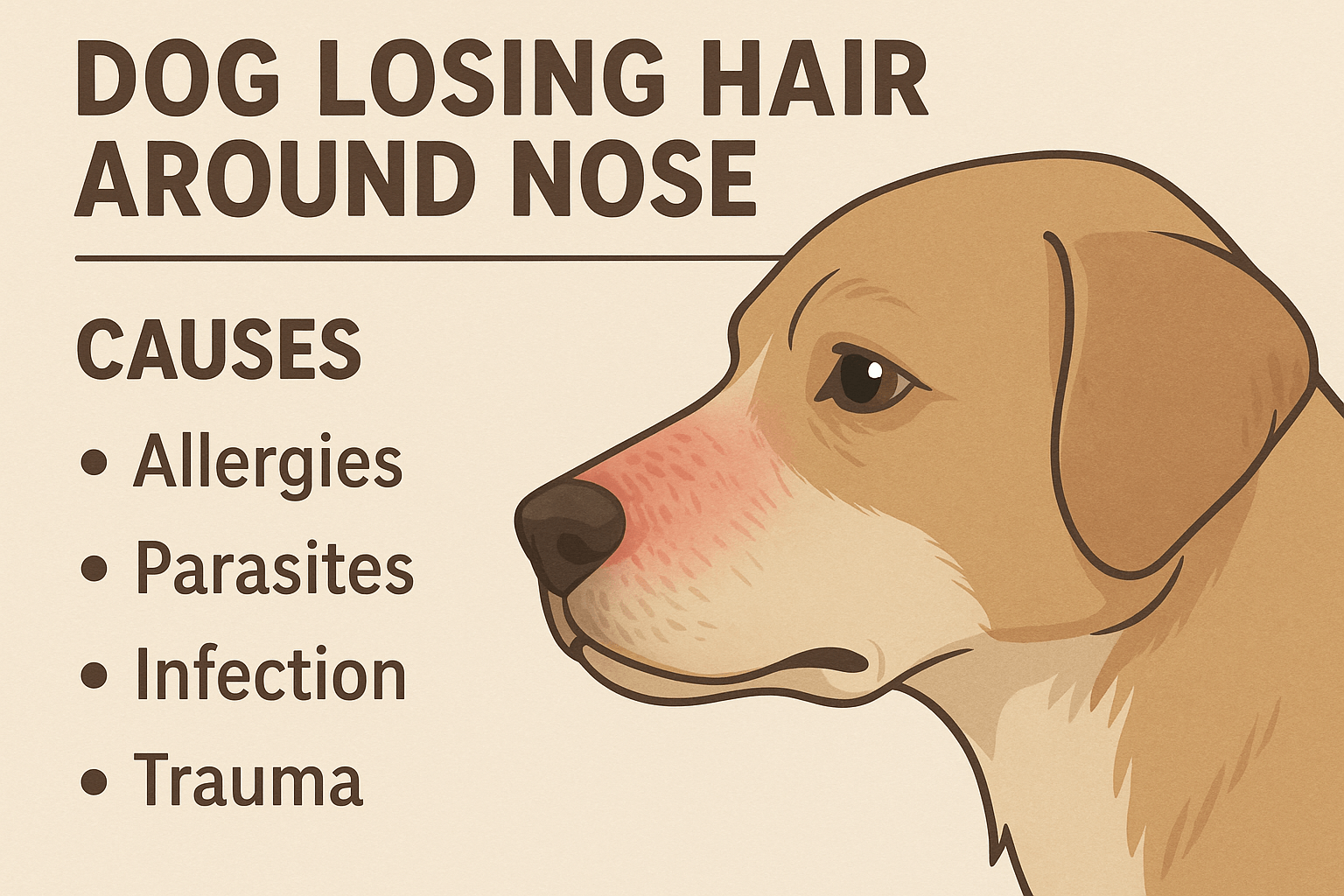
Noticing your dog losing hair around their nose can be concerning, especially if you’re unsure of the cause. Hair loss in this area may result from a variety of factors, ranging from harmless shedding to more serious health conditions. Understanding why this happens is the first step toward addressing the issue effectively. In this blog post, we’ll explore the potential causes, signs to watch for, and practical steps you can take to help your furry friend regain their comfort and confidence. Whether it’s due to allergies, infections, or environmental factors, you’ll find expert advice to guide you through this challenge.
Expert Insight
“Of course, the nose itself, also known as the nasal planum, is hairless, but, with the exception of the hairless breeds, the skin of the muzzle should be covered in hair. When dogs start to lose hair around their nose, it is usually over the top of the muzzle. There may also be inflammation, infection, or bleeding involved, or your dog may show no signs of irritation at all. Even if your dog is showing no signs of discomfort, any sudden hair loss should be investigated by your vet to ensure that this baldness isn’t a sign of something more serious going on.”
Common Causes of Hair Loss Around a Dog’s Nose
Hair loss around a dog’s nose can stem from several underlying issues. Identifying the root cause is essential for proper treatment and prevention. Here are some common reasons why your dog might be experiencing this condition:
Allergies:
Dogs can develop allergies to food, pollen, dust, or cleaning products, which may lead to itching and hair loss around sensitive areas like the nose.Bacterial or Fungal Infections:
Skin infections caused by bacteria or fungi can irritate the skin and trigger localized hair loss.Demodectic Mange:
This condition occurs when mites burrow into the skin, causing inflammation and hair loss. It’s often seen in puppies or dogs with weakened immune systems.Trauma or Irritation:
Constant rubbing, scratching, or licking due to discomfort can result in hair loss around the nose.Hormonal Imbalances:
Conditions like hypothyroidism or Cushing’s disease can disrupt hair growth and lead to patchy bald spots.
Understanding these potential causes allows you to address the issue more effectively and seek appropriate veterinary care when needed.
Signs Your Dog May Be Losing Hair Due to an Underlying Issue
While hair loss itself is noticeable, other symptoms can provide clues about its underlying cause. Being observant helps you determine whether the issue requires immediate attention.
Redness or Swelling:
Inflammation around the nose or muzzle could indicate an infection or allergic reaction.Itching or Scratching:
Excessive scratching or rubbing suggests irritation, possibly caused by allergens or parasites.Dry or Flaky Skin:
Dry patches or dandruff near the affected area may point to nutritional deficiencies or skin conditions.Odor:
A foul smell emanating from the nose or surrounding skin can signal a bacterial or fungal infection.Behavioral Changes:
If your dog seems unusually irritable or avoids touch around the nose, it could indicate discomfort or pain.
Recognizing these signs early enables you to intervene promptly and prevent further complications.
Check this guide 👉What Causes a Dog to Lose Hair? Best 7 Expert Tips!
Check this guide 👉Do Dogs Lose Hair as They Age? Best 7 Expert Tips!
Check this guide 👉Why Is My Dog Losing Hair on Its Tail? Best 7 Behavior Tips!
Possible Causes of Hair Loss | Recommended Actions |
|---|---|
Allergies | Identify and eliminate allergens; consult vet |
Bacterial/Fungal Infections | Use prescribed topical or oral medications |
Demodectic Mange | Treat with medicated shampoos or ointments |
Trauma/Irritation | Prevent excessive licking/scratching |
Hormonal Imbalances | Test for underlying conditions; adjust diet |
How to Care for Your Dog’s Nose Area at Home
Providing proper care at home can help alleviate minor issues and support your dog’s recovery. These tips ensure the affected area stays clean and comfortable while promoting healing.
Clean Gently:
Use a damp cloth or pet-safe wipes to gently clean the area around your dog’s nose. Avoid harsh chemicals that could irritate the skin.Apply Soothing Ointment:
For dry or irritated skin, apply a veterinarian-recommended ointment to moisturize and protect the area.Prevent Licking or Scratching:
Use an Elizabethan collar (cone) if your dog tends to lick or scratch excessively, as this can worsen the condition.Monitor Diet and Nutrition:
Ensure your dog’s diet includes essential fatty acids, vitamins, and minerals to support healthy skin and coat.Avoid Triggers:
Keep your dog away from known irritants, such as certain plants, chemicals, or grooming products, to prevent further irritation.
By following these steps, you can create a safe and supportive environment for your dog’s recovery.
When to Consult a Veterinarian About Hair Loss
While some cases of hair loss around the nose can be managed at home, others require professional intervention. Knowing when to seek veterinary care ensures your dog receives timely treatment.
Persistent Hair Loss:
If the hair loss continues despite home care efforts, it’s time to consult a vet for a thorough examination.Visible Wounds or Bleeding:
Open sores or bleeding indicates a more serious issue that requires medical attention.Sudden Behavioral Changes:
Unexplained lethargy, aggression, or withdrawal may signal systemic problems related to hair loss.Foul Odor or Discharge:
Strong odors or unusual discharge from the nose or skin could indicate an infection that needs treatment.Underlying Health Conditions:
Symptoms like weight gain, excessive thirst, or fatigue may suggest hormonal imbalances requiring diagnosis and management.
Prompt veterinary care can prevent complications and restore your dog’s health and happiness.
Preventative Measures to Avoid Hair Loss
Preventing hair loss around your dog’s nose starts with good habits and regular care. Taking proactive steps can reduce the risk of future issues.
Regular Grooming:
Keep the area around your dog’s nose clean and free of debris to prevent irritation.Balanced Diet:
Feed your dog high-quality food rich in omega-3 fatty acids to promote healthy skin and coat.Limit Exposure to Irritants:
Avoid exposing your dog to harsh chemicals, smoke, or strong fragrances that could harm their skin.Routine Vet Check-Ups:
Schedule regular veterinary visits to catch potential issues early before they escalate.Provide Mental Stimulation:
Reduce stress-related behaviors like excessive licking by keeping your dog mentally engaged with toys and activities.
By adopting these preventative measures, you can minimize the chances of hair loss and maintain your dog’s overall well-being.
Natural Remedies for Hair Loss Around the Nose
If you prefer natural solutions, there are several remedies that may help soothe your dog’s skin and encourage hair regrowth.
Coconut Oil:
Apply a small amount of organic coconut oil to the affected area to moisturize and reduce inflammation.Aloe Vera Gel:
Use pure aloe vera gel to calm irritated skin and promote healing. Ensure it’s free of additives or alcohol.Oatmeal Baths:
Bathe your dog with an oatmeal-based shampoo to relieve itching and hydrate the skin.Apple Cider Vinegar Rinse:
Dilute apple cider vinegar with water and use it as a rinse to balance your dog’s skin pH and deter bacteria.Herbal Supplements:
Consider adding herbs like chamomile or calendula to your dog’s diet to support skin health naturally.
Natural remedies can complement veterinary treatments, but always consult your vet before trying new solutions.
Emotional Impact of Hair Loss on Dogs
Hair loss doesn’t just affect your dog physically—it can also impact their emotional well-being. Addressing both aspects ensures a holistic approach to recovery.
Loss of Confidence:
Dogs may feel self-conscious or anxious if their appearance changes significantly due to hair loss.Increased Sensitivity:
Affected areas may become tender, making your dog more reactive to touch or handling.Behavioral Changes:
Stress or discomfort from hair loss can manifest as withdrawal, aggression, or clinginess.Bonding Opportunities:
Spending extra time caring for your dog during this period strengthens your bond and reassures them.Positive Reinforcement:
Reward calm behavior and progress with treats or praise to boost their confidence and morale.
By considering your dog’s emotional needs, you can help them feel loved and supported throughout their recovery journey.
Frequently Asked Questions About Dog Hair Loss Around the Nose
Is hair loss around the nose normal for dogs?
Some shedding is normal, but significant or sudden hair loss should be investigated to rule out underlying issues.
Can seasonal allergies cause hair loss?
Yes, seasonal allergies can lead to itching and hair loss around sensitive areas like the nose.
Will hair grow back after treatment?
In most cases, hair will regrow once the underlying cause is addressed, though it may take time.
Are certain breeds more prone to hair loss?
Breeds with short coats or sensitive skin, such as Bulldogs or Boxers, may be more susceptible to hair loss issues.
Can I use human skincare products on my dog’s nose?
No, human products can irritate a dog’s skin. Always use pet-safe products recommended by a vet.
Supporting Your Dog Through Hair Loss Challenges
Hair loss around a dog’s nose can be alarming, but understanding its causes and taking proactive steps can make all the difference. Whether it’s managing allergies, treating infections, or providing gentle at-home care, your actions play a vital role in your dog’s recovery. By staying vigilant and seeking professional guidance when necessary, you can ensure your furry companion remains happy, healthy, and comfortable. Remember, a little patience and dedication go a long way in helping your dog overcome this issue and thrive once again.
Cat Anaphylactic Shock Treatment Costs: Best 7 Expert Tips! – Learn about costs, treatments, and financial aid options to save your cat’s life.
Exocrine Pancreatic Insufficiency in Cats: Best 7 Tips! – Learn to spot symptoms, manage EPI effectively, and improve your cat’s quality of life with expert advice.
Cost of Dog Anaphylactic Shock Treatment: Best 7 Tips! – Learn about emergency costs, financial planning, and ways to manage expenses for your dog’s care.
Exocrine Pancreatic Insufficiency in Dogs: Best 7 Tips! – Learn to spot symptoms, manage EPI effectively, and improve your dog’s quality of life with expert guidance.


