
What to Do If Your Dog Ingested Cocoa Powder
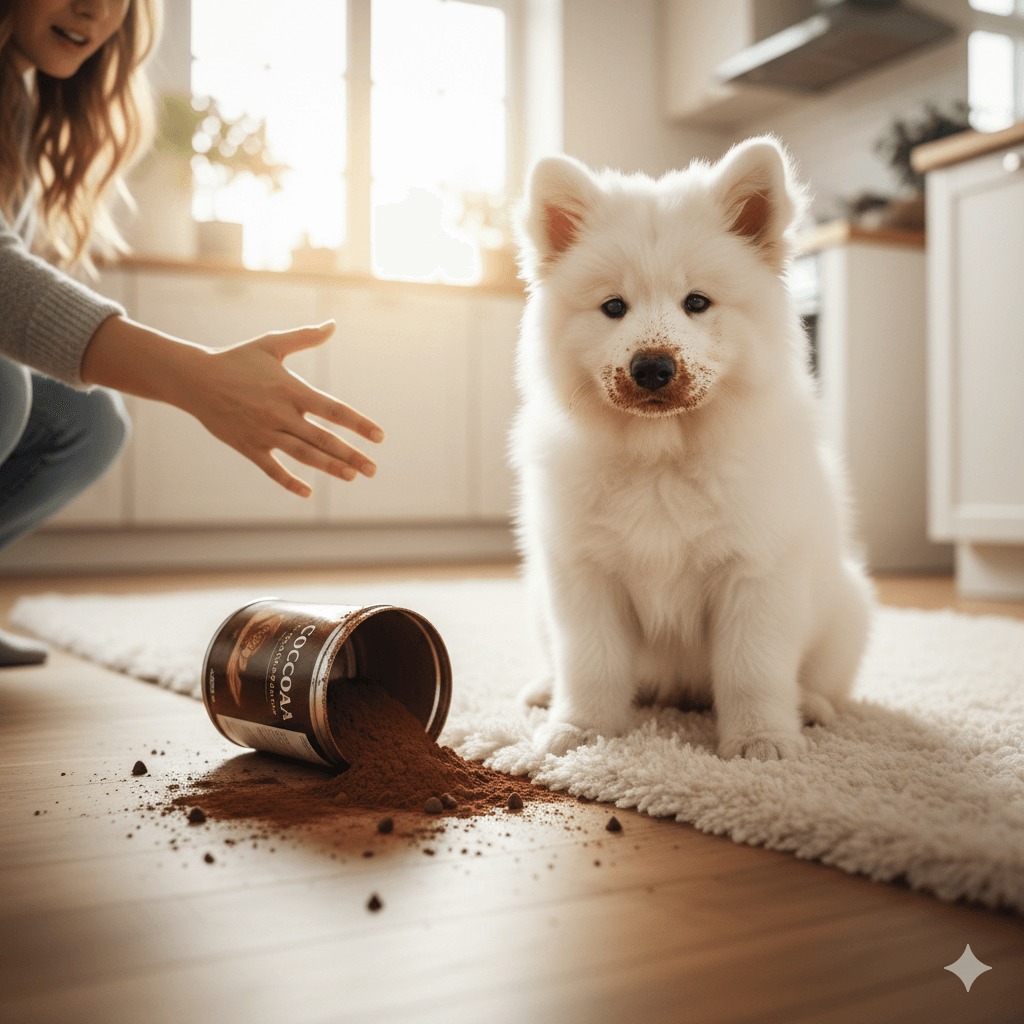
Cocoa powder may be a kitchen staple for baking, but it contains theobromine and caffeine, which are toxic to dogs. Even small amounts can lead to serious health issues, depending on your dog’s size and the quantity consumed. Recognizing the risks and knowing how to respond quickly can make all the difference in keeping your furry friend safe.
Common Symptoms of Cocoa Powder Toxicity in Dogs
Cocoa powder contains high concentrations of theobromine and caffeine, both of which are toxic to dogs. These compounds affect the central nervous system, cardiovascular system, and gastrointestinal tract. Recognizing the symptoms early is crucial for timely intervention and treatment. If your dog ingests cocoa powder, keep an eye out for these signs of toxicity, as they can escalate quickly without proper care.
- Vomiting and Diarrhea:
Theobromine irritates the stomach lining, leading to vomiting and diarrhea within hours of ingestion. In severe cases, blood may appear in vomit or stool due to gastrointestinal damage. - Restlessness and Hyperactivity:
Caffeine-like effects cause increased heart rate, panting, and restlessness. Your dog may seem unusually agitated or unable to settle down. - Seizures or Tremors:
High doses of cocoa powder can trigger seizures or muscle tremors as the toxins overwhelm the nervous system. This is a medical emergency requiring immediate attention. - Rapid Breathing or Panting:
Toxins overstimulate the respiratory system, causing excessive panting or difficulty breathing. Labored breathing indicates potential cardiovascular distress. - Lethargy or Weakness:
As toxicity progresses, dogs may become lethargic or collapse due to oxygen deprivation and electrolyte imbalances.
If you notice any combination of these symptoms after cocoa powder ingestion, contact your veterinarian immediately to prevent further complications.
How Much Cocoa Powder Is Dangerous for Dogs?
The level of toxicity depends on several factors, including your dog’s size, breed, and the amount of cocoa powder consumed. Smaller dogs are at greater risk, but even large breeds can suffer from significant exposure. Understanding these thresholds helps you assess the situation and determine whether veterinary care is necessary.
- Small Dogs (under 20 lbs):
Even a teaspoon of cocoa powder can be dangerous for small breeds like Chihuahuas or Toy Poodles, leading to mild to moderate toxicity. - Medium Dogs (20–50 lbs):
Dogs in this weight range can tolerate slightly higher amounts, but anything above 1–2 teaspoons may cause noticeable symptoms. - Large Dogs (over 50 lbs):
While larger breeds have more tolerance, consuming multiple tablespoons of cocoa powder can still result in severe reactions. - Breed-Specific Sensitivities:
Certain breeds, such as Greyhounds or Boxers, are more prone to cardiac issues, making them especially vulnerable to cocoa toxicity. - Cumulative Effects of Repeated Exposure:
Even small, repeated ingestions over time can build up in your dog’s system, increasing the risk of chronic toxicity and organ damage.
Knowing these limits ensures you respond appropriately and seek help when needed to protect your dog’s health.
Check this guide 👉Can Dogs Eat Chives? Best 7 Expert Tips!
Check this guide 👉Can Dogs Eat Cicadas: Best 7 Expert Tips!
Check this guide 👉Can Dogs Eat Apple Skin? Best 7 Expert Tips!
Lorem ipsum dolor sit amet, consectetur adipiscing elit. Ut elit tellus, luctus nec ullamcorper mattis, pulvinar dapibus leo.
First Aid Steps If Your Dog Ingested Cocoa Powder
Immediate action is critical if your dog consumes cocoa powder. While professional veterinary care is essential, there are steps you can take at home to stabilize your dog until you reach the clinic. Acting quickly can make a significant difference in your dog’s recovery.
- Do Not Induce Vomiting Without Advice:
Forcing vomiting can worsen irritation or lead to aspiration pneumonia unless explicitly instructed by a vet. - Offer Fresh Water:
Encourage your dog to drink water to help dilute toxins in the stomach and support hydration. Avoid forcing them to drink. - Monitor Closely for Symptoms:
Watch for changes in behavior, appetite, or energy levels over the next 24–48 hours. Note any unusual signs to report to your vet. - Call a Pet Poison Helpline:
Experts provide tailored advice based on your dog’s weight, breed, and the amount of cocoa powder ingested. Keep packaging handy for details. - Prepare for Vet Visit:
Bring any remaining cocoa powder or packaging to help the vet assess toxicity levels and plan appropriate treatment.
Your calm and informed response can significantly improve your dog’s chances of recovery.
Treatment Options for Cocoa Powder Toxicity
Veterinarians use various methods to manage cocoa powder poisoning, focusing on stabilizing your dog and preventing long-term damage. Early intervention improves outcomes significantly, so prompt action is essential.
- Activated Charcoal Administration:
Charcoal binds to toxins in the stomach, reducing absorption into the bloodstream and minimizing their effects on the body. - IV Fluid Therapy:
Intravenous fluids support hydration, flush toxins from the system, and correct electrolyte imbalances caused by vomiting or diarrhea. - Anti-Seizure Medications:
If seizures occur, medications like diazepam or phenobarbital may be administered to control convulsions and protect the brain. - Heart Rate Stabilization:
Beta-blockers or other medications regulate rapid heart rates caused by theobromine and caffeine overstimulation. - Hospitalization for Severe Cases:
Prolonged observation ensures recovery and addresses complications like arrhythmias, dehydration, or organ stress.
Modern veterinary care offers excellent chances of full recovery with timely and appropriate treatment.
Long-Term Effects of Cocoa Powder Toxicity
While most dogs recover fully with prompt treatment, some cases result in lingering effects that require ongoing management. Understanding these possibilities prepares you for long-term care needs and ensures your dog’s continued well-being.
- Chronic Kidney or Liver Damage:
Toxins strain these organs, potentially leading to reduced function over time. Regular blood work monitors their health. - Behavioral Changes:
Some dogs become more anxious or cautious after traumatic health episodes, requiring patience and reassurance from owners. - Increased Sensitivity to Stimulants:
Dogs recovering from cocoa toxicity may react more strongly to caffeine or other stimulants in the future. - Cardiovascular Issues:
Heart arrhythmias or weakened heart muscles may persist, necessitating dietary adjustments or medications. - Gastrointestinal Sensitivity:
Irritation from cocoa powder can leave the digestive tract more prone to upset, requiring bland diets during recovery.
Early recognition and consistent care mitigate long-term impacts, allowing your dog to thrive despite past challenges.
Preventing Future Cocoa Powder Exposure
Prevention is key to safeguarding your dog’s health. Simple precautions reduce the risk of accidental ingestion and ensure a safer environment. Proactive measures protect your dog from future incidents.
- Secure Food Storage:
Keep cocoa powder, chocolate, and other toxic foods in dog-proof containers or cabinets out of reach. - Educate Family Members:
Ensure everyone in the household knows which foods are unsafe for dogs to eat, including baking ingredients. - Avoid Feeding Table Scraps:
Many human foods contain hidden cocoa or chocolate; stick to species-appropriate diets instead. - Use Pet-Safe Recipes:
When baking for your dog, avoid ingredients like cocoa powder, chocolate chips, or coffee extracts entirely. - Train “Leave It” Commands:
Teaching this command prevents your dog from eating dropped or unknown items, reducing accidental exposures.
Proactive measures minimize risks and promote a healthier, happier life for your furry companion.
How Cocoa Powder Affects a Dog’s Body
Cocoa powder contains theobromine and caffeine, which are metabolized slowly in dogs compared to humans. These compounds accumulate in the bloodstream, affecting multiple systems and causing widespread harm. Understanding how cocoa powder impacts your dog’s body highlights the importance of prompt action if ingestion occurs.
- Central Nervous System Overstimulation:
Theobromine and caffeine excite neurons, leading to hyperactivity, tremors, or seizures as the brain struggles to cope with overstimulation. - Cardiovascular Stress:
These compounds increase heart rate and blood pressure, potentially causing arrhythmias or heart failure in severe cases. - Gastrointestinal Irritation:
Theobromine irritates the stomach lining, triggering vomiting, diarrhea, and abdominal pain shortly after ingestion. - Delayed Onset of Symptoms:
Unlike immediate toxins, cocoa powder toxicity symptoms may take 6–12 hours to appear, complicating early detection. - Metabolic Imbalances:
Toxins disrupt normal metabolic processes, leading to dehydration, electrolyte imbalances, and organ dysfunction over time.
Understanding these effects emphasizes the need for vigilance and quick action if your dog ingests cocoa powder.
“Dogs should not eat cocoa powder because it contains theobromine and caffeine. Theobromine and caffeine are highly toxic to dogs and can result in unpleasant symptoms. Dogs cannot quickly metabolize these substances like humans can, so their effects can have a longer duration than in humans.”
— Pet Poison Helpline
Frequently Asked Questions About Cocoa Powder and Dogs
What should I do if my dog ate cocoa powder?
Contact your veterinarian or a pet poison helpline immediately. Provide details about the amount ingested and your dog’s size for tailored advice.
How long does it take for symptoms to appear?
Symptoms typically emerge within 6–12 hours after ingestion, but they can take up to 24 hours in some cases. Monitor your dog closely during this time.
Is cocoa powder more toxic than chocolate?
Yes, cocoa powder contains higher concentrations of theobromine and caffeine compared to milk or dark chocolate, making it more dangerous even in small amounts.
Can I induce vomiting at home?
Only induce vomiting if explicitly instructed by a veterinarian or poison control expert. Doing so incorrectly can harm your dog further.
Will my dog recover fully from cocoa powder toxicity?
With prompt treatment, most dogs recover completely. However, severe cases may require ongoing care to address potential long-term effects like organ damage.
A Lifeline in Every Moment of Crisis
Discovering that your dog ingested cocoa powder can be alarming, but staying calm and informed makes all the difference. By recognizing symptoms early, acting swiftly, and working closely with your veterinarian, you give your dog the best chance at recovery. Prevention remains the cornerstone of safety—simple precautions like secure food storage and training commands like “leave it” go a long way in protecting your furry friend. Remember, your vigilance and quick thinking are the ultimate safeguards against accidental poisoning—and the foundation of a lifetime of love and trust.

Is Rawhide Bad for Cats? Best 7 Expert Tips! – Discover the risks, safe alternatives, and expert advice to keep your feline friend healthy and happy.

Is Rawhide Bad for Dogs? Best 7 Expert Tips! – Discover the risks, benefits, and safer alternatives to rawhides for your dog’s chewing needs.

Understanding Anorexia in Cats: Best 7 Expert Tips! – Learn why cats stop eating, spot warning signs, and discover how to help your feline regain appetite safely.

Understanding Anorexia in Dogs: Best 7 Expert Tips! – Learn causes, symptoms, and solutions to help your dog regain appetite and stay healthy.