
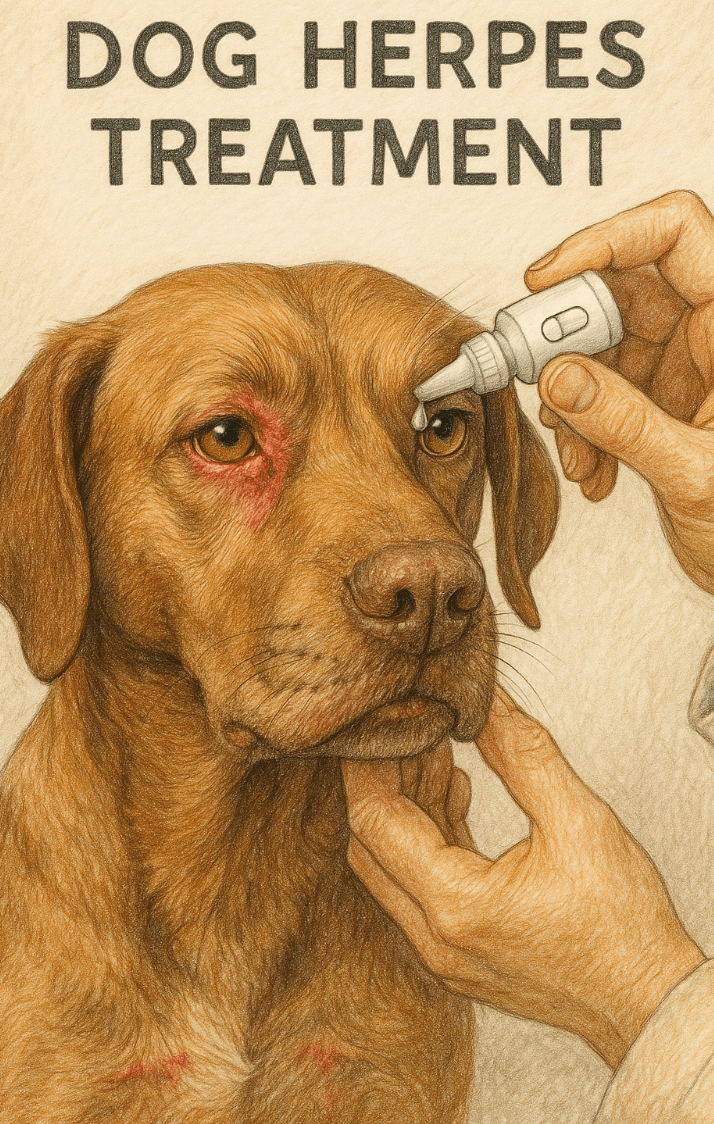

Dog Herpes Treatment: Understanding and Managing Canine Herpesvirus
Canine herpesvirus (CHV) is a viral infection that poses significant risks, particularly to puppies and immunocompromised dogs. While adult dogs often experience mild symptoms or remain asymptomatic, the virus can be devastating for newborn puppies, leading to severe illness or even death. Understanding dog herpes treatment options, prevention strategies, and how the virus spreads is crucial for ensuring the health and well-being of your furry companions. In this blog post, we’ll explore everything you need to know about managing canine herpesvirus, from recognizing symptoms to supporting recovery and safeguarding your pets.
Recognizing Symptoms of Canine Herpesvirus
Identifying the signs of canine herpesvirus early can make a significant difference in managing the condition effectively. Here’s what to look for in both adult dogs and puppies.
Fever and Lethargy:
Adult dogs may develop a mild fever and appear unusually tired or uninterested in activities.Respiratory Issues:
Sneezing, coughing, or nasal discharge are common symptoms, especially during initial infection.Reproductive Problems:
Female dogs may experience miscarriages or stillbirths due to the virus affecting the reproductive system.Weakness in Puppies:
Infected puppies often exhibit extreme weakness, lack of appetite, and difficulty nursing.Sudden Death in Newborns:
Tragically, many puppies infected with CHV pass away suddenly within days of birth without showing obvious symptoms beforehand.
Recognizing these symptoms promptly allows for faster intervention, which can improve outcomes for affected dogs.
Treatment Options for Dog Herpes
While there is no specific cure for canine herpesvirus, supportive care plays a vital role in managing the condition and helping infected dogs recover.
Antiviral Medications:
Veterinarians may prescribe antiviral drugs to reduce viral replication and alleviate symptoms.Fluid Therapy:
Dehydrated puppies or adults may require subcutaneous or intravenous fluids to maintain hydration levels.Nutritional Support:
Hand-feeding weak puppies or providing high-calorie supplements helps ensure they receive adequate nutrition.Warming Measures:
Keeping newborn puppies warm with heating pads or incubators can improve their chances of survival.Isolation Protocols:
Infected dogs should be isolated from healthy ones to prevent further transmission of the virus.
Though challenging, these treatments aim to support the immune system and mitigate complications caused by the virus.
Check this guide 👉Can Dogs Get Herpes? Best 7 Health Tips!
Check this guide 👉Can Dogs Get COVID? Best 7 Expert Tips!
Check this guide 👉Can Dogs Get STDs? Best 7 Health Tips!
Prevention Strategies for Canine Herpesvirus | Risks Associated with CHV |
|---|---|
Vaccinate breeding females before pregnancy | High mortality rate in newborn puppies |
Maintain cleanliness in kennels and homes | Reproductive failures in pregnant females |
Avoid introducing new dogs during breeding | Spread through direct contact and fluids |
Regular veterinary check-ups for breeders | Weakened immune systems increase risk |
Quarantine sick animals immediately | Stress exacerbates symptoms |
Preventing the Spread of Canine Herpesvirus
Prevention is critical when dealing with canine herpesvirus, as the disease spreads easily among dogs, especially in close quarters like kennels.
Vaccination Programs:
Vaccinating breeding females prior to mating significantly reduces the likelihood of transmitting the virus to puppies.Hygiene Practices:
Regularly disinfect living spaces, bedding, and equipment to minimize exposure to the virus.Limit Exposure During Breeding:
Avoid allowing pregnant females to interact with unfamiliar dogs who could carry the virus.Monitor Puppy Health Closely:
Watch for any signs of illness in newborns and seek veterinary care immediately if concerns arise.Educate Breeders and Owners:
Raising awareness about CHV ensures responsible practices that protect vulnerable populations.
By focusing on prevention, you can reduce the incidence of outbreaks and safeguard your dog’s health.
Supporting Recovery After a Canine Herpes Diagnosis
Recovery from canine herpesvirus depends heavily on supportive care and ongoing monitoring. These steps can help improve your dog’s prognosis.
Regular Vet Visits:
Schedule frequent check-ups to monitor progress and adjust treatment plans as needed.Comfort Measures:
Provide soft bedding, quiet environments, and gentle handling to keep infected dogs comfortable.Boost Immune System:
Offer a balanced diet rich in vitamins and minerals to strengthen overall immunity.Monitor for Secondary Infections:
Keep an eye out for bacterial infections, which can complicate recovery, and treat them promptly.Emotional Support:
Spend quality time with your dog to reassure them and reduce stress during their recovery period.
With consistent care and attention, many dogs can overcome the challenges posed by canine herpesvirus.
Common Misconceptions About Canine Herpesvirus
Misunderstandings about canine herpesvirus can hinder effective management. Clearing up these misconceptions helps foster better care practices.
“Only Puppies Are Affected”:
While puppies are most vulnerable, adult dogs can also contract and transmit the virus.“It’s Just Like Human Herpes”:
Unlike human herpesviruses, CHV is species-specific and cannot infect humans.“Antibiotics Cure CHV”:
Antibiotics target bacteria, not viruses; supportive care is essential for managing CHV.“Healthy Dogs Don’t Carry the Virus”:
Even asymptomatic dogs can harbor and spread the virus unknowingly.“Breeding Doesn’t Increase Risk”:
Breeding facilities are high-risk environments due to close contact between dogs.
Understanding these facts ensures more informed decisions regarding your dog’s health.
The Role of Nutrition in Supporting Immunity
Proper nutrition plays a vital role in strengthening your dog’s immune system against canine herpesvirus.
High-Quality Protein Sources:
Include lean meats like chicken or fish to support muscle repair and overall vitality.Essential Fatty Acids:
Omega-3 fatty acids found in salmon oil promote skin health and boost immunity.Vitamin Supplements:
Vitamins C and E act as antioxidants, protecting cells from damage caused by viral infections.Hydration Is Key:
Ensure access to fresh water at all times to flush toxins and maintain bodily functions.Avoid Processed Foods:
Low-quality kibble or treats filled with artificial additives can weaken the immune system over time.
A nutrient-rich diet lays the foundation for a strong immune response against diseases like CHV.
Creating a Safe Environment for Your Dog
A clean and secure environment minimizes exposure to pathogens, including canine herpesvirus.
Clean Living Spaces Regularly:
Disinfect floors, walls, and bedding to eliminate lingering viruses or bacteria.Separate Sick Animals:
Isolate infected dogs to prevent cross-contamination and protect healthy individuals.Control Visitor Access:
Limit interactions with unfamiliar dogs, especially in multi-dog households or kennels.Use Disposable Cleaning Supplies:
Opt for disposable gloves and wipes to avoid spreading germs during cleanup routines.Maintain Proper Ventilation:
Good airflow reduces airborne contaminants and keeps indoor environments healthier.
Taking these steps creates a safer space where your dog can thrive free from unnecessary risks.
Frequently Asked Questions About Dog Herpes Treatment
Can adult dogs die from canine herpesvirus?
Rarely, but immunocompromised adults or those with underlying conditions may face severe complications.
Is there a vaccine for canine herpesvirus?
Yes, vaccines are available specifically for breeding females to protect unborn puppies.
How does CHV spread between dogs?
The virus spreads through direct contact, respiratory secretions, and contaminated surfaces.
What should I do if my puppy shows signs of CHV?
Seek immediate veterinary care to provide supportive treatment and improve survival chances.
Can humans contract canine herpesvirus?
No, CHV is species-specific and cannot infect humans or other animals outside of canines.
Empowering Pet Owners Against Canine Herpesvirus
Managing and treating canine herpesvirus requires vigilance, compassion, and proactive care. While the virus presents unique challenges, particularly for vulnerable puppies, understanding its symptoms, treatment options, and prevention strategies empowers pet owners to protect their beloved companions. By prioritizing hygiene, vaccination, and supportive care, you can minimize risks and give your dogs the best chance at a healthy life. Remember, knowledge and preparation are your greatest allies in combating canine herpesvirus and ensuring the happiness and safety of your furry family members.
Understanding Cryptosporidium in Cats: Best 7 Expert Tips! – Spot symptoms, treat safely, and stop parasite spread in your home.
Understanding Cryptosporidium in Dogs: Best 7 Expert Tips! – Learn symptoms, treatment & prevention for this stubborn gut parasite.
Understanding Syringomyelia in Cats: Best 7 Expert Tips! – Recognize signs, manage pain, and support your cat’s neurological health with vet-backed guidance.
Understanding Syringomyelia in Dogs: Best 7 Expert Tips! – Expert insights on symptoms, MRI diagnosis, pain management & quality of life.


