

Dog Fireworks Anxiety: Best 7 Expert Tips!

Dog Fireworks Anxiety: Best 7 Expert Tips!

Dog Fireworks Anxiety: Helping Your Pup Stay Calm Through the Chaos

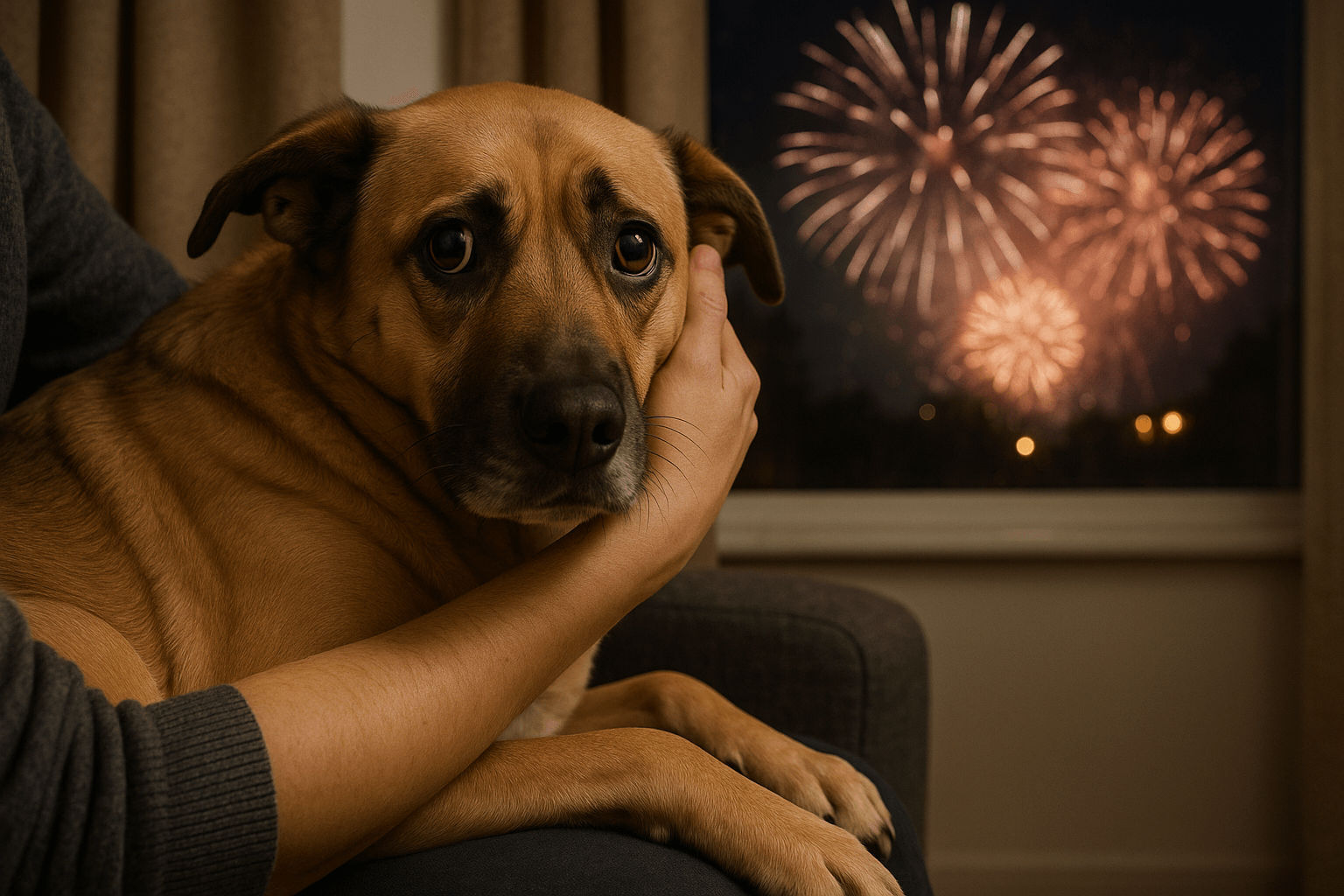
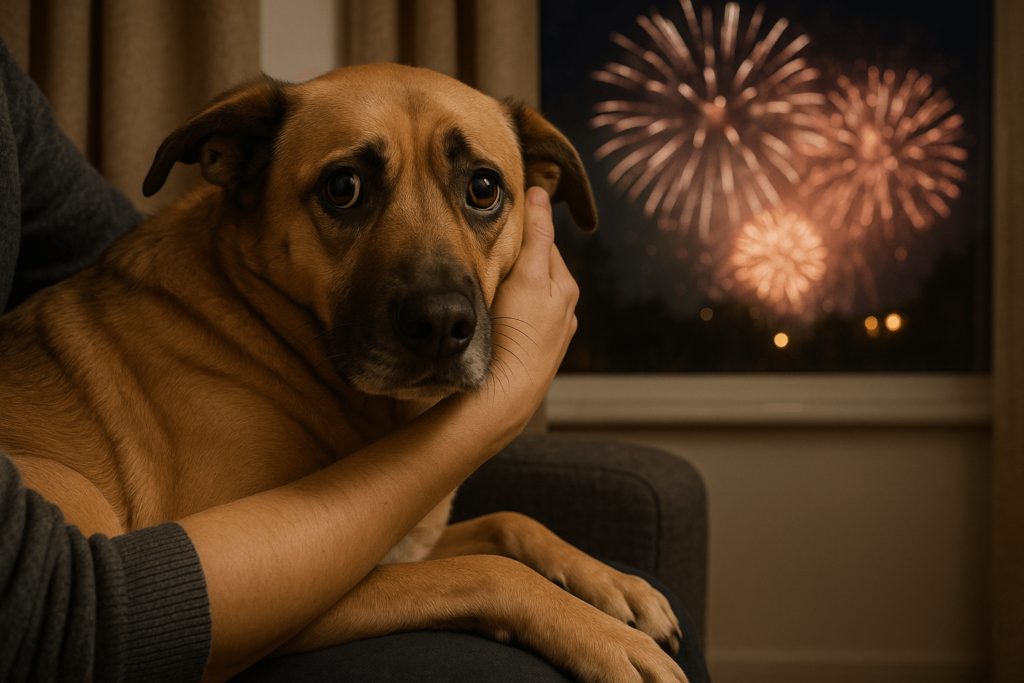
Few sounds unnerve dogs quite like the sudden crackle and boom of fireworks. For many, these loud, unpredictable noises trigger intense fear—panting, trembling, hiding, or even panic attempts to flee. While humans might enjoy the spectacle, our canine companions often experience it as a full-blown survival threat. The good news? With preparation, empathy, and the right strategies, you can significantly ease your dog’s distress. This guide walks you through proven, vet-approved ways to support your dog before, during, and after fireworks season.

Why Fireworks Trigger Fear in Dogs


Dogs hear frequencies nearly twice as high as humans, and fireworks don’t just sound loud—they feel like explosions in their sensitive ears. Their fight-or-flight response activates instantly, often without understanding the source.

 
  • Acute hearing sensitivity:
    Dogs can hear sounds at 40,000–60,000 Hz (humans max out around 20,000 Hz), making fireworks painfully intense.
     
  • Unpredictability of noise:
    Unlike thunder (which often comes with barometric shifts), fireworks offer no warning—creating chronic stress during events.
     
  • Past negative experiences:
    A single traumatic exposure can create long-term noise phobia, especially if the dog was young or alone at the time.
     
  • Evolutionary instinct:
    Sudden, sharp noises mimic predator attacks or environmental dangers—triggering deep-rooted survival reflexes.
     
  • Lack of control or escape:
    When confined indoors with no safe outlet, dogs feel trapped, amplifying panic and anxiety behaviors.
 

Understanding this physiological and emotional response helps us respond with compassion—not confusion—when our dogs act out of fear.

Dog Fireworks Anxiety: Best 7 Expert Tips!

Early Warning Signs of Fireworks Anxiety


Not all dogs bark or hide. Some show subtle cues that escalate quickly if ignored. Recognizing these early signals gives you time to intervene calmly.

 
  • Pacing or restlessness:
    Your dog may wander rooms repeatedly, unable to settle, even if offered a favorite bed.
     
  • Excessive panting (without heat):
    Rapid, shallow breathing unrelated to temperature is a classic stress indicator.
     
  • Whining or low growling:
    Vocalizations that increase as fireworks begin often signal rising distress.
     
  • Lip licking or yawning:
    These “calming signals” are stress responses dogs use to self-soothe in tense situations.
     
  • Clinginess or shadowing:
    Suddenly following you everywhere, even into the bathroom, shows your dog is seeking safety through proximity.
 

Catching these signs early allows you to implement calming strategies before full-blown panic sets in.

 
At-Home Calming Strategies When to Seek Professional Help
Create a quiet, enclosed safe space Dog tries to escape or injure themselves
Use white noise or calming music Anxiety persists days after fireworks
Try a Thundershirt or anxiety wrap Refusal to eat or drink for 24+ hours
Offer a long-lasting chew or puzzle toy History of severe noise phobia
Stay calm and present (but don’t coddle) First-time extreme reaction in adult dog

Creating a Safe Indoor Environment


Your home can become a sanctuary—if you prepare it thoughtfully. The goal is to muffle sound, block visuals, and offer comfort without reinforcing fear.

 
  • Choose a quiet interior room:
    Basements or closets without windows reduce both noise and flashing lights—ideal for minimizing sensory input.
     
  • Use heavy curtains or blankets:
    Cover windows and doors to dampen sound and obscure sky bursts that could spike anxiety.
     
  • Play background noise:
    White noise machines, calming playlists (like “Through a Dog’s Ear”), or a running fan mask distant booms.
     
  • Provide familiar scents:
    Your worn t-shirt or their favorite blanket carries reassuring pheromones and comfort.
     
  • Avoid forcing interaction:
    Let your dog choose their coping style—some want closeness, others need solitude. Respect their space.
 

A well-prepped safe zone doesn’t eliminate fear—but it gives your dog a place to feel protected and in control.

Calming Products and Tools That Work


Not all “anxiety aids” are equal. Evidence-backed options can make a real difference—especially when used proactively.

 
  • Thundershirt or anxiety wraps:
    Gentle, constant pressure mimics swaddling, shown to reduce heart rate and cortisol in many dogs.
     
  • Adaptil (dog-appeasing pheromone):
    Available as diffusers, sprays, or collars, it mimics the calming scent of a nursing mother dog.
     
  • Calming supplements (vet-approved):
    Ingredients like L-theanine, chamomile, or alpha-casozepine may ease mild-to-moderate stress—start 3–5 days ahead.
     
  • Interactive food puzzles:
    Mental engagement redirects focus; stuff a Kong with peanut butter or wet food hours before fireworks begin.
     
  • Noise-muffling earmuffs (for dogs):
    Specially designed canine ear protection (like Mutt Muffs) can reduce sound intensity by 20–30 dB.
 

Always test products during calm times first—introducing something new during fireworks can backfire.

What NOT to Do During Fireworks


Well-meaning actions can accidentally worsen anxiety. Avoid these common missteps to keep your dog feeling secure.

 
  • Don’t punish fearful behavior:
    Scolding barking or trembling teaches your dog their fear is “wrong”—deepening distress and eroding trust.
     
  • Don’t force them outside:
    Even for bathroom breaks, wait for lulls in noise or use pee pads to avoid exposure to chaos.
     
  • Avoid excessive comforting:
    Soothing with a high-pitched “It’s okay!” can signal that danger is real. Instead, stay calm, neutral, and present.
     
  • Don’t leave them alone if highly anxious:
    Isolation during peak fear can trigger destructive escape attempts or self-injury.
     
  • Never give human medications without vet approval:
    Benadryl may help some dogs, but drugs like Xanax require precise dosing and monitoring.
 

Your demeanor is your dog’s emotional barometer—steady presence matters more than words.

Long-Term Solutions: Desensitization & Counterconditioning


For recurring anxiety, short-term fixes aren’t enough. A structured behavior plan can rewire your dog’s response over time.

 
  • Start months before firework season:
    Use low-volume recordings of fireworks paired with high-value treats to build positive associations.
     
  • Go slowly and stay under threshold:
    If your dog shows stress (panting, turning away), lower the volume—you’re moving too fast.
     
  • Pair sound with fun activities:
    Play games, train tricks, or offer special chews only during sound sessions to create joyful links.
     
  • Keep sessions short (5–10 minutes):
    End on a positive note before fatigue or frustration sets in.
     
  • Work with a certified behaviorist if needed:
    Severe phobias often require professional guidance to avoid setbacks or worsening fear.
 

This process takes patience—but many dogs learn to tolerate, or even ignore, fireworks with consistent practice.

Planning Ahead for Firework Events


Proactivity is your strongest tool. A week-before checklist can turn a panic night into a manageable evening.

 
  • Confirm event dates in your area:
    Check local city calendars for Independence Day, New Year’s, or neighborhood celebrations.
     
  • Update ID tags and microchip info:
    Over 40% of lost dogs go missing during fireworks—ensure your contact details are current.
     
  • Practice safe confinement:
    If your dog isn’t crate-trained, introduce a cozy pen or gated room weeks in advance.
     
  • Stock up on calming supplies:
    Have your Thundershirt, Adaptil, and puzzle toys ready—don’t wait until the last minute.
     
  • Talk to your vet early:
    If medication might be needed (e.g., trazodone, gabapentin), schedule a consult well ahead of time.
 

Preparation reduces your stress too—letting you focus on supporting your dog, not scrambling in crisis mode.


Frequently Asked Questions

Can I give my dog Benadryl for fireworks anxiety?

Benadryl (diphenhydramine) may cause drowsiness in some dogs, but it doesn’t reduce true anxiety. Always consult your vet first—many dogs need targeted anti-anxiety meds instead.

Yes—specifically calming, instrumental music at a consistent volume. Try tracks scientifically designed for dogs, like those from “Through a Dog’s Ear.”

Unlikely without intervention. Noise phobias often worsen with repeated exposure if not addressed through training or management.

Herding and guarding breeds (e.g., Border Collies, German Shepherds) often show heightened noise sensitivity due to their alert, protective instincts.

If your dog has moderate to severe anxiety, your presence can be reassuring. If you must be out, arrange for a trusted pet sitter to stay with them.

Peace Over Panic—Your Dog’s Calm Starts With You


Fireworks anxiety doesn’t have to define every celebration season. With empathy, preparation, and the right toolkit, you can transform your dog’s experience from terror to tolerable—and sometimes even tranquil. Remember: your calm is contagious. By staying grounded, respecting their fear, and offering consistent support, you’re not just managing a reaction—you’re building trust that lasts long after the last boom fades. This year, let your dog feel safe, not scared, in the comfort of your care.

Spleen Cancer in Cats: Best 7 Expert Tips!

Spleen Cancer in Cats: Best 7 Expert Tips! – Expert insights on symptoms, care, treatment & quality of life for feline spleen cancer.

Dog Mastitis Treatment: Best 7 Expert Tips!

Dog Mastitis Treatment: Best 7 Expert Tips! – Safe, vet-approved care for nursing moms & prevention strategies.

The Shikoku Ken Dog: Best 7 Expert Tips!

The Shikoku Ken Dog: Best 7 Expert Tips! – Discover expert care, training & health advice for this rare, loyal Japanese mountain breed.

The Cairn Terrier Dog Breed: Best 7 Expert Tips!

The Cairn Terrier Dog Breed: Best 7 Expert Tips! – Discover care, training & health advice for this spirited, loyal Scottish terrier.

Leave a Reply

Your email address will not be published. Required fields are marked *

Recent Post

Post Category


