

Dog Ear Infection Spread to Brain: Best 7 Expert Tips!

Dog Ear Infection Spread to Brain: Best 7 Expert Tips!

Understanding Dog Ear Infection Spread to Brain: Best 7 Expert Tips!


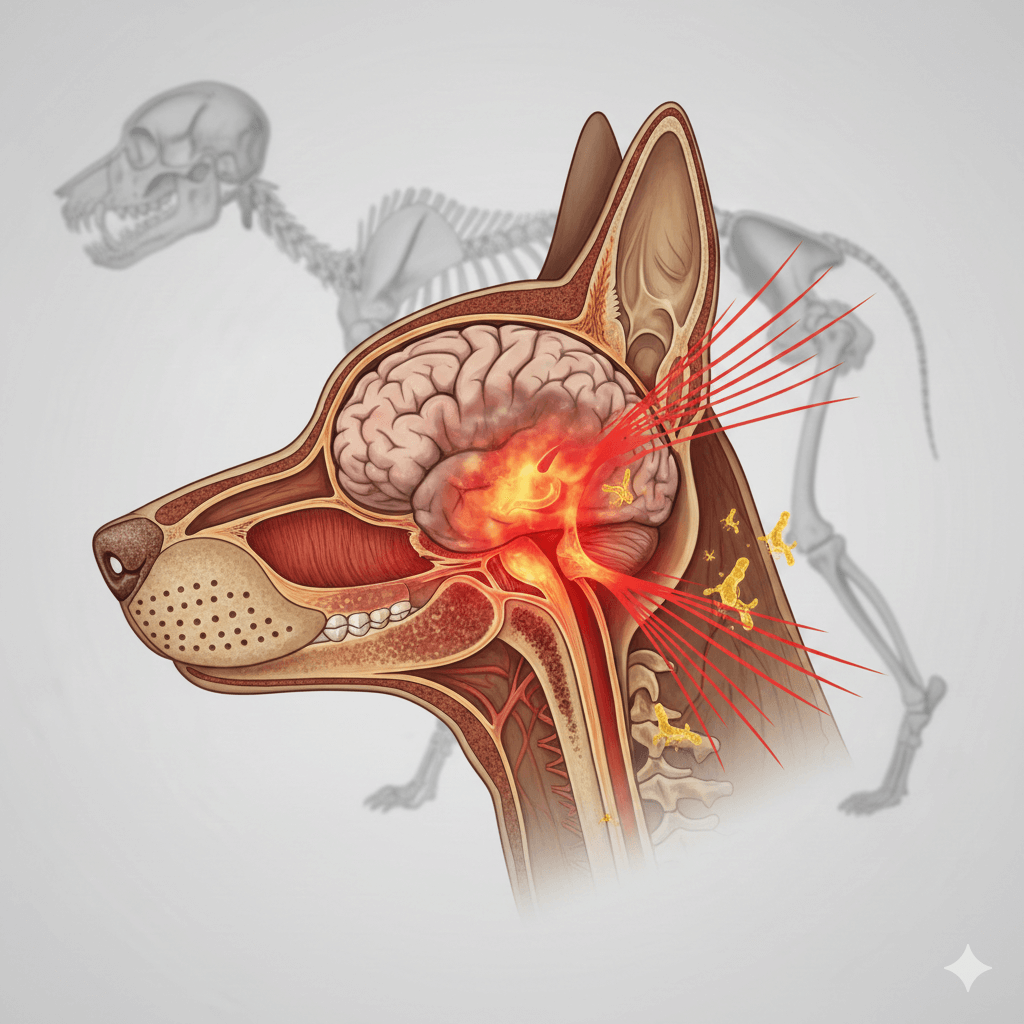
If your dog has been shaking their head excessively, tilting it to one side, or showing unusual balance issues, an ear infection may have progressed deeper—possibly even toward the brain. While most ear infections stay confined to the outer ear, untreated or severe cases can invade the middle or inner ear, and in rare instances, lead to neurological complications. Early detection and aggressive treatment are vital to prevent permanent damage. This guide offers expert-backed insights to help you recognize danger signs, act swiftly, and protect your dog’s long-term health.

How Ear Infections Can Reach the Brain


Ear infections in dogs usually begin in the outer ear canal, but when left unaddressed, bacteria or yeast can breach the eardrum and spread inward. The inner ear houses critical structures for balance and hearing—and lies close to the brainstem. In extreme cases, inflammation or infection can extend into the meninges or brain tissue, causing meningitis or encephalitis. While rare, this progression is serious and requires immediate veterinary intervention to prevent life-altering consequences:

 
  • Ruptured Eardrum:
    A compromised tympanic membrane allows pathogens direct access to the middle and inner ear.
     
  • Chronic or Recurrent Infections:
    Dogs with long-standing ear issues—especially breeds with floppy ears—face higher risk of deep tissue invasion.
     
  • Aggressive Pathogens:
    Certain bacteria (like Pseudomonas) or fungi can be highly invasive, resisting standard treatments and spreading rapidly.
     
  • Anatomical Vulnerability:
    The proximity of the inner ear to the brainstem creates a potential pathway for infection in severe cases.
     
  • Delayed Treatment:
    Ignoring early signs (odor, redness, scratching) gives microbes time to migrate deeper into sensitive areas.
 

Though uncommon, brain involvement is a medical emergency—prompt action can mean the difference between full recovery and permanent neurological damage.

Dog Ear Infection Spread to Brain: Best 7 Expert Tips!

Warning Signs the Infection May Be Affecting the Brain


When an ear infection spreads beyond the ear canal, neurological symptoms often emerge. These go beyond typical ear discomfort and signal possible central nervous system involvement. Watch for any of these red flags, especially if your dog already has a known ear issue:

 
  • Head Tilt That Worsens or Persists:
    A constant tilt (not just occasional) suggests inner ear or brainstem disruption.
     
  • Loss of Balance or Coordination:
    Staggering, circling, falling over, or inability to stand may indicate vestibular system compromise.
     
  • Nystagmus (Abnormal Eye Movements):
    Rapid, involuntary eye jerking—horizontal or rotary—is a classic sign of inner ear or brainstem irritation.
     
  • Facial Nerve Paralysis:
    Drooping eyelid, slack lip, or inability to blink on one side can occur if nearby nerves are inflamed.
     
  • Seizures or Altered Mental State:
    Confusion, disorientation, lethargy, or full seizures suggest infection may have reached brain tissue.
 

If any of these appear alongside ear symptoms, seek emergency veterinary care immediately—time is critical.

Early Ear Infection Clues
Neurological Red Flags
Head shaking or scratching
Persistent head tilt
Foul odor from ear
Loss of balance or falling
Redness or swelling
Abnormal, jerking eye movements
Discharge (yellow/brown)
Facial asymmetry or drooping
Mild discomfort or whining
Seizures or extreme lethargy

Diagnostic Steps Your Vet Will Take


Confirming whether an ear infection has spread to the brain requires advanced diagnostics. Your veterinarian will likely start with a physical and otoscopic exam but may escalate to imaging and lab tests to assess severity:

 
  • Otoscopy Under Sedation:
    A deep ear exam checks for eardrum integrity and hidden debris—often impossible in an awake, painful dog.
     
  • MRI or CT Scan:
    These imaging tools reveal inflammation, fluid, or abscesses in the inner ear, brainstem, or brain tissue.
     
  • Cerebrospinal Fluid (CSF) Analysis:
    If meningitis or encephalitis is suspected, a spinal tap may be performed to look for infection markers.
     
  • Bacterial Culture & Sensitivity:
    Identifies the exact pathogen and guides effective antibiotic selection—critical for resistant strains.
     
  • Blood Work and Inflammatory Markers:
    Helps rule out systemic illness and assess overall organ function before aggressive treatment.
 

Accurate diagnosis ensures targeted therapy and avoids delays that could worsen outcomes.

Treatment Options for Deep Ear Infections


Treatment intensifies significantly when brain involvement is suspected or confirmed. The goal is to eliminate infection, reduce inflammation, and support neurological function—often requiring hospitalization:

 
  • IV Antibiotics or Antifungals:
    Broad-spectrum, then pathogen-specific medications are delivered intravenously for maximum penetration.
     
  • Steroids to Reduce Swelling:
    Anti-inflammatories like prednisone may be used cautiously to ease pressure on nerves and brain tissue.
     
  • Pain Management:
    Dogs with inner ear or brain inflammation experience significant discomfort—appropriate analgesia is essential.
     
  • Supportive Care (IV Fluids, Nursing):
    Hydration, nutrition, and physical assistance (e.g., helping to stand) are vital during recovery.
     
  • Surgery in Severe Cases:
    A bulla osteotomy may be needed to drain infected material from the middle ear if medical therapy fails.
 

Recovery can take weeks to months, and some dogs may have residual balance issues—even with successful treatment.


Preventing Ear Infections from Escalating


Prevention is far safer—and kinder—than treating a brain-involved infection. Proactive ear care drastically reduces the risk of deep complications, especially in predisposed breeds:

 
  • Regular Ear Cleaning:
    Use vet-approved cleaners weekly (or after swimming) to remove debris and maintain pH balance.
     
  • Dry Ears Thoroughly:
    Moisture is a breeding ground—gently dry with a soft cloth or cotton ball after baths or rain.
     
  • Address Allergies Promptly:
    Food or environmental allergies often trigger chronic ear inflammation—manage them with your vet’s help.
     
  • Monitor High-Risk Breeds Closely:
    Dogs like Cocker Spaniels, Basset Hounds, or Poodles need extra attention due to ear anatomy.
     
  • Never Ignore Early Signs:
    Even mild odor or scratching warrants a check—early treatment stops progression before it turns dangerous.
 

Consistency in ear hygiene and prompt response to symptoms are your best defenses.

Special Considerations for Puppies, Seniors, and Immune-Compromised Dogs


Vulnerable dogs face higher risks of rapid infection spread due to weaker immune defenses or anatomical immaturity. Extra vigilance is non-negotiable for these groups:

 
  • Puppies:
    Their ear canals are still developing, and immune systems are naive—minor infections can escalate quickly.
     
  • Senior Dogs:
    Age-related decline in immunity or concurrent diseases (like hypothyroidism) increases susceptibility.
     
  • Dogs on Immunosuppressants:
    Those treated for autoimmune conditions or cancer have reduced ability to fight off invasive pathogens.
     
  • Brachycephalic Breeds:
    Narrow ear canals in Bulldogs or Pugs trap moisture and debris, creating ideal infection environments.
     
  • Dogs with History of Ear Surgery:
    Altered anatomy may impair drainage, raising the chance of recurrent or deep infections.
 

For these dogs, even a mild ear issue should be evaluated by a vet within 24 hours.

What to Expect During Recovery and Long-Term Outlook


Recovery from a deep ear infection—especially with neurological involvement—requires patience, consistency, and close vet collaboration. While many dogs improve significantly, some may retain mild deficits:

 
  • Gradual Symptom Improvement:
    Balance and head tilt often improve over days to weeks, though full resolution can take months.
     
  • Physical Therapy Support:
    In severe vestibular cases, guided exercises can help retrain balance and coordination.
     
  • Repeat Imaging or CSF Tests:
    May be needed to confirm infection clearance before stopping treatment.
     
  • Lifelong Ear Monitoring:
    Dogs with a history of deep infections often need ongoing care to prevent recurrence.
     
  • Possible Permanent Changes:
    Some dogs retain a slight head tilt or mild wobble—but most adapt well and enjoy good quality of life.
 

With dedicated care, even serious cases can have hopeful outcomes.

Frequently Asked Questions About Dog Ear Infection Spread to Brain

Can a dog ear infection really spread to the brain?

Yes—though rare, untreated infections can invade the inner ear and, in severe cases, reach the brainstem or meninges, causing meningitis or encephalitis.

There’s no fixed timeline—it depends on the pathogen, immune status, and treatment. In aggressive cases, progression can occur within days to weeks.

Not always—outer or middle ear infections can cause mild tilting. But a persistent, worsening tilt with balance issues suggests deeper involvement.

Many do, especially with early, aggressive treatment—though some may have residual neurological signs like a permanent head tilt.

No—never clean ears if you suspect a ruptured eardrum or neurological signs. You could push debris deeper or worsen inflammation. See a vet first.

Protecting Your Dog’s Hearing and Neurological Health


An ear infection spreading to the brain is every dog owner’s nightmare—but with knowledge, vigilance, and swift action, it’s often preventable or treatable. Your awareness of subtle changes—like a slight head tilt or unusual eye movement—can trigger life-saving intervention. Trust your instincts: if something feels “off,” don’t wait. By combining regular ear care with prompt veterinary support, you safeguard not just your dog’s comfort, but their very ability to hear, balance, and thrive. In the quiet moments of recovery, your steady presence becomes their anchor—reminding them, and you, that healing begins with love, care, and timely wisdom.

Is Rawhide Bad for Cats? Best 7 Expert Tips!

Is Rawhide Bad for Cats? Best 7 Expert Tips! – Discover the risks, safe alternatives, and expert advice to keep your feline friend healthy and happy.

Is Rawhide Bad for Dogs? Best 7 Expert Tips!

Is Rawhide Bad for Dogs? Best 7 Expert Tips! – Discover the risks, benefits, and safer alternatives to rawhides for your dog’s chewing needs.

Understanding Anorexia in Cats: Best 7 Expert Tips!

Understanding Anorexia in Cats: Best 7 Expert Tips! – Learn why cats stop eating, spot warning signs, and discover how to help your feline regain appetite safely.

Understanding Anorexia in Dogs: Best 7 Expert Tips!

Understanding Anorexia in Dogs: Best 7 Expert Tips! – Learn causes, symptoms, and solutions to help your dog regain appetite and stay healthy.

Leave a Reply

Your email address will not be published. Required fields are marked *