
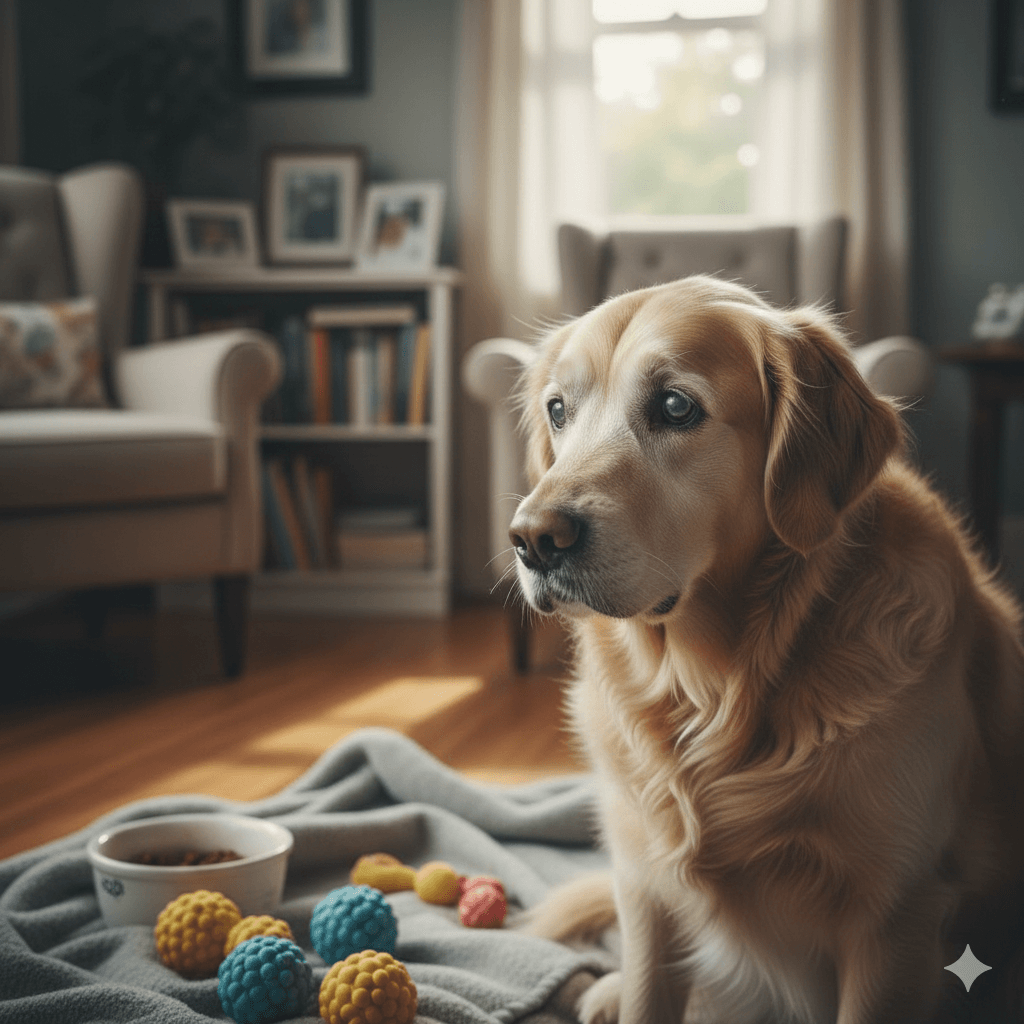

Understanding Dog Cognitive Decline
As dogs age, many experience changes in behavior, memory, and awareness—often signs of cognitive decline, similar to dementia in humans. Known as Canine Cognitive Dysfunction (CCD), this condition affects a significant portion of senior dogs, yet it’s frequently overlooked or mistaken for “just aging.” Early recognition can lead to meaningful interventions that slow progression and improve quality of life. With the right support, your dog can still enjoy comfort, connection, and calm in their golden years. You’re not alone in this journey—awareness is the first step toward compassionate care.
Common Signs Your Dog May Be Experiencing Cognitive Decline
Cognitive decline doesn’t strike overnight; it unfolds subtly, often mistaken for normal aging. However, specific behavioral shifts signal something more significant. Veterinarians use the acronym “DISHA” (Disorientation, Interaction changes, Sleep disturbances, House soiling, and Activity level changes) to identify key symptoms. Watch for these early indicators:
- Disorientation or Confusion:
Your dog may stare blankly at walls, get stuck in corners, or seem lost in familiar rooms or yards. - Altered Social Behavior:
Once-affectionate dogs might withdraw, avoid interaction, or conversely, become unusually clingy or anxious. - Sleep-Wake Cycle Disruptions:
Restless nights, pacing at 3 a.m., or excessive daytime sleeping often accompany cognitive changes. - House-Soiling Despite Training:
A previously housebroken dog may begin urinating or defecating indoors without apparent cause. - Loss of Learned Behaviors:
Commands like “sit” or “come” may be ignored—not out of disobedience, but because they’re forgotten.
These signs may seem minor at first, but when they persist or worsen over weeks, they strongly suggest cognitive dysfunction rather than simple aging.
When to Worry: Red Flags Beyond Typical Aging
Not every senior dog who slows down has CCD—but certain patterns demand closer evaluation. Distinguishing between normal aging and pathological decline ensures timely support:
- Sudden Behavioral Shifts:
Rapid changes in temperament or responsiveness may indicate pain, neurological issues, or metabolic disease—not just dementia. - Complete Disengagement:
A dog who no longer greets you, ignores toys, or shows no interest in food or walks needs medical assessment. - Increased Nighttime Vocalization:
Whining, howling, or barking at night can signal anxiety, confusion, or sensory loss tied to cognitive decline. - Failure to Recognize Family Members:
If your dog seems not to know you or reacts with fear to familiar people, cognitive impairment is likely advanced. - Compulsive or Repetitive Actions:
Circling, licking walls, or pacing in fixed patterns are neurological red flags requiring diagnosis.
If you observe multiple red flags, consult your vet—some underlying conditions are treatable, and early intervention can preserve mental function longer.
Check this guide 👉Dog Brain Tumor Symptoms: Best 7 Expert Tips!
Check this guide 👉Understanding Dog Neurosurgeon: Best 7 Expert Tips!
Check this guide 👉Understanding Neurological Disorders in Dogs: Best 7 Tips!
Early Warning Signs | Advanced Indicators to Monitor |
|---|---|
Mild disorientation in new places | Getting lost in familiar home |
Occasional indoor accidents | Complete loss of housetraining |
Slightly reduced enthusiasm | Total withdrawal from family |
Sleeping more during the day | Nighttime restlessness and vocalizing |
Hesitation with known commands | Inability to respond to name or cues |
Causes Behind Canine Cognitive Decline
While aging is the primary risk factor, cognitive decline stems from physical changes in the brain—not just “getting old.” Understanding the biology helps demystify the condition and guides prevention strategies:
- Brain Atrophy:
Like humans, aging dogs experience shrinkage in brain regions responsible for memory and learning. - Amyloid Plaque Buildup:
Accumulation of toxic proteins (similar to Alzheimer’s in humans) disrupts neuron communication. - Reduced Blood Flow:
Poor circulation to the brain limits oxygen and nutrient delivery, accelerating mental decline. - Oxidative Stress:
Free radicals damage brain cells over time, especially without sufficient antioxidants in the diet. - Chronic Inflammation:
Systemic inflammation from arthritis, dental disease, or obesity can negatively affect brain health.
Though some changes are inevitable, lifestyle and nutrition can significantly slow their progression—making proactive care essential.
At-Home Care Strategies for Dogs with Early Cognitive Decline
You can profoundly impact your dog’s cognitive health through daily routines, environmental enrichment, and diet. These supportive measures enhance neural resilience and reduce anxiety:
- Maintain a Predictable Routine:
Consistent feeding, walking, and sleeping times reduce confusion and provide security. - Mental Stimulation Through Play:
Use puzzle toys, scent games, or simple trick training to keep the brain active and engaged. - Create a Safe, Calm Environment:
Use nightlights, non-slip mats, and quiet spaces to minimize disorientation and stress. - Gentle Physical Activity:
Short, frequent walks support circulation and mood without overwhelming an aging body. - Comfort During Confusion:
Speak softly, avoid startling your dog, and gently guide them if they seem lost—never scold for cognitive lapses.
Compassionate, structured care at home can dramatically improve your dog’s sense of safety and well-being during this vulnerable phase.
Preventing or Slowing Future Cognitive Decline
Prevention begins long before symptoms appear. Starting cognitive support in middle age (around 6–7 years for most breeds) builds a stronger neural foundation:
- Antioxidant-Rich Diet:
Foods with vitamins E and C, selenium, and omega-3s combat oxidative stress in the brain. - High-Quality Senior Dog Food:
Choose formulas with medium-chain triglycerides (MCTs), which provide alternative brain fuel. - Regular Veterinary Check-Ups:
Annual blood work and cognitive screening help catch issues early and manage contributing health problems. - Lifelong Learning:
Keep teaching new tricks or commands—mental challenges build cognitive reserve, even in older dogs. - Social Interaction:
Safe, positive contact with people or calm dogs maintains emotional engagement and reduces isolation.
Just as with humans, a “brain-healthy” lifestyle is the best defense against decline—and it’s never too early or too late to start.
Special Considerations for Small Breeds, Large Breeds, and High-Risk Dogs
Cognitive decline affects all dogs, but risk and progression vary by size, breed, and health history. Tailoring care to your dog’s profile improves outcomes:
- Small Breeds (e.g., Chihuahuas, Poodles):
Often live longer, giving more time for CCD to develop—vigilance after age 10 is key. - Large and Giant Breeds (e.g., Great Danes, Mastiffs):
Age faster and may show signs as early as 6–7 years; start cognitive support sooner. - Dogs with Chronic Pain:
Arthritis or dental disease can mimic or worsen cognitive symptoms—treat pain aggressively. - Brachycephalic Breeds (e.g., Pugs, Bulldogs):
Poor oxygenation due to breathing issues may accelerate brain aging; monitor closely. - Dogs with History of Seizures or Head Trauma:
These increase neurological vulnerability and require enhanced cognitive monitoring.
Understanding your dog’s unique risk profile helps you act with foresight, not just reaction.
What to Expect During a Veterinary Visit for Cognitive Concerns
If you suspect cognitive decline, your vet will rule out other conditions (like thyroid disease or brain tumors) before diagnosing CCD. The process is thorough but gentle:
- Detailed Behavioral History:
You’ll fill out a questionnaire (like the CADES™ scale) tracking changes in sleep, interaction, and house training. - Physical and Neurological Exam:
Your vet checks reflexes, vision, hearing, and coordination to assess brain and nerve function. - Blood and Urine Tests:
These identify metabolic issues that mimic dementia, such as kidney disease or liver dysfunction. - Imaging (if needed):
MRI or CT scans may be recommended in complex cases to rule out structural brain abnormalities. - Personalized Management Plan:
Treatment often combines diet, supplements, medication (like selegiline), and environmental adjustments.
A diagnosis isn’t an endpoint—it’s a roadmap to preserving your dog’s dignity, joy, and connection for as long as possible.
“CCD is a common, yet difficult-to-diagnose, neurodegenerative disorder. It involves progressive loss of structure and function of nerve cells in the brain.” — Dr. Gene Pavlovsky
Frequently Asked Questions About Dog Cognitive Decline
Can dog cognitive decline be reversed?
Unfortunately, it’s not reversible—but progression can be significantly slowed with early intervention and consistent care.
How quickly does canine dementia progress?
It varies: some dogs decline slowly over 1–2 years, while others worsen rapidly in months. Early action improves prognosis.
Are certain breeds more prone to cognitive decline?
All breeds are affected, but longer-lived small breeds show higher rates simply because they reach advanced age more often.
Is it safe to give my dog supplements for brain health?
Many veterinary-approved supplements (like Senilife or Aktivait) are safe and effective—always consult your vet before starting any.
Should I still walk my dog if they seem confused outside?
Yes—short, familiar walks provide mental stimulation and comfort. Use a harness and stay close to reduce anxiety.
Supporting Your Senior Dog Through Cognitive Changes with Love
Seeing your once-sharp companion grow confused or distant is one of the hardest parts of loving a dog through old age. Yet within this challenge lies a profound opportunity—to show up with patience, creativity, and unwavering kindness. Cognitive decline doesn’t erase your dog’s essence; it simply asks you to meet them in new ways. By adapting your home, routines, and expectations, you give them the gift of dignity and peace. And in doing so, you honor the years of loyalty they’ve given you. Their golden years may be quieter, but with your steady presence, they can still be filled with love, safety, and gentle joy.
Is Rawhide Bad for Cats? Best 7 Expert Tips! – Discover the risks, safe alternatives, and expert advice to keep your feline friend healthy and happy.

Is Rawhide Bad for Dogs? Best 7 Expert Tips! – Discover the risks, benefits, and safer alternatives to rawhides for your dog’s chewing needs.

Understanding Anorexia in Cats: Best 7 Expert Tips! – Learn why cats stop eating, spot warning signs, and discover how to help your feline regain appetite safely.

Understanding Anorexia in Dogs: Best 7 Expert Tips! – Learn causes, symptoms, and solutions to help your dog regain appetite and stay healthy.