
Understanding Dog Caffeine Toxicity: A Serious Health Risk
Common Symptoms of Caffeine Toxicity in Dogs
- Restlessness and Hyperactivity:
Dogs may appear unusually energetic or agitated due to caffeine’s stimulant effects on the nervous system. This hyperactivity often seems out of character and persists despite attempts to calm them. - Rapid Heart Rate (Tachycardia):
Caffeine increases heart rate significantly, which strains the cardiovascular system and leads to palpitations or irregular rhythms in severe cases. - Vomiting and Diarrhea:
Gastrointestinal upset occurs as the body tries to expel the toxin; vomiting may contain traces of coffee grounds or other caffeinated substances. - Tremors or Seizures:
High doses of caffeine overstimulate the nervous system, causing muscle tremors or full-blown seizures that require immediate veterinary care. - Collapse or Weakness:
In extreme cases, caffeine toxicity overwhelms the body, leading to collapse, weakness, or unresponsiveness due to oxygen deprivation or organ stress.
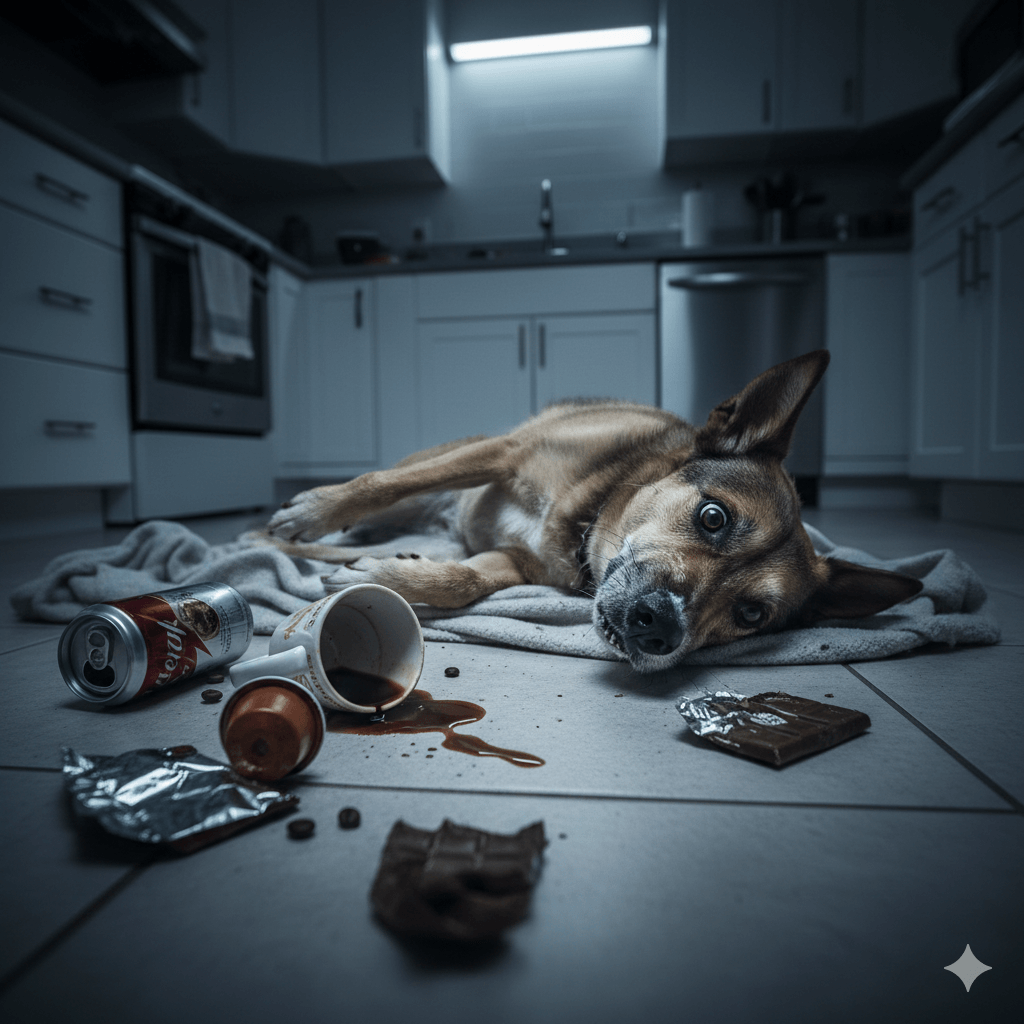
Foods and Products That Contain Caffeine
- Coffee and Tea:
Grounds, beans, brewed coffee, and tea leaves all contain varying levels of caffeine; even used tea bags pose a risk if chewed or swallowed. - Energy Drinks and Sodas:
Many energy drinks and colas are highly concentrated with caffeine and sugar, amplifying their harmful effects when consumed by dogs. - Chocolate-Covered Coffee Beans:
These treats combine two toxic ingredients—caffeine and theobromine—making them especially dangerous for curious pups. - Weight Loss Supplements:
Some diet pills and over-the-counter weight loss products contain caffeine as an active ingredient, posing hidden hazards in homes where supplements are stored improperly. - Medications and Topical Creams:
Certain medications, including pain relievers or topical creams, incorporate caffeine for its stimulating properties, adding another layer of risk.
Check this guide 👉Dog Toxicity Treatment at Home: Best 7 Expert Tips!
Check this guide 👉Non-Toxic Dog Toys: Best 7 Expert Tips!
Check this guide 👉What is Toxic to Dogs: Best 7 Expert Tips!
Early Warning Signs | Immediate Actions to Take |
|---|---|
Restlessness or hyperactivity | Call your vet or pet poison hotline immediately |
Rapid breathing or panting | Monitor your dog’s heart rate and breathing closely |
Vomiting or diarrhea | Avoid inducing vomiting without professional advice |
Tremors or muscle twitching | Keep your dog calm and restrict movement |
Collapse or seizures | Rush to the nearest emergency vet clinic |
How Caffeine Affects a Dog’s Body
- Central Nervous System Stimulation:
Caffeine excites neurons in the brain, leading to restlessness, anxiety, and heightened sensitivity to stimuli such as sounds or touch. - Cardiovascular Overload:
The heart works harder under caffeine’s influence, increasing blood pressure and risking arrhythmias or cardiac arrest in extreme cases. - Respiratory Distress:
Caffeine accelerates breathing rates, potentially causing hyperventilation or difficulty catching their breath during physical activity. - Metabolic Stress:
The liver struggles to process caffeine efficiently, leading to toxin buildup that further compromises overall health and recovery chances. - Kidney and Bladder Irritation:
Diuretic effects increase urine production, dehydrating your dog and irritating the urinary tract, especially in sensitive breeds.
First Aid Steps for Caffeine Poisoning
- Do Not Induce Vomiting Without Advice:
Forcing vomiting without guidance can worsen irritation or aspiration risks unless explicitly instructed by a vet. - Offer Fresh Water:
Encourage hydration to help flush toxins from the system, but avoid forcing your dog to drink excessively. - Keep Your Dog Calm:
Minimize stimulation by placing them in a quiet, dimly lit room away from noise or excitement. - Contact a Pet Poison Helpline:
Experts provide tailored advice based on your dog’s weight, breed, and caffeine quantity ingested, guiding next steps effectively. - Prepare for Emergency Care:
Bring packaging or details about the ingested product to help the vet assess toxicity levels accurately and plan treatment accordingly.
Treatment Options for Caffeine Toxicity
- Activated Charcoal Administration:
Charcoal binds to toxins in the stomach, preventing further absorption into the bloodstream and limiting systemic effects. - IV Fluid Therapy:
Intravenous fluids support hydration, flush toxins, and stabilize electrolyte imbalances caused by caffeine’s diuretic properties. - Anti-Seizure Medications:
If tremors or seizures occur, vets administer medications to control neurological symptoms and prevent additional harm. - Heart Monitoring and Support:
Continuous ECG monitoring detects arrhythmias, while medications stabilize heart rate and rhythm as needed. - Hospitalization for Severe Cases:
Prolonged observation ensures recovery and addresses complications such as dehydration, kidney stress, or respiratory distress.
Preventing Future Caffeine Exposure
- Secure Food Storage:
Store caffeinated items like coffee grounds, tea bags, and energy drinks in sealed containers or high shelves inaccessible to pets. - Educate Family Members:
Ensure everyone in the household understands the dangers of caffeine and avoids feeding human snacks to dogs. - Avoid Leaving Drinks Unattended:
Never leave cups of coffee, soda, or energy drinks within reach of curious noses, especially during gatherings or meals. - Use Pet-Safe Trash Bins:
Dispose of used tea bags, coffee filters, or medication wrappers in dog-proof bins to prevent scavenging accidents. - Train “Leave It” Commands:
Teaching this command prevents your dog from eating dropped or unknown items, reducing accidental ingestion risks.
Long-Term Effects of Caffeine Toxicity
- Chronic Kidney Issues:
Dehydration and toxin buildup strain the kidneys, necessitating regular check-ups and dietary adjustments to support renal function. - Behavioral Changes:
Some dogs exhibit increased anxiety or fearfulness after traumatic episodes, requiring patience and behavioral rehabilitation. - Cardiac Monitoring:
Heart abnormalities caused by caffeine may persist, requiring periodic ECG tests or medications to maintain cardiovascular health. - Neurological Sensitivity:
Seizures or tremors experienced during toxicity may lower seizure thresholds, making future episodes more likely under stress or illness. - Increased Veterinary Costs:
Frequent visits, lab work, and medications add up, emphasizing the importance of prevention over treatment in managing caffeine risks.
“Chocolate, coffee, and caffeine are similar in that their toxicity concerns stem from their methylxanthine concentrations.”
— ASPCA Poison Control
Frequently Asked Questions About Caffeine Toxicity in Dogs
What should I do if my dog drinks coffee?
Contact your vet immediately, even if symptoms haven’t appeared yet; early intervention prevents complications.
How much caffeine is toxic to dogs?
Toxicity depends on size and breed, but as little as 10 mg per pound of body weight can be dangerous—roughly the amount in one cup of brewed coffee for a small dog.
Can dogs recover from caffeine poisoning?
Yes—with prompt treatment, most dogs recover fully, though severe cases may require extended care or monitoring for long-term effects.
Are decaf products safe for dogs?
Decaf still contains trace amounts of caffeine, so it’s best to avoid sharing any caffeinated or decaffeinated items with your dog entirely.
What if my dog ate chocolate-covered espresso beans?
These are doubly toxic due to caffeine and theobromine; seek emergency veterinary care immediately to address both toxins simultaneously.
A Lifeline in Every Moment of Crisis

Is Rawhide Bad for Cats? Best 7 Expert Tips! – Discover the risks, safe alternatives, and expert advice to keep your feline friend healthy and happy.

Is Rawhide Bad for Dogs? Best 7 Expert Tips! – Discover the risks, benefits, and safer alternatives to rawhides for your dog’s chewing needs.

Understanding Anorexia in Cats: Best 7 Expert Tips! – Learn why cats stop eating, spot warning signs, and discover how to help your feline regain appetite safely.

Understanding Anorexia in Dogs: Best 7 Expert Tips! – Learn causes, symptoms, and solutions to help your dog regain appetite and stay healthy.