

Dog Blood Infection Treatment: What Every Pet Owner Needs to Know
A blood infection, also known as sepsis or bacteremia, is a serious and potentially life-threatening condition in dogs. It occurs when harmful bacteria or toxins enter the bloodstream, spreading throughout the body and causing widespread inflammation. As a pet owner, recognizing the signs of a blood infection early and understanding the treatment options can make all the difference in saving your dog’s life. This guide will walk you through the causes, symptoms, and treatment approaches for dog blood infections, empowering you to act quickly and effectively if your furry friend ever faces this challenge.
Expert Opinion on Dog Blood Infection Treatment
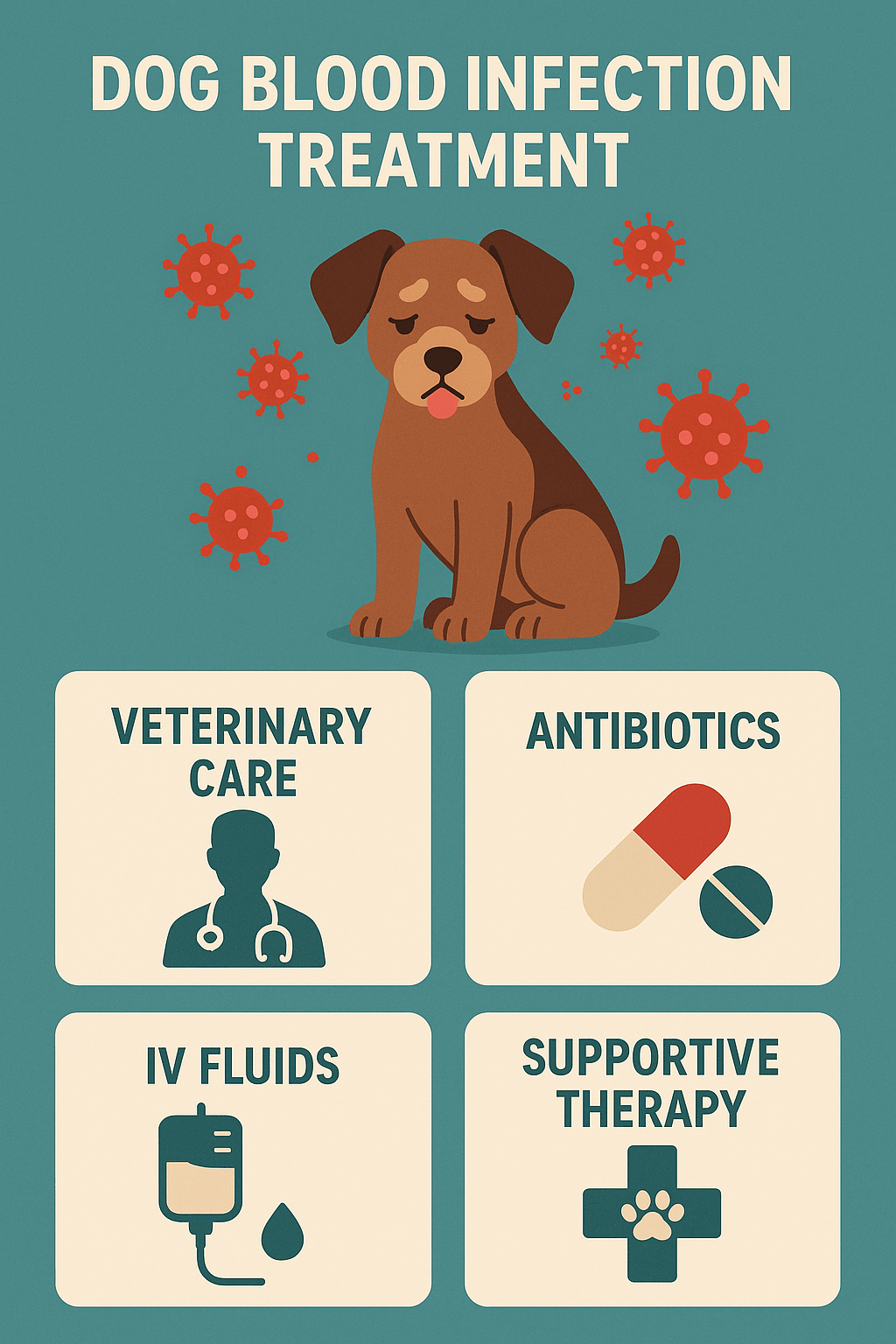
“Based on your dog’s history, physical examination, and diagnostic results, your veterinarian will determine a course of treatment. It is extremely likely that your pet will be hospitalized with IV fluids to keep them hydrated, and will be given medications to help maintain blood pressure as well as treat any vomiting, diarrhea, or pain. Antibiotics will also likely be an important part of your pet’s care. Oxygen therapy may be needed if they are having trouble breathing.”
Common Symptoms of a Dog Blood Infection
Identifying a blood infection in its early stages is crucial for successful treatment. Dogs may exhibit a range of symptoms, some subtle and others more severe. Familiarizing yourself with these signs can help you seek veterinary care promptly.
Fever or Hypothermia:
A sudden spike in body temperature or unusually low body heat can indicate an infection.Lethargy and Weakness:
Dogs with blood infections often appear unusually tired or unwilling to engage in normal activities.Loss of Appetite:
Refusal to eat or drink is a common symptom of systemic illness, including blood infections.Rapid Breathing or Difficulty Breathing:
Labored breathing may occur as the infection affects the dog’s respiratory system.Pale or Yellowish Gums:
Changes in gum color can signal poor circulation or liver issues caused by the infection.
If your dog displays any combination of these symptoms, it’s essential to consult a veterinarian immediately to rule out or confirm a blood infection.
Treatment Options for Dog Blood Infections
Treating a blood infection in dogs requires a comprehensive approach tailored to the severity of the condition. Early intervention significantly improves the chances of recovery. Here are the most common treatment methods used by veterinarians.
Antibiotics:
Broad-spectrum antibiotics are typically administered to target and eliminate the bacteria causing the infection.Intravenous Fluids:
IV fluids help stabilize the dog’s hydration levels and support organ function during the infection.Pain Management:
Pain relief medications may be prescribed to keep the dog comfortable while undergoing treatment.Oxygen Therapy:
For dogs experiencing respiratory distress, supplemental oxygen can aid in breathing and recovery.Monitoring and Supportive Care:
Continuous monitoring in a veterinary hospital ensures complications are addressed promptly.
With timely and appropriate treatment, many dogs recover fully from blood infections, though ongoing care and follow-ups are often necessary.
Check this guide 👉WBC Dog Blood Test: Best 7 Expert Tips!
Check this guide 👉EOS Dog Blood Test: Best 7 Expert Tips!
Check this guide 👉Dog Blood Donation: Best 7 Expert Tips!
Causes of Dog Blood Infections | Preventive Measures |
|---|---|
Bacterial infections from wounds | Keep wounds clean and monitor for signs of infection |
Dental disease or abscesses | Maintain regular dental check-ups and cleanings |
Tick-borne diseases like Lyme disease | Use tick prevention products and check for ticks regularly |
Urinary tract infections | Ensure proper hydration and address urinary issues early |
Surgery or invasive medical procedures | Follow post-operative care instructions carefully |
How to Support Your Dog During Recovery
Recovery from a blood infection can be a lengthy process, but your role as a pet owner is vital in ensuring your dog regains full health. Here are some ways to support your dog during this time.
Provide a Quiet and Comfortable Space:
Allow your dog to rest in a calm environment free from excessive noise or activity.Follow Medication Instructions Carefully:
Administer prescribed medications exactly as directed by your veterinarian to avoid setbacks.Offer Nutritious Food:
Serve high-quality, easily digestible food to help rebuild strength and boost the immune system.Monitor for Relapse Signs:
Watch for recurring symptoms, such as fever or lethargy, and report them to your vet immediately.Encourage Gentle Exercise:
Once cleared by your vet, introduce light walks to help your dog regain mobility without overexertion.
By providing attentive care and adhering to your vet’s recommendations, you can help your dog recover faster and reduce the risk of complications.
When to Seek Emergency Veterinary Care
While routine vet visits are important, certain situations demand immediate attention. Knowing when to act can save your dog’s life during a blood infection crisis.
Sudden Collapse or Seizures:
These are critical signs that your dog’s condition is deteriorating rapidly.Difficulty Breathing or Bluish Gums:
Respiratory distress indicates a potential lack of oxygen, requiring urgent intervention.Uncontrollable Vomiting or Diarrhea:
Persistent gastrointestinal issues can lead to dehydration and further complications.Extreme Lethargy or Unresponsiveness:
If your dog is unable to stand or respond to stimuli, seek emergency care immediately.Swelling or Redness Around Wounds:
Rapidly worsening wound conditions may indicate a spreading infection.
Acting quickly in these scenarios ensures your dog receives the life-saving care they need.
Common Misconceptions About Dog Blood Infections
Misinformation about blood infections in dogs can delay treatment or lead to unnecessary worry. Clearing up these misconceptions helps pet owners make informed decisions.
Myth: Blood infections only affect older dogs.
While senior dogs are at higher risk, puppies and adult dogs can also develop blood infections.Myth: Antibiotics alone are enough to treat the infection.
Comprehensive care, including IV fluids and supportive therapies, is often required for effective treatment.Myth: Blood infections are always contagious.
Most blood infections are not transmissible between dogs, though underlying causes like tick-borne diseases can spread.Myth: Recovery happens overnight.
Full recovery can take weeks or months, depending on the severity of the infection.Myth: Prevention is impossible.
Routine vet care and preventive measures significantly reduce the risk of blood infections.
Understanding the facts ensures you’re better equipped to handle this challenging condition.
The Role of Nutrition in Recovery
Proper nutrition plays a key role in helping your dog recover from a blood infection. A balanced diet supports healing and strengthens the immune system.
High-Quality Protein:
Protein-rich foods aid tissue repair and muscle recovery after illness.Hydration is Key:
Ensure your dog drinks plenty of water to flush toxins from their system.Probiotics for Gut Health:
Probiotics can restore gut flora disrupted by antibiotics or illness.Omega-3 Fatty Acids:
Supplements like fish oil reduce inflammation and promote overall health.Avoid Processed Foods:
Stick to whole, natural ingredients to avoid additional stress on your dog’s body.
Feeding your dog the right nutrients accelerates recovery and enhances their quality of life.
Emotional Support for Your Dog During Illness
Dogs rely heavily on their owners for emotional comfort, especially during times of illness. Providing reassurance and companionship can ease their stress and speed up recovery.
Stay Close and Reassuring:
Spend extra time with your dog to comfort them and reduce anxiety.Use Calming Techniques:
Gentle petting or soft music can create a soothing atmosphere.Maintain Routine:
Stick to familiar routines, such as feeding and walking schedules, to provide stability.Limit Exposure to Stressors:
Minimize interactions with other pets or loud noises that might overwhelm your dog.Celebrate Small Wins:
Reward progress, no matter how minor, to keep spirits high for both you and your dog.
Emotional support goes hand-in-hand with medical treatment, fostering a sense of security and trust during recovery.
Frequently Asked Questions About Dog Blood Infections
What causes a blood infection in dogs?
Blood infections often result from bacteria entering the bloodstream due to wounds, surgeries, or underlying health issues.
How long does treatment take?
Treatment duration varies depending on the severity but typically lasts several weeks to months.
Can a blood infection be fatal?
Without prompt treatment, blood infections can be life-threatening, but early intervention improves survival rates.
How can I prevent blood infections?
Regular vet check-ups, proper hygiene, and preventive measures like tick control can reduce the risk.
What should I do if my dog seems unwell?
Contact your veterinarian immediately to discuss symptoms and determine the best course of action.
Empowering Pet Owners to Act Quickly and Effectively
A blood infection in dogs is a serious condition that demands swift action and dedicated care. By understanding the symptoms, treatment options, and preventive measures, you can play a proactive role in safeguarding your dog’s health. Remember, your veterinarian is your greatest ally in managing this condition—never hesitate to reach out for professional advice. With love, patience, and the right medical support, your canine companion can overcome a blood infection and return to their happy, tail-wagging self.
Spleen Cancer in Cats: Best 7 Expert Tips! – Expert insights on symptoms, care, treatment & quality of life for feline spleen cancer.
Dog Mastitis Treatment: Best 7 Expert Tips! – Safe, vet-approved care for nursing moms & prevention strategies.
The Shikoku Ken Dog: Best 7 Expert Tips! – Discover expert care, training & health advice for this rare, loyal Japanese mountain breed.
The Cairn Terrier Dog Breed: Best 7 Expert Tips! – Discover care, training & health advice for this spirited, loyal Scottish terrier.


