
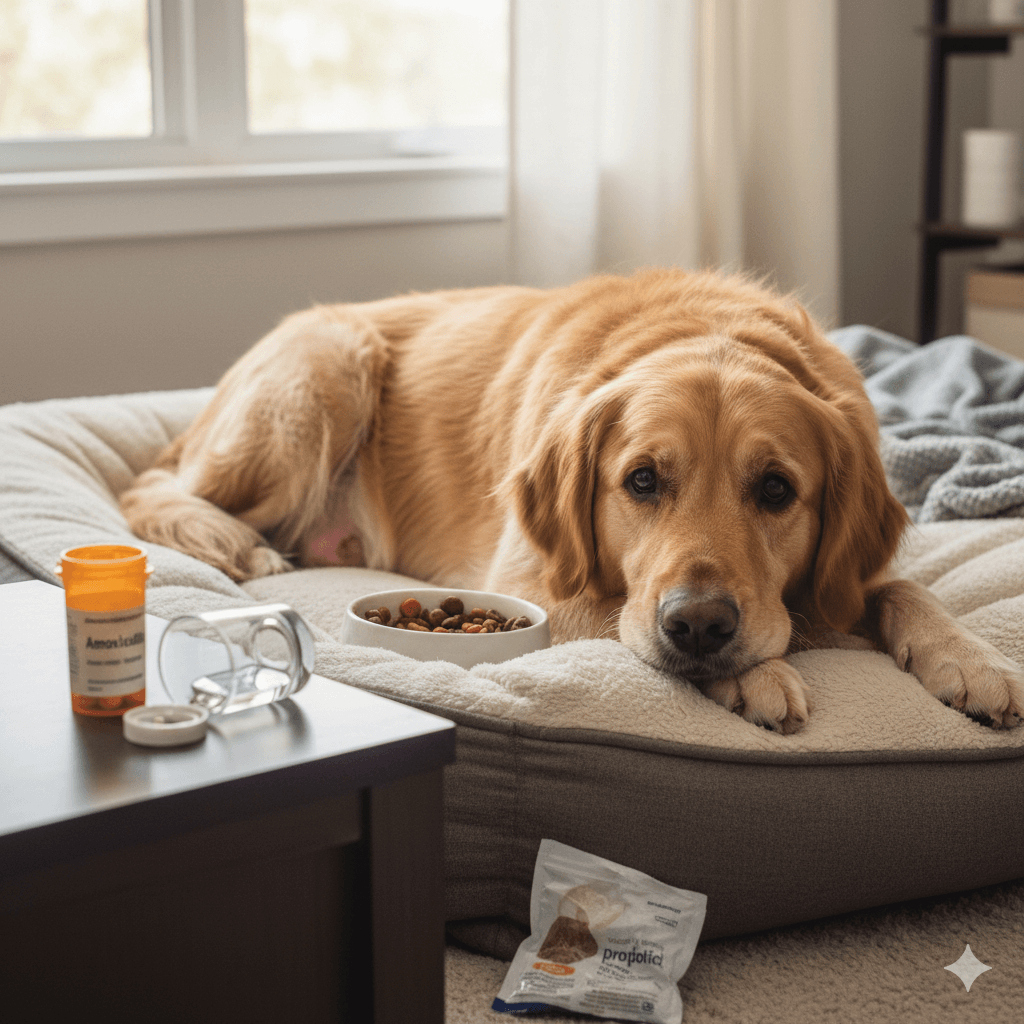

Understanding Dog Antibiotics Side Effects: Best 7 Expert Tips!
If your dog has been prescribed antibiotics, you’re likely hoping for a quick recovery—but it’s just as important to watch for unintended reactions. While antibiotics can be life-saving, they don’t come without risks. From mild digestive upset to rare allergic responses, side effects can vary widely. Being informed helps you support your dog safely through treatment. Here’s what every pet parent should know to balance healing with well-being.
Common Side Effects of Antibiotics in Dogs
Antibiotics disrupt harmful bacteria—but they can also affect beneficial microbes and bodily systems. Most reactions are mild, yet knowing what’s normal versus concerning empowers you to act quickly if needed:
- Gastrointestinal Upset:
Nausea, vomiting, or diarrhea are the most frequent side effects, often due to disruption of gut flora during antibiotic therapy. - Loss of Appetite:
Your dog may eat less or refuse meals temporarily, especially if nausea is present or the medication tastes unpleasant. - Lethargy or Weakness:
Some dogs become unusually tired or low-energy, which could stem from the infection itself or the body’s response to medication. - Yeast Overgrowth:
Antibiotics can reduce natural bacteria that keep yeast in check, leading to ear infections or itchy, irritated skin. - Changes in Urine or Thirst:
Increased water intake or unusual urination patterns may occur, particularly with certain antibiotic classes like fluoroquinolones.
While many side effects subside as treatment continues or ends, persistent or worsening symptoms should never be ignored.
Serious Reactions That Require Immediate Vet Attention
Though rare, some antibiotic reactions are medical emergencies. These signs go beyond typical discomfort and demand prompt veterinary care to prevent complications:
- Facial Swelling or Hives:
Sudden swelling around the eyes, muzzle, or ears may indicate an allergic reaction needing urgent intervention. - Difficulty Breathing:
Wheezing, gasping, or blue-tinged gums signal anaphylaxis—a life-threatening allergic response. - Severe Diarrhea with Blood:
This could point to antibiotic-associated colitis or a secondary infection like Clostridium difficile. - Uncoordinated Movement or Seizures:
Certain antibiotics (e.g., metronidazole at high doses) may affect the nervous system, causing tremors or loss of balance. - Yellowing of Gums or Eyes (Jaundice):
This suggests potential liver toxicity, especially with prolonged or high-dose antibiotic use.
If any of these occur, stop the medication only if advised by your vet and seek emergency care immediately.
Check this guide 👉Dog Vaccine Side Effects: Best 7 Expert Tips!
Check this guide 👉Dog Bite Antibiotics: Best 7 Expert Tips!
Check this guide 👉Cerenia for Dogs Side Effects: Best 7 Expert Tips!
Mild & Manageable Effects | Emergency Warning Signs |
|---|---|
Occasional soft stool | Bloody or black diarrhea |
Mild decrease in appetite | Refusal to eat for over 24 hours |
Slight drowsiness | Collapse or extreme weakness |
Mild skin itching | Hives or facial swelling |
Temporary bad breath | Vomiting multiple times per hour |
How Antibiotics Work—and Why Side Effects Happen
Antibiotics target bacteria through various mechanisms—some break cell walls, others stop protein synthesis. But because they can’t always distinguish between “good” and “bad” bacteria, collateral effects are common. Additionally, individual dogs metabolize drugs differently based on age, breed, and health status:
- Broad-Spectrum vs. Narrow-Spectrum Drugs:
Broad-spectrum antibiotics (like amoxicillin-clavulanate) affect more bacteria types—increasing side effect risk but offering wider coverage. - Gut Microbiome Disruption:
Up to 70% of the immune system resides in the gut; killing beneficial bacteria can temporarily weaken defenses and digestion. - Drug-Specific Risks:
For example, tetracyclines may stain developing teeth in puppies, while fluoroquinolones can cause joint issues in young, growing dogs. - Liver and Kidney Processing:
These organs filter medications—dogs with preexisting conditions may experience amplified side effects or slower clearance. - Drug Interactions:
Antibiotics can interact with other meds (e.g., NSAIDs or antacids), altering effectiveness or increasing toxicity.
Understanding the “why” behind side effects helps you anticipate and mitigate them with your vet’s guidance.
Supporting Your Dog During Antibiotic Treatment
You can significantly reduce discomfort and promote healing by taking proactive steps at home—always in coordination with your veterinarian:
- Give Medication with Food (When Approved):
Many antibiotics are gentler on the stomach when paired with a small meal, unless your vet specifies otherwise. - Use Probiotics Strategically:
Administer veterinary-formulated probiotics 2–3 hours apart from antibiotics to help restore healthy gut bacteria. - Ensure Constant Access to Fresh Water:
Hydration supports kidney function and helps flush metabolites, reducing strain on the body. - Stick to the Full Course:
Never stop antibiotics early—even if your dog seems better—as this can lead to resistant infections or relapse. - Monitor Daily Behavior & Output:
Keep notes on eating, drinking, energy, vomiting, and stool to share during follow-ups or if concerns arise.
Consistent, attentive care makes treatment safer and recovery smoother for your dog.
Preventing Unnecessary Antibiotic Use
Antibiotics aren’t always the answer—and overuse fuels resistance and avoidable side effects. Work with your vet to explore alternatives when appropriate:
- Confirm Bacterial Infection First:
Viral illnesses (like kennel cough in early stages) won’t respond to antibiotics; testing prevents unnecessary prescriptions. - Use Culture & Sensitivity Tests:
For recurrent or serious infections, this identifies the exact bacteria and the most effective, narrow-spectrum drug. - Support Immune Health Naturally:
Balanced nutrition, regular vaccines, and parasite control reduce infection risk and the need for medications. - Avoid “Just in Case” Prescriptions:
Resist pressure to use antibiotics prophylactically unless medically justified (e.g., before dental surgery in high-risk dogs). - Ask About Alternatives:
In some cases, topical treatments, antiseptics, or immune modulators may suffice without systemic antibiotics.
Smart antibiotic use protects both your dog and the broader effectiveness of these critical drugs.
Special Considerations for Puppies, Seniors, and At-Risk Breeds
Not all dogs tolerate antibiotics the same way. Age, genetics, and health history greatly influence risk—requiring tailored approaches:
- Puppies Under 6 Months:
Immature livers and kidneys process drugs less efficiently; certain antibiotics (like enrofloxacin) can harm cartilage development. - Senior Dogs:
Reduced organ function means slower drug clearance, raising the chance of accumulation and toxicity—dose adjustments are often needed. - Brachycephalic Breeds (e.g., Bulldogs, Pugs):
Already prone to nausea and breathing issues, they may show amplified side effects like vomiting or respiratory distress. - Dogs with Liver or Kidney Disease:
These organs are crucial for metabolizing antibiotics; alternatives or lower doses are essential to avoid further damage. - Breeds with MDR1 Gene Mutation (e.g., Collies, Australian Shepherds):
They’re extremely sensitive to certain drugs (like ivermectin)—while not all antibiotics are affected, genetic screening informs safer choices.
Always disclose your dog’s full health profile before starting any new medication.
What to Expect During Follow-Up Care
After starting antibiotics, your vet may schedule a recheck to assess response and watch for complications—especially with long or high-dose regimens:
- Physical Re-evaluation:
Checking temperature, hydration, abdominal comfort, and infection site (e.g., wound or ear) to gauge improvement. - Repeat Lab Work:
Blood tests may monitor liver/kidney values, while fecal exams can detect secondary infections like giardia or C. diff. - Adjusting the Treatment Plan:
If side effects are severe or the infection isn’t resolving, your vet may switch antibiotics or add supportive meds. - Guidance on Probiotic Timing:
You’ll get clear instructions on when and how to reintroduce beneficial bacteria without interfering with treatment. - Post-Treatment Monitoring Tips:
Even after finishing antibiotics, some side effects (like yeast overgrowth) can appear days later—know what to watch for.
Proactive follow-up ensures your dog heals completely without hidden setbacks.
Frequently Asked Questions About Dog Antibiotics Side Effects
Can I give my dog yogurt instead of probiotics?
Plain, unsweetened yogurt may help mildly, but veterinary probiotics contain targeted strains proven safe and effective for dogs—yogurt alone isn’t sufficient for significant gut support.
How soon after starting antibiotics do side effects appear?
Gastrointestinal effects can show within hours to a day; allergic reactions may occur suddenly after the first or later doses.
Should I stop the antibiotic if my dog vomits once?
Not necessarily—consult your vet first. They may advise giving the next dose with food or switching to a different form (e.g., liquid).
Are natural antibiotics like garlic safe for dogs?
No—garlic and onions are toxic to dogs and can cause hemolytic anemia. Never replace prescribed antibiotics with home remedies.
Can antibiotics cause long-term gut damage?
In most cases, the gut microbiome recovers within weeks after treatment ends—especially with proper probiotic support and diet.
Caring for Your Dog Beyond the Prescription
Antibiotics can be powerful allies in your dog’s health journey—but they’re not without trade-offs. By understanding potential side effects, partnering closely with your veterinarian, and providing thoughtful at-home support, you turn a necessary treatment into a safe and successful recovery. Your vigilance not only minimizes discomfort but also builds a foundation for long-term resilience. Remember, healing isn’t just about eliminating infection—it’s about honoring your dog’s whole being, from gut health to emotional comfort. In the end, your love, attention, and informed choices make all the difference in their path back to wellness.
Is Rawhide Bad for Cats? Best 7 Expert Tips! – Discover the risks, safe alternatives, and expert advice to keep your feline friend healthy and happy.

Is Rawhide Bad for Dogs? Best 7 Expert Tips! – Discover the risks, benefits, and safer alternatives to rawhides for your dog’s chewing needs.

Understanding Anorexia in Cats: Best 7 Expert Tips! – Learn why cats stop eating, spot warning signs, and discover how to help your feline regain appetite safely.

Understanding Anorexia in Dogs: Best 7 Expert Tips! – Learn causes, symptoms, and solutions to help your dog regain appetite and stay healthy.