
Recognizing Dog Alopecia Symptoms: What Every Pet Owner Should Know
Alopecia in dogs, or abnormal hair loss, can be a sign of underlying health issues ranging from allergies to hormonal imbalances. While some cases are harmless, others may indicate serious conditions requiring prompt veterinary attention. Understanding the symptoms helps you identify potential problems early and ensure your dog receives the care they need to regain their comfort and confidence.
Common Causes of Alopecia in Dogs
Alopecia in dogs can stem from a wide range of factors, including medical, environmental, and genetic influences. Identifying the underlying cause is crucial for effective treatment and management. Each cause presents unique challenges and requires specific interventions to address the root problem.
- Allergies:
Environmental allergens like pollen, mold, or dust mites often trigger skin irritation and hair loss. Food allergies to ingredients like beef, chicken, or grains can also lead to chronic scratching and subsequent alopecia. - Hormonal Imbalances:
Conditions such as hypothyroidism or Cushing’s disease disrupt hormone levels, leading to thinning hair, dry skin, and patchy bald spots. These systemic issues require blood tests and hormone therapy for resolution. - Parasitic Infestations:
Fleas, ticks, and mites (e.g., Demodex or Sarcoptes) irritate the skin and cause intense itching, resulting in self-inflicted hair loss. Regular parasite prevention is essential to avoid these complications. - Infections:
Bacterial infections (pyoderma) or fungal infections (ringworm) damage hair follicles and inflame the skin, leading to alopecia. Proper hygiene and veterinary-prescribed medications are key to recovery. - Genetic Predispositions:
Certain breeds, such as Dachshunds, Chihuahuas, and Greyhounds, are prone to hereditary alopecia. These cases may not always have a cure but can be managed with specialized care.
Understanding these causes allows pet owners to take targeted steps toward diagnosis and treatment, ensuring their dog’s comfort and well-being.
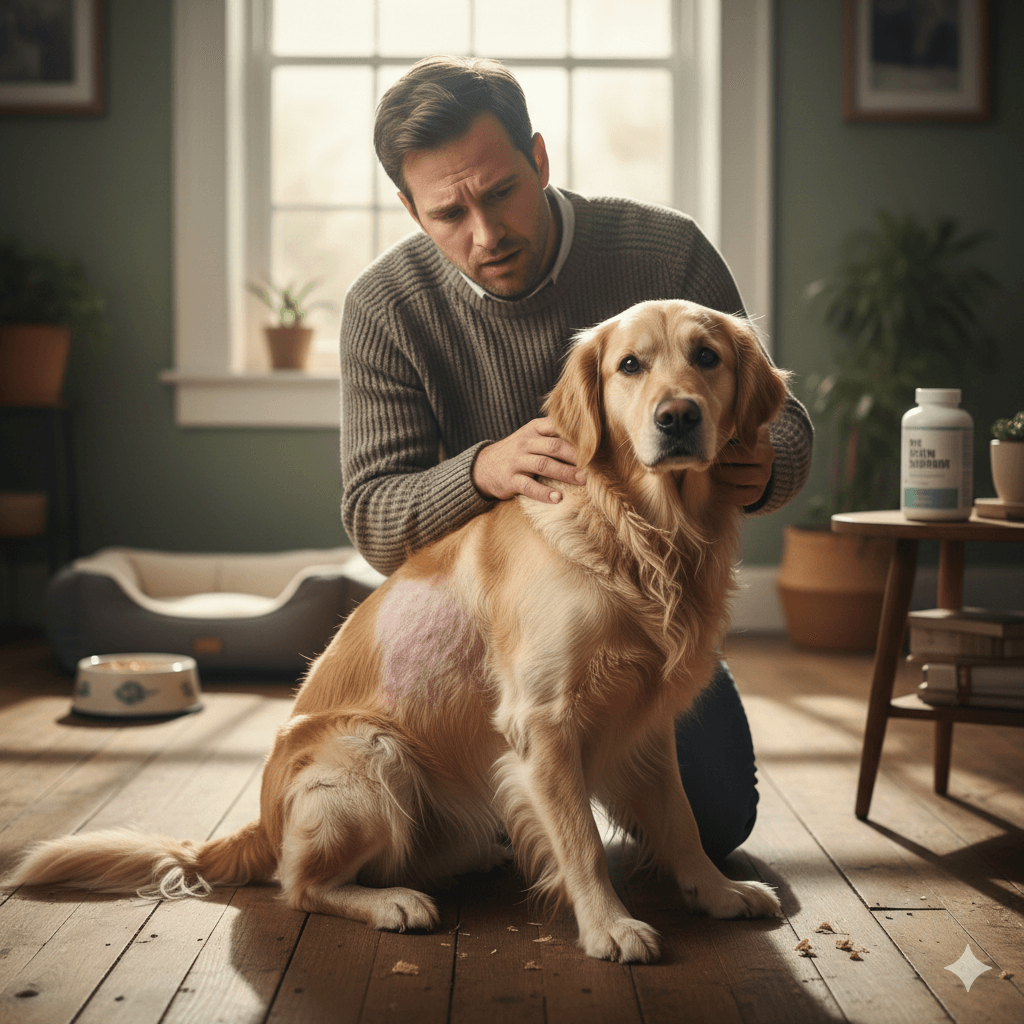
Early Warning Signs of Alopecia in Dogs
Detecting alopecia early helps prevent further complications and ensures timely intervention. While symptoms vary depending on the underlying cause, certain signs consistently indicate the onset of hair loss or skin issues.
- Patchy Bald Spots:
Localized areas of hair loss, especially around the ears, tail, or belly, signal potential parasitic infestations or allergies. - Dry, Flaky Skin:
Excessive dandruff or scaly patches often accompany alopecia caused by hormonal imbalances or nutritional deficiencies. - Itching and Scratching:
Persistent scratching, biting, or licking indicates irritation, which may lead to secondary infections if left untreated. - Redness or Inflammation:
Irritated, reddened skin beneath bald patches points to an allergic reaction or bacterial infection requiring veterinary attention. - Thinning Hair Coat:
Gradual thinning across the body may result from systemic issues like thyroid disorders or aging-related changes.
Early recognition of these symptoms empowers owners to act swiftly and seek professional guidance before the condition worsens.
Check this guide 👉Intestinal Parasite Dog Symptoms: Best 7 Expert Tips!
Check this guide 👉AHDS Dog Symptoms: Best 7 Expert Tips!
Check this guide 👉Megaesophagus Dog Symptoms: Best 7 Expert Tips!
| Common Causes of Alopecia | Symptoms to Watch For |
|---|---|
| Allergies (food, environmental) | Patchy bald spots, itching, redness |
| Hormonal imbalances (hypothyroidism, Cushing's) | Thinning coat, dry skin, lethargy |
| Parasites (fleas, mites, ticks) | Intense scratching, scabs, inflammation |
| Infections (bacterial, fungal) | Oozing sores, odor, flaky skin |
| Genetic predispositions | Breeds like Dachshunds or Greyhounds prone to pattern baldness |
How to Diagnose Alopecia in Dogs
Diagnosing the exact cause of alopecia involves a combination of physical exams, laboratory tests, and sometimes trial treatments. A systematic approach ensures accurate identification of the underlying issue.
- Physical Examination:
Vets inspect the skin and coat for signs of parasites, infections, or inflammation. They also assess overall health to rule out systemic diseases. - Skin Scrapings and Biopsies:
Microscopic analysis of skin samples detects mites, fungi, or abnormal cell activity that might explain the alopecia. This step is critical for confirming parasitic or fungal causes. - Blood Tests:
Comprehensive blood panels measure hormone levels, organ function, and immune response, helping identify conditions like hypothyroidism or Cushing’s disease. - Allergy Testing:
Intradermal or serum tests pinpoint specific allergens triggering hair loss, enabling tailored dietary or environmental adjustments. - Dietary Evaluation:
Assessing your dog’s diet reveals deficiencies or intolerances that could contribute to poor skin and coat health. Supplements or dietary changes may be recommended.
Accurate diagnosis lays the foundation for effective treatment, ensuring your dog receives the care they need to recover fully.
Treatment Options for Canine Alopecia
Treating alopecia depends on its underlying cause, ranging from topical solutions to systemic therapies. A tailored approach ensures the best possible outcome for your dog’s condition.
- Medicated Shampoos:
Antifungal or antibacterial shampoos soothe irritated skin, reduce infections, and promote healthy hair regrowth over time. - Hormone Therapy:
For endocrine-related alopecia, medications like levothyroxine (for hypothyroidism) or trilostane (for Cushing’s disease) restore balance and improve coat quality. - Antiparasitic Treatments:
Topical spot-ons, oral medications, or medicated collars eliminate fleas, ticks, or mites responsible for hair loss and skin irritation. - Dietary Adjustments:
Supplementing omega-3 fatty acids, zinc, or biotin supports skin health and strengthens the hair follicles, reducing shedding and promoting regrowth. - Allergy Management:
Prescription diets, antihistamines, or immunotherapy address allergic triggers, alleviating symptoms and preventing recurrence.
Consistent follow-up with your vet ensures treatments remain effective and adjustments are made as needed.
Preventing Alopecia in Dogs
Prevention is always better than cure when it comes to managing alopecia. Simple lifestyle changes and proactive measures significantly reduce the risk of hair loss and related issues.
- Regular Grooming:
Frequent brushing removes dead hair, distributes natural oils, and prevents matting, keeping the coat healthy and shiny. - Parasite Prevention:
Monthly flea, tick, and heartworm preventatives protect against infestations that cause itching and hair loss. - Balanced Nutrition:
High-quality diets rich in essential nutrients support skin and coat health, minimizing the risk of deficiencies. - Stress Reduction:
Minimizing anxiety through routine, exercise, and mental stimulation reduces stress-related hair loss or compulsive behaviors. - Routine Vet Check-Ups:
Annual wellness exams detect early signs of hormonal imbalances, allergies, or other conditions before they escalate into alopecia.
Proactive care fosters long-term health and reduces the likelihood of alopecia developing in the first place.
Long-Term Management of Alopecia
For chronic or recurring cases of alopecia, long-term management becomes essential to maintain your dog’s quality of life. Consistency and vigilance are key to success.
- Ongoing Medications:
Some dogs require lifelong hormone therapy or allergy medications to control symptoms and prevent flare-ups. - Supplements for Skin Health:
Daily supplements containing omega-3s, vitamins, or minerals sustain skin resilience and reduce shedding over time. - Environmental Modifications:
Using hypoallergenic bedding, air purifiers, and non-toxic cleaning products minimizes exposure to irritants. - Behavioral Monitoring:
Tracking patterns of scratching or licking helps identify triggers and adjust management strategies accordingly. - Periodic Reassessments:
Regular vet visits ensure treatments remain effective and allow for adjustments based on your dog’s evolving needs.
With dedication and proper care, even chronic alopecia can be managed effectively, allowing your dog to live comfortably.
Emotional Impact of Alopecia on Dogs and Owners
Alopecia doesn’t just affect a dog’s physical appearance—it can also impact their emotional well-being and relationship with their owner. Addressing both aspects ensures holistic care.
- Reduced Confidence:
Hair loss may make dogs feel vulnerable, leading to withdrawal or changes in behavior around people or other animals. - Increased Anxiety:
Itching and discomfort exacerbate stress, creating a cycle of worsening symptoms and emotional distress. - Bonding Challenges:
Owners may struggle emotionally when their dog’s appearance changes drastically, affecting their connection and interactions. - Social Stigma:
Other pets or humans might react negatively to visible alopecia, causing embarrassment for owners and isolation for affected dogs. - Restoring Trust Through Care:
Providing consistent treatment and affection reassures your dog, strengthening your bond and boosting their confidence despite physical changes.
Addressing the emotional side of alopecia fosters resilience and ensures both you and your dog thrive during recovery.
“Alopecia is a common condition that refers to thinning of hair or bald areas.”
— Dr. Jerry Klein, DVM,
Frequently Asked Questions About Dog Alopecia Symptoms
What causes alopecia in dogs?
Alopecia can result from allergies, hormonal imbalances, parasites, infections, or genetic predispositions. Identifying the root cause is key to effective treatment.
Can alopecia be cured?
In many cases, yes—especially if caused by treatable conditions like parasites or allergies. However, some forms, such as hereditary alopecia, may require lifelong management.
Is alopecia painful for dogs?
While not always painful, alopecia often causes itching, irritation, or discomfort, which can significantly affect your dog’s quality of life.
How long does it take for hair to regrow?
Regrowth depends on the underlying cause; with proper treatment, hair may return within weeks to months, but chronic conditions may delay recovery.
Should I see a vet for alopecia?
Yes—persistent or widespread hair loss warrants veterinary evaluation to rule out serious conditions and ensure appropriate treatment.
Supporting Your Dog Through Alopecia Challenges
Alopecia in dogs can be distressing for both pets and owners, but understanding its causes and symptoms empowers you to provide the best possible care. Whether managing allergies, addressing hormonal imbalances, or preventing parasitic infestations, proactive steps make all the difference. Remember, your dog’s emotional well-being is just as important as their physical health—offering consistent love and support strengthens your bond during challenging times. With patience, dedication, and professional guidance, you can help your furry companion regain their comfort, confidence, and zest for life.

Is Rawhide Bad for Cats? Best 7 Expert Tips! – Discover the risks, safe alternatives, and expert advice to keep your feline friend healthy and happy.

Is Rawhide Bad for Dogs? Best 7 Expert Tips! – Discover the risks, benefits, and safer alternatives to rawhides for your dog’s chewing needs.

Understanding Anorexia in Cats: Best 7 Expert Tips! – Learn why cats stop eating, spot warning signs, and discover how to help your feline regain appetite safely.

Understanding Anorexia in Dogs: Best 7 Expert Tips! – Learn causes, symptoms, and solutions to help your dog regain appetite and stay healthy.