
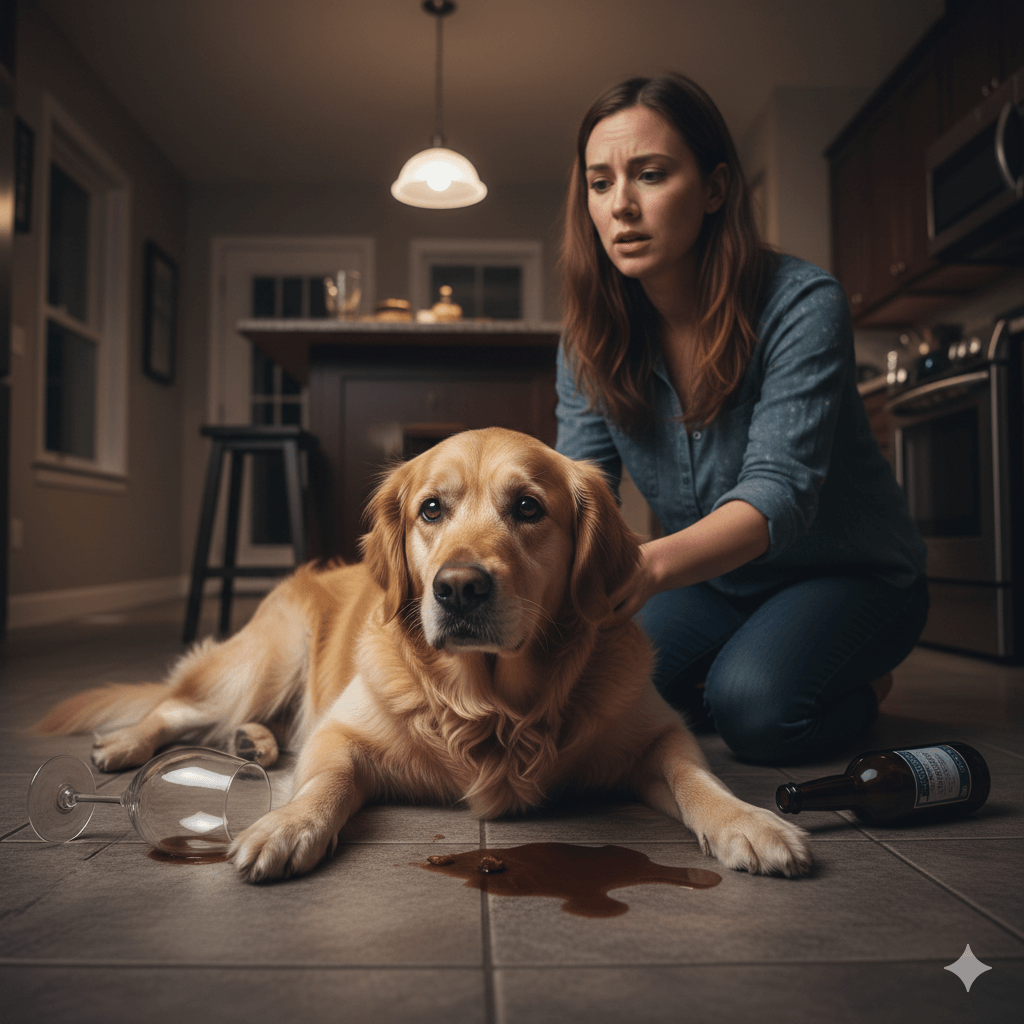

Dog Alcohol Poisoning Symptoms: Best 7 Expert Tips!

Dog Alcohol Poisoning Symptoms: Best 7 Expert Tips!

Recognizing Dog Alcohol Poisoning Symptoms

Alcohol poisoning in dogs is a serious and potentially life-threatening condition that requires immediate attention. Even small amounts of alcohol can have severe effects on a dog’s sensitive system, leading to symptoms like vomiting, disorientation, and difficulty breathing. Knowing the warning signs and acting quickly can make all the difference in ensuring your furry friend’s safety and recovery.

Common Symptoms of Alcohol Poisoning in Dogs

Alcohol poisoning in dogs manifests through a range of physical and behavioral symptoms that vary depending on the amount ingested and the dog’s size. Recognizing these signs early is crucial for prompt intervention. While mild cases may only cause temporary discomfort, severe poisoning can lead to life-threatening complications. Understanding the progression of symptoms helps you differentiate between minor exposure and an emergency situation.
 
  • Vomiting and Diarrhea:
    Dogs often vomit after ingesting alcohol as their body attempts to expel the toxin; diarrhea may follow, leading to dehydration if untreated.
     
  • Lethargy and Weakness:
    Alcohol depresses the central nervous system, causing extreme tiredness or an inability to stand; small breeds are especially vulnerable.
     
  • Loss of Coordination:
    Staggering, stumbling, or appearing drunk-like indicates neurological impairment caused by alcohol’s toxic effects on the brain.
     
  • Difficulty Breathing:
    Rapid, shallow breathing or gasping for air reflects respiratory distress, a red flag requiring immediate veterinary care.
     
  • Seizures or Tremors:
    In severe cases, alcohol disrupts brain activity, triggering seizures or uncontrollable shaking—an indicator of advanced toxicity.
 
These symptoms worsen over time without treatment, making it essential to monitor your dog closely and act swiftly if any appear.
Dog Alcohol Poisoning Symptoms: Best 7 Expert Tips!

How Alcohol Affects a Dog’s Body

Alcohol impacts a dog’s body differently than it does humans due to their smaller size and faster metabolism. Even small amounts can overwhelm their systems, leading to rapid intoxication and organ damage. Understanding how alcohol interacts with a dog’s physiology highlights the dangers of accidental ingestion and underscores the need for prevention.
 
  • Central Nervous System Depression:
    Alcohol slows brain activity, impairing motor skills, cognition, and reflexes; this effect is magnified in dogs compared to humans.
     
  • Liver Strain:
    The liver metabolizes alcohol but becomes overwhelmed quickly, leading to inflammation or failure in severe cases.
     
  • Blood Sugar Imbalance:
    Alcohol consumption lowers blood sugar levels, causing weakness, confusion, and potentially hypoglycemic shock in dogs.
     
  • Dehydration Risks:
    Vomiting and diarrhea deplete fluids rapidly, exacerbating the risk of kidney stress and electrolyte imbalances.
     
  • Cardiovascular Effects:
    Heart rate irregularities or low blood pressure occur as alcohol interferes with circulation and oxygen delivery throughout the body.
 
Recognizing these systemic impacts emphasizes why even seemingly harmless exposure warrants careful observation and professional guidance.
Early Warning Signs
Immediate Actions to Take
Vomiting or diarrhea
Call your vet or pet poison hotline immediately
Lethargy or weakness
Monitor breathing and gum color closely
Loss of coordination
Avoid inducing vomiting without professional advice
Difficulty breathing
Keep your dog calm and restrict activity
Seizures or tremors
Bring any remaining alcohol or packaging for assessment

Causes of Alcohol Poisoning in Dogs

Dogs rarely seek out alcohol intentionally, but accidents happen when they encounter unattended drinks, spilled liquids, or products containing ethanol. Identifying common sources of exposure helps pet owners prevent unintentional poisoning incidents.
 
  • Unattended Beverages:
    Leaving beer, wine, or cocktails within reach tempts curious dogs, who may lap them up out of curiosity or thirst.
     
  • Baking Ingredients:
    Raw dough containing yeast produces ethanol during fermentation, posing risks if ingested by your dog.
     
  • Household Products:
    Mouthwash, hand sanitizers, and cleaning solutions often contain alcohol; licking spills or containers leads to accidental ingestion.
     
  • Medications or Supplements:
    Some liquid medications include alcohol as a preservative; improper dosing or accidental consumption harms pets.
     
  • Perfumes or Cosmetics:
    Scented items left accessible attract dogs, who may chew bottles or lick residues containing alcohol-based compounds.
 
Awareness of these potential hazards empowers you to create a safer environment and minimize risks for your furry companion.

Immediate First Aid Steps for Alcohol Poisoning

If you suspect your dog has ingested alcohol, acting quickly can save their life. First aid measures stabilize your dog until veterinary care is available, reducing the risk of complications.
 
  • Remove Access to Alcohol:
    Secure any remaining alcohol to prevent further ingestion while assessing the situation calmly.
     
  • Do Not Induce Vomiting Without Advice:
    Forcing vomiting risks aspiration pneumonia unless specifically recommended by a vet or poison control expert.
     
  • Offer Fresh Water:
    Encourage hydration to dilute toxins in the stomach and combat dehydration from vomiting or diarrhea.
     
  • Monitor Vital Signs:
    Check for breathing difficulties, seizures, or collapsing; document symptoms to share with professionals.
     
  • Contact Emergency Services:
    Call your vet or a pet poison hotline immediately for tailored advice based on your dog’s weight and alcohol type ingested.
 
Prompt action minimizes harm and ensures your dog receives appropriate care during this critical period.

Treatment Options for Alcohol Poisoning

Veterinary treatment focuses on stabilizing your dog’s condition and addressing specific symptoms caused by alcohol toxicity. Early intervention improves recovery chances significantly, though severe cases may require intensive care.
 
  • Activated Charcoal Administration:
    Charcoal binds to toxins in the digestive tract, preventing further absorption into the bloodstream.
     
  • IV Fluid Therapy:
    Intravenous fluids restore hydration, flush toxins, and correct electrolyte imbalances caused by vomiting or diarrhea.
     
  • Oxygen Support:
    Supplemental oxygen alleviates respiratory distress and ensures adequate oxygenation of vital organs.
     
  • Anti-Seizure Medications:
    Drugs like diazepam control seizures or tremors triggered by alcohol’s neurotoxic effects.
     
  • Hospitalization for Monitoring:
    Severe cases necessitate overnight observation to manage complications and provide ongoing support.
 
Each treatment plan depends on the severity of poisoning and your dog’s unique needs, underscoring the importance of professional care.
 

Preventing Future Alcohol Exposure

Prevention is key to safeguarding your dog against accidental alcohol poisoning. Simple precautions reduce risks and create a safer home environment.
 
  • Secure Alcoholic Beverages:
    Store drinks out of reach and clean spills immediately to prevent curious dogs from accessing them.
     
  • Use Pet-Safe Products:
    Choose alcohol-free alternatives for household cleaners, cosmetics, and personal care items whenever possible.
     
  • Educate Family Members:
    Ensure everyone in the household understands the dangers of leaving alcohol-containing substances accessible to pets.
     
  • Supervise Social Gatherings:
    Parties or gatherings increase the likelihood of spills; keep an eye on your dog during such events.
     
  • Train “Leave It” Commands:
    Teaching your dog to avoid dropped items prevents accidental ingestion of harmful substances.
 
Proactive measures protect your dog and give you peace of mind knowing they’re safe from preventable hazards.

Long-Term Effects of Alcohol Poisoning

While most dogs recover fully with prompt treatment, some experience lingering effects that require ongoing management. Understanding these possibilities prepares you for long-term care needs and highlights the importance of prevention.
 
  • Chronic Liver Damage:
    Prolonged exposure to alcohol strains the liver, increasing susceptibility to disease or dysfunction later in life.
     
  • Neurological Impairments:
    Severe poisoning may leave residual cognitive or motor deficits, affecting behavior and coordination permanently.
     
  • Behavioral Changes:
    Traumatic health episodes sometimes alter temperament, making dogs more anxious or cautious than before.
     
  • Increased Veterinary Costs:
    Frequent check-ups and treatments for related issues add financial burdens beyond initial recovery expenses.
     
  • Heightened Sensitivity to Toxins:
    Once poisoned, dogs may become more vulnerable to other toxic substances, necessitating stricter safety protocols.
 
Early recognition and consistent care mitigate long-term impacts, allowing your dog to thrive despite past challenges.

Frequently Asked Questions About Dog Alcohol Poisoning Symptoms

What should I do if my dog drinks beer?

Contact your vet immediately, even if the amount seems small; monitor for symptoms like vomiting, lethargy, or difficulty breathing.

As little as 5–10 ml of pure alcohol per pound of body weight can cause toxicity; smaller breeds are at higher risk.

Yes—hand sanitizers often contain ethanol, which can lead to poisoning if ingested; seek veterinary advice promptly.

Severe cases may cause liver damage or neurological issues, but most dogs recover fully with timely treatment.

Foods like rum cakes, fruitcakes, or desserts made with liqueurs can pose risks; always check ingredients before sharing.

A Lifeline in Every Moment of Crisis

Discovering that your dog has been exposed to alcohol can be terrifying, but staying calm and informed makes all the difference. By recognizing symptoms early, acting swiftly, and seeking professional help, you give your dog the best chance at a full recovery. Prevention remains the cornerstone of safety—simple precautions like securing beverages and educating family members protect your furry friend from preventable dangers. Remember, your quick thinking and dedication are the ultimate safeguards against accidental poisoning—and the foundation of a lifetime of love and trust.
Natural Antioxidants for Cats: Best 7 Expert Tips!

Natural Antioxidants for Cats: Best 7 Expert Tips! – Discover how antioxidants boost your cat’s health, support longevity, and protect against oxidative stress naturally.

Can Dogs Be Lactose Intolerant? Best 7 Expert Tips!

Can Dogs Be Lactose Intolerant? Best 7 Expert Tips! – Discover symptoms, safe alternatives, and how to manage lactose intolerance in dogs effectively.

Natural Antioxidants for Dogs: Best 7 Expert Tips!

Natural Antioxidants for Dogs: Best 7 Expert Tips! – Discover how antioxidants boost immunity, fight aging, and keep your dog healthy naturally.

Long-Term Effects of a Cat Eating Chocolate: Best 7 Tips!

Long-Term Effects of a Cat Eating Chocolate: Best 7 Tips! – Learn the risks, symptoms, and how to protect your cat from lasting health issues.

Leave a Reply

Your email address will not be published. Required fields are marked *


