
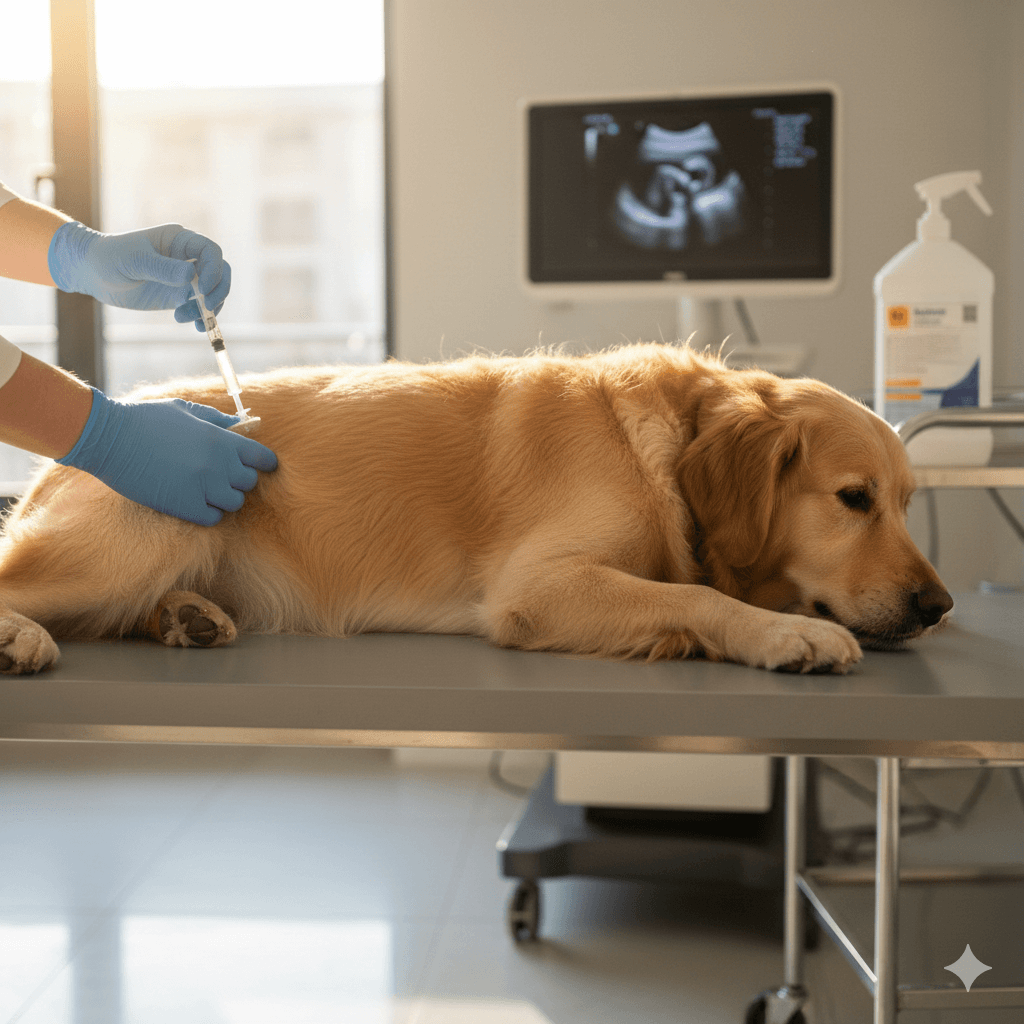

Understanding Dog Abdominal Fluid: Best 7 Expert Tips!
If your dog’s belly seems swollen, firm, or unusually distended, abdominal fluid—known medically as ascites—could be the cause. This condition isn’t a disease itself but a symptom of an underlying issue ranging from heart failure to liver disease. While it may develop slowly or appear suddenly, early detection can be life-saving. Recognizing subtle changes in your dog’s behavior, appetite, or appearance is crucial. With timely care and informed management, many dogs respond well to treatment and regain comfort.
Common Causes of Abdominal Fluid Buildup in Dogs
Abdominal fluid accumulation rarely happens in isolation—it’s almost always tied to a systemic or organ-related disorder. Identifying the root cause is essential for proper treatment and long-term prognosis. Veterinarians consider several primary conditions when diagnosing ascites in dogs:
- Liver Disease:
Advanced liver dysfunction, such as cirrhosis or chronic hepatitis, impairs protein production and blood flow, leading to fluid leakage into the abdomen. - Heart Failure:
Right-sided heart failure causes blood to back up in the veins, increasing pressure and forcing fluid into the abdominal cavity. - Cancer:
Tumors, especially in the liver, spleen, or abdominal lining, can obstruct lymphatic drainage or cause inflammation that results in effusion. - Low Blood Protein (Hypoproteinemia):
Severe protein loss from kidney disease (nephrotic syndrome), intestinal disorders, or chronic bleeding reduces osmotic pressure, allowing fluid to pool. - Infections or Inflammation:
Peritonitis—whether bacterial, fungal, or due to a ruptured organ—triggers fluid buildup as part of the body’s immune response.
Pinpointing the exact cause often requires diagnostic testing, but understanding these common triggers helps you advocate effectively for your dog’s care.
Key Signs Your Dog May Have Abdominal Fluid
Ascites can be subtle at first, especially in long-coated or overweight dogs. However, attentive owners often notice changes before the abdomen becomes visibly enlarged. Early recognition can prevent complications like breathing difficulty or organ compression:
- Noticeable Belly Swelling:
The abdomen may appear rounded, tense, or “pot-bellied,” especially when your dog is standing or viewed from the side. - Difficulty Breathing or Panting:
Excess fluid presses on the diaphragm, making it harder for your dog to take deep breaths—especially when lying down. - Lethargy or Weakness:
Reduced energy, reluctance to move, or increased resting time may reflect discomfort or systemic illness. - Loss of Appetite or Weight Loss:
Despite a bloated appearance, your dog may eat less due to abdominal pressure or underlying disease. - Pale Gums or Cool Extremities:
These signs may indicate poor circulation, low protein, or advancing organ failure and warrant immediate attention.
If you observe any of these signs—especially rapid abdominal enlargement—seek veterinary evaluation without delay.
Check this guide 👉Understanding Septic Abdomen in Dogs: Best 7 Expert Tips!
Check this guide 👉Dog Stomach Pain and Shaking: Best 7 Expert Tips!
Check this guide 👉Dog Stomach Gurgling: Best 7 Health Tips!
Early Warning Indicators | Conditions That May Require Urgent Care |
|---|---|
Mild abdominal distension | Rapid, painful belly swelling |
Slight decrease in activity | Labored breathing or open-mouth panting |
Occasional loss of appetite | Vomiting or collapse |
Drinking more than usual | Pale, tacky gums or bluish tongue |
Subtle weight gain (fluid) | Refusal to lie down or restlessness at night |
Diagnostic Steps Your Veterinarian May Take
Confirming abdominal fluid and identifying its cause involves a combination of physical exams and advanced testing. Your vet will likely follow a systematic approach to ensure an accurate diagnosis:
- Physical Palpation and History Review:
The vet will gently press the abdomen to assess fluid presence and ask about recent symptoms, medications, or trauma. - Abdominocentesis (Fluid Tap):
A small needle is used to withdraw fluid for analysis—this is both diagnostic and sometimes therapeutic to relieve pressure. - Blood Work and Urinalysis:
Liver enzymes, kidney values, protein levels, and inflammatory markers help narrow down systemic causes. - Imaging (X-ray or Ultrasound):
Abdominal ultrasound is especially valuable for visualizing organs, tumors, and the exact amount of fluid present. - Electrocardiogram (ECG) or Echocardiogram:
If heart disease is suspected, cardiac imaging evaluates heart structure and function.
These diagnostics not only reveal why fluid is accumulating but also guide the safest, most effective treatment plan.
Treatment Options Based on Underlying Cause
There is no single “cure” for abdominal fluid—treatment always targets the root condition. A dog with liver disease requires a different approach than one with heart failure or cancer, so personalized care is essential:
- Diuretics for Fluid Management:
Medications like furosemide help the kidneys eliminate excess fluid, especially in heart- or liver-related ascites. - Dietary Adjustments:
Low-sodium, high-quality protein diets support liver and heart function while reducing fluid retention. - Antibiotics or Anti-inflammatories:
If infection or peritonitis is confirmed, targeted antimicrobial therapy is critical. - Surgery or Chemotherapy:
In cases of abdominal tumors or organ rupture, surgical intervention or oncology treatment may be necessary. - Periodic Fluid Drainage:
For chronic or severe cases, therapeutic abdominocentesis may be repeated to improve comfort and breathing.
Successful management depends on consistent follow-up and close collaboration with your veterinary team.
Home Care and Monitoring After Diagnosis
Once your dog begins treatment, your role at home becomes vital. Daily observation and consistent care can significantly impact recovery and quality of life:
- Track Abdominal Size Daily:
Use photos or a soft measuring tape at the same spot each day to monitor changes in girth. - Weigh Your Dog Weekly:
Sudden weight gain often reflects fluid, not fat—report increases of more than 5% in a few days. - Administer Medications Faithfully:
Even if your dog seems better, skipping doses can lead to rapid fluid rebound. - Limit Strenuous Activity:
Gentle walks are fine, but avoid jumping, rough play, or overheating during recovery. - Watch for Breathing Changes:
Increased respiratory rate (>30 breaths/minute at rest) or abdominal effort signals worsening fluid buildup.
Your attentiveness provides your vet with real-world data that can’t be captured in a single clinic visit.
Preventive Measures to Reduce Risk of Ascites
While not all causes of abdominal fluid are preventable, proactive health habits can lower your dog’s risk—especially for conditions like liver or heart disease:
- Annual Wellness Exams:
Early detection of organ dysfunction allows intervention before fluid accumulates. - Balanced, Species-Appropriate Diet:
Avoid excessive fats, salt, or unproven supplements that stress the liver or kidneys. - Heartworm Prevention:
Heartworm disease can lead to right-sided heart failure—monthly prevention is non-negotiable in at-risk areas. - Avoid Toxins and Human Medications:
Many common substances (e.g., acetaminophen, xylitol, certain plants) cause liver damage that may lead to ascites. - Maintain Healthy Weight:
Obesity increases strain on the heart and liver, raising the risk of multiple systemic diseases.
Prevention isn’t about guarantees—it’s about giving your dog the strongest foundation for lifelong health.
Special Considerations for At-Risk Breeds and Ages
Certain dogs are genetically predisposed to conditions that cause abdominal fluid. Knowing your dog’s risk profile helps you stay ahead of potential issues:
- Senior Dogs (7+ Years):
Age-related decline in organ function makes older dogs more susceptible to heart, liver, and cancer-related ascites. - Large Breeds (e.g., Doberman, Great Dane):
Prone to dilated cardiomyopathy, which can lead to right-sided heart failure and fluid buildup. - Breeds with Liver Shunts (e.g., Yorkie, Maltese):
Congenital vascular abnormalities increase the risk of chronic liver disease and low protein. - Dogs with Preexisting Conditions:
Those diagnosed with Cushing’s, chronic kidney disease, or inflammatory bowel disease need extra monitoring. - Post-Surgery or Trauma Patients:
Internal bleeding or infection after injury can cause acute fluid accumulation requiring emergency care.
Vigilance is especially important for these groups—small changes can signal big problems.
“Ascites, also known as an abdominal effusion or free abdominal fluid, is a serious, possibly life-threatening medical condition in which a dog’s abdomen fills up with fluid.”
Frequently Asked Questions About Dog Abdominal Fluid
Is abdominal fluid in dogs always serious?
Yes—while some causes are treatable, ascites always indicates a significant underlying condition that requires veterinary investigation.
Can I feel the fluid myself at home?
Gently pressing your dog’s sides may reveal a “fluid wave” sensation, but this is unreliable—only a vet should diagnose ascites.
Will draining the fluid cure my dog?
No—it provides temporary relief but doesn’t address the root cause, which must be treated to prevent recurrence.
Can diet alone resolve ascites?
Rarely—while nutrition supports recovery, medical or surgical intervention is usually needed for the primary disease.
How long can a dog live with abdominal fluid?
Prognosis depends entirely on the cause: heart-related ascites may be managed for months or years, while aggressive cancers may progress rapidly.
Supporting Your Dog Through Diagnosis and Beyond
A diagnosis of abdominal fluid can feel overwhelming—but with clarity, compassion, and care, many dogs live comfortably for months or even years. Your role as an informed, observant guardian makes all the difference. Trust your instincts, partner closely with your vet, and never underestimate the healing power of calm presence and gentle touch. Even in uncertainty, your love gives your dog stability. And in that quiet bond, you’ll both find strength—not just to endure, but to thrive, one day at a time.
Is Rawhide Bad for Cats? Best 7 Expert Tips! – Discover the risks, safe alternatives, and expert advice to keep your feline friend healthy and happy.

Is Rawhide Bad for Dogs? Best 7 Expert Tips! – Discover the risks, benefits, and safer alternatives to rawhides for your dog’s chewing needs.

Understanding Anorexia in Cats: Best 7 Expert Tips! – Learn why cats stop eating, spot warning signs, and discover how to help your feline regain appetite safely.

Understanding Anorexia in Dogs: Best 7 Expert Tips! – Learn causes, symptoms, and solutions to help your dog regain appetite and stay healthy.