
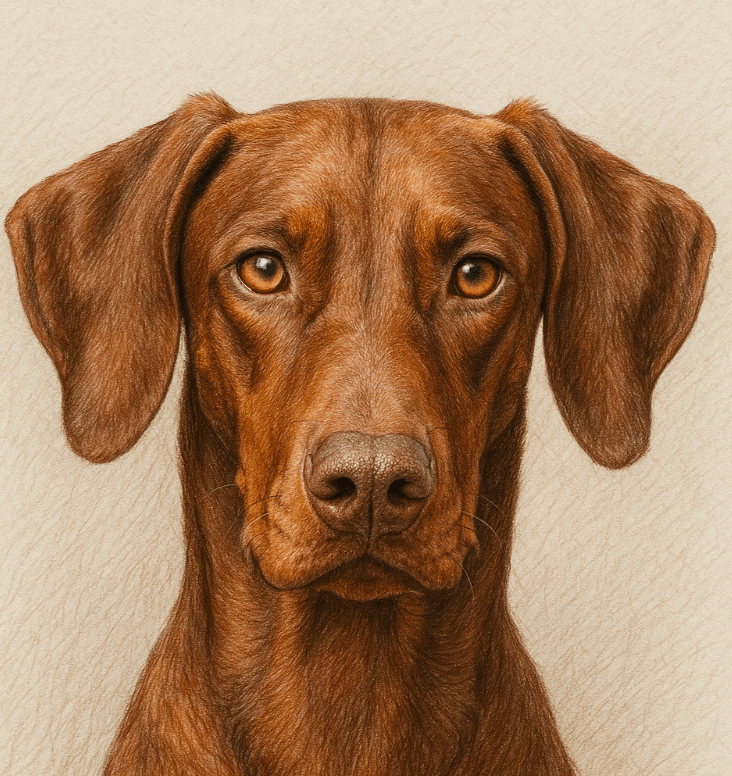

Doberman Vizsla Mix: Best 7 Expert Tips!

Doberman Vizsla Mix: Best 7 Expert Tips!

Doberman Vizsla Mix: A Dynamic and Loyal Companion


The Doberman Vizsla mix, often referred to as a “Dobiesla,” is a fascinating hybrid that combines the best traits of two highly regarded breeds: the intelligent and protective Doberman Pinscher and the energetic and affectionate Vizsla. This crossbreed is gaining popularity among dog enthusiasts for its versatility, loyalty, and striking appearance. Whether you’re an active individual seeking a workout partner or a family looking for a devoted pet, the Doberman Vizsla mix might be the perfect addition to your life. In this blog post, we’ll explore everything you need to know about this unique hybrid, from its temperament and physical characteristics to training tips and care requirements.

Key Traits of the Doberman Vizsla Mix


The Doberman Vizsla mix inherits a blend of traits from its parent breeds, making it a well-rounded and dynamic companion. Understanding these characteristics will help you determine if this hybrid is the right fit for your lifestyle.

 
  • High Energy Levels:
    Both the Doberman and Vizsla are known for their boundless energy, so expect a pup that thrives on vigorous exercise and mental stimulation.

  • Intelligence and Trainability:
    This mix is highly intelligent, excelling in obedience training and problem-solving tasks when given consistent guidance.

  • Loyal and Protective Nature:
    The Doberman’s protective instincts combine with the Vizsla’s devotion, creating a loyal guardian who forms strong bonds with their family.

  • Affectionate and Social:
    Unlike some guard dogs, the Dobiesla is known for its friendly and loving demeanor, especially with children and other pets.

  • Low Maintenance Coat:
    Their short, sleek coat requires minimal grooming but does shed moderately, particularly during seasonal changes.


These traits make the Doberman Vizsla mix an ideal companion for active households, provided their needs are met consistently.

Physical Characteristics of the Doberman Vizsla Mix


The Doberman Vizsla mix boasts a striking appearance that reflects the best of both parent breeds. Here’s what you can expect in terms of their physical attributes.

 
  • Size and Build:
    Typically medium to large-sized, these dogs weigh between 50-80 pounds and stand about 22-27 inches tall at the shoulder.

  • Coat Color Variations:
    Common colors include black, brown, rust, and fawn, often with distinctive markings inherited from either parent breed.

  • Muscular Frame:
    Their athletic build reflects their high energy levels and suitability for physically demanding activities.

  • Elegant Ears:
    Depending on genetics, their ears may be floppy like a Vizsla’s or erect like a Doberman’s, adding to their unique look.

  • Lifespan Expectancy:
    With proper care, this mix can live 10-14 years, providing many years of companionship and devotion.


Their combination of strength, elegance, and athleticism makes the Doberman Vizsla mix a standout breed for those who appreciate beauty and functionality.

Doberman Vizsla Mix: Best 7 Expert Tips!
Pros of Owning a Doberman Vizsla Mix
Cons of Owning a Doberman Vizsla Mix
Highly intelligent and trainable
Requires significant time and energy investment
Loyal and protective family companion
May display separation anxiety if left alone
Versatile for various roles (work, sport, home)
Not ideal for first-time dog owners
Low grooming needs with a short coat
Can be overly vocal or territorial
Long lifespan with good health potential
Prone to certain genetic health issues

Training Tips for Your Doberman Vizsla Mix


Training is essential for raising a well-behaved and balanced Doberman Vizsla mix. Their intelligence and energy levels demand structured guidance and consistency.

 
  • Start Early:
    Begin obedience training and socialization during puppyhood to establish good habits and prevent behavioral issues later.

  • Use Positive Reinforcement:
    Reward-based methods, such as treats, praise, and playtime, work best to motivate this eager-to-please hybrid.

  • Focus on Mental Stimulation:
    Incorporate puzzle toys, scent games, and advanced commands to keep their sharp minds engaged and prevent boredom.

  • Set Clear Boundaries:
    Establish rules early on and enforce them consistently to avoid confusion or disobedience.

  • Enroll in Obedience Classes:
    Professional guidance can help refine skills and strengthen the bond between you and your dog.


With patience and persistence, training becomes a rewarding experience that enhances your relationship with your Doberman Vizsla mix.

Exercise Needs of the Doberman Vizsla Mix


As a high-energy breed, the Doberman Vizsla mix requires ample physical activity to stay happy and healthy. Neglecting their exercise needs can lead to destructive behaviors or anxiety.

 
  • Daily Walks and Runs:
    Aim for at least 1-2 hours of vigorous exercise daily, including brisk walks, runs, or hikes.

  • Agility Training:
    Engage them in obstacle courses or agility drills to channel their athleticism and focus.

  • Interactive Playtime:
    Games like fetch, tug-of-war, and frisbee provide both physical exertion and bonding opportunities.

  • Mental Challenges:
    Combine physical activity with mental tasks, such as hiding treats for them to find or teaching new tricks.

  • Supervision During Play:
    Avoid leaving them unsupervised in open spaces, as their prey drive may lead them to chase after small animals or wander off.


Meeting their exercise requirements ensures a calm, content, and well-adjusted companion at home.

Common Misconceptions About the Doberman Vizsla Mix


Despite their growing popularity, several misconceptions surround this hybrid breed. Clarifying these myths helps set realistic expectations for potential owners.

 
  • They Are Aggressive by Nature:
    While protective, they are not inherently aggressive when properly trained and socialized.

  • They Don’t Need Much Attention:
    On the contrary, they thrive on human interaction and suffer from separation anxiety if neglected.

  • All Mixes Look the Same:
    Appearance varies widely depending on which parent breed traits dominate genetically.

  • They’re Easy to Train Without Effort:
    Though intelligent, they still require consistent training and patience to reach their full potential.

  • They’re Only Suitable for Experienced Owners:
    While challenging, novice owners can succeed with research, preparation, and professional guidance.


Dispelling these myths ensures a deeper understanding of this incredible breed.


Health Considerations for the Doberman Vizsla Mix


Like all breeds, the Doberman Vizsla mix is prone to certain health issues inherited from their parents. Being aware of these risks allows you to take preventive measures.

 
  • Hip Dysplasia:
    A common condition in large breeds, causing joint pain and mobility issues. Regular exercise and weight management help reduce risk.

  • Dilated Cardiomyopathy (DCM):
    A heart condition prevalent in Dobermans; annual cardiac screenings are recommended.

  • Bloat (Gastric Torsion):
    Rapid eating and stress increase the likelihood of bloat; feeding smaller meals and using slow-feed bowls helps mitigate this.

  • Skin Allergies:
    Some mixes may develop sensitivities; hypoallergenic diets and regular grooming can alleviate symptoms.

  • Progressive Retinal Atrophy (PRA):
    A degenerative eye condition; routine eye exams help detect problems early.


Proactive healthcare ensures a longer, healthier life for your beloved pet.

Fun Activities to Enjoy with Your Doberman Vizsla Mix


Living with this energetic hybrid means embracing an active lifestyle. These fun activities will strengthen your bond while keeping them physically and mentally stimulated.

 
  • Canine Sports:
    Participate in competitions like agility, flyball, or dock diving to showcase their skills and boost confidence.

  • Long Hikes in Nature:
    Explore trails together, allowing them to sniff, run, and burn off excess energy in a natural setting.

  • Swimming Sessions:
    Many Doberman Vizsla mixes enjoy water; swimming provides excellent low-impact exercise.

  • Obedience Challenges:
    Create mini obstacle courses at home or practice advanced tricks to sharpen their focus and discipline.

  • Interactive Toys:
    Puzzle feeders, treat-dispensing balls, and chew toys keep them entertained when you’re busy.


Engaging in these activities ensures a fulfilling life for your adventurous companion.

Frequently Asked Questions About the Doberman Vizsla Mix

 
Is this mix suitable for apartment living?

While possible, they are better suited for homes with yards due to their high energy levels and need for space.

Yes, with proper training and supervision, they can be excellent family pets who form strong bonds with kids.

Early socialization is key to fostering positive relationships with other dogs and animals.

Minimal grooming is required—regular brushing and occasional baths suffice to maintain their coat.

Potential concerns include hip dysplasia, heart conditions, and bloat; regular vet check-ups are essential.

Embracing Life with a Doberman Vizsla Mix


The Doberman Vizsla mix is a remarkable hybrid that combines intelligence, loyalty, and athleticism into one incredible package. Their dynamic personality and striking appearance make them a joy to own, but they also require significant time, effort, and dedication. By understanding their needs and committing to their care, you’ll be rewarded with a lifelong partnership filled with love, protection, and unwavering companionship. If you’re ready for the challenge, this extraordinary hybrid could become your ultimate furry best friend.

Is Rawhide Bad for Cats? Best 7 Expert Tips!

Is Rawhide Bad for Cats? Best 7 Expert Tips! – Discover the risks, safe alternatives, and expert advice to keep your feline friend healthy and happy.

Is Rawhide Bad for Dogs? Best 7 Expert Tips!

Is Rawhide Bad for Dogs? Best 7 Expert Tips! – Discover the risks, benefits, and safer alternatives to rawhides for your dog’s chewing needs.

Understanding Anorexia in Cats: Best 7 Expert Tips!

Understanding Anorexia in Cats: Best 7 Expert Tips! – Learn why cats stop eating, spot warning signs, and discover how to help your feline regain appetite safely.

Understanding Anorexia in Dogs: Best 7 Expert Tips!

Understanding Anorexia in Dogs: Best 7 Expert Tips! – Learn causes, symptoms, and solutions to help your dog regain appetite and stay healthy.

Leave a Reply

Your email address will not be published. Required fields are marked *