

Doberman Bite Force: Best 7 Expert Tips!

Doberman Bite Force: Best 7 Expert Tips!

Doberman Bite Force: Understanding the Power Behind This Iconic Breed


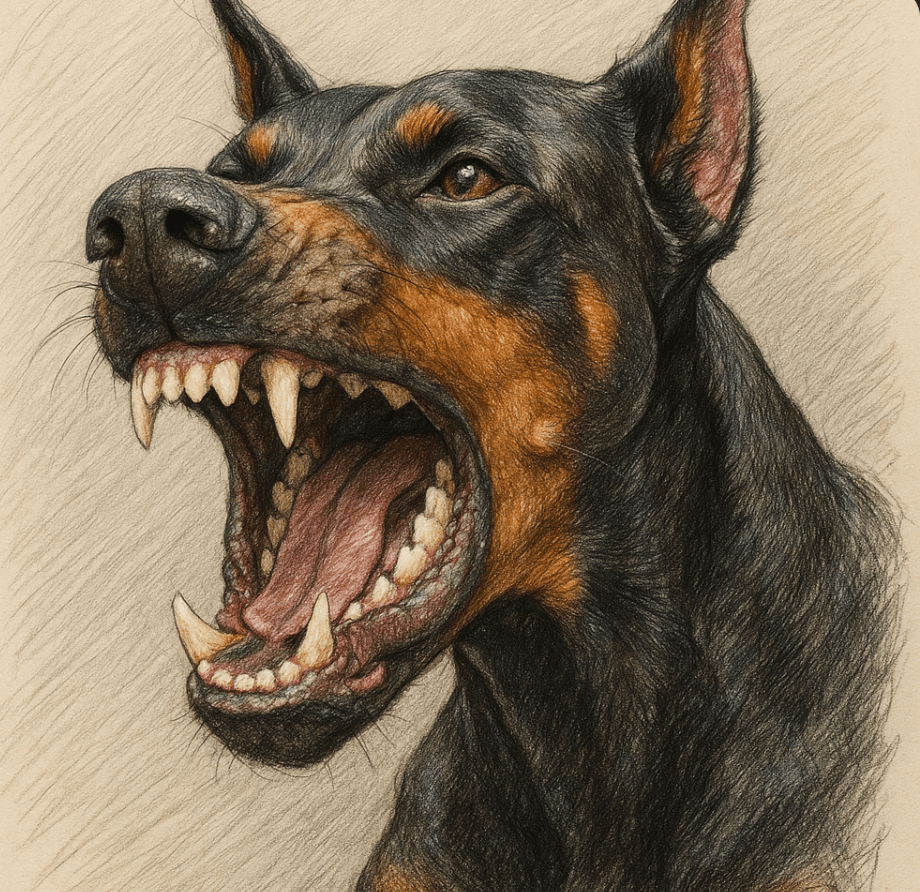
The Doberman Pinscher is renowned for its intelligence, loyalty, and striking appearance, but one of its most talked-about traits is its bite force. Often misunderstood or exaggerated in popular culture, the Doberman’s bite force has sparked curiosity among dog enthusiasts and casual observers alike. What exactly is a Doberman’s bite force, and how does it compare to other breeds? Is their reputation as a powerful protector rooted in fact or fiction? In this blog post, we’ll delve into the science behind the Doberman’s bite force, explore its implications, and debunk common myths. Whether you’re a proud Doberman owner or simply fascinated by this remarkable breed, you’ll gain valuable insights into their strength and capabilities.

Understanding the Science of Doberman Bite Force


A dog’s bite force refers to the amount of pressure exerted by its jaws when biting down, typically measured in pounds per square inch (PSI). For the Doberman Pinscher, this metric highlights their physical prowess and protective instincts. Here’s what you need to know about their bite force and how it compares to other breeds.

 
  • Average Bite Force of a Doberman:
    The Doberman’s bite force is estimated to be around 300-400 PSI, making it one of the strongest among domestic dog breeds.

  • Comparison to Other Breeds:
    While not the strongest (e.g., the Kangal holds the record at over 700 PSI), the Doberman’s bite force is still formidable and effective for protection.

  • Role of Jaw Structure:
    The Doberman’s strong jaw muscles and compact skull contribute to their impressive bite force, allowing them to grip firmly.

  • Purpose Behind the Power:
    Originally bred as guard dogs, Dobermans use their bite force to deter threats and protect their families.

  • Not Just About Strength:
    A Doberman’s bite force is complemented by their speed, agility, and intelligence, making them highly efficient protectors.


Understanding these factors provides clarity on why the Doberman’s bite force is both respected and feared.


Understanding the Science of Doberman Bite Force


A dog’s bite force refers to the amount of pressure exerted by its jaws when biting down, typically measured in pounds per square inch (PSI). For the Doberman Pinscher, this metric highlights their physical prowess and protective instincts. Here’s what you need to know about their bite force and how it compares to other breeds.

 
  • Average Bite Force of a Doberman:
    The Doberman’s bite force is estimated to be around 300-400 PSI, making it one of the strongest among domestic dog breeds.

  • Comparison to Other Breeds:
    While not the strongest (e.g., the Kangal holds the record at over 700 PSI), the Doberman’s bite force is still formidable and effective for protection.

  • Role of Jaw Structure:
    The Doberman’s strong jaw muscles and compact skull contribute to their impressive bite force, allowing them to grip firmly.

  • Purpose Behind the Power:
    Originally bred as guard dogs, Dobermans use their bite force to deter threats and protect their families.

  • Not Just About Strength:
    A Doberman’s bite force is complemented by their speed, agility, and intelligence, making them highly efficient protectors.


Understanding these factors provides clarity on why the Doberman’s bite force is both respected and feared.

 
Doberman Bite Force: Best 7 Expert Tips!
Breeds with Strong Bite Forces
Bite Force in PSI
Kangal
743 PSI
American Bulldog
305 PSI
German Shepherd
238 PSI
Rottweiler
328 PSI
Doberman Pinscher
300-400 PSI

How to Train a Doberman to Manage Their Strength


Training a Doberman to control their natural instincts and physical capabilities is essential for responsible ownership. These tips will help you manage their strength effectively.

 
  • Start Early:
    Begin obedience training during puppyhood to establish boundaries and reinforce good behavior from the start.

  • Use Positive Reinforcement:
    Reward-based methods, such as treats and praise, encourage compliance without instilling fear or aggression.

  • Focus on Bite Inhibition:
    Teach your Doberman to moderate the pressure of their bite through controlled play and structured exercises.

  • Practice Commands Like “Leave It”:
    Teaching commands that prevent unwanted interactions helps manage their impulse to bite or nip.

  • Engage in Regular Exercise:
    Physical activity reduces excess energy, which can otherwise manifest as unruly behavior or unnecessary aggression.


With consistent training, you can ensure your Doberman uses their strength wisely and remains a loyal companion.

Myths and Misconceptions About Doberman Bite Force


The Doberman’s bite force is often surrounded by myths that exaggerate or misrepresent their abilities. Separating fact from fiction is vital for understanding this breed.

 
  • Myth: Dobermans Have the Strongest Bite Force:
    While powerful, they don’t hold the top spot; breeds like the Kangal surpass them in PSI.

  • Myth: All Dobermans Are Aggressive Biters:
    Properly trained Dobermans are gentle and only use their bite force in self-defense or protection scenarios.

  • Myth: Their Bite Force Makes Them Dangerous:
    Danger depends on upbringing and training, not just raw bite power. Responsible ownership mitigates risks.

  • Myth: They Always Bite Hard:
    Dobermans can regulate their bite pressure based on context and training.

  • Myth: Bite Force Equals Temperament:
    A strong bite doesn’t equate to an aggressive personality; temperament is shaped by genetics, training, and environment.


Dispelling these myths promotes a better understanding of the Doberman’s true nature.

Factors That Influence a Dog’s Bite Force


Several factors contribute to a dog’s bite force, including breed-specific traits and individual characteristics. Understanding these influences provides deeper insight into why certain breeds, like the Doberman, possess stronger bites than others.

 
  • Size and Build:
    Larger dogs with robust builds generally have stronger bite forces due to their physical structure.

  • Muscle Mass in Jaws:
    Well-developed jaw muscles play a significant role in determining bite strength.

  • Breed-Specific Traits:
    Working and guard breeds, such as Dobermans, are naturally predisposed to having stronger bites.

  • Age and Health:
    Younger, healthier dogs tend to exhibit stronger bite forces compared to older or sickly ones.

  • Temperament and Training:
    A dog’s willingness to bite is influenced by their personality and level of obedience training.


These factors highlight the complexity behind measuring and understanding bite force across different breeds.

Safe Ways to Play with Your Doberman


Playing with a Doberman requires care to avoid accidental injuries caused by their strength or excitement. Here are some safe ways to engage with your energetic pup.

 
  • Tug-of-War with Rules:
    Establish clear boundaries, such as stopping when commanded, to maintain control during tug games.

  • Fetch with Soft Toys:
    Use durable yet soft toys to prevent damage to your hands or furniture during playtime.

  • Interactive Puzzle Games:
    Mental stimulation reduces pent-up energy, minimizing roughhousing tendencies.

  • Supervised Group Play:
    Ensure your Doberman interacts safely with other dogs, intervening if play becomes too intense.

  • Avoid Hand Wrestling:
    Using your hands as toys encourages mouthing or biting, which can escalate unintentionally.


These activities promote bonding while keeping playtime fun and injury-free.

Tips for Preventing Unwanted Biting Behavior


Preventing unwanted biting behavior in Dobermans involves proactive measures and consistent reinforcement. These strategies help curb problematic habits before they escalate.

 
  • Redirect Nipping to Toys:
    Provide appropriate chew toys to redirect biting urges away from people or furniture.

  • Teach Calm Interactions:
    Reward calm behavior to discourage jumping or mouthing during greetings.

  • Address Fear-Based Aggression:
    Identify triggers that cause fear or anxiety and work to desensitize your Doberman gradually.

  • Practice Consistent Commands:
    Reinforce commands like “no bite” or “gentle” to establish clear expectations.

  • Seek Professional Help if Needed:
    Consult a trainer or behaviorist for persistent issues to address underlying causes effectively.


Implementing these tips ensures your Doberman grows into a well-mannered and trustworthy companion.

Frequently Asked Questions About Doberman Bite Force

 
Is a Doberman’s bite dangerous?

Yes, if untrained or provoked, but responsible ownership minimizes risks significantly.

Human bite force averages 120-150 PSI, making a Doberman’s bite nearly three times stronger.

In extreme cases, yes, but such incidents are rare and usually occur due to improper handling.

Some regions may require liability insurance for owning breeds with strong bite forces, including Dobermans.

Testing isn’t recommended, as it can harm the dog or others; professional assessments should be left to experts.

Respecting the Strength of the Doberman Pinscher


The Doberman’s bite force is a testament to their role as a protector and working dog, embodying both power and precision. However, this trait underscores the importance of responsible ownership, proper training, and socialization to ensure their strength is used constructively. By understanding the science, dispelling myths, and addressing potential risks, you can appreciate the Doberman’s capabilities while fostering a safe and loving relationship. Whether you’re drawn to their athleticism, intelligence, or loyalty, the Doberman Pinscher remains a remarkable breed capable of being both a fierce guardian and a devoted companion.

Spleen Cancer in Cats: Best 7 Expert Tips!

Spleen Cancer in Cats: Best 7 Expert Tips! – Expert insights on symptoms, care, treatment & quality of life for feline spleen cancer.

Dog Mastitis Treatment: Best 7 Expert Tips!

Dog Mastitis Treatment: Best 7 Expert Tips! – Safe, vet-approved care for nursing moms & prevention strategies.

The Shikoku Ken Dog: Best 7 Expert Tips!

The Shikoku Ken Dog: Best 7 Expert Tips! – Discover expert care, training & health advice for this rare, loyal Japanese mountain breed.

The Cairn Terrier Dog Breed: Best 7 Expert Tips!

The Cairn Terrier Dog Breed: Best 7 Expert Tips! – Discover care, training & health advice for this spirited, loyal Scottish terrier.

Leave a Reply

Your email address will not be published. Required fields are marked *

Recent Post

Post Category


