
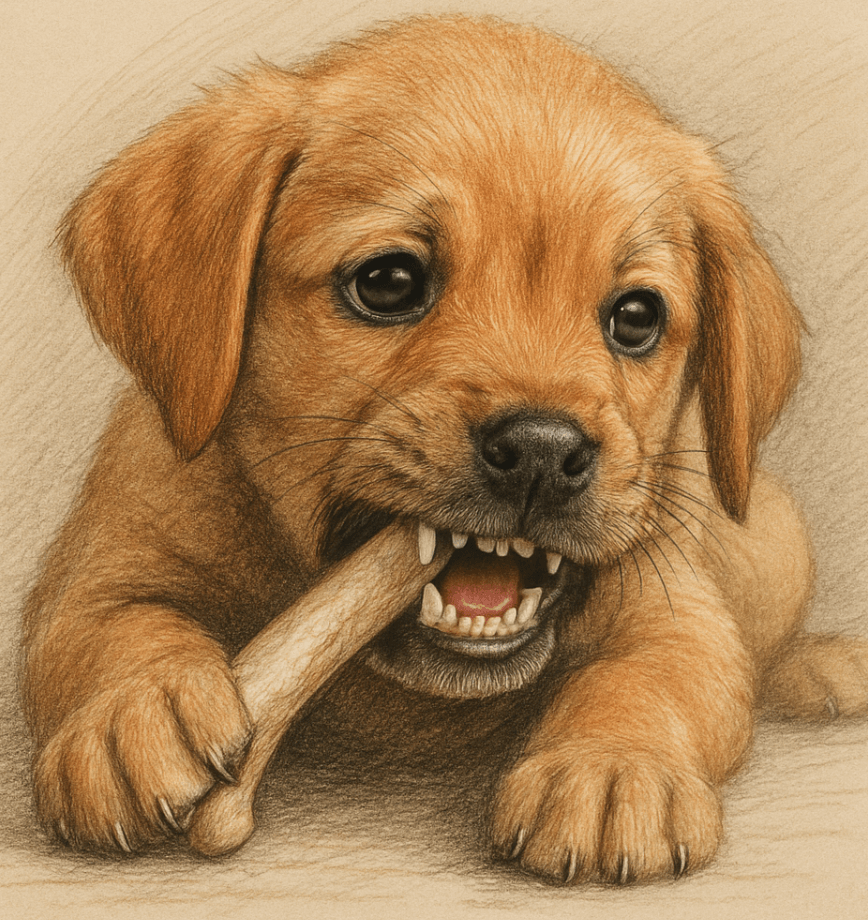

Do Puppy Teeth Grow Back?
Puppies are adorable bundles of energy, and one of the most fascinating aspects of their development is their teething process. As a puppy owner, you may have wondered: Do puppy teeth grow back after they fall out? The short answer is no—puppy teeth do not grow back once they’ve been replaced by adult teeth. However, understanding this natural process is crucial for ensuring your puppy’s dental health and comfort during this transitional phase. In this blog post, we’ll explore the ins and outs of puppy teething, from what to expect to how you can support your furry friend through this important stage of growth.
Expert Insight on Puppy Teething
“Puppies do a lot of growing and changing from birth to their 6-month birthday, and their teeth play a large role in that. Facial sensation and taste are some of the first senses puppies develop, and it’s normal for dogs to explore the world and seek attention with their mouth—especially during teething.”
The Teething Timeline: What to Expect
Teething is a normal part of a puppy’s development, but it can vary slightly depending on the breed and individual puppy. Here’s a breakdown of the typical timeline and what happens during each stage.
Birth to 3 Weeks:
Puppies are born without teeth. During this time, they rely entirely on their mother’s milk for nutrition.3 to 6 Weeks:
The first set of baby teeth, known as deciduous teeth, begins to emerge. These include incisors, canines, and premolars.12 to 16 Weeks:
Puppies start losing their baby teeth as adult teeth begin to push through. This is when teething behavior, like chewing, becomes more noticeable.6 Months and Beyond:
By six months of age, most puppies will have all their adult teeth, totaling 42 permanent teeth in most breeds.Signs of Completion:
Once teething is complete, your puppy should stop chewing excessively and exhibit calmer behavior around objects.
Understanding this timeline helps you anticipate your puppy’s needs and provide appropriate care throughout the teething process.
Common Signs Your Puppy Is Teething
Teething can be uncomfortable for puppies, and recognizing the signs early allows you to offer relief and prevent destructive behaviors. Here are some common indicators that your puppy is teething.
Increased Chewing:
Puppies chew more frequently to soothe their sore gums as new teeth emerge.Drooling:
Excessive drooling is a normal response to the discomfort caused by erupting teeth.Bleeding Gums:
You may notice slight bleeding or redness in your puppy’s gums, especially if a tooth has recently fallen out.Lost Teeth:
Finding tiny baby teeth around the house is a clear sign that teething is underway.Changes in Appetite:
Some puppies eat less or prefer softer foods during teething due to gum sensitivity.
By identifying these signs, you can take proactive steps to make the teething process as comfortable as possible for your puppy.
Check this guide 👉Black Spots on Dog Teeth: Best 7 Expert Tips!
Check this guide 👉Is Dog Teeth Cleaning Safe? Best 7 Health Tips!
Check this guide 👉Dog Tooth Abscesses: Best 7 Expert Tips!
How to Support Your Teething Puppy | What to Avoid During Teething |
|---|---|
Provide soft, puppy-safe chew toys | Hard objects that could damage gums |
Offer frozen treats for gum relief | Giving cooked bones or antlers |
Monitor for abnormal behavior | Ignoring excessive drooling or pain |
Brush teeth gently with puppy toothpaste | Using human toothpaste |
Schedule regular vet check-ups | Allowing unsupervised chewing |
How to Keep Your Puppy Comfortable During Teething
Teething can be a challenging time for both puppies and their owners, but there are ways to ease the discomfort and encourage healthy habits.
Provide Appropriate Chew Toys:
Invest in durable, puppy-safe chew toys designed to soothe sore gums and satisfy chewing urges.Freeze Treats for Relief:
Freeze small pieces of carrot or puppy-safe treats wrapped in a cloth to numb inflamed gums.Establish a Dental Routine:
Introduce gentle tooth brushing early to get your puppy accustomed to oral care and prevent future dental issues.Redirect Destructive Chewing:
If your puppy chews on furniture or shoes, redirect them to an appropriate toy immediately.Offer Soft Food Options:
Temporary soft food can help if your puppy is struggling to eat kibble due to gum pain.
These strategies ensure your puppy remains comfortable while developing good habits for lifelong dental health.
When to Consult a Veterinarian About Teething
While teething is a natural process, certain signs may indicate that something is wrong. Knowing when to seek veterinary advice is essential for your puppy’s well-being.
Persistent Bleeding:
Occasional spotting is normal, but heavy or prolonged bleeding requires professional attention.Missing Adult Teeth:
If adult teeth fail to appear after baby teeth fall out, consult your vet to rule out impaction or other issues.Swollen or Infected Gums:
Red, swollen, or pus-filled gums could signal an infection that needs treatment.Difficulty Eating:
If your puppy refuses food for more than a day, it may indicate severe discomfort or underlying problems.Retained Baby Teeth:
Sometimes, baby teeth don’t fall out, leading to overcrowding. A vet can safely extract them if necessary.
Addressing these concerns promptly ensures your puppy’s teething process goes smoothly and avoids long-term complications.
Fun Ways to Encourage Healthy Chewing Habits
Encouraging healthy chewing habits not only supports teething but also prevents destructive behavior later in life. Here are some fun ideas to try with your puppy.
Interactive Chew Toys:
Toys with hidden compartments for treats keep your puppy entertained while soothing their gums.DIY Frozen Treats:
Freeze peanut butter (xylitol-free) or yogurt inside a rubber toy for a refreshing and engaging snack.Supervised Playdates:
Socializing with other puppies provides opportunities for safe play and shared chewing experiences.Rotating Toys Regularly:
Keep your puppy interested by rotating their toys weekly to maintain novelty and excitement.Positive Reinforcement:
Reward your puppy with praise or treats when they choose appropriate chew items over forbidden objects.
These activities make teething enjoyable while reinforcing positive chewing habits.
Common Myths About Puppy Teething Debunked
Misinformation about puppy teething is widespread, so let’s clarify some common myths to help you better understand this process.
Myth: Puppies swallow their baby teeth.
While some teeth may go missing, most are swallowed harmlessly or found around the house.Myth: Teething causes fever in puppies.
Mild discomfort is normal, but fevers are unrelated to teething and warrant a vet visit.Myth: Adult teeth won’t come in if baby teeth remain.
Adult teeth usually still emerge, but retained baby teeth can cause alignment issues.Myth: Harder objects are better for teething.
Too-hard objects can damage gums; opt for soft, flexible chew toys instead.Myth: Teething ends at exactly 6 months.
Every puppy develops differently, and teething timelines can vary slightly.
Dispelling these myths ensures you approach teething with accurate knowledge and realistic expectations.
Building a Strong Bond During Teething
Teething offers a unique opportunity to strengthen the bond between you and your puppy. Here’s how you can use this phase to deepen your connection.
Spend Quality Time Together:
Engage in interactive play sessions using chew toys to build trust and companionship.Practice Gentle Handling:
Regularly check your puppy’s mouth to desensitize them to touch, making vet visits easier in the future.Be Patient and Understanding:
Recognize that teething-related behaviors, like chewing, are normal and not acts of defiance.Reward Good Behavior:
Use treats and affection to reinforce positive actions, such as choosing approved chew toys.Celebrate Milestones:
Mark the transition to adult teeth with small celebrations, like a special toy or treat, to create lasting memories.
By focusing on bonding during teething, you lay the foundation for a lifelong relationship filled with love and trust.
Frequently Asked Questions About Puppy Teething
How long does puppy teething last?
Puppy teething typically lasts from 3 to 6 months of age, though individual timelines may vary.
Why do puppies lose their baby teeth?
Baby teeth fall out to make room for stronger, larger adult teeth needed for chewing and eating.
Can I give my puppy ice cubes for teething?
Yes, ice cubes can help soothe gums, but supervise to ensure your puppy doesn’t choke.
What happens if a baby tooth doesn’t fall out?
Retained baby teeth can cause misalignment of adult teeth and should be removed by a vet.
Is teething painful for puppies?
Yes, teething can cause mild discomfort, but providing relief options can minimize their distress.
Supporting Your Puppy Through Teething
Teething is a natural and temporary phase in your puppy’s life, but it requires patience, preparation, and care. By understanding the teething timeline, recognizing the signs, and taking proactive steps to support your puppy, you can ensure this developmental milestone passes smoothly. Remember, the habits you establish during this time—like proper chewing and dental hygiene—will benefit your dog for years to come. With love, guidance, and a few chew toys, you’ll help your puppy grow into a happy, healthy adult dog with a dazzling smile!
Is Rawhide Bad for Cats? Best 7 Expert Tips! – Discover the risks, safe alternatives, and expert advice to keep your feline friend healthy and happy.

Is Rawhide Bad for Dogs? Best 7 Expert Tips! – Discover the risks, benefits, and safer alternatives to rawhides for your dog’s chewing needs.

Understanding Anorexia in Cats: Best 7 Expert Tips! – Learn why cats stop eating, spot warning signs, and discover how to help your feline regain appetite safely.

Understanding Anorexia in Dogs: Best 7 Expert Tips! – Learn causes, symptoms, and solutions to help your dog regain appetite and stay healthy.