
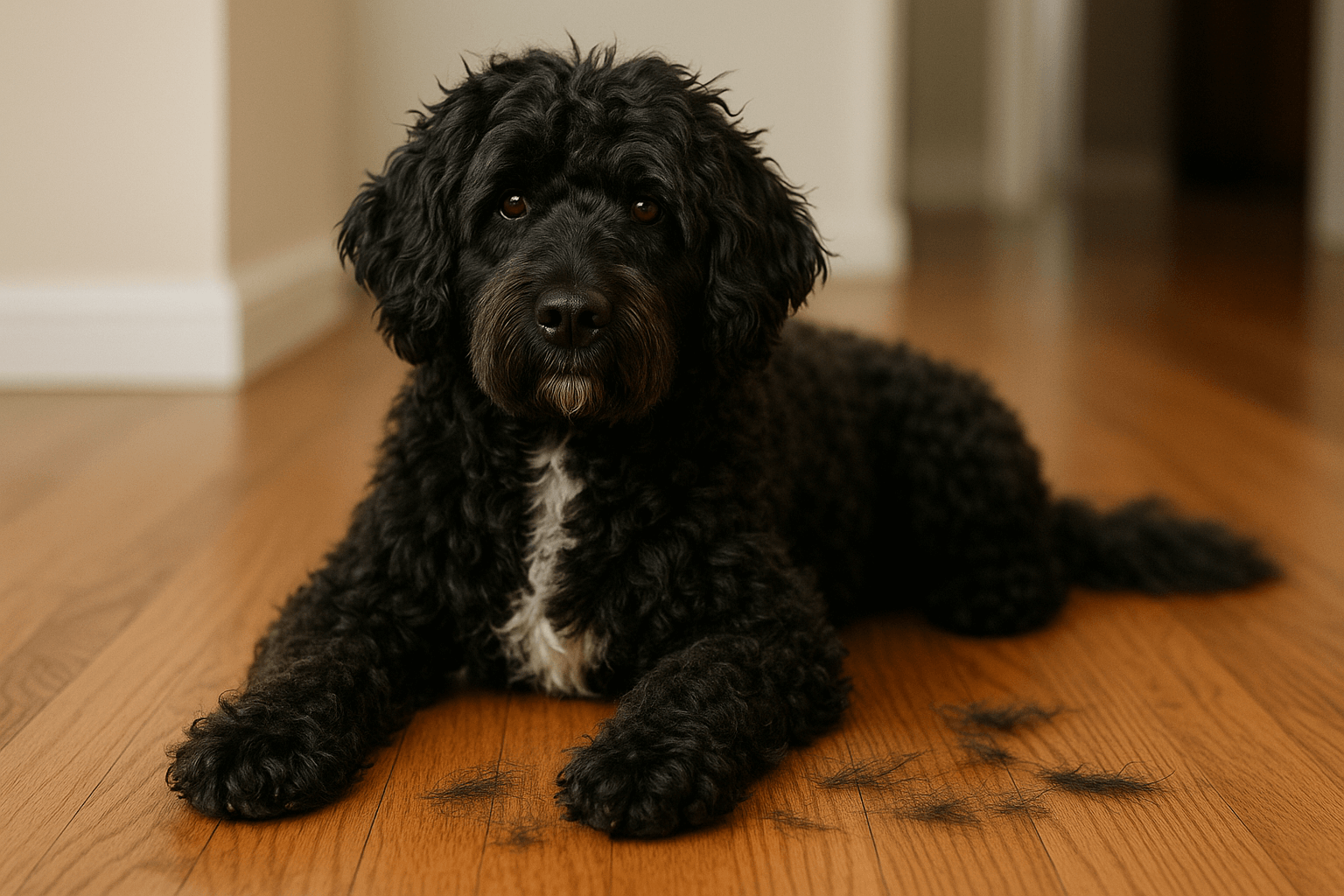
Do Portuguese Water Dogs Shed? The Truth About This Hypoallergenic Hero
If you’ve ever dreamed of a loyal, intelligent, and water-loving companion that won’t leave fur all over your sofa, the Portuguese Water Dog might be your answer. Known for its cloud-like curls or wavy coat and boundless energy, this breed stands out not just for its striking looks but also for its famously low-shedding nature. Originally bred by fishermen along Portugal’s rugged coast, the PWD was built for endurance, intelligence, and—yes—minimal shedding. But the real question remains: do Portuguese Water Dogs shed? Let’s dive deep into the facts, care needs, and myths surrounding this beloved breed.
Origins and Working Legacy of the Portuguese Water Dog
Long before becoming a favorite in presidential homes and allergy-friendly households, the Portuguese Water Dog was a hardworking partner on fishing boats. Its history is soaked in saltwater, teamwork, and practicality—traits that still define the breed today.
- Fisherman’s Faithful Helper:
Portuguese Water Dogs assisted coastal fishermen by herding fish into nets, retrieving lost gear, and even carrying messages between boats using waterproof collars. - Near Extinction and Revival:
By the 1930s, modern fishing technology reduced the need for working PWDs, pushing the breed toward extinction—until a wealthy Portuguese businessman began a dedicated breeding program to save it. - Introduction to the United States:
The breed gained international fame in the 1970s and later entered the White House with the Obama family, significantly boosting its popularity worldwide. - AKC Recognition and Standards:
Officially recognized by the American Kennel Club in 1984, the PWD is classified in the Working Group and prized for its athleticism and trainability. - Cultural Symbol of Portugal:
Revered as a national treasure, the breed appears in Portuguese folklore, maritime art, and even on commemorative coins.
Though their sea-faring days may be behind them, Portuguese Water Dogs still carry the spirit, stamina, and smarts of their working ancestors—making them far more than just a pretty, non-shedding face.
Distinctive Coat Types and Grooming Needs
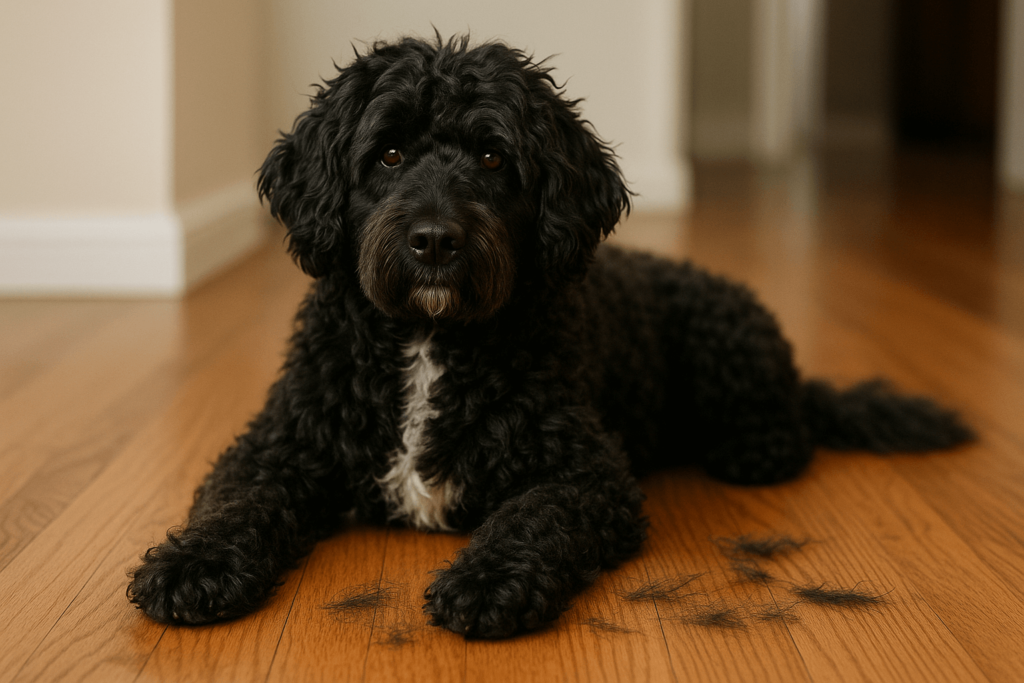
One of the biggest reasons people ask “do Portuguese Water Dogs shed?” is their unique coat. Unlike many breeds, PWDs come in two distinct coat types—both designed to minimize shedding and maximize water resistance.
- Curly Coat Variety:
Tight, compact curls cover the entire body, offering excellent insulation and water repellency—ideal for their original ocean duties. - Wavy Coat Variety:
A looser, flowing wave pattern with a slight sheen, still dense but slightly easier to brush than the curly version. - Minimal Undercoat:
Unlike double-coated breeds that blow their undercoat seasonally, PWDs have little to no undercoat, drastically reducing shedding. - Continuous Hair Growth:
Similar to human hair, their coat grows continuously rather than shedding in cycles, which is why regular trims are essential. - Color Consistency:
Accepted colors include black, white, brown, or combinations like black and white or brown and white—all with consistent pigmentation and no fading.
These coat traits aren’t just cosmetic—they’re evolutionary adaptations that directly answer the question: do Portuguese Water Dogs shed? The short answer: barely at all, but they require grooming to stay that way.
Check this guide 👉The Portuguese Water Dog Weight: Best 7 Expert Tips!
Check this guide 👉Discover the French Water Dog: Best 7 Expert Tips!
Check this guide 👉Spanish Water Dog: Best 7 Expert Tips!
| Temperament Highlights | Care Considerations |
|---|---|
| Energetic and playful into adulthood | Professional grooming every 6–8 weeks |
| Highly intelligent and eager to please | Daily brushing to prevent tangles and mats |
| Strong bond with family members | Ear cleaning weekly (prone to infections) |
| Excellent with children and other pets | Nail trimming every 3–4 weeks |
| Natural love for water and swimming | Bathing every 4–6 weeks with dog-safe shampoo |
Do Portuguese Water Dogs Shed? The Science Behind the Myth
Let’s cut through the confusion: while no dog is 100% shed-free, the Portuguese Water Dog comes remarkably close. Their single-layer coat and hair-like growth cycle mean loose fur is uncommon—most gets trapped in the curls or waves instead of floating into your home.
- Hair vs. Fur Biology:
PWDs have hair, not fur—meaning their strands grow continuously and fall out gradually, not in seasonal bursts like double-coated breeds. - Trapped Shedding:
Any minimal shedding that occurs is usually caught in the dense coat, requiring brushing to remove—otherwise, it mats. - Allergy-Friendly Reputation:
Due to low dander dispersion and minimal shedding, PWDs are often recommended for allergy sufferers (though individual reactions vary). - No Seasonal “Blowouts”:
Unlike Huskies or Shepherds, PWDs don’t experience dramatic shedding seasons, making them predictable year-round. - Grooming Reduces Visible Shedding:
Regular maintenance ensures that the tiny amount of natural hair loss never becomes noticeable on furniture or clothing.
So, do Portuguese Water Dogs shed? Technically yes—but in practice, it’s so negligible that most owners never find clumps of fur around the house. The real work lies in grooming, not vacuuming.
Personality and Temperament: More Than Just a Pretty Coat
Beneath those soulful eyes and water-resistant curls is a dog bursting with joy, loyalty, and intelligence. The Portuguese Water Dog isn’t just low-shedding—it’s high-spirited, deeply affectionate, and always ready for adventure.
- People-Oriented Companions:
PWDs thrive on human interaction and dislike being left alone for long periods—separation anxiety is a real risk. - Highly Trainable:
Their eagerness to please and sharp minds make them excel in obedience, agility, and even service work. - Playful and Youthful:
Many retain puppy-like energy well into adulthood, loving games, puzzles, and water-based activities. - Gentle with Children:
When properly socialized, they’re patient and protective with respectful kids—great family dogs. - Alert but Not Aggressive:
They’ll announce visitors with a bark but rarely show aggression, making them polite watchdogs.
This breed’s heart matches its hypoallergenic coat: big, warm, and full of life. They don’t just live in your home—they fully participate in your life.
Training and Mental Stimulation Essentials
A bored Portuguese Water Dog is a destructive one. Their working heritage means they crave tasks, challenges, and clear leadership—making structured training not just helpful, but necessary.
- Start Early with Socialization:
Expose your PWD puppy to diverse people, sounds, and environments before 16 weeks to build confidence. - Positive Reinforcement Works Best:
Harsh corrections backfire; instead, use treats, praise, and play to motivate and reward. - Incorporate Water When Possible:
Swimming isn’t just exercise—it’s instinct. Use dock diving or water retrieval games to fulfill natural drives. - Advanced Obedience Keeps Them Sharp:
Teach tricks, scent work, or rally obedience to keep their brilliant minds engaged. - Consistency Prevents Stubbornness:
While eager to please, they can test boundaries—clear, calm rules from day one prevent manipulation.
Training a PWD isn’t a chore—it’s a partnership. And with the right approach, you’ll have a responsive, joyful companion for life.
Health and Longevity: What Every Owner Should Know
Portuguese Water Dogs are generally robust, but like all purebreds, they carry risks for certain genetic conditions. Proactive care ensures a long, vibrant life—often 12 to 15 years.
- Hip Dysplasia Screening:
Reputable breeders test for this joint condition; maintain healthy weight and avoid over-exercising puppies. - Progressive Retinal Atrophy (PRA):
A genetic eye disease that can lead to blindness—DNA testing helps identify carriers. - Addison’s Disease Risk:
An adrenal gland disorder more common in PWDs; watch for lethargy, vomiting, or weakness. - Dental and Ear Care:
Their floppy ears and active lifestyle mean regular cleaning is essential to prevent infections. - Balanced Nutrition Matters:
High-quality food tailored to activity level prevents obesity, which exacerbates joint issues.
With responsible breeding and attentive care, most PWDs enjoy excellent health—living not just longer, but better.
Living with a Portuguese Water Dog: Home and Lifestyle Fit
This breed adapts well to various homes—but only if their physical and emotional needs are met. They’re not “decorative” dogs; they’re active participants in daily life.
- Apartment Living Possible (With Effort):
Their size suits smaller spaces, but they need ample daily exercise—walks, play, and mental games are non-negotiable. - Not for the Sedentary:
Couch potatoes need not apply; PWDs demand engagement, activity, and companionship. - Ideal for Active Families:
Hiking, swimming, or even jogging—PWDs love joining adventures and thrive in busy households. - Allergy-Friendly, But Not Zero-Maintenance:
While they shed minimally, their coat requires consistent brushing and trimming to stay healthy. - Travel-Ready Companions:
Socialized PWDs often enjoy car rides, trips, and new experiences—thanks to their curious, confident nature.
The Portuguese Water Dog doesn’t just fit into your life—it enhances it, provided you’re ready to give as much energy and love as you receive.
Frequently Asked Questions About Portuguese Water Dogs and Shedding
Do Portuguese Water Dogs shed a lot?
No. They are considered a low- to non-shedding breed due to their single-layer, hair-like coat.
Are Portuguese Water Dogs truly hypoallergenic?
No dog is 100% hypoallergenic, but PWDs produce less dander and shed minimally, making them a top choice for allergy sufferers.
How often should I groom my Portuguese Water Dog?
Brush daily and schedule professional grooming every 6–8 weeks to prevent mats and maintain coat health.
Can Portuguese Water Dogs live in apartments?
Yes—if they receive sufficient daily exercise and mental stimulation to offset their high energy levels.
Why do some PWDs seem to shed more than others?
Poor diet, skin conditions, or infrequent grooming can cause increased hair loss, but it’s usually not true shedding—it’s breakage or mat fallout.
The Perfect Companion for the Right Home
So, do Portuguese Water Dogs shed? The answer is refreshingly simple: hardly at all. But what they do offer is far more valuable—unwavering loyalty, joyful energy, and a deep desire to be part of your world. From the decks of Portuguese fishing boats to suburban backyards and presidential walks, this breed has proven its worth time and again. If you’re ready to trade lint rollers for leash walks, and solitude for a soulful, curly shadow by your side, the Portuguese Water Dog may just be your ideal match. Just remember: their coat may not shed, but their love? That overflows.

Is Rawhide Bad for Cats? Best 7 Expert Tips! – Discover the risks, safe alternatives, and expert advice to keep your feline friend healthy and happy.

Is Rawhide Bad for Dogs? Best 7 Expert Tips! – Discover the risks, benefits, and safer alternatives to rawhides for your dog’s chewing needs.

Understanding Anorexia in Cats: Best 7 Expert Tips! – Learn why cats stop eating, spot warning signs, and discover how to help your feline regain appetite safely.

Understanding Anorexia in Dogs: Best 7 Expert Tips! – Learn causes, symptoms, and solutions to help your dog regain appetite and stay healthy.