
Do Dogs Have Taste Buds? Exploring Your Canine’s Sense of Taste
How Dogs Use Their Taste Buds
- Fewer Taste Buds Than Humans:
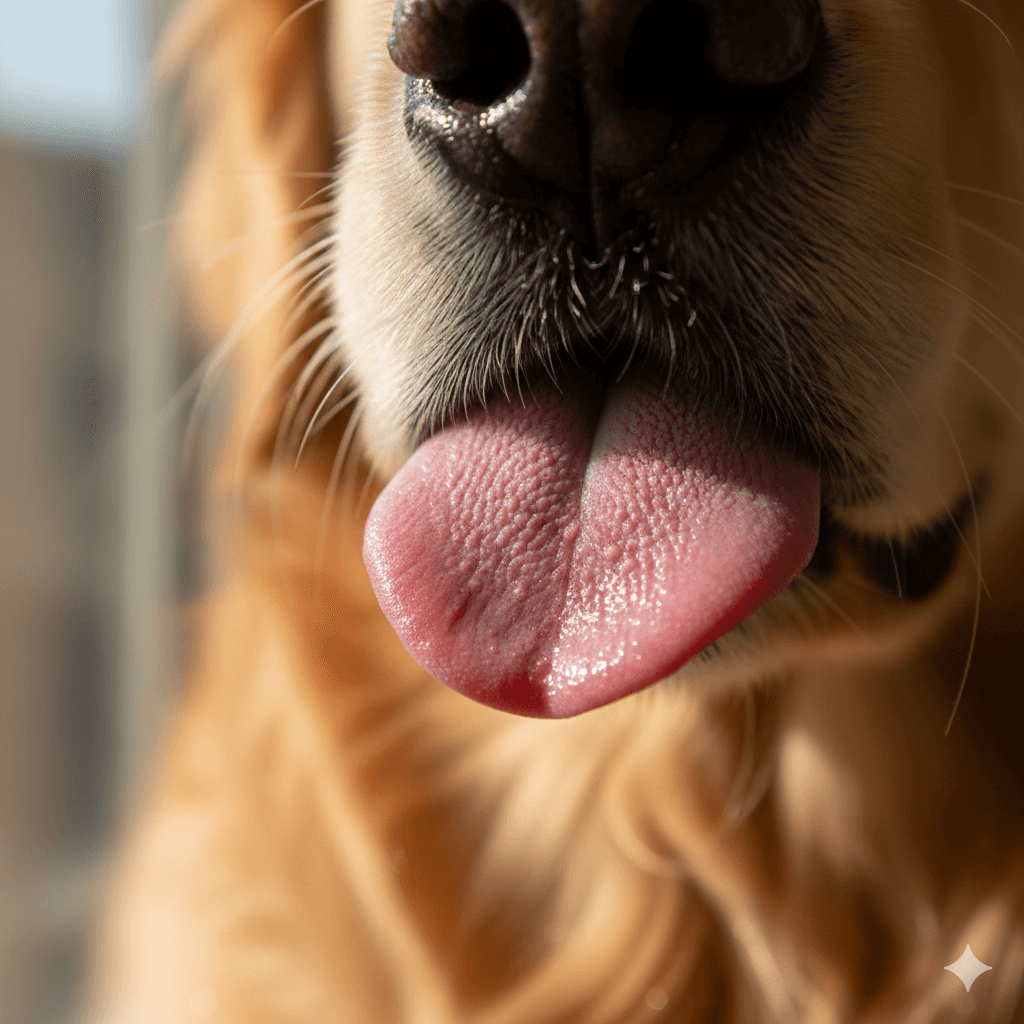
Dogs have approximately 1,700 taste buds compared to the 9,000+ found in humans, which explains why their flavor perception is less refined. This limited range means they rely more on scent than taste when deciding what to eat. - Primary Flavor Preferences:
Dogs are naturally drawn to savory, meaty flavors due to their evolutionary history as carnivores. Proteins and fats trigger positive responses, while overly sweet or salty foods may go unnoticed or even cause aversion. - Taste and Smell Connection:
A dog’s sense of taste works in tandem with its sense of smell, which is up to 10,000 times stronger than a human’s. This combination allows them to fully appreciate the aroma and flavor profile of their meals. - Specialized Receptors for Water:
Unlike humans, dogs have specialized taste buds that detect water. These receptors become more active after consuming salty or protein-rich foods, helping them stay hydrated during meals. - Avoidance of Bitter Flavors:
Bitter tastes often signal toxicity in nature, so dogs are naturally averse to them. This instinct protects them from ingesting harmful plants or spoiled foods.
The Role of Taste in Dog Nutrition
- Preference for High-Protein Foods:
Dogs gravitate toward foods rich in animal proteins because these align with their ancestral diet and provide essential amino acids for muscle development. - Limited Sweet Tooth:
Although dogs can detect sweetness, their preference leans toward savory options. This is why treats designed for dogs often mimic meat flavors rather than sugary snacks. - Salt Sensitivity:
Excessive salt intake can harm dogs, so their taste buds discourage overconsumption. However, moderate amounts are necessary for electrolyte balance and cellular function. - Fat Detection Ability:
Dogs have evolved to recognize fats, which are calorie-dense and provide sustained energy. This ability ensures they prioritize nutrient-rich foods in the wild. - Hydration Through Taste:
The unique water-detecting taste buds encourage dogs to drink enough water, especially after consuming dry kibble or salty foods.
Check this guide 👉 Can Dogs Eat Chives? Best 7 Expert Tips!
Check this guide 👉 Can Dogs Eat Pear? Best 7 Expert Tips!
Check this guide 👉 Can Dogs Eat Cicadas: Best 7 Expert Tips!
Key Facts About Dog Taste Buds | Care Tips for Feeding Your Dog |
|---|---|
Dogs have ~1,700 taste buds compared to 9,000+ in humans | Choose high-quality, protein-rich foods that align with their natural preferences |
Specialized taste buds detect water after eating salty foods | Avoid feeding overly sweet or salty foods that could harm their health |
Dogs are drawn to savory, meaty flavors over sweets | Monitor portion sizes to prevent overeating and maintain a healthy weight |
Bitter flavors signal toxicity and are naturally avoided | Clean food bowls regularly to prevent bacterial buildup |
Smell heavily influences their perception of flavor | Rotate textures and ingredients to keep meals exciting and nutritious |
Comparing Dog and Human Taste Perception
- Number of Taste Buds:
Humans boast around 9,000 taste buds, allowing us to discern subtle nuances in flavor. Dogs, with only about 1,700, focus on broader categories like sweet, salty, sour, bitter, and umami. - Dominance of Smell Over Taste:
For dogs, smell heavily influences their perception of flavor, whereas humans rely equally on both senses. This difference explains why dogs might ignore visually appealing food if it lacks a strong scent. - Evolutionary Adaptations:
Human taste buds evolved to enjoy diverse cuisines, while dogs’ taste buds adapted to identify safe, high-energy foods in the wild. - Sweetness Detection in Dogs:
Unlike cats, who cannot taste sweetness at all, dogs possess receptors for sweet flavors. This trait likely stems from their omnivorous ancestors who consumed fruits and vegetables alongside meat. - Bitter Aversion Shared by Both Species:
Both dogs and humans avoid bitter flavors, as they often indicate toxins or spoiled food—a shared survival mechanism rooted in biology.
Training and Treats: Leveraging Taste Preferences
- High-Value Treats for Motivation:
Meaty, aromatic treats are ideal for rewarding desired behaviors, as they tap into your dog’s innate love for protein-rich flavors. - Portion Control During Training:
Even small, tasty morsels can motivate your dog without adding excessive calories to their diet. Break larger treats into bite-sized pieces for efficiency. - Avoiding Harmful Ingredients:
Steer clear of treats containing artificial sweeteners like xylitol, which are toxic to dogs despite being appealing to some taste buds. - Customizing Treat Choices:
Some dogs prefer softer textures, while others enjoy crunchy snacks. Experiment to find what excites your pup most during training. - Balancing Rewards with Nutrition:
Ensure treats make up no more than 10% of your dog’s daily caloric intake to maintain a healthy weight and prevent overindulgence.
Common Myths About Dog Taste Buds
- Myth: Dogs Can’t Taste Anything:
This is false—dogs do have taste buds, though fewer than humans. They simply rely more on smell to evaluate food. - Myth: Dogs Love All Human Food:
While some human foods appeal to dogs, many don’t due to differing taste preferences and nutritional requirements. - Myth: Dogs Prefer Sweeter Foods:
Most dogs favor savory flavors over sweets, thanks to their carnivorous ancestry. - Myth: Dry Kibble Has No Flavor Appeal:
Quality kibble includes ingredients designed to entice dogs, combining aroma and taste to stimulate appetite. - Myth: Dogs Don’t Need Variety in Diet:
Like humans, dogs benefit from varied diets that cater to their taste preferences and nutritional needs.
Health Implications of Dog Taste Preferences
- Decreased Appetite and Illness:
If your dog suddenly rejects favorite foods, it could indicate dental problems, gastrointestinal upset, or systemic illness. - Increased Thirst and Kidney Health:
The water-detecting taste buds may prompt increased drinking if kidney function declines—a sign to consult your vet. - Weight Loss and Nutritional Gaps:
Picky eating habits might stem from inadequate nutrition, prompting the need for dietary adjustments. - Allergies and Food Intolerances:
Reactions to specific flavors or ingredients suggest potential allergies, requiring elimination diets or veterinary testing. - Age-Related Changes in Taste:
Older dogs may lose sensitivity in their taste buds, necessitating more aromatic or flavorful foods to maintain interest.
Enhancing Your Dog’s Dining Experience
- Choosing High-Quality Food:
Opt for nutrient-rich, minimally processed foods that align with your dog’s natural cravings for meaty flavors. - Adding Variety to Meals:
Rotate proteins, incorporate fresh vegetables, or mix wet and dry food to keep meals exciting and nutritionally balanced. - Using Interactive Feeders:
Puzzle feeders engage your dog’s mind and senses, making mealtime stimulating beyond just taste. - Temperature Matters:
Slightly warming food enhances its aroma, appealing to your dog’s dominant sense of smell and encouraging them to eat. - Minimizing Stress During Meals:
Ensure a calm, quiet environment free from distractions, allowing your dog to focus on enjoying their food.
Frequently Asked Questions About Do Dogs Have Taste Buds
Do dogs really have taste buds?
Yes, dogs have approximately 1,700 taste buds located on their tongues, which allow them to detect flavors like sweet, salty, sour, bitter, and umami.
Can dogs taste spicy food?
Dogs can detect spicy flavors, but they don’t enjoy them as much as humans do. Their preference leans toward savory, meaty flavors instead.
Why do dogs eat things that taste bad to us?
Dogs rely more on smell than taste when deciding what to eat. Even if something tastes unpleasant to us, its scent or texture might appeal to them.
Are dogs attracted to sweet foods?
While dogs can taste sweetness, their attraction to sugary foods is less pronounced than in humans. They’re more drawn to protein-rich flavors.
How does a dog’s sense of taste compare to humans?
Humans have about 9,000 taste buds, making our sense of taste far more refined. Dogs rely more on their sense of smell to compensate for fewer taste receptors.
A Tiny Detail with Big Implications
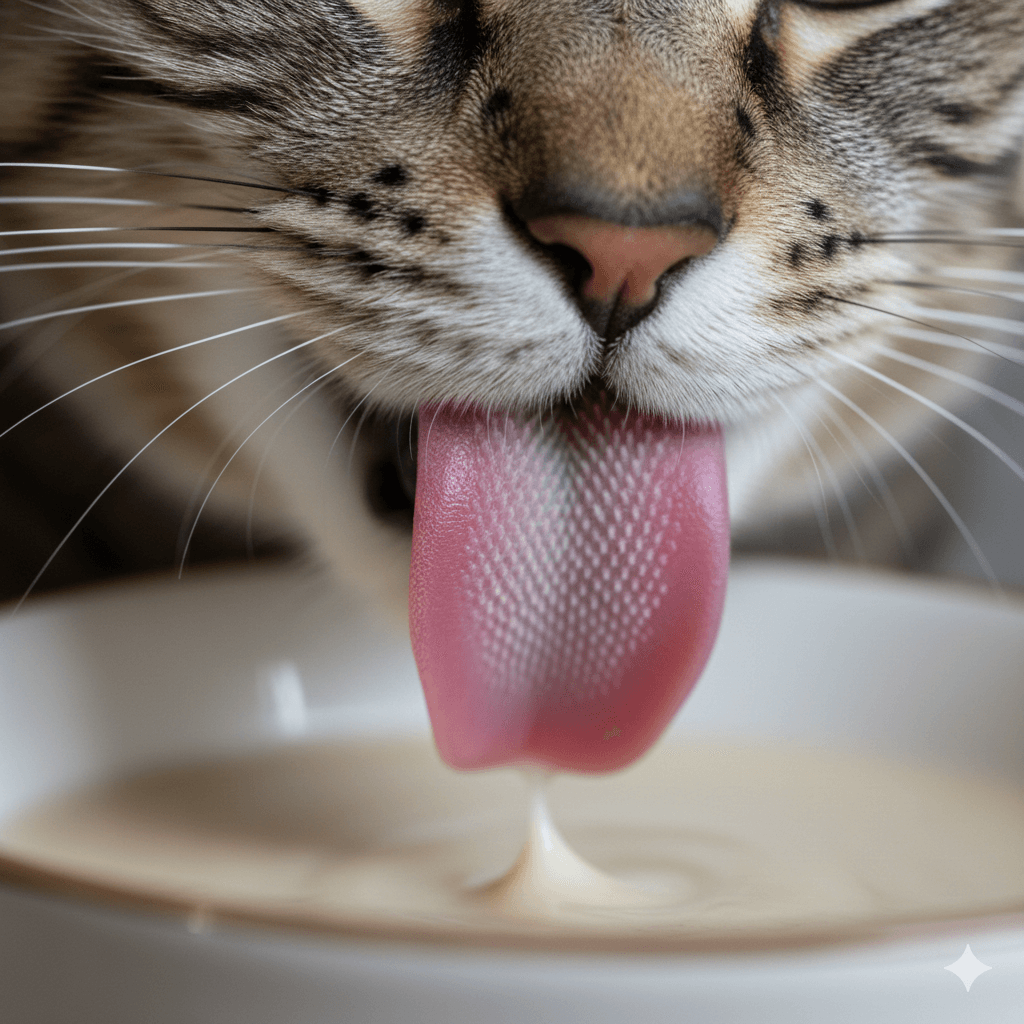
Do Cats Have Taste Buds? Best 7 Expert Tips! – Discover how cats experience flavors and why their taste is so unique.
Do Dogs Have Taste Buds? Best 7 Expert Tips! – Discover how dogs experience taste, their preferences, and what it means for their diet and health.
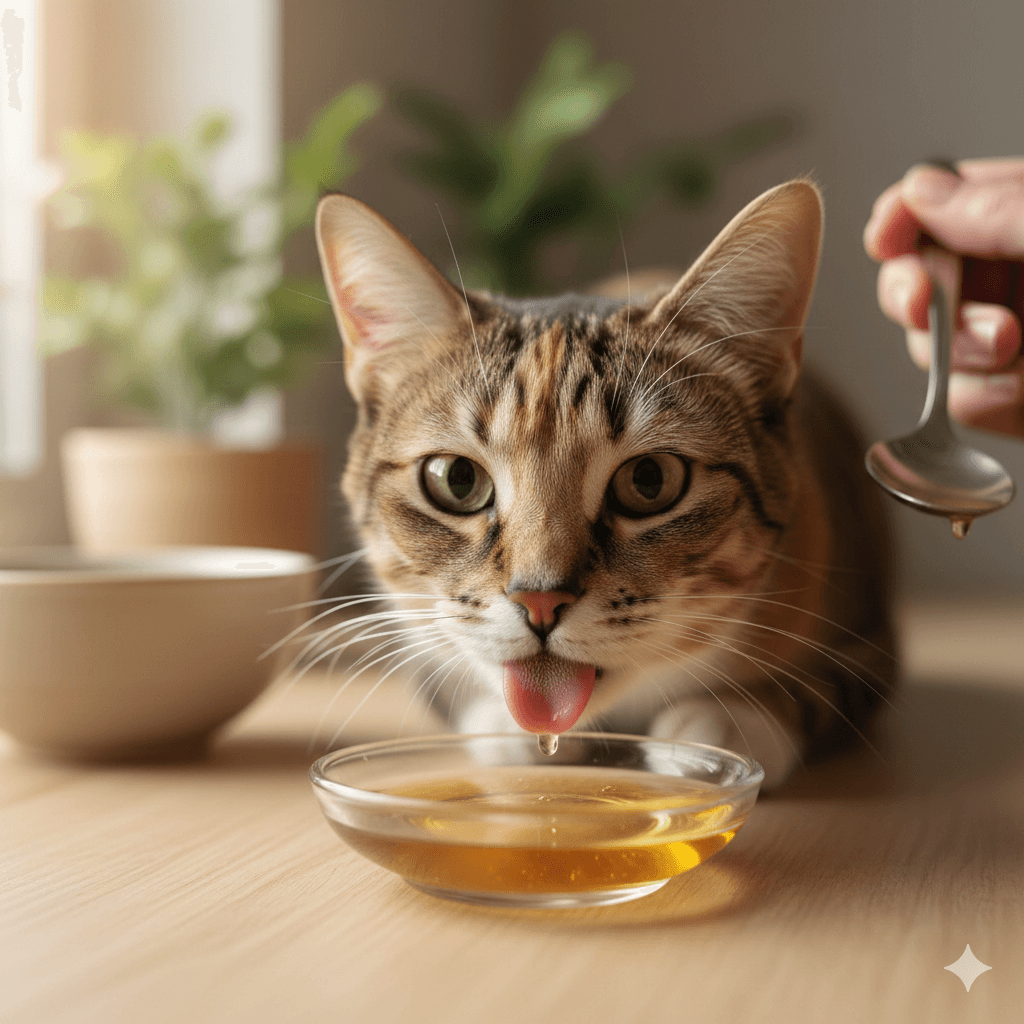
Can Cats Taste Sweet? Best 7 Expert Tips! – Discover why cats can’t taste sweetness, how it affects their diet, and tips to keep them healthy and happy.
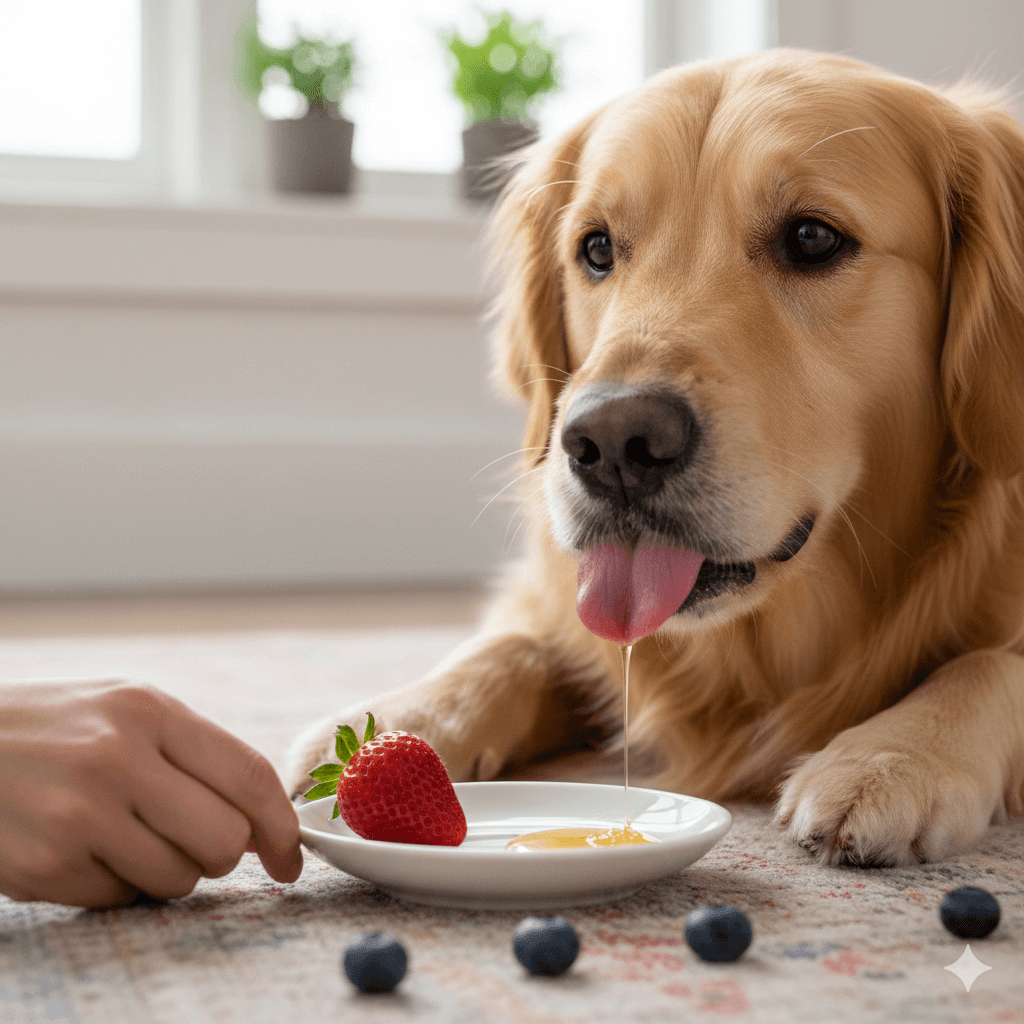
Can Dogs Taste Sweet? Best 7 Expert Tips! – Discover how dogs perceive sweetness, which foods are safe, and tips to manage their sweet cravings responsibly.