
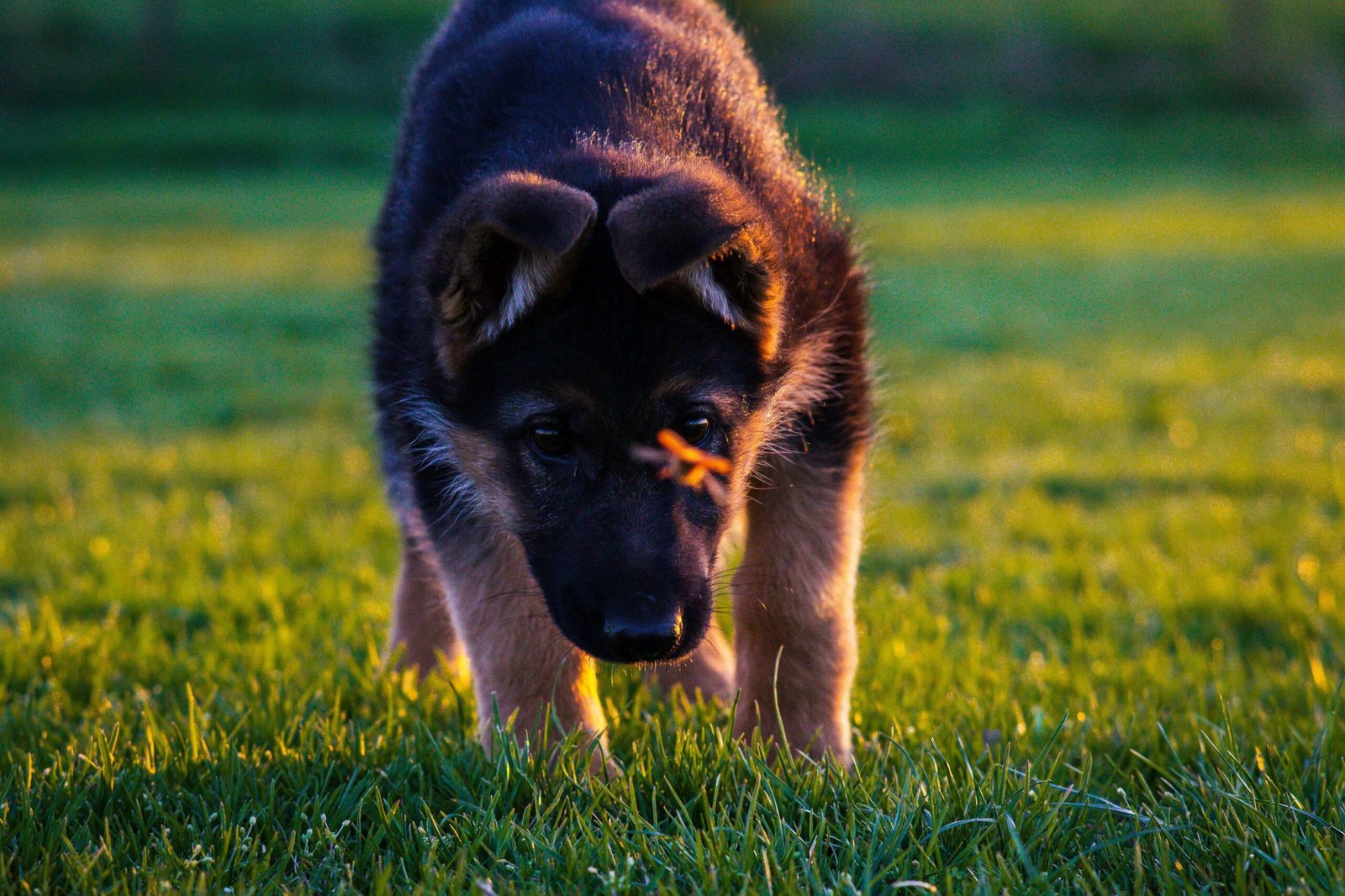


Do Dogs Have Belly Buttons? Best 7 Expert Tips!

Do Dogs Have Belly Buttons? Best 7 Expert Tips!

Do Dogs Have Belly Buttons? Uncovering the Truth About Canine Anatomy

Have you ever wondered if dogs have belly buttons? It’s a question that many pet owners ponder, especially when cuddling their furry friends or noticing peculiar markings on their bellies. While humans proudly display their belly buttons as a remnant of their prenatal development, dogs also have a similar anatomical feature—though it looks and functions quite differently. In this blog post, we’ll dive into the fascinating world of canine biology to uncover whether dogs truly have belly buttons, what they look like, and why they matter. By the end, you’ll not only have the answer but also a deeper appreciation for your dog’s unique anatomy.

What Is a Dog’s Belly Button?

A dog’s belly button, also known as an umbilicus, is the scar left behind after the umbilical cord is severed shortly after birth. Unlike humans, whose belly buttons are often prominent, a dog’s belly button is subtle and easy to miss. Here’s what you need to know about it:

 
  • Location
    A dog’s belly button is typically located near the base of the ribcage, along the midline of the abdomen.

  • Appearance
    Instead of a visible indentation or protrusion, a dog’s belly button usually appears as a small, flat scar.

  • Function
    The belly button marks the spot where the umbilical cord connected the puppy to its mother, providing nutrients during gestation.

  • Healing Process
    After birth, the umbilical cord dries up and falls off, leaving behind a small scar that fades over time.

  • Variations by Breed
    Some breeds may have slightly more noticeable belly buttons due to differences in skin elasticity or fur patterns.


Understanding these details helps explain why a dog’s belly button is less obvious than a human’s but no less significant.

How to Identify Your Dog’s Belly Button

Finding your dog’s belly button can be a fun and educational experience. Look for these clues to locate and identify it:

 
  • Part the Fur
    Gently brush aside your dog’s fur around the abdominal area to reveal the skin beneath.

  • Feel for a Scar
    Run your fingers lightly over the midline of your dog’s belly to feel for a small, smooth bump or indentation.

  • Look for Discoloration
    Some dogs may have slight discoloration or a faint line where the umbilical cord once attached.

  • Check Near the Chest
    Focus your search near the base of the ribcage, as this is the most common location for a dog’s belly button.

  • Ask Your Vet
    If you’re unsure, consult your veterinarian during your dog’s next check-up for confirmation.


With a little patience and observation, you can easily pinpoint your dog’s belly button and learn more about their anatomy.

Do Dogs Have Belly Buttons? Best 7 Expert Tips!

Common Myths About Dog Belly Buttons

There are several misconceptions about dog belly buttons that can lead to confusion. Let’s debunk some of the most common myths:

 
  • Myth: Dogs Don’t Have Belly Buttons
    Fact: All mammals, including dogs, have belly buttons as a result of being born with an umbilical cord.

  • Myth: A Dog’s Belly Button Is Always Visible
    Fact: Most dogs’ belly buttons are subtle scars hidden beneath fur and skin.

  • Myth: Belly Buttons Are a Weak Spot
    Fact: Once healed, a dog’s belly button poses no risk or vulnerability.

  • Myth: Only Certain Breeds Have Belly Buttons
    Fact: Every dog breed has a belly button, though its appearance may vary slightly.

  • Myth: Belly Buttons Require Special Care
    Fact: Unless there’s an infection or injury, a dog’s belly button requires no special maintenance.


Clearing up these myths ensures you have accurate information about your dog’s anatomy.

Signs of Potential Issues Around the Belly Button

While a dog’s belly button is typically harmless, there are times when it may indicate a health concern. Watch for these signs:

 
  • Swelling or Lump
    A noticeable bulge near the belly button could indicate an umbilical hernia.

  • Redness or Irritation
    Inflammation or redness may suggest an infection or allergic reaction.

  • Discharge or Odor
    Any unusual discharge or foul smell warrants immediate veterinary attention.

  • Excessive Licking
    If your dog obsessively licks their belly button, it could signal discomfort or irritation.

  • Behavioral Changes
    Lethargy, loss of appetite, or aggression when touched around the belly area may point to underlying issues.


By monitoring these symptoms, you can ensure your dog stays healthy and receives prompt treatment if needed.


Exploring the Role of the Umbilical Cord in Puppy Development

The umbilical cord plays a vital role in a puppy’s development before birth, and its remnants leave behind the belly button scar. Here’s how this process works:

 
  • Nutrient Delivery
    The umbilical cord delivers essential nutrients and oxygen from the mother to the developing puppy.

  • Waste Removal
    It also removes waste products like carbon dioxide from the puppy’s bloodstream.

  • Severing After Birth
    Once the puppy is born, the mother typically chews through the umbilical cord, leaving a small stump that eventually heals.

  • Scar Formation
    The healing process transforms the stump into a flat, barely noticeable scar—the dog’s belly button.

  • Importance of Proper Healing
    If the umbilical cord doesn’t heal correctly, it can lead to complications like infections or hernias.


Understanding the role of the umbilical cord highlights its significance in shaping a dog’s early life and anatomy.

How to Keep Your Dog’s Abdominal Area Healthy

Maintaining your dog’s overall health includes paying attention to their abdominal area, including the belly button region. Here are some tips to ensure everything stays in good condition:

 
  • Regular Grooming
    Trim excess fur around the belly to prevent matting and reduce the risk of irritation.

  • Monitor for Changes
    Check the abdominal area regularly for unusual swelling, redness, or lumps.

  • Prevent Excessive Licking
    Use an Elizabethan collar if your dog excessively licks their belly button to avoid further irritation.

  • Maintain a Healthy Weight
    Obesity can put pressure on the abdomen, increasing the risk of issues like hernias.

  • Schedule Routine Vet Visits
    Regular check-ups allow your vet to catch any potential problems early.


By taking these steps, you can help ensure your dog’s abdominal area remains healthy and free of complications.

Fun Facts About Dog Belly Buttons

Dog belly buttons may seem like a mundane topic, but they’re full of fascinating trivia. Here are some fun facts to impress your fellow dog lovers:

 
  • Not All Animals Have Belly Buttons
    Only mammals that give live birth, like dogs, have belly buttons. Egg-laying animals do not.

  • Invisible Yet Important
    A dog’s belly button is often so subtle that many owners never notice it, despite its biological importance.

  • Unique Markings
    Some dogs have distinctive fur patterns or color changes around their belly button area.

  • Rare Medical Conditions
    While uncommon, conditions like umbilical hernias can affect a dog’s belly button, requiring surgical correction.

  • Symbol of Life’s Beginning
    Like humans, a dog’s belly button serves as a reminder of their first connection to life outside the womb.


These fun facts add an extra layer of intrigue to the humble dog belly button, making it a topic worth exploring further.

Frequently Asked Questions About Dog Belly Buttons

Can I see my dog’s belly button easily?

Not always—it’s often hidden under fur and appears as a small scar.

Yes, all puppies are born with belly buttons, which heal shortly after birth.

Consult your veterinarian, as swelling could indicate an umbilical hernia or infection.

Generally, no cleaning is necessary unless advised by a vet due to specific concerns.

Yes, both genders have belly buttons, and they look similar regardless of sex.

Appreciating the Wonders of Canine Anatomy

The humble belly button may seem like a minor detail in the grand scheme of your dog’s life, but it serves as a reminder of the incredible journey from puppyhood to adulthood. Understanding your dog’s belly button not only satisfies curiosity but also deepens your connection to their unique biology. Whether you’re marveling at the subtlety of their scar or ensuring their health through careful observation, taking the time to learn about your dog’s anatomy strengthens the bond you share. So next time you’re snuggling with your pup, take a moment to appreciate the little things—even their belly button!

Dog Seizure Symptoms: Best 7 Expert Tips!

Dog Seizure Symptoms: Best 7 Expert Tips! – Learn to spot signs, respond effectively, and manage seizures in dogs for a healthier, happier life.

Carprofen Dosage for Cats: Best 7 Expert Tips!

Carprofen Dosage for Cats: Best 7 Expert Tips! – Learn safe dosing, risks, and alternatives to manage pain and inflammation in cats effectively.

Africanis Dog Breed: Best 7 Expert Tips!

Africanis Dog Breed: Best 7 Expert Tips! – Explore the resilience, loyalty, and adaptability of this ancient African breed, perfect for diverse lifestyles.

Cruciate Ligament Injury Symptoms in Dogs: Best 7 Tips!

Cruciate Ligament Injury Symptoms in Dogs: Best 7 Tips! – Discover key signs like limping, swelling, and joint instability to ensure prompt treatment.

Leave a Reply

Your email address will not be published. Required fields are marked *

Post Category


