
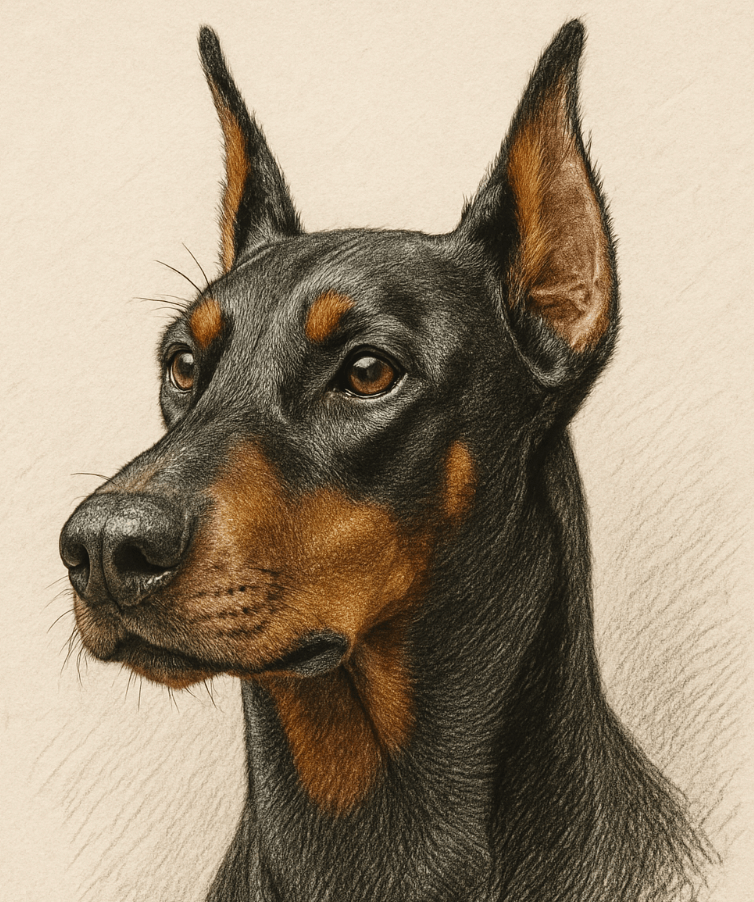

Do Dobermans Shed? Best 7 Expert Tips!

Do Dobermans Shed? Best 7 Expert Tips!

Do Dobermans Shed? What You Need to Know About Their Coat


If you’re considering adding a Doberman Pinscher to your family, one of the questions that might cross your mind is, “Do Dobermans shed?” Known for their sleek, elegant appearance and loyal personalities, Dobermans are a popular choice for families and individuals alike. However, understanding their grooming needs and shedding habits is essential to ensure you’re prepared for life with this intelligent breed.

While Dobermans are not heavy shedders compared to some other breeds, they do lose hair, and knowing how to manage it will help keep your home fur-free and your dog looking its best. In this blog post, we’ll explore everything you need to know about Doberman shedding, from coat care tips to seasonal changes.

Understanding Doberman Shedding Patterns


Dobermans have a short, smooth coat that is relatively low-maintenance compared to longer-haired breeds. However, they still shed, though the amount and frequency may vary depending on several factors. Here’s what you need to know about their shedding patterns.

 
  • Minimal Year-Round Shedding:
    Dobermans are considered light shedders, meaning they lose small amounts of hair consistently throughout the year.

  • Seasonal Shedding Spikes:
    Like most dogs, Dobermans experience increased shedding during spring and fall as their coats adapt to changing temperatures.

  • Individual Variation:
    Some Dobermans may shed more than others due to genetics, diet, or health conditions, so shedding levels can differ between individual dogs.

  • Short Hair, Less Mess:
    The short length of their coat means loose hairs are less likely to get embedded in furniture or clothing compared to longer-haired breeds.

  • Indoor Living Impact:
    Dobermans kept indoors with climate-controlled environments may shed less dramatically than those exposed to extreme weather fluctuations.


Understanding these patterns helps you anticipate and manage shedding effectively.

Tips for Managing Doberman Shedding


While Dobermans don’t require extensive grooming, regular maintenance can minimize shedding and keep their coat healthy and shiny. Follow these tips to stay on top of their shedding.

 
  • Brush Regularly:
    Use a soft-bristle brush or grooming mitt once or twice a week to remove loose hairs and distribute natural skin oils.

  • Bathe Occasionally:
    Bathe your Doberman every 6-8 weeks using a gentle dog shampoo to keep their coat clean without stripping essential oils.

  • Maintain a Healthy Diet:
    A balanced diet rich in omega-3 fatty acids supports skin and coat health, reducing excessive shedding.

  • Hydration Matters:
    Ensure your Doberman has access to fresh water daily, as dehydration can lead to dry skin and increased shedding.

  • Check for Skin Issues:
    Excessive shedding could indicate allergies, parasites, or other skin conditions; consult your vet if shedding seems abnormal.


With consistent care, you can keep shedding under control while promoting your Doberman’s overall well-being.

Do Dobermans Shed? Best 7 Expert Tips!
Benefits of Owning a Doberman
Challenges of Doberman Shedding
Low-maintenance grooming needs
Seasonal shedding spikes
Sleek, easy-to-clean coat
Potential for allergies or skin issues
Minimal odor compared to other breeds
Requires regular brushing
Adapts well to indoor living
Loose hairs can accumulate on furniture
Loyal and protective nature
Individual variation in shedding

Seasonal Changes and Their Impact on Shedding


Doberman shedding is influenced by seasonal changes, as their bodies adjust to temperature shifts. Understanding these cycles helps you prepare for increased shedding during certain times of the year.

 
  • Spring Shedding:
    As warmer weather approaches, Dobermans shed their winter undercoat to prepare for summer.

  • Fall Shedding:
    Cooler temperatures trigger shedding of lighter summer hair to make way for a thicker winter coat.

  • Climate-Controlled Homes:
    Dogs living in homes with consistent temperatures may shed less dramatically but still follow seasonal patterns.

  • Outdoor Exposure:
    Dobermans spending significant time outdoors may shed more noticeably as they adapt to environmental changes.

  • Health Monitoring:
    Keep an eye on your dog’s skin and coat during shedding seasons to catch any abnormalities early.


By anticipating seasonal shedding, you can take proactive steps to minimize its impact on your home and your dog’s comfort.

Common Misconceptions About Doberman Shedding


There are several myths surrounding Doberman shedding that can lead to confusion among prospective and current owners. Let’s debunk some of these misconceptions.

 
  • “Dobermans Don’t Shed at All”:
    While minimal, Dobermans do shed, especially during seasonal transitions.

  • “Short Hair Means No Grooming Needed”:
    Even short-haired breeds like Dobermans require regular brushing and care to maintain a healthy coat.

  • “Shedding Indicates Poor Health”:
    Moderate shedding is normal; only excessive or sudden shedding warrants concern.

  • “Dobermans Are Hypoallergenic”:
    Despite their low shedding, Dobermans are not hypoallergenic and can still trigger allergies in sensitive individuals.

  • “Bathing Reduces Shedding”:
    Over-bathing can dry out the skin and increase shedding, so moderation is key.


Clearing up these misconceptions ensures realistic expectations when caring for a Doberman.

Signs Your Doberman May Have Excessive Shedding


While moderate shedding is normal, excessive shedding can signal underlying problems. Watch for these signs that something might be amiss.

 
  • Patches of Missing Hair:
    Bald spots or thinning areas could indicate allergies, infections, or hormonal imbalances.

  • Itchy or Irritated Skin:
    Persistent scratching or redness suggests potential skin issues that need veterinary attention.

  • Dull or Dry Coat:
    A lackluster coat may point to nutritional deficiencies or dehydration.

  • Excessive Fur Around the House:
    If shedding suddenly increases beyond normal levels, investigate possible causes like stress or illness.

  • Behavioral Changes:
    Lethargy, irritability, or discomfort may accompany excessive shedding due to underlying health concerns.


Addressing these signs early ensures your Doberman stays healthy and comfortable.

Best Practices for Reducing Shedding Indoors


Minimizing shedding inside your home involves a combination of grooming techniques and household management strategies.

 
  • Use Furniture Covers:
    Protect couches and chairs with washable covers to catch loose hairs easily.

  • Invest in a Quality Vacuum Cleaner:
    A vacuum designed for pet hair makes cleanup faster and more efficient.

  • Groom Outdoors When Possible:
    Brushing your Doberman outside prevents loose hairs from accumulating indoors.

  • Launder Pet Bedding Regularly:
    Washing your dog’s bedding reduces hair buildup and keeps their sleeping area clean.

  • Create a Designated Grooming Area:
    Set aside a specific spot for brushing to contain loose hairs and simplify cleanup.


These practices help maintain a cleaner home while keeping your Doberman’s coat in top condition.

The Role of Diet in Managing Shedding


A nutritious diet plays a crucial role in maintaining your Doberman’s skin and coat health, which directly impacts shedding levels.

 
  • Omega-3 Fatty Acids:
    Foods rich in omega-3s, like fish oil or flaxseed, promote a shiny coat and reduce shedding.

  • High-Quality Protein Sources:
    Protein supports muscle repair and skin health, minimizing excessive hair loss.

  • Vitamins and Minerals:
    Nutrients like zinc, biotin, and vitamin E contribute to strong, healthy hair growth.

  • Avoid Fillers and Additives:
    Low-quality ingredients in dog food can lead to poor coat condition and increased shedding.

  • Stay Hydrated:
    Proper hydration ensures your Doberman’s skin remains supple and less prone to dryness.


Feeding your Doberman a balanced diet tailored to their needs can significantly improve their coat quality and reduce shedding.

Frequently Asked Questions About Doberman Shedding

 
How often should I brush my Doberman?

Brush your Doberman 1-2 times per week to manage shedding and keep their coat shiny.

Increased shedding could be due to seasonal changes, stress, poor diet, or underlying health issues.

No, shedding is a natural process, but proper care can minimize it.

While they shed less than many breeds, they are not hypoallergenic and may still cause reactions.

A soft-bristle brush, grooming mitt, or deshedding tool works well for their short coat.

Embracing Life with a Doberman and Their Shedding Habits


Do Dobermans shed? Yes, but their shedding is generally manageable and far less intense than many other breeds. With their sleek coats and loyal personalities, Dobermans make wonderful companions for those willing to invest a little time in grooming and care. By understanding their shedding patterns, maintaining a consistent grooming routine, and addressing any underlying issues promptly, you can enjoy a harmonious relationship with your furry friend. Remember, a little effort goes a long way in keeping your Doberman happy, healthy, and looking their best.

Newfoundland Dog Personality: Best 7 Expert Tips!

Newfoundland Dog Personality: Best 7 Expert Tips! – Discover the gentle, loyal, and protective nature of this giant breed perfect for families.

Can Hot Pavement Burn Your Cats Paws? Best 7 Expert Tips!

Can Hot Pavement Burn Your Cats Paws? Best 7 Expert Tips! – Learn how to protect your cat’s paws from hot surfaces and prevent painful burns this summer.

Can Hot Pavement Burn Your Dogs Paws? Best 7 Expert Tips!

Can Hot Pavement Burn Your Dogs Paws? Best 7 Expert Tips! – Learn how to protect your dog’s paws from hot surfaces and ensure safe summer walks.

Irish Wolfhound Size: Best 7 Expert Tips!

Irish Wolfhound Size: Best 7 Expert Tips! – Discover the ideal height, weight, and care tips for this majestic giant breed. Learn how to manage their impressive stature responsibly.

Leave a Reply

Your email address will not be published. Required fields are marked *


