
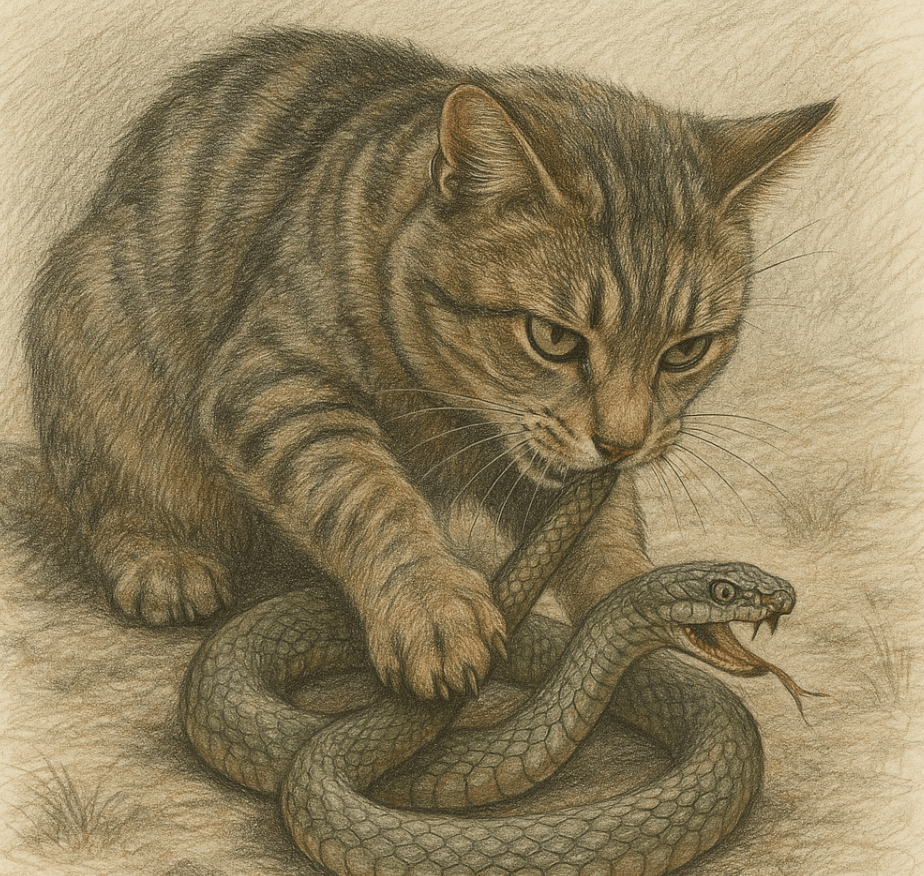

Do Cats Kill Snakes? Best 7 Health Tips!

Do Cats Kill Snakes? Best 7 Health Tips!

Do Cats Kill Snakes?


Cats are natural-born hunters, known for their agility, sharp claws, and quick reflexes. But when it comes to snakes—creatures that strike fear into the hearts of many—can cats hold their own? The question of whether cats can kill snakes is not only fascinating but also relevant for pet owners who live in areas where snakes are common. While cats may instinctively chase or attack small prey, snakes present unique challenges due to their size, speed, and potential venom. In this blog post, we’ll explore the dynamics of cat-snake encounters, the risks involved, and how you can keep both your feline friend and local wildlife safe.


How Cats React to Snakes


When a cat encounters a snake, its behavior is driven by instinct, curiosity, and experience. Understanding how cats typically respond can help predict the outcome of such interactions.

 
  • Curiosity Drives Initial Engagement:
    Cats are naturally curious creatures and may approach a snake to investigate its movements or scent.

  • Hunting Instinct Kicks In:
    If the snake appears to be prey-sized, a cat may attempt to pounce, chase, or corner it as part of its hunting behavior.

  • Fear Response to Larger Snakes:
    When faced with larger or more intimidating snakes, some cats may back away or avoid confrontation altogether.

  • Aggression Toward Threats:
    If a snake hisses, rattles, or strikes, a cat might react defensively, escalating the encounter into a fight.

  • Playful Behavior Can Be Misleading:
    Even if a cat seems playful during the interaction, they may inadvertently provoke the snake into attacking.


While cats often rely on their instincts, these behaviors can lead to dangerous situations, especially with venomous snakes.

Factors That Determine Whether Cats Can Kill Snakes


Not all snake-cat encounters end the same way. Several factors influence whether a cat can successfully kill a snake—or become the victim instead.

 
  • Size of the Snake:
    Smaller snakes are easier targets for cats, while larger ones pose significant threats due to their strength and ability to constrict.

  • Type of Snake (Venomous vs. Non-Venomous):
    Venomous snakes like rattlesnakes or cobras can seriously injure or kill a cat with a single bite, making them far more dangerous than non-venomous species.

  • Cat’s Experience Level:
    Outdoor cats with prior exposure to snakes may have better instincts for avoiding or handling them compared to indoor-only cats.

  • Environment and Location:
    Encounters in open spaces give cats room to maneuver, while confined areas can trap them with the snake, increasing risk.

  • Snake’s Defensive Mechanisms:
    Some snakes rely on camouflage, while others use speed, constriction, or venom to defend themselves—all of which affect the outcome of an encounter.


Understanding these variables helps explain why outcomes vary widely between different cat-snake interactions.

Do Cats Kill Snakes? Best 7 Health Tips!
What Cats Can Do Against Snakes
Risks Cats Face from Snakes
Pounce on smaller, non-threatening snakes
Risk of venomous bites leading to severe injury
Use agility to evade strikes
Potential constriction by larger snakes
Corner or intimidate smaller snakes
Poisonous species may outmatch even skilled hunters
Alert owners to snake presence
Bites to face or neck can be fatal
Learn avoidance after bad experiences
Lack of awareness about venomous snakes

Signs Your Cat Has Encountered a Snake


Even if you don’t witness the interaction firsthand, there are signs that may indicate your cat has crossed paths with a snake. Recognizing these symptoms can save valuable time in seeking medical attention.

 
  • Unexplained Wounds or Bite Marks:
    Look for puncture wounds, swelling, or bleeding around the face, paws, or body.

  • Lethargy or Weakness:
    A sudden drop in energy levels could signal poisoning or trauma from a snakebite.

  • Vomiting or Diarrhea:
    These symptoms may occur if your cat ingested toxins or suffered internal injuries during the encounter.

  • Excessive Salivation or Drooling:
    This could indicate irritation caused by venom or stress from the altercation.

  • Difficulty Breathing:
    Labored breathing might suggest a serious reaction to venom or physical damage from the snake.


If you notice any of these signs, contact your veterinarian immediately to rule out snake-related injuries.


Tips for Keeping Your Cat Safe Around Snakes


Prevention is key to ensuring your cat stays safe in areas where snakes are common. Follow these tips to minimize risks and protect your furry companion.

 
  • Supervise Outdoor Time:
    Keep a close eye on your cat when they’re outside, especially near tall grass, rocks, or wooded areas where snakes hide.

  • Create a Snake-Free Zone:
    Remove potential hiding spots like piles of leaves, wood stacks, or cluttered sheds from your yard.

  • Use Snake Deterrents:
    Natural repellents or sound devices can discourage snakes from entering your property.

  • Train Your Cat to Avoid Snakes:
    Positive reinforcement training can teach your cat to steer clear of unfamiliar creatures.

  • Consider Indoor Living:
    Keeping your cat indoors eliminates the risk of encountering snakes entirely, providing peace of mind.


Taking proactive measures ensures your cat remains safe and healthy despite sharing space with wildlife.


Common Misconceptions About Cats and Snakes


There are several myths surrounding cats and snakes that can lead to misunderstandings. Here’s what you need to know to separate fact from fiction.

 
  • Myth: Cats Always Win Against Snakes:
    Reality: Cats are not invincible and can easily lose to venomous or large snakes.

  • Myth: All Cats Are Natural Snake Hunters:
    Reality: Not all cats have the skill or confidence to confront snakes effectively.

  • Myth: Snake Repellents Harm Cats:
    Reality: Most natural repellents are safe for pets, but always check product labels to confirm.

  • Myth: Indoor Cats Can’t Encounter Snakes:
    Reality: Snakes can sometimes enter homes through cracks or open doors, so vigilance is still necessary.

  • Myth: Cats Learn Quickly After One Encounter:
    Reality: Some cats repeat risky behaviors despite negative experiences, requiring owner intervention.


Debunking these misconceptions empowers you to make smarter decisions about your cat’s safety.

Benefits of Training Your Cat to Avoid Snakes


Teaching your cat to stay away from snakes can prevent dangerous encounters and promote coexistence with local wildlife.

 
  • Reduces Stress for Both Animals:
    Avoiding snakes prevents unnecessary fights and minimizes stress for both the cat and the snake.

  • Protects Native Wildlife:
    Training discourages your cat from harming beneficial snake species that control rodent populations.

  • Builds Trust Between You and Your Cat:
    Positive reinforcement strengthens your bond and encourages obedience in other areas too.

  • Enhances Overall Safety:
    A trained cat is less likely to wander into hazardous situations involving snakes or other predators.

  • Promotes Responsible Pet Ownership:
    Teaching avoidance demonstrates respect for nature and fosters a harmonious environment.


Training your cat creates a win-win scenario for everyone involved.


What to Do If Your Cat Kills a Snake


If your cat manages to kill a snake, it’s important to act quickly to ensure their safety and address any potential health concerns.

 
  • Inspect Your Cat for Injuries:
    Check thoroughly for bites, scratches, or signs of toxin exposure before assuming everything is fine.

  • Identify the Snake Species:
    Knowing whether the snake was venomous helps determine the level of urgency for seeking veterinary care.

  • Clean Any Wounds Immediately:
    Wash minor cuts with mild soap and water to reduce the risk of infection.

  • Monitor Your Cat Closely:
    Watch for unusual behavior, lethargy, or symptoms of illness over the next 24-48 hours.

  • Consult Your Veterinarian:
    Even if no injuries are visible, a professional evaluation ensures your cat hasn’t been exposed to harmful substances.


Taking these steps protects your cat from complications arising from their encounter with the snake.

Frequently Asked Questions About Cats and Snakes

 
Can cats survive a snakebite?

It depends on the type of snake and the location of the bite. Immediate veterinary care improves survival chances significantly.

No, many non-venomous snakes pose little threat unless provoked. However, venomous species require extra caution.

Some cats may try to eat small snakes, but this carries risks of poisoning or infection if the snake is venomous or diseased.

Look for distinctive features like triangular heads, rattles, or bright colors—but always assume a snake is dangerous unless identified by an expert.

No, allowing your cat to engage with snakes puts them at unnecessary risk. Discourage hunting behavior to keep them safe.

Balancing Curiosity and Safety in Cat-Snake Encounters


Cats are remarkable hunters, but their instincts don’t always account for the dangers posed by snakes. While some cats may succeed in killing smaller, non-venomous snakes, the risks outweigh the rewards when dealing with larger or venomous species. By understanding the dynamics of these encounters and taking preventative steps, you can safeguard your cat’s well-being while respecting the role snakes play in the ecosystem. Remember, prevention and vigilance are your best tools for keeping your feline friend safe in snake-prone areas.

 
Is Rawhide Bad for Cats? Best 7 Expert Tips!

Is Rawhide Bad for Cats? Best 7 Expert Tips! – Discover the risks, safe alternatives, and expert advice to keep your feline friend healthy and happy.

Is Rawhide Bad for Dogs? Best 7 Expert Tips!

Is Rawhide Bad for Dogs? Best 7 Expert Tips! – Discover the risks, benefits, and safer alternatives to rawhides for your dog’s chewing needs.

Understanding Anorexia in Cats: Best 7 Expert Tips!

Understanding Anorexia in Cats: Best 7 Expert Tips! – Learn why cats stop eating, spot warning signs, and discover how to help your feline regain appetite safely.

Understanding Anorexia in Dogs: Best 7 Expert Tips!

Understanding Anorexia in Dogs: Best 7 Expert Tips! – Learn causes, symptoms, and solutions to help your dog regain appetite and stay healthy.

Leave a Reply

Your email address will not be published. Required fields are marked *