
Is Diphenhydramine Safe for Dogs?
Common Uses of Diphenhydramine for Dogs
- Allergic Reactions:
Dogs can develop allergies to environmental triggers like pollen, dust mites, or insect bites. Diphenhydramine helps reduce itching, swelling, and redness by blocking histamine receptors. - Motion Sickness Relief:
Diphenhydramine’s sedative effects can calm dogs during car rides, reducing anxiety and nausea associated with motion sickness. This makes it a useful option for travel-prone pets. - Mast Cell Tumors:
Mast cell tumors release large amounts of histamine, causing systemic reactions. Veterinarians may prescribe diphenhydramine to counteract these effects and stabilize the dog. - Bee Stings or Insect Bites:
Swelling and irritation from insect stings or bites can be alleviated with diphenhydramine. It reduces inflammation and prevents mild reactions from escalating into emergencies. - Seasonal Allergies:
Dogs suffering from seasonal allergies often experience intense itching and skin irritation. Regular use of diphenhydramine under veterinary guidance can provide relief and improve their quality of life.
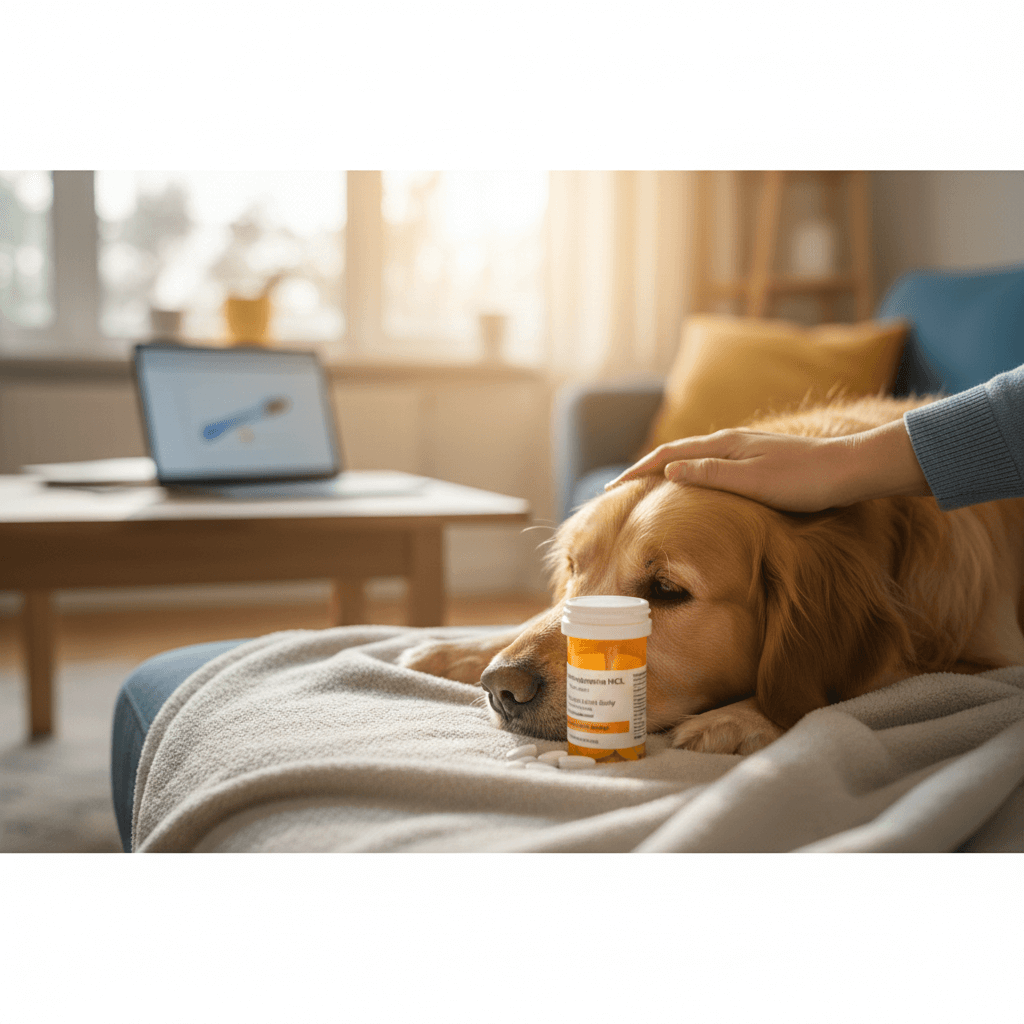
How Diphenhydramine Works in a Dog’s Body
- Histamine Blockade:
Histamine is a chemical released during allergic reactions, causing itching, swelling, and respiratory issues. Diphenhydramine binds to histamine receptors, preventing these effects and providing relief. - Sedative Properties:
Diphenhydramine crosses the blood-brain barrier, producing mild sedation. This effect is beneficial for calming anxious dogs or those experiencing discomfort from allergies. - Anti-Inflammatory Action:
By reducing histamine activity, diphenhydramine indirectly decreases inflammation in tissues, such as the skin or airways, improving overall comfort. - Metabolism in the Liver:
Diphenhydramine is metabolized in the liver, so dogs with preexisting liver conditions may process it differently. Dosing adjustments are necessary in such cases to avoid toxicity. - Duration of Effects:
The effects of diphenhydramine typically last 4–6 hours, making it suitable for short-term relief. However, prolonged use requires veterinary oversight to prevent dependency or side effects.
Check this guide 👉Is Microchipping a Dog Safe? Best 7 Expert Tips!
Check this guide 👉Is Calathea Dog Safe? Best 7 Health Tips!
Check this guide 👉Are Nylabones Safe for Dogs? Best 7 Expert Tips!
Benefits of Diphenhydramine for Dogs | Precautions When Using Diphenhydramine |
|---|---|
Relieves allergy symptoms like itching and swelling | Avoid combination products with harmful additives |
Reduces discomfort from insect bites or stings | Confirm correct dosage based on weight and breed |
Helps manage mild cases of motion sickness | Monitor for side effects like sedation or dry mouth |
Provides short-term relief for seasonal allergies | Consult your vet before use in dogs with preexisting conditions |
Safe over-the-counter option when used correctly | Do not exceed recommended frequency or duration of use |
Proper Dosage Guidelines for Diphenhydramine
- Weight-Based Dosing:
The general guideline is 1 mg of diphenhydramine per pound of body weight. For example, a 25-pound dog would require approximately 25 mg per dose, typically one tablet. - Frequency of Administration:
Diphenhydramine can be given every 8–12 hours, depending on the severity of symptoms. Avoid exceeding three doses in 24 hours without veterinary approval. - Avoid Combination Products:
Many over-the-counter Benadryl formulations include additional ingredients like acetaminophen or pseudoephedrine, which are toxic to dogs. Always choose pure diphenhydramine. - Liquid vs. Tablet Form:
Liquid diphenhydramine is easier to administer to small or finicky dogs but must be measured precisely to avoid overdosing. Tablets are more convenient for larger breeds. - Consult Your Vet First:
Even though diphenhydramine is available without a prescription, always confirm the appropriate dosage with your veterinarian based on your dog’s age, breed, and health status.
Potential Side Effects of Diphenhydramine in Dogs
- Sedation or Lethargy:
Excessive drowsiness is the most common side effect, particularly in dogs sensitive to the sedative properties of diphenhydramine. - Dry Mouth and Increased Thirst:
Antihistamines reduce saliva production, leading to dry mouth. Dogs may drink more water to compensate, which is usually harmless. - Urinary Retention:
In rare cases, diphenhydramine can affect bladder function, causing difficulty urinating. Monitor your dog closely if this occurs. - Vomiting or Diarrhea:
Gastrointestinal upset is uncommon but possible, especially if the medication irritates the stomach lining. Administering diphenhydramine with food may help. - Allergic Reaction to the Medication:
Ironically, some dogs may develop an allergic reaction to diphenhydramine itself, manifesting as facial swelling, hives, or difficulty breathing. Seek immediate veterinary care if this happens.
Precautions Before Giving Diphenhydramine
- Underlying Health Conditions:
Dogs with glaucoma, heart disease, or respiratory disorders may experience worsening symptoms due to diphenhydramine’s sedative effects. - Pregnancy or Nursing:
The safety of diphenhydramine in pregnant or nursing dogs has not been fully established. Consult your vet before using it in these situations. - Drug Interactions:
Diphenhydramine can interact with other medications, such as sedatives, painkillers, or seizure drugs, amplifying their effects. Disclose all medications your dog is taking to your vet. - Age Considerations:
Puppies and senior dogs metabolize medications differently, requiring adjusted dosages or alternative treatments. Always verify suitability with your veterinarian. - Over-the-Counter Risks:
Human formulations often contain additives harmful to dogs. Double-check labels or request veterinary-recommended alternatives to ensure safety.
Alternatives to Diphenhydramine for Dogs
- Natural Remedies:
Coconut oil, omega-3 fatty acids, and oatmeal baths can soothe skin irritation and reduce inflammation without pharmaceutical intervention. - Prescription Antihistamines:
Medications like cetirizine (Zyrtec) or loratadine (Claritin) are safer alternatives for some dogs, offering similar benefits with fewer side effects. - Topical Treatments:
Anti-itch sprays, shampoos, or creams provide localized relief for skin allergies, reducing the need for systemic medications. - Immunotherapy:
For severe or chronic allergies, allergen-specific immunotherapy desensitizes the immune system over time, addressing the root cause rather than just symptoms. - Behavioral Modifications:
Reducing exposure to allergens through environmental changes, such as air purifiers or hypoallergenic bedding, complements medical treatments effectively.
When to Seek Veterinary Care for Diphenhydramine Use
- Overdose Symptoms:
Signs of overdose include extreme lethargy, rapid heartbeat, seizures, or collapse. Contact emergency services immediately if these occur. - Persistent Side Effects:
If sedation, vomiting, or urinary retention continues beyond 24 hours, consult your vet to evaluate whether the medication is appropriate. - No Improvement in Symptoms:
If diphenhydramine fails to alleviate allergy symptoms or worsens them, further diagnostics may be needed to identify underlying causes. - Preexisting Conditions Flare-Up:
Dogs with chronic illnesses may experience complications while taking diphenhydramine. Monitor closely and report any changes to your vet. - Uncertainty About Dosage:
If you’re unsure about the correct dosage or timing, err on the side of caution and consult your veterinarian before proceeding.
“Diphenhydramine: 2–4 mg/kg, IM, PO, or SC, q 8–12 h as needed for the treatment of allergies or mild sedation in dogs.”
msdvetmanual.com
Frequently Asked Questions About Diphenhydramine for Dogs
Can I give my dog Benadryl for car sickness?
Yes, diphenhydramine can help with motion sickness due to its sedative effects, but consult your vet for proper dosage and suitability.
How long does it take for diphenhydramine to work?
Diphenhydramine typically starts working within 30 minutes, with peak effects occurring 1–2 hours after administration.
Is liquid Benadryl safe for dogs?
Liquid Benadryl is safe if it contains only diphenhydramine and no harmful additives like alcohol or xylitol. Always measure the dose precisely.
Can diphenhydramine be given with food?
Yes, administering diphenhydramine with food can reduce stomach irritation, making it easier on your dog’s digestive system.
What should I do if I miss a dose?
A Lifeline in Every Moment of Care

Is Rawhide Bad for Cats? Best 7 Expert Tips! – Discover the risks, safe alternatives, and expert advice to keep your feline friend healthy and happy.

Is Rawhide Bad for Dogs? Best 7 Expert Tips! – Discover the risks, benefits, and safer alternatives to rawhides for your dog’s chewing needs.

Understanding Anorexia in Cats: Best 7 Expert Tips! – Learn why cats stop eating, spot warning signs, and discover how to help your feline regain appetite safely.

Understanding Anorexia in Dogs: Best 7 Expert Tips! – Learn causes, symptoms, and solutions to help your dog regain appetite and stay healthy.