
Understanding Demodectic Mange in Dogs
Demodectic mange, caused by microscopic mites, is a common skin condition that affects dogs of all ages but is especially prevalent in puppies. While not contagious, this condition can lead to patchy hair loss, redness, and irritation if left untreated. With proper care and veterinary guidance, most cases of demodectic mange are manageable and curable, ensuring your dog regains its comfort and health.
What Causes Demodectic Mange in Dogs?
Demodectic mange stems from an overpopulation of Demodex canis mites, which naturally reside in a dog’s hair follicles without causing harm under normal circumstances. However, when the immune system is compromised—whether due to age, illness, or stress—the mites multiply uncontrollably, leading to mange. Understanding these root causes helps pet owners identify risk factors and take preventive measures to protect their dogs.
- Immature Immune Systems in Puppies:
Puppies under one year old are most susceptible because their immune systems are still developing, making it easier for mites to proliferate unchecked. - Genetic Predisposition:
Certain breeds, such as Bulldogs, Shar Peis, and Beagles, are genetically more prone to demodectic mange due to weaker immune responses or inherited traits. - Stress-Induced Outbreaks:
Environmental stressors like moving homes, boarding, or loud events can weaken a dog’s immunity, creating conditions ripe for mite overgrowth. - Underlying Health Conditions:
Dogs with diabetes, hypothyroidism, or autoimmune diseases often struggle to regulate mite populations, increasing mange risk significantly. - Hormonal Imbalances:
Conditions like Cushing’s disease or puberty-related hormonal shifts can suppress immune function, allowing mites to thrive and cause visible symptoms.
By addressing these underlying factors, you can reduce the likelihood of demodectic mange outbreaks and ensure your dog remains healthy and comfortable.
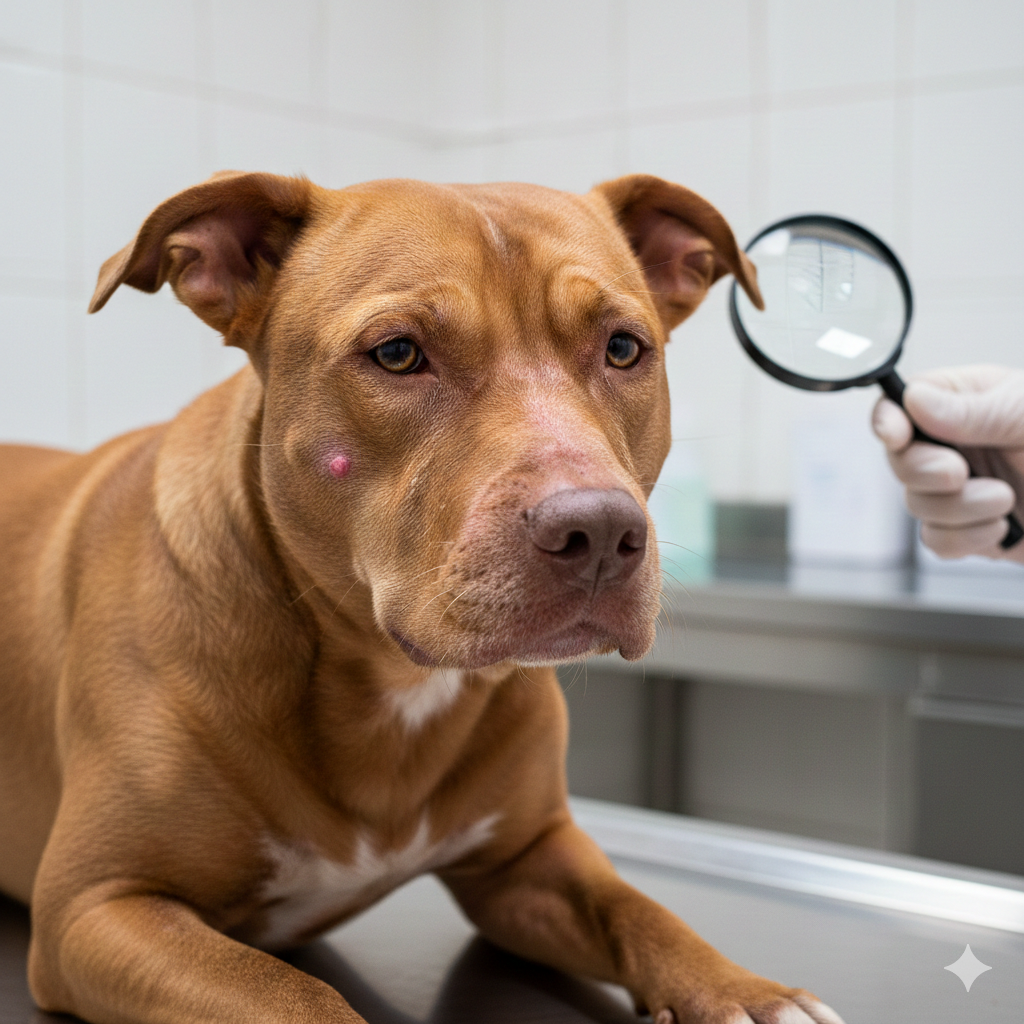
Symptoms of Demodectic Mange in Dogs
Demodectic mange manifests in various ways, depending on the severity and stage of the condition. Recognizing these symptoms early allows for timely intervention, preventing further discomfort and complications for your dog.
- Localized Hair Loss:
Small, patchy areas of baldness typically appear around the face, eyes, and forelegs during the early stages of localized mange. - Generalized Hair Loss and Scaling:
In severe cases, hair loss spreads across the body, accompanied by dry, flaky skin that may develop into crusty lesions. - Redness and Inflammation:
Affected areas often become red, inflamed, and irritated, signaling an active immune response to the mite infestation. - Itching and Scratching (Secondary Infections):
While demodectic mange itself isn’t usually itchy, secondary bacterial infections caused by broken skin lead to intense scratching and discomfort. - Oily or Foul-Smelling Skin:
Infected skin may produce excess sebum, resulting in greasy patches with a distinctive odor due to bacterial overgrowth.
If you notice any combination of these signs, consult your veterinarian promptly to confirm the diagnosis and begin appropriate treatment.
Check this guide 👉Salt Poisoning in Dogs: Best 7 Expert Tips!
Check this guide 👉Leptospirosis in Dogs: Best 7 Expert Tips!
Check this guide 👉Cyanide Poisoning in Dogs: Best 7 Expert Tips!
Symptoms of Demodectic Mange | Treatment Options |
|---|---|
Patchy hair loss (localized mange) | Medicated shampoos and dips |
Generalized hair loss and scaling | Oral antiparasitic medications |
Redness and inflammation | Antibiotics for secondary infections |
Oily or foul-smelling skin | Immune-boosting supplements |
Itching due to secondary infections | Regular vet monitoring and follow-ups |
Types of Demodectic Mange in Dogs
Demodectic mange presents in three distinct forms, each varying in severity and treatment approach. Knowing which type your dog has enables you to tailor care effectively and monitor progress accurately.
- Localized Demodectic Mange:
This mild form affects fewer than five small patches of skin and is common in young puppies; most cases resolve spontaneously with minimal intervention. - Generalized Demodectic Mange:
Affecting larger areas or multiple parts of the body, this form requires intensive treatment and indicates a deeper immune system issue needing veterinary attention. - Demodectic Pododermatitis:
Confined primarily to the paws, this variant is particularly challenging to treat due to thick skin and frequent secondary infections in affected areas. - Juvenile-Onset vs. Adult-Onset Cases:
Puppies typically experience juvenile-onset mange, while adult-onset cases suggest underlying health problems requiring thorough investigation. - Chronic Relapsing Mange:
Some dogs experience recurring flare-ups despite treatment, necessitating long-term management strategies to maintain remission.
Each type demands specific care protocols, so accurate diagnosis is critical for successful outcomes.
Treatment Options for Demodectic Mange
Treating demodectic mange involves addressing both the mite infestation and any secondary issues like infections or inflammation. A combination of topical, oral, and supportive therapies ensures comprehensive care tailored to your dog’s needs.
- Topical Medications (Mite-Killing Solutions):
Shampoos, dips, or ointments containing ingredients like amitraz kill mites directly while soothing irritated skin and reducing scaling. - Oral Medications (Antiparasitics):
Prescription drugs like ivermectin or milbemycin oxime target mites systemically, providing faster relief for generalized or severe cases. - Antibiotics for Secondary Infections:
Bacterial infections require antibiotic therapy, either orally or topically, to eliminate pathogens and promote healing. - Supplements to Boost Immunity:
Omega-3 fatty acids, probiotics, and vitamins support immune function, aiding recovery and preventing future outbreaks. - Regular Veterinary Monitoring:
Frequent check-ups ensure treatments are working effectively and allow adjustments based on your dog’s progress and tolerance.
Consistent adherence to prescribed therapies leads to full recovery in most cases, restoring your dog’s coat and overall well-being.
Preventing Demodectic Mange in Dogs
Prevention plays a crucial role in minimizing the risk of demodectic mange, especially for breeds predisposed to the condition. Proactive measures strengthen your dog’s immune system and create a safer environment.
- Maintain a Balanced Diet:
Nutrient-rich foods fortified with essential vitamins and minerals bolster immune defenses against mite overgrowth. - Minimize Stressful Situations:
Reducing exposure to stressful triggers supports overall health and keeps the immune system functioning optimally. - Practice Good Hygiene:
Regular bathing with gentle, hypoallergenic shampoos removes dirt, debris, and potential irritants that could exacerbate skin conditions. - Monitor for Early Signs:
Frequent inspections of your dog’s skin and coat help detect abnormalities before they escalate into severe mange cases. - Avoid Breeding Affected Dogs:
Since genetics play a role, responsible breeding practices prevent passing susceptibility to future generations.
These steps not only reduce mange risks but also enhance your dog’s quality of life holistically.
Long-Term Management for Chronic Cases
For dogs with chronic or relapsing demodectic mange, ongoing management becomes essential to maintaining comfort and preventing recurrence. Tailored strategies address individual needs while fostering resilience over time.
- Customized Treatment Plans:
Veterinarians design personalized protocols combining medications, supplements, and lifestyle adjustments to manage persistent symptoms effectively. - Routine Skin Checks and Grooming:
Regular grooming sessions allow close monitoring of skin health and early intervention if new lesions appear. - Allergy Testing and Management:
Identifying environmental or food allergies reduces additional stressors that could compromise skin integrity and immune function. - Periodic Blood Work:
Monitoring organ function and hormone levels ensures no underlying conditions contribute to ongoing mange issues. - Behavioral Enrichment:
Engaging activities and mental stimulation reduce stress-related flare-ups, promoting emotional and physical wellness simultaneously.
With dedication and consistent care, even chronic cases can achieve lasting remission and improved quality of life.
Special Considerations for Severe Cases
Severe demodectic mange poses significant challenges, requiring intensive veterinary care and owner commitment to overcome. Addressing complications and supporting recovery demand a multifaceted approach tailored to each dog’s unique situation.
- Hospitalization for Critical Cases:
Dogs with extensive lesions or systemic infections may need hospitalization for IV fluids, antibiotics, and round-the-clock monitoring. - Pain Management Protocols:
Anti-inflammatory medications and pain relievers alleviate discomfort, enabling dogs to rest and heal more comfortably. - Nutritional Support for Recovery:
High-calorie diets or feeding tubes may be necessary for severely malnourished dogs struggling to regain strength and vitality. - Addressing Behavioral Changes:
Chronic discomfort and visible changes in appearance can affect a dog’s confidence and interactions, necessitating patience and reassurance. - Owner Education and Support:
Guidance from veterinarians empowers owners to provide optimal at-home care while managing expectations for recovery timelines.
Severe cases require persistence and compassion, but with proper support, even the most challenging situations can improve significantly.
“Canine demodicosis occurs when large numbers of Demodex canis mites inhabit hair follicles and sebaceous glands. In small numbers, these mites are part of the normal flora of canine skin and usually cause no clinical disease.” – Michael W. Dryden, DVM, PhD, DACVM
Frequently Asked Questions About Demodectic Mange in Dogs
Can adult dogs get demodectic mange?
Yes, though less common, adult-onset mange often signals underlying health issues like hormonal imbalances or immune disorders.
How long does treatment for demodectic mange take?
Treatment duration varies but typically lasts several weeks to months, depending on the severity and response to therapy.
Are there home remedies for demodectic mange?
While some suggest natural remedies, professional veterinary treatment is essential for safe and effective management of this condition.
Will my dog’s fur grow back after demodectic mange?
In most cases, fur regrows fully once the condition is resolved, provided there’s no permanent scarring or follicle damage.
Is demodectic mange contagious to other dogs or humans?
No, demodectic mange is not contagious because the mites are species-specific and already present on most dogs’ skin.
Supporting Your Dog Through Demodectic Mange Recovery
Demodectic mange can be a challenging condition for both dogs and their owners, but with patience, proper care, and veterinary guidance, most cases resolve successfully. Early detection and consistent treatment are key to restoring your dog’s comfort, confidence, and coat. Remember, managing this condition isn’t just about eliminating mites—it’s about supporting your dog’s overall health and strengthening the bond you share through compassionate care. With love, dedication, and informed decisions, your furry companion will thrive again, free from the discomfort of mange.

Is Rawhide Bad for Cats? Best 7 Expert Tips! – Discover the risks, safe alternatives, and expert advice to keep your feline friend healthy and happy.

Is Rawhide Bad for Dogs? Best 7 Expert Tips! – Discover the risks, benefits, and safer alternatives to rawhides for your dog’s chewing needs.

Understanding Anorexia in Cats: Best 7 Expert Tips! – Learn why cats stop eating, spot warning signs, and discover how to help your feline regain appetite safely.

Understanding Anorexia in Dogs: Best 7 Expert Tips! – Learn causes, symptoms, and solutions to help your dog regain appetite and stay healthy.