
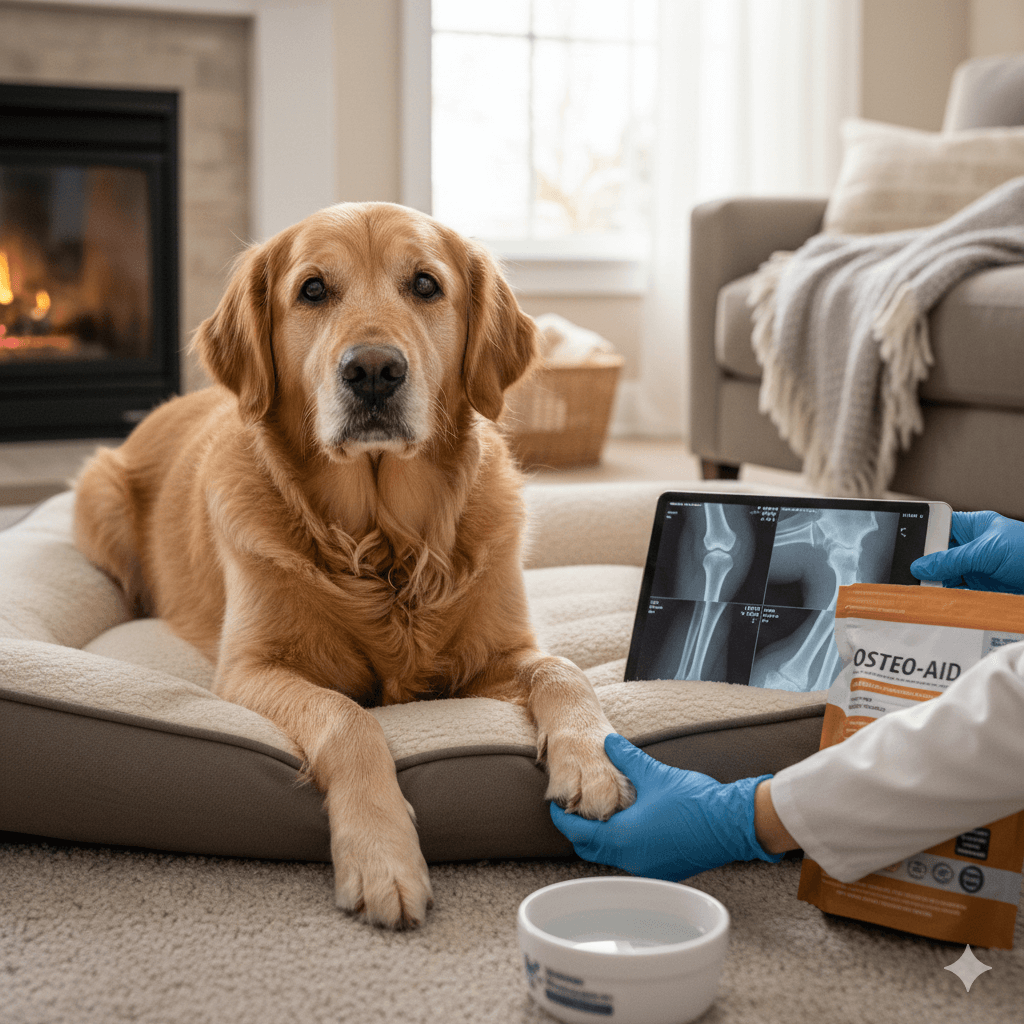

Degenerative Joint Disease in Dogs: Best 7 Expert Tips!

Degenerative Joint Disease in Dogs: Best 7 Expert Tips!

Degenerative Joint Disease in Dogs: Best 7 Expert Tips!

If your dog is slowing down on walks, hesitating to jump, or seems stiff after rest, they might be showing early signs of degenerative joint disease (DJD). Also known as osteoarthritis, this progressive condition affects millions of dogs—especially seniors and large breeds. While DJD can’t be reversed, early intervention and smart management can dramatically improve comfort and mobility. With the right approach, your dog can still enjoy happy, active years. Understanding the key strategies is the first step toward preserving their quality of life.

Recognizing the Early Warning Signs

Degenerative joint disease often develops silently, with subtle changes that owners might mistake for “just getting older.” Catching it early allows for proactive care that slows progression and eases discomfort. Watch closely for these consistent behavioral and physical shifts:

 
  • Stiffness After Rest:
    Your dog may walk stiffly or take a few slow steps after napping or waking up in the morning.
     
  • Reluctance to Climb or Jump:
    Hesitation on stairs, avoiding the couch, or no longer leaping into the car can signal joint pain.
     
  • Limping or Favoring a Leg:
    A subtle or intermittent limp—especially after exercise—may point to joint inflammation.
     
  • Reduced Activity Levels:
    Shorter walks, less play, or increased sleeping can indicate your dog is conserving energy due to discomfort.
     
  • Licking or Chewing Joints:
    Excessive attention to paws, elbows, or hips may be a self-soothing response to soreness.
 

Early recognition empowers you to act before DJD significantly impacts your dog’s daily joy and independence.

Degenerative Joint Disease in Dogs: Best 7 Expert Tips!

Common Causes and Risk Factors

While aging is a major contributor, degenerative joint disease doesn’t affect all dogs equally. Certain factors increase susceptibility, and understanding them helps you mitigate risks or anticipate needs:

 
  • Breed Predisposition:
    Large and giant breeds like German Shepherds, Labradors, and Great Danes are more prone due to joint stress and genetics.
     
  • Previous Injuries or Surgery:
    Past ligament tears, fractures, or hip dysplasia often lead to secondary DJD in the affected joint.
     
  • Obesity:
    Excess weight places constant strain on joints, accelerating cartilage wear and inflammation.
     
  • Age-Related Wear:
    Years of movement naturally degrade cartilage, especially in high-motion joints like knees and hips.
     
  • Genetic Joint Disorders:
    Conditions like elbow dysplasia or patellar luxation set the stage for early-onset arthritis.
 

Addressing modifiable risks—like weight and activity—can delay onset or lessen severity, even in high-risk dogs.

Joint Health Support
Daily Management Practices
Maintain lean body weight
Provide orthopedic bedding
Use joint supplements early
Avoid high-impact jumping
Schedule regular vet checks
Incorporate gentle, consistent exercise
Consider omega-3 fatty acids
Use ramps for beds or vehicles
Monitor gait changes closely
Keep nails trimmed for better traction

Nutritional Strategies for Joint Support

Diet plays a powerful role in managing inflammation and supporting cartilage health. The right food can act as daily medicine for dogs with or at risk of DJD:

 
  • Joint-Formulated Dog Foods:
    Many premium brands offer recipes enriched with glucosamine, chondroitin, and green-lipped mussel.
     
  • Omega-3 Fatty Acids:
    Fish oil (rich in EPA/DHA) reduces joint inflammation and improves mobility over time.
     
  • Antioxidant-Rich Ingredients:
    Berries, turmeric, and leafy greens combat oxidative stress that worsens joint degeneration.
     
  • Controlled Calorie Intake:
    Slightly reduced portions prevent weight gain without sacrificing essential nutrients.
     
  • Hydration for Cartilage Health:
    Well-hydrated cartilage absorbs shock better—always ensure fresh water is available.
 

Pairing a targeted diet with veterinary guidance creates a nutritional foundation for long-term joint resilience.

Effective Supplements and Natural Aids

Beyond diet, specific supplements can provide concentrated support to slow DJD progression and ease discomfort—especially when started early:

 
  • Glucosamine and Chondroitin:
    These building blocks help repair cartilage and inhibit enzymes that break it down.
     
  • MSM (Methylsulfonylmethane):
    A natural sulfur compound that reduces inflammation and supports connective tissue.
     
  • CBD Oil (Vet-Approved):
    May help manage pain and anxiety in arthritic dogs, but always use pet-specific, THC-free products.
     
  • Green-Lipped Mussel Extract:
    A sustainable source of omega-3s, glycosaminoglycans, and anti-inflammatory compounds.
     
  • Hyaluronic Acid:
    Supports joint lubrication and is often included in advanced canine joint formulas.
 

Consistency matters—most supplements take 4–8 weeks to show noticeable effects, so patience and routine dosing are key.

Exercise and Physical Therapy Approaches

Movement is medicine for arthritic joints, but the type, duration, and intensity must be carefully balanced to avoid strain:

 
  • Low-Impact Activities:
    Swimming, leash walks on soft surfaces, and slow hiking maintain muscle without jarring joints.
     
  • Controlled Duration:
    Multiple short walks (10–15 minutes) are better than one long, tiring outing.
     
  • Physical Rehabilitation:
    Vet-guided physiotherapy, including laser therapy or underwater treadmills, can rebuild strength safely.
     
  • Daily Stretching Routines:
    Gentle passive range-of-motion exercises improve flexibility and reduce stiffness.
     
  • Balance and Proprioception Training:
    Simple exercises like standing on uneven surfaces help stabilize affected joints.
 

Regular, thoughtful movement keeps muscles strong—which in turn protects and supports compromised joints.

Medical and Advanced Treatment Options

When lifestyle changes aren’t enough, modern veterinary medicine offers powerful tools to manage pain and preserve mobility:

 
  • NSAIDs (e.g., Carprofen, Galliprant):
    Prescription anti-inflammatories provide reliable pain relief but require liver/kidney monitoring.
     
  • Injectable Joint Therapies:
    Adequan (polysulfated glycosaminoglycan) injections protect cartilage and reduce inflammation over time.
     
  • Regenerative Medicine:
    Stem cell therapy or platelet-rich plasma (PRP) may promote healing in select cases.
     
  • Pain Modulators:
    Gabapentin or amantadine can be added for neuropathic or chronic pain unresponsive to NSAIDs.
     
  • Surgical Intervention:
    In severe cases (e.g., total hip replacement), surgery can restore near-normal function.
 

Always work with your vet to create a multimodal plan—combining approaches often yields the best outcomes.

Special Considerations for Senior and Large-Breed Dogs

Senior dogs and large breeds face unique challenges with DJD due to years of joint use or structural vulnerabilities. Their care requires extra nuance:

 
  • Earlier Screening:
    Annual orthopedic exams from age 6 (or 5 in giant breeds) catch DJD before major damage occurs.
     
  • Environmental Modifications:
    Non-slip flooring, raised food bowls, and heated beds reduce strain on achy joints.
     
  • Slower Transitions:
    Give your dog time to rise or move—never rush them, as sudden motion increases pain risk.
     
  • Comorbidity Management:
    Heart, kidney, or cognitive issues in seniors can complicate pain medication choices.
     
  • Emotional Support:
    Arthritic dogs may become withdrawn; gentle interaction and mental stimulation keep spirits high.
 

Tailoring care to your dog’s age, size, and temperament ensures dignity and comfort throughout their golden years.

“the result of gradual, irreversible deterioration of articular cartilage in one or more joints”

Frequently Asked Questions About Degenerative Joint Disease in Dogs

Is degenerative joint disease the same as arthritis?

Yes—degenerative joint disease (DJD) is the medical term for osteoarthritis, the most common form of arthritis in dogs.

No, but it can be effectively managed to slow progression and maintain quality of life for years.

Signs often appear around age 7–10, but large breeds or injured dogs may show symptoms as early as 2–3 years.

Many contain helpful ingredients, but quality varies—choose vet-recommended brands with proven dosages.

Yes! Controlled, low-impact exercise is essential—just adjust pace, terrain, and duration to their comfort level.

Supporting Your Dog’s Mobility and Joy Every Day

Degenerative joint disease may be a lifelong journey, but it doesn’t have to define your dog’s golden years. With early detection, compassionate care, and a proactive plan, you can help your companion move with less pain and more confidence. Every soft bed, gentle walk, and vet-approved supplement is an act of love that adds comfort to their days. Remember, your dog isn’t just “getting old”—they’re trusting you to advocate for their well-being. By embracing these expert-backed strategies, you’re not slowing their life down; you’re helping them live it fully, one pain-free step at a time.

 
Is Rawhide Bad for Cats? Best 7 Expert Tips!

Is Rawhide Bad for Cats? Best 7 Expert Tips! – Discover the risks, safe alternatives, and expert advice to keep your feline friend healthy and happy.

Is Rawhide Bad for Dogs? Best 7 Expert Tips!

Is Rawhide Bad for Dogs? Best 7 Expert Tips! – Discover the risks, benefits, and safer alternatives to rawhides for your dog’s chewing needs.

Understanding Anorexia in Cats: Best 7 Expert Tips!

Understanding Anorexia in Cats: Best 7 Expert Tips! – Learn why cats stop eating, spot warning signs, and discover how to help your feline regain appetite safely.

Understanding Anorexia in Dogs: Best 7 Expert Tips!

Understanding Anorexia in Dogs: Best 7 Expert Tips! – Learn causes, symptoms, and solutions to help your dog regain appetite and stay healthy.

Leave a Reply

Your email address will not be published. Required fields are marked *