
Understanding DAPP Dog Vaccine Side Effects: Best 7 Expert Tips!
If your dog recently received the DAPP vaccine, you might wonder what reactions are normal—and when to worry. This core combination shot protects against four serious diseases, but like any medical intervention, it can trigger side effects. Most are mild and short-lived, yet knowing what to expect empowers you to care for your dog confidently. In this guide, we’ll walk you through the most common—and rare—reactions, plus how to respond wisely. With expert-backed insights, you’ll feel prepared to support your pup before, during, and after vaccination.
Common Mild Reactions After the DAPP Vaccine
Most dogs experience little to no issues after the DAPP shot, but minor, temporary reactions are fairly typical within the first 24 to 48 hours. These indicate the immune system is responding as intended—not a cause for alarm, but worth monitoring. Here’s what to look for in the immediate recovery window:
- Slight Lethargy:
Your dog may seem quieter or sleep more than usual as their body mounts an immune response—this typically resolves within a day. - Mild Fever:
A low-grade temperature (up to 103°F or 39.4°C) is a normal sign of immune activation and should subside quickly. - Reduced Appetite:
It’s common for dogs to skip a meal or eat less enthusiastically for 12–24 hours post-vaccination. - Temporary Soreness at Injection Site:
A small, soft lump or slight tenderness near the shot location may appear and fade within a few days. - Mild Gastrointestinal Upset:
Occasional soft stool or brief nausea can occur but shouldn’t progress to vomiting or diarrhea.
These mild effects usually vanish on their own without treatment—rest and fresh water are often all your dog needs to bounce back.
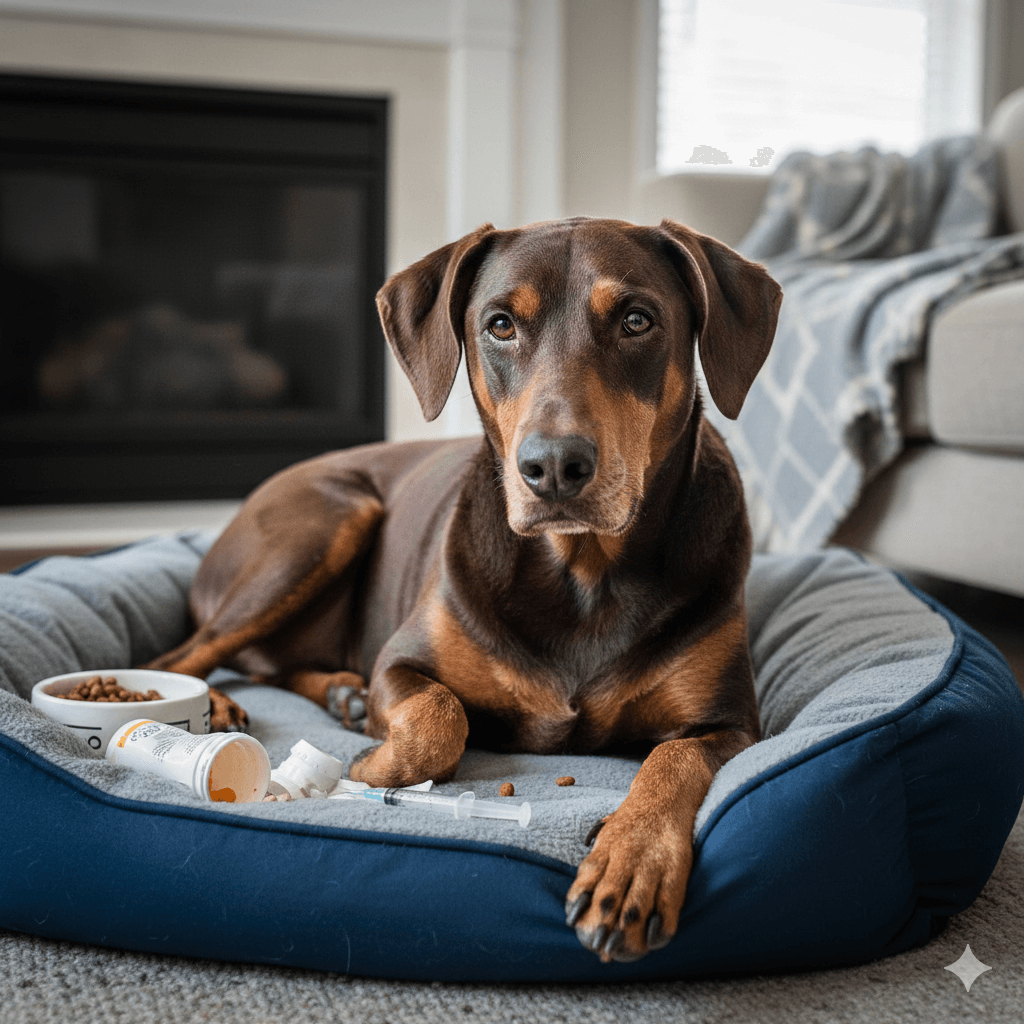
When to Watch Closely: Moderate or Unusual Reactions
While rare, some dogs develop more noticeable symptoms that demand closer attention. These aren’t always emergencies, but they warrant a call to your vet for guidance. Recognizing the difference between typical and concerning helps you act promptly:
- Facial Swelling or Hives:
Swelling around the eyes, muzzle, or ears—or raised, itchy welts—can signal a hypersensitivity reaction. - Persistent Vomiting or Diarrhea:
If GI upset continues beyond 24 hours or includes blood, it may indicate an adverse response needing evaluation. - Excessive Whining or Restlessness:
Uncharacteristic discomfort, pacing, or inability to settle could point to pain or systemic reaction. - Limping or Joint Stiffness:
Rarely, vaccines may trigger temporary joint inflammation, especially in small or sensitive breeds. - Coughing or Mild Respiratory Signs:
Though uncommon with DAPP, some dogs may develop a soft cough or nasal discharge if immune resources are diverted.
If you notice any of these, contact your veterinarian—even if your dog seems otherwise okay. Early input can prevent escalation.
Check this guide 👉Meloxicam Dog Side Effects: Best 7 Expert Tips!
Check this guide 👉Dog Vaccine Side Effects: Best 7 Expert Tips!
Check this guide 👉Dog Gabapentin Side Effects: Best 7 Expert Tips!
Typical Short-Term Effects | Signs Requiring Veterinary Advice |
|---|---|
Sleepiness for a few hours | Swelling of face or lips |
Small bump at injection site | Vomiting more than once |
Skipping one meal | Hives or itchy skin |
Mild warmth at vaccine area | Lethargy lasting over 48 hours |
Slight dip in playfulness | Fever above 103.5°F (39.7°C) |
What Is the DAPP Vaccine, and Why Is It Given?
The DAPP vaccine is a cornerstone of canine preventive care, shielding dogs from four highly contagious and potentially fatal diseases. Understanding what it protects against clarifies why side effects—though inconvenient—are a small trade-off for life-saving immunity:
- Distemper Protection:
This viral illness attacks the respiratory, gastrointestinal, and nervous systems and has a high fatality rate, especially in puppies. - Adenovirus (Hepatitis) Defense:
Causes liver inflammation, eye damage, and kidney issues; vaccination has nearly eliminated severe cases in many regions. - Parvovirus Prevention:
A brutal, often deadly virus causing severe vomiting, bloody diarrhea, and dehydration—primarily in unvaccinated puppies. - Parainfluenza Coverage:
A key contributor to kennel cough, leading to dry cough, nasal discharge, and respiratory distress in group settings. - Core Vaccine Status:
DAPP is considered essential for all dogs, regardless of lifestyle, due to the severity and spread potential of these diseases.
Given its critical role in public and individual health, the benefits of DAPP vaccination vastly outweigh the risk of temporary side effects.
How to Minimize and Manage Vaccine Reactions
Proactive care before and after vaccination can reduce the likelihood and severity of side effects. Simple steps—many overlooked—make a meaningful difference in your dog’s comfort and safety:
- Schedule Vaccines When Healthy:
Never vaccinate a dog with an active infection, fever, or ongoing illness; wait until they’re fully recovered. - Hydrate Well Beforehand:
Ensure your dog drinks plenty of water in the 24 hours prior to support circulation and immune function. - Avoid Strenuous Activity Post-Shot:
Keep walks short and calm for 24–48 hours to let the body focus on immune response, not exertion. - Use a Comfortable Recovery Space:
Provide a quiet, warm area with familiar bedding where your dog can rest undisturbed. - Ask About Split Vaccines:
For sensitive or small-breed dogs, spacing out combination shots (e.g., DAPP and rabies separately) can lower reaction risk.
These thoughtful practices demonstrate how preventive care extends beyond the clinic visit to your home.
Special Considerations for Puppies, Small Breeds, and Senior Dogs
Not all dogs respond to vaccines the same way. Age, size, and health status influence both reaction likelihood and severity—making tailored approaches essential:
- Puppies Receiving Their First DAPP Series:
Their immature immune systems may react more visibly; monitor closely after each booster between 6–16 weeks. - Toy and Small Breeds (e.g., Chihuahuas, Yorkies):
Higher incidence of vaccine sensitivity; consider weight-based dosing and avoid multiple vaccines on the same day. - Senior Dogs with Chronic Conditions:
Those with kidney, heart, or immune disorders may need adjusted protocols—always discuss with your vet beforehand. - Dogs with Prior Vaccine Reactions:
A history of even mild hives or lethargy warrants pre-treatment with antihistamines or altered scheduling. - Brachycephalic Breeds (e.g., Pugs, French Bulldogs):
Their compromised airways mean any swelling or fever requires extra caution and faster intervention.
Customizing vaccine plans based on individual risk ensures protection without unnecessary distress.
What to Do If a Severe Reaction Occurs
True vaccine emergencies are extremely rare—but knowing how to respond could save your dog’s life. Anaphylaxis or severe systemic reactions usually appear within minutes to hours:
- Recognize Anaphylaxis Signs:
Rapid onset of collapse, difficulty breathing, pale gums, vomiting, or extreme weakness demands immediate action. - Call Your Vet or Emergency Clinic En Route:
Don’t wait—alert them you’re coming so they can prepare epinephrine or IV support. - Stay Calm and Keep Your Dog Still:
Minimize stress and movement during transport to preserve oxygen and circulation. - Never Administer Human Medications:
Antihistamines like Benadryl may be recommended only if previously approved by your vet—not as a first response in crisis. - Report the Reaction Officially:
Your vet will file a report to the vaccine manufacturer and regulatory bodies to improve future safety data.
Prompt response turns a frightening situation into a manageable one—thankfully, such events are uncommon with DAPP.
Expert Tips to Support Your Dog After the DAPP Vaccine
The hours and days following vaccination are crucial for ensuring a smooth recovery and minimizing discomfort. Thoughtful aftercare not only soothes your dog but also reinforces their trust in you during a potentially confusing time. Use these practical, vet-approved strategies to provide calm, effective support:
- Monitor Closely for the First 24 Hours:
Stay nearby to observe behavior, appetite, and energy levels—most reactions appear within this window. - Offer Fresh Water Frequently:
Hydration helps flush the system and supports immune function; use a familiar bowl to encourage drinking. - Avoid Bathing or Grooming Right After:
Wait at least 48 hours to prevent stress or irritation at the injection site. - Limit Interaction with Other Dogs:
While rare, a temporarily suppressed immune response means it’s wise to avoid dog parks or daycare for 1–2 days. - Keep a Symptom Journal:
Note any changes in behavior, appetite, or physical signs—this helps your vet assess patterns if reactions recur.
With gentle attention and these simple steps, you turn routine vaccination into an act of care that strengthens your bond and keeps your dog feeling safe.
“The following symptoms are more serious and your veterinarian should be notified at once, especially if they occur within hours of receiving the vaccine: Vomiting or diarrhea, Facial swelling, Hives, Collapse, Difficulty breathing”
Frequently Asked Questions About DAPP Vaccine Side Effects
Can the DAPP vaccine make my dog sick with distemper or parvo?
No—the viruses in the DAPP vaccine are modified-live or inactivated and cannot cause the actual diseases they protect against.
How long do side effects usually last?
Mild reactions typically resolve within 24 to 48 hours; anything beyond 3 days should be evaluated by a vet.
Should I skip future DAPP boosters if my dog had a reaction?
Not necessarily—your vet may pre-medicate, adjust timing, or use a different formulation rather than skip this core vaccine.
Is it safe to give DAPP with other vaccines like rabies or Bordetella?
It can be, but for sensitive dogs, spacing them 2–4 weeks apart reduces immune system overload and reaction risk.
Are certain breeds more prone to DAPP side effects?
Yes—small breeds like Dachshunds, Chihuahuas, and Shih Tzus show higher rates of mild to moderate reactions in veterinary studies.
Supporting Your Dog’s Health Beyond Vaccination Day
Vaccination isn’t just a medical event—it’s a moment of trust between you, your dog, and their healthcare team. By understanding potential side effects of the DAPP vaccine, you transform anxiety into informed care. Most reactions are fleeting and far outweighed by the shield this vaccine provides against devastating illnesses. With gentle observation, smart preparation, and open communication with your vet, you ensure your dog stays protected without unnecessary discomfort. Remember: every puppy playing safely at the park, every senior dog enjoying a walk, owes part of that joy to vaccines like DAPP. Your awareness and care make that protection both effective and kind.

Is Rawhide Bad for Cats? Best 7 Expert Tips! – Discover the risks, safe alternatives, and expert advice to keep your feline friend healthy and happy.

Is Rawhide Bad for Dogs? Best 7 Expert Tips! – Discover the risks, benefits, and safer alternatives to rawhides for your dog’s chewing needs.

Understanding Anorexia in Cats: Best 7 Expert Tips! – Learn why cats stop eating, spot warning signs, and discover how to help your feline regain appetite safely.

Understanding Anorexia in Dogs: Best 7 Expert Tips! – Learn causes, symptoms, and solutions to help your dog regain appetite and stay healthy.