
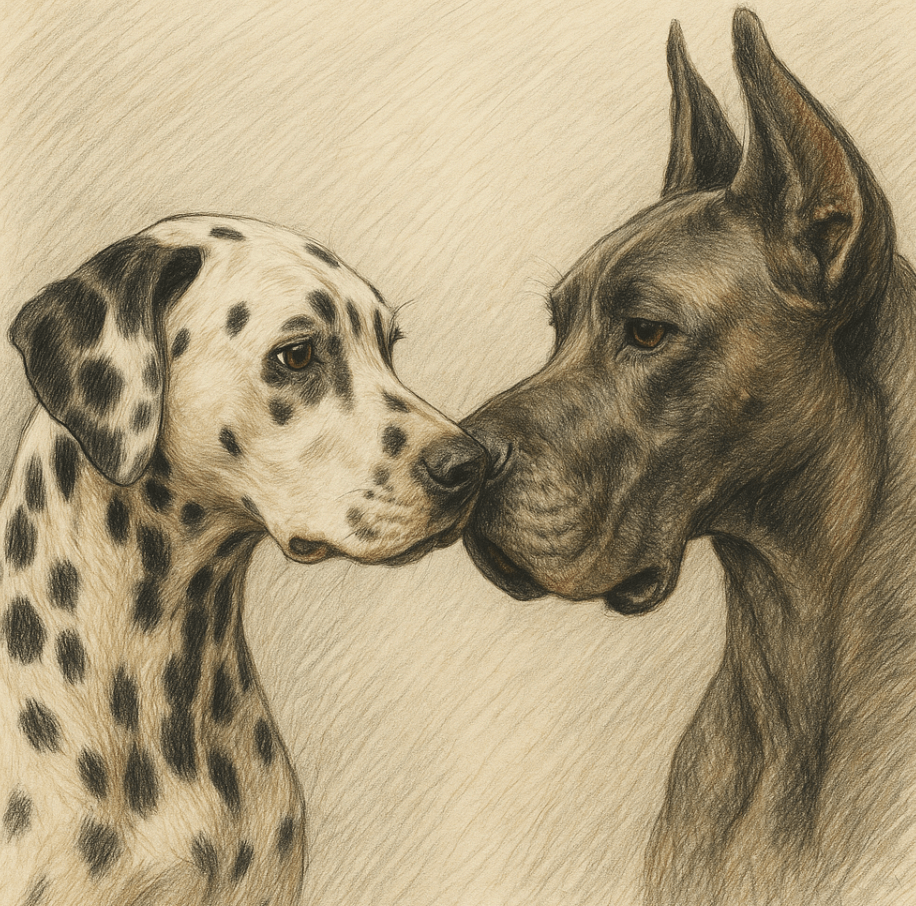

Dalmatian vs Great Dane: Choosing the Right Giant Companion for You
When it comes to large and striking dog breeds, few can match the charm of the Dalmatian or the majestic presence of the Great Dane. Both breeds are beloved for their unique personalities, stunning appearances, and loyal natures. However, despite their shared appeal as larger-than-life companions, these two iconic dogs differ significantly in temperament, care requirements, and suitability for various lifestyles. Whether you’re drawn to the spotted elegance of a Dalmatian or the towering gentleness of a Great Dane, understanding their differences is key to making an informed decision. In this blog post, we’ll compare the Dalmatian and the Great Dane across several categories, helping you determine which breed might be the perfect fit for your home and heart.
Key Differences Between Dalmatians and Great Danes
While both breeds are undeniably impressive, they cater to different types of owners due to their distinct traits. Here’s a breakdown of what sets them apart.
Size and Build:
Great Danes are one of the tallest dog breeds, standing up to 32 inches at the shoulder, while Dalmatians are more medium-to-large, typically reaching 19-24 inches.Coat and Shedding:
Dalmatians have short, dense coats that shed year-round, whereas Great Danes have sleek, low-shedding coats that require minimal grooming.Energy Levels:
Dalmatians are high-energy dogs bred for endurance, needing plenty of exercise daily. Great Danes, on the other hand, are more laid-back and content with moderate activity.Temperament:
Dalmatians are known for their playful yet independent nature, while Great Danes are famously affectionate “gentle giants” who thrive on companionship.Lifespan:
Dalmatians tend to live longer, averaging 11-13 years, compared to Great Danes, whose lifespans range from 7-10 years due to their size-related health concerns.
These differences highlight how each breed caters to specific preferences and lifestyles, ensuring there’s a perfect match for every type of owner.
Exercise Needs: Keeping Your Dog Happy and Healthy
Both Dalmatians and Great Danes require regular physical activity, but their exercise needs vary significantly based on their energy levels and size.
Dalmatians Need High-Energy Workouts:
Bred as carriage dogs, Dalmatians excel in activities like running, hiking, and agility training, requiring at least 1-2 hours of vigorous exercise daily.Great Danes Prefer Moderate Activity:
Despite their size, Great Danes are relatively low-energy and do well with shorter walks or play sessions lasting 30-60 minutes.Mental Stimulation for Dalmatians:
This intelligent breed thrives on mental challenges, such as puzzle toys, obedience training, and interactive games.Avoid Overexertion in Great Danes:
Due to their rapid growth and joint sensitivity, avoid strenuous exercise during puppyhood to prevent long-term health issues.Socialization Benefits Both Breeds:
Regular exposure to new environments, people, and animals helps both breeds develop confidence and good behavior.
Tailoring your approach to their exercise needs ensures a balanced and happy life for either breed.
Check this guide 👉Belgian Malinois vs Rottweiler: Best 7 Expert Tips!
Check this guide 👉Groenendael vs Malinois: Best 7 Expert Tips!
Check this guide 👉Belgian Malinois vs Dutch Shepherd: Best 7 Expert Tips!
Dalmatian Traits | Great Dane Traits |
|---|---|
Medium-to-large size (19-24 inches) | One of the tallest breeds (28-32 inches) |
High energy and stamina | Calm and gentle demeanor |
Short coat with frequent shedding | Sleek coat with minimal shedding |
Lifespan: 11-13 years | Lifespan: 7-10 years |
Independent and playful personality | Affectionate and loyal companion |
Training Challenges and Tips for Each Breed
Both Dalmatians and Great Danes are intelligent and trainable, but their unique temperaments mean different approaches may be needed.
Start Early with Dalmatians:
Their independent streak means consistent training from puppyhood is essential to establish boundaries and commands.Use Positive Reinforcement:
Both breeds respond well to rewards-based methods, such as treats, praise, and playtime.Focus on Socialization for Great Danes:
Early exposure to diverse situations helps prevent fearfulness or overprotectiveness in this sensitive breed.Channel Energy into Productive Activities:
For Dalmatians, redirecting their boundless energy through structured tasks like agility or jogging prevents destructive behaviors.Be Patient with Size-Related Issues:
Great Dane puppies grow rapidly, so focus on teaching basic manners without pushing them physically until fully matured.
With dedication and understanding, both breeds can become well-behaved and loving members of your family.
Health Considerations for Dalmatians and Great Danes
Both breeds face unique health challenges that potential owners should consider before bringing one home.
Deafness in Dalmatians:
Up to 30% of Dalmatians are born deaf in one or both ears, requiring specialized care and training.Hip Dysplasia in Great Danes:
Their large frame predisposes them to joint problems; maintaining a healthy weight reduces strain on their bones.Urinary Stones in Dalmatians:
A genetic predisposition makes them prone to uric acid stones; a low-purine diet can help manage this condition.Bloat in Great Danes:
As deep-chested dogs, they are highly susceptible to gastric torsion; feeding smaller meals and avoiding exercise after eating mitigates risk.Allergies and Skin Issues in Both Breeds:
Both can suffer from allergies or skin sensitivities; regular grooming and vet check-ups keep these under control.
Awareness of these health concerns allows you to provide proactive care and ensure a long, happy life for your furry friend.
Common Misconceptions About Dalmatians and Great Danes
Several myths surround these breeds, often leading to misunderstandings about their care and temperament. Clearing these up helps set realistic expectations.
“Dalmatians Are Just Movie Stars”:
While famous for 101 Dalmatians , they are working dogs with high exercise and training needs—not couch potatoes.“Great Danes Are Aggressive Giants”:
Contrary to stereotypes, Great Danes are gentle souls who rarely show aggression unless provoked.“Either Breed Is Low-Maintenance”:
Both require significant time, effort, and resources, from grooming to healthcare and training.“They Don’t Need Much Space”:
Though adaptable, their size and energy levels demand ample room to move comfortably.“All Spotted Dogs Are Dalmatians”:
Many spotted breeds exist, but true Dalmatians have unique markings and characteristics.
Understanding these truths ensures you’re prepared for life with either breed.
Fun Facts About Dalmatians and Great Danes
Learning fun facts about these breeds adds to the excitement of owning or considering them as pets.
Dalmatians Were Firehouse Dogs:
Historically, they ran alongside horse-drawn fire carriages and guarded equipment, earning their iconic status.Great Danes Hold World Records:
Zeus, a Great Dane, holds the record for being the tallest dog ever, standing at 44 inches tall.Dalmatians Have Unique Puppies:
They are born pure white, developing spots within weeks as they grow older.Great Danes Are Called “Apollo of Dogs”:
Their noble appearance earned them this title, symbolizing strength and beauty.Both Breeds Are Versatile Workers:
From guarding estates to performing in shows, these breeds excel in various roles beyond companionship.
These fascinating tidbits showcase why these breeds continue to captivate dog lovers worldwide.
Tips for Living Harmoniously with a Large Breed
Owning a large breed like a Dalmatian or Great Dane requires thoughtful planning and adjustments to accommodate their size and needs.
Create a Safe Home Environment:
Secure fragile items and provide enough space to move freely without knocking things over.Invest in Quality Supplies:
Choose durable beds, leashes, and collars designed for larger breeds to ensure comfort and safety.Plan for Veterinary Costs:
Larger dogs often incur higher medical expenses; budget accordingly for routine care and emergencies.Teach Basic Commands Early:
Commands like “stay,” “leave it,” and “heel” are crucial for managing their size and strength effectively.Prepare for Travel Challenges:
Ensure your vehicle has adequate space and secure restraints for transporting your giant companion safely.
By addressing these practical considerations, you’ll create a harmonious and enjoyable living situation for you and your large breed dog.
Frequently Asked Questions About Dalmatians and Great Danes
Which breed is better for apartment living?
Great Danes can adapt to apartments if given enough space and exercise, but Dalmatians may struggle due to their high energy.
Are they good with children?
Yes, both breeds are excellent with kids when properly trained and socialized, though supervision is always recommended.
How much grooming do they need?
Both have short coats, but Dalmatians shed more frequently and require regular brushing, while Great Danes need only occasional cleaning.
What is their diet like?
High-quality, breed-specific diets are essential—Dalmatians benefit from low-purine food, while Great Danes need nutrient-rich meals to support growth.
Do they get along with other pets?
Proper introductions and training ensure harmonious relationships with other animals, though Great Danes tend to be naturally more sociable.
Finding Your Perfect Match: Dalmatian or Great Dane?
Choosing between a Dalmatian and a Great Dane ultimately comes down to your personal preferences and lifestyle. If you’re looking for a high-energy, athletic companion who thrives on adventure, the Dalmatian may be your ideal choice. On the other hand, if you seek a calm, affectionate giant who loves lounging by your side, the Great Dane could be the perfect fit. Regardless of which breed you choose, both offer unwavering loyalty and endless joy, making them cherished additions to any family. With proper care, training, and love, either breed will reward you with a lifetime of unforgettable memories.
Understanding Cryptosporidium in Cats: Best 7 Expert Tips! – Spot symptoms, treat safely, and stop parasite spread in your home.
Understanding Cryptosporidium in Dogs: Best 7 Expert Tips! – Learn symptoms, treatment & prevention for this stubborn gut parasite.
Understanding Syringomyelia in Cats: Best 7 Expert Tips! – Recognize signs, manage pain, and support your cat’s neurological health with vet-backed guidance.
Understanding Syringomyelia in Dogs: Best 7 Expert Tips! – Expert insights on symptoms, MRI diagnosis, pain management & quality of life.


