
Recognizing Cruciate Ligament Injury Symptoms in Cats
Cruciate ligament injuries, though more commonly associated with dogs, can also affect cats and significantly impact their mobility. These injuries often result from sudden trauma or degenerative changes, leading to pain and lameness in affected limbs. Early detection of symptoms is crucial for timely intervention and effective recovery, ensuring your feline companion regains comfort and quality of life.
Common Symptoms of Cruciate Ligament Injury in Cats
Cats with cruciate ligament injuries often exhibit a range of physical and behavioral changes that signal discomfort or reduced mobility. These symptoms may vary depending on the severity of the injury and the individual cat’s pain tolerance. Recognizing these signs early is essential for prompt diagnosis and treatment.
- Limping or Lameness:
One of the most noticeable signs is limping, where the cat avoids putting weight on the affected leg. This lameness may be intermittent or persistent, worsening after physical activity or rest. - Swollen Knee Joint:
The knee joint may appear swollen due to inflammation caused by the torn ligament. Owners might notice puffiness or warmth around the area when touched gently. - Reluctance to Jump or Climb:
Cats typically love jumping onto furniture or climbing cat trees. A reluctance to perform these activities suggests pain or instability in the injured limb. - Stiffness After Rest:
After periods of inactivity, such as sleeping or lounging, the cat may show stiffness when attempting to move. This stiffness usually improves slightly with gentle movement but returns after rest. - Audible Clicking or Popping Sounds:
In some cases, owners might hear clicking or popping sounds when the cat moves its affected leg. This occurs due to abnormal movement within the unstable joint.
By observing these symptoms closely, you can provide your veterinarian with valuable information to aid in diagnosing the issue accurately. Early recognition ensures timely intervention, minimizing long-term damage to your cat’s joint health.
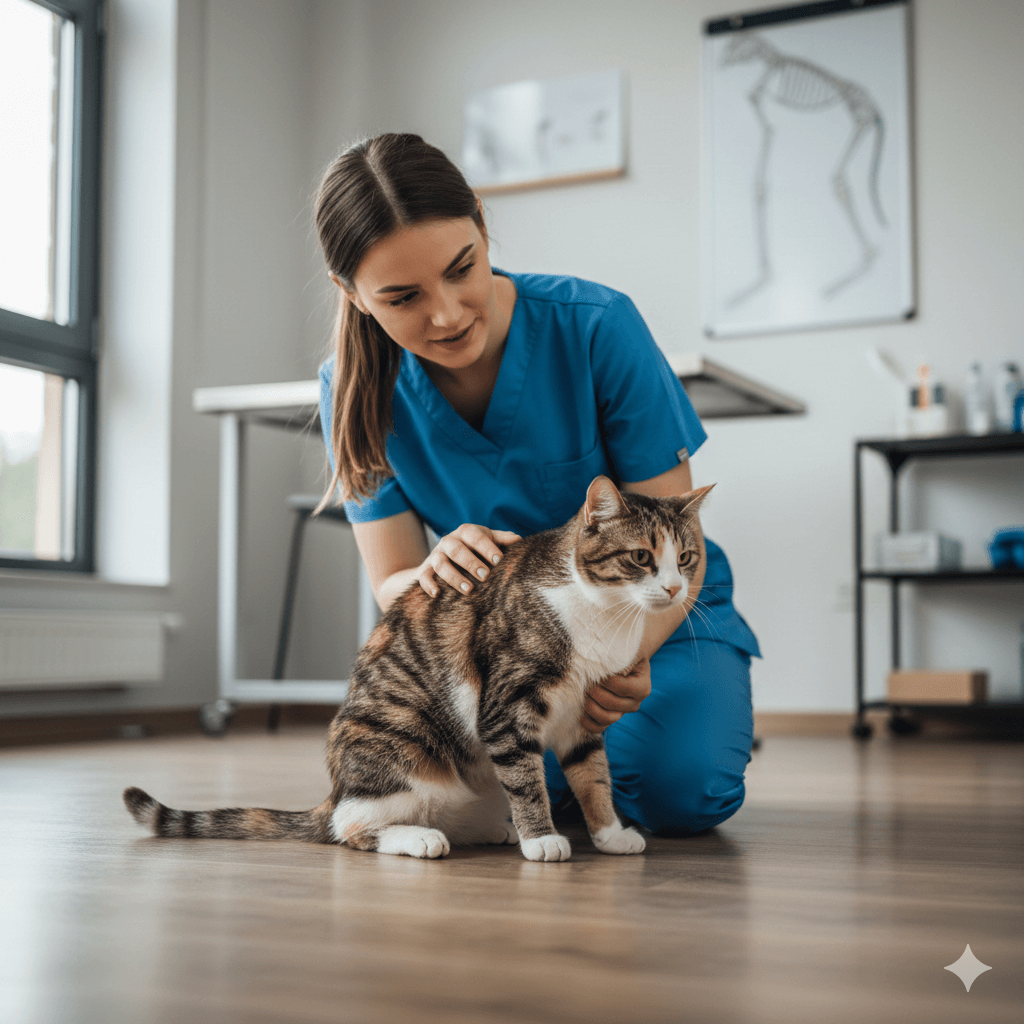
Causes of Cruciate Ligament Injuries in Cats
Cruciate ligament injuries in cats stem from various factors, ranging from sudden trauma to gradual degeneration over time. Understanding these causes helps prevent future incidents and manage existing conditions effectively.
- Trauma or Accidents:
Falls from heights, collisions with objects, or rough play can tear the cruciate ligament. Sudden twisting motions place immense stress on the joint, leading to rupture. - Obesity and Excess Weight:
Overweight cats are at higher risk because excess body weight increases strain on their joints, accelerating wear and tear on ligaments. - Degenerative Joint Disease (DJD):
Age-related degeneration weakens ligaments, making them more prone to tearing even without significant trauma. Senior cats are particularly vulnerable to this condition. - Genetic Predisposition:
Certain breeds, like Maine Coons or Siamese cats, may have genetic predispositions to joint issues, increasing their susceptibility to cruciate ligament injuries. - Repetitive Stress or Overuse:
Activities involving repetitive jumping, running, or twisting can gradually weaken the ligament, eventually resulting in partial or complete tears.
Identifying the underlying cause allows veterinarians to tailor treatment plans and implement preventive measures to protect your cat’s overall joint health.
Check this guide 👉Megaesophagus Cat Symptoms: Best 7 Expert Tips!
Check this guide 👉Intestinal Parasite Cat Symptoms: Best 7 Expert Tips!
Check this guide 👉Traumatized Cat Symptoms: Best 7 Expert Tips!
Early Warning Signs | Long-Term Complications |
|---|---|
Limping or lameness in one leg | Chronic pain and discomfort |
Swollen or warm knee joint | Progressive arthritis development |
Reluctance to jump or climb | Muscle atrophy in the affected limb |
Stiffness after periods of rest | Decreased overall quality of life |
Clicking or popping sounds during movement | Increased risk of secondary injuries |
Diagnosing Cruciate Ligament Injuries in Cats
Diagnosing a cruciate ligament injury requires a combination of clinical evaluation, imaging techniques, and owner-provided observations. Veterinarians rely on multiple tools to confirm the extent of the damage and plan appropriate treatment.
- Physical Examination:
Vets assess the affected leg for swelling, instability, and range of motion. They may manipulate the joint to check for abnormal movement indicative of a torn ligament. - X-Rays (Radiographs):
While X-rays don’t directly show ligaments, they reveal secondary signs like joint swelling, bone spurs, or arthritis, which support the diagnosis. - MRI or CT Scans:
Advanced imaging provides detailed views of soft tissues, including ligaments, confirming the presence and severity of the tear. - Owner Observations:
Detailed accounts of behavioral changes, such as limping or reluctance to jump, help vets piece together the puzzle and make an accurate diagnosis. - Palpation Tests:
Specific tests, like the “drawer test,” evaluate joint stability by assessing forward-backward movement of the tibia relative to the femur.
A thorough diagnostic process ensures precise identification of the injury, guiding effective treatment strategies tailored to your cat’s needs.
Treatment Options for Cruciate Ligament Injuries in Cats
Treating cruciate ligament injuries in cats depends on the injury’s severity, the cat’s age, and overall health. Both conservative and surgical approaches aim to restore mobility and reduce pain.
- Conservative Management:
For mild cases or older cats, rest, restricted activity, and anti-inflammatory medications may suffice to allow natural healing. - Weight Management Programs:
If obesity contributed to the injury, dietary adjustments and controlled exercise help reduce joint strain and promote recovery. - Physical Therapy Exercises:
Gentle exercises, like controlled walking or swimming, strengthen muscles around the joint, improving stability and function. - Surgical Intervention:
Severe tears often require surgery, such as extracapsular repair or TPLO (tibial plateau leveling osteotomy), to stabilize the joint and restore mobility. - Pain Management Protocols:
Medications like NSAIDs, joint supplements, or laser therapy alleviate discomfort during recovery, enhancing the cat’s quality of life.
Combining these treatments ensures comprehensive care, addressing both immediate symptoms and long-term joint health.
Long-Term Effects of Untreated Cruciate Ligament Injuries
Untreated cruciate ligament injuries can lead to chronic complications that significantly impact a cat’s mobility and overall well-being. Early intervention prevents these long-term effects from developing.
- Chronic Pain and Discomfort:
Without treatment, ongoing joint instability causes persistent pain, reducing the cat’s willingness to engage in normal activities. - Progressive Arthritis:
The injured joint becomes more susceptible to osteoarthritis, leading to stiffness, reduced flexibility, and further deterioration over time. - Muscle Atrophy:
Reduced use of the affected limb results in muscle wasting, weakening the entire leg and impairing balance. - Decreased Quality of Life:
Prolonged immobility and discomfort diminish the cat’s ability to enjoy daily routines, affecting mental and emotional well-being. - Increased Risk of Secondary Injuries:
Compensating for the injured leg places undue stress on other limbs, potentially causing additional injuries or strain.
Addressing the injury promptly minimizes these risks, preserving your cat’s mobility and happiness for years to come.
Preventing Cruciate Ligament Injuries in Cats
Preventing cruciate ligament injuries involves proactive measures to maintain joint health and minimize risk factors. Simple lifestyle adjustments can safeguard your cat against potential harm.
- Maintaining a Healthy Weight:
Keeping your cat at an ideal weight reduces joint strain and lowers the likelihood of ligament damage. - Providing Safe Play Environments:
Avoid high-risk activities like leaping from tall surfaces or engaging in overly aggressive play. - Regular Veterinary Check-Ups:
Routine exams detect early signs of joint issues or degenerative diseases, allowing for timely intervention. - Joint Supplements and Nutrition:
Omega-3 fatty acids, glucosamine, and chondroitin support cartilage health and reduce inflammation in aging cats. - Encouraging Moderate Exercise:
Balanced physical activity strengthens muscles and ligaments, promoting joint stability and resilience.
Preventive care ensures your cat remains agile and active throughout their life, minimizing the chances of cruciate ligament injuries.
Supporting Your Cat Through Recovery
Recovery from a cruciate ligament injury requires patience, dedication, and consistent care. By providing a supportive environment, you can help your cat regain strength and confidence in their mobility.
- Creating a Low-Impact Space:
Limit access to stairs, slippery floors, and high surfaces to prevent re-injury during recovery. - Monitoring Progress Closely:
Track improvements in mobility, behavior, and comfort levels, reporting any concerns to your vet immediately. - Administering Medications as Directed:
Follow prescribed dosages precisely to manage pain and inflammation effectively without risking side effects. - Engaging in Physical Therapy:
Work with a certified therapist to guide your cat through safe exercises designed to rebuild muscle and improve joint function. - Offering Emotional Support:
Spend extra time comforting your cat, ensuring they feel secure and loved during the challenging recovery period.
With careful attention and unwavering commitment, you can help your cat overcome this injury and thrive once again.
“Cats with cruciate ligament rupture typically present with sudden-onset limping on a hind leg, and diagnosis is usually easily confirmed on physical examination where drawer motion is pronounced in most affected cats.” – Greg Harasen, DVM
Frequently Asked Questions About Cruciate Ligament Injuries in Cats
Can cats fully recover from cruciate ligament injuries?
Yes, with proper treatment and rehabilitation, most cats can regain mobility and live comfortably, though recovery time varies based on the injury’s severity.
Is surgery always necessary for cruciate ligament tears?
No, mild cases may heal with conservative management like rest and anti-inflammatory medications, but severe tears often require surgical intervention.
How long does recovery take after surgery?
Recovery typically takes 8–12 weeks, depending on the cat’s age, overall health, and adherence to post-operative care protocols.
Can obesity increase the risk of cruciate ligament injuries?
Yes, excess weight places additional strain on joints, making ligaments more prone to tearing or degeneration over time.
What should I do if I suspect my cat has a cruciate ligament injury?
Contact your veterinarian immediately for an evaluation. Limit your cat’s activity to prevent further damage while awaiting diagnosis.
Supporting Your Cat Through Cruciate Ligament Recovery
Cruciate ligament injuries in cats can be daunting, but with early detection, proper treatment, and consistent care, your feline companion can overcome this challenge and return to their playful, agile self. By understanding the symptoms, causes, and available treatments, you empower yourself to make informed decisions that prioritize your cat’s well-being. Remember, patience and dedication are key—recovery is a journey, not an overnight fix. With your love and support, your cat will regain confidence in their movements and enjoy a fulfilling, pain-free life once again.

Is Rawhide Bad for Cats? Best 7 Expert Tips! – Discover the risks, safe alternatives, and expert advice to keep your feline friend healthy and happy.

Is Rawhide Bad for Dogs? Best 7 Expert Tips! – Discover the risks, benefits, and safer alternatives to rawhides for your dog’s chewing needs.

Understanding Anorexia in Cats: Best 7 Expert Tips! – Learn why cats stop eating, spot warning signs, and discover how to help your feline regain appetite safely.

Understanding Anorexia in Dogs: Best 7 Expert Tips! – Learn causes, symptoms, and solutions to help your dog regain appetite and stay healthy.