
Recognizing Critical Signs of Stress in a Dog
Physical Signs of Stress in Dogs
- Excessive Panting:
Panting is a natural way for dogs to regulate body temperature, but when it occurs without physical exertion or heat, it may indicate stress. This behavior often signals anxiety or discomfort. - Trembling or Shaking:
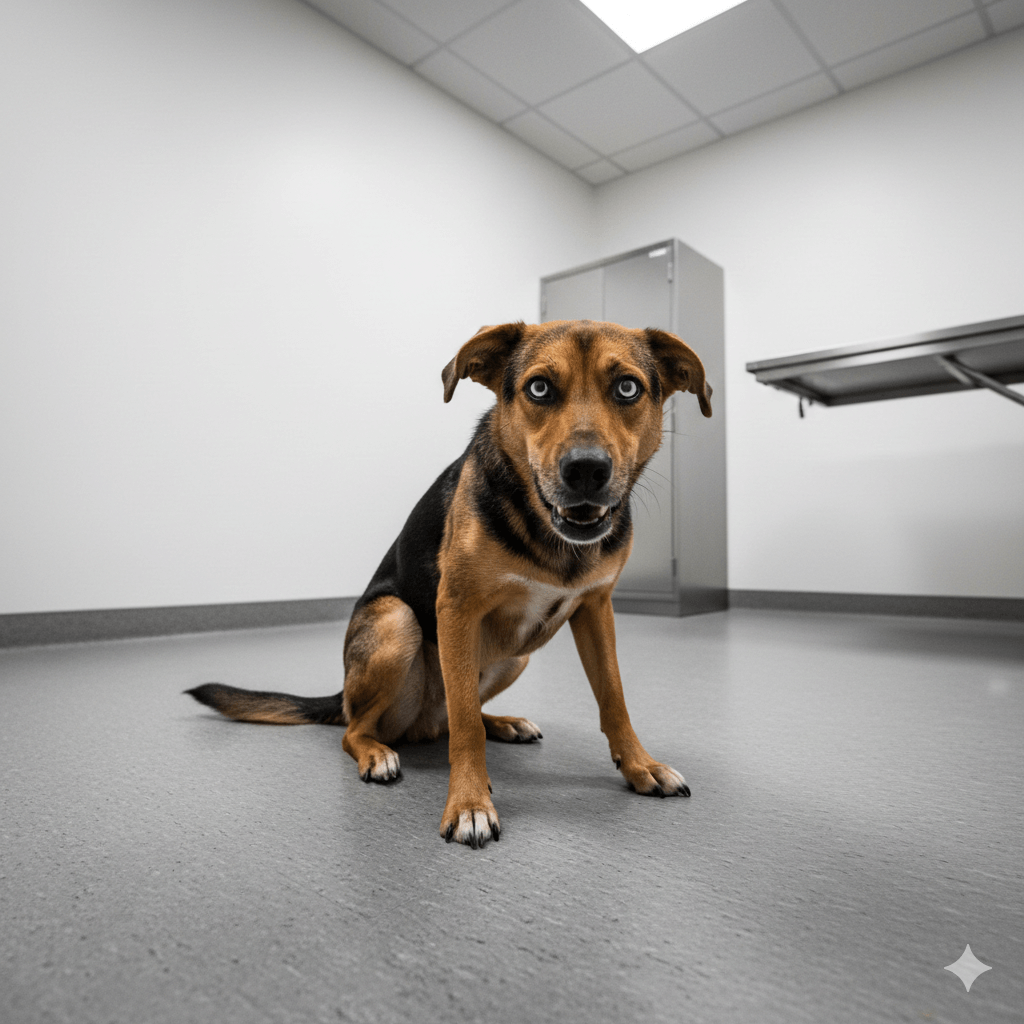
Some dogs shake due to excitement, but persistent trembling—especially in unfamiliar environments—can be a sign of fear or stress. This reaction is the body’s way of coping with overwhelming emotions. - Dilated Pupils:
Dilated pupils in low-light conditions or during calm situations often reflect heightened alertness or distress. Combined with other signs, this can confirm your dog is feeling stressed. - Excessive Drooling or Licking:
Stress triggers increased saliva production in some dogs, leading to drooling. Others may excessively lick their paws or other surfaces as a self-soothing mechanism, which can also cause skin irritation over time. - Changes in Posture:
A dog cowering, tucking its tail, or lowering its body to the ground shows submission or fear. Conversely, rigid posture or raised hackles indicate tension and readiness to react defensively.
Behavioral Changes Indicating Stress
- Loss of Appetite:
A stressed dog may refuse food, even treats they normally love. This loss of interest reflects their inability to focus on eating due to anxiety or fear. - Aggression or Reactivity:
Stressed dogs sometimes lash out by growling, snapping, or barking excessively. This behavior stems from feeling threatened or overwhelmed by their environment. - Excessive Barking or Whining:
Vocalizations increase when dogs feel anxious or uncertain. Persistent whining or barking signals an attempt to communicate their discomfort. - Destructive Behavior:
Chewing furniture, digging at carpets, or destroying household items often results from pent-up stress. These actions serve as outlets for frustration or boredom. - Avoidance or Hiding:
Some dogs retreat to quiet spaces or avoid interaction altogether when stressed. This withdrawal indicates their need for safety and reassurance.
Check this guide 👉Dog Respiratory Distress Signs: Best 7 Expert Tips!
Check this guide 👉Cryptorchidism Dog Behavior: Best 7 Expert Tips!
Check this guide 👉What Is a Dog Behaviorist? Best 7 Expert Tips!
| Physical Signs of Stress | Behavioral Signs of Stress |
|---|---|
| Excessive panting without heat/exercise | Loss of appetite or refusal to eat |
| Trembling or shaking uncontrollably | Aggression toward people or animals |
| Dilated pupils in low-light conditions | Excessive barking, whining, or howling |
| Excessive drooling or licking paws | Destructive chewing or digging |
| Cowering, tail tucking, or rigid posture | Avoidance or hiding behaviors |
Environmental Triggers of Stress in Dogs
- Loud Noises:
Thunderstorms, fireworks, or construction sounds overwhelm many dogs, causing panic or anxiety. Noise phobias are particularly challenging to manage without preparation. - New Environments:
Visiting unfamiliar places, such as boarding facilities, vet offices, or crowded areas, can unsettle dogs unaccustomed to change. - Separation Anxiety:
Being left alone for extended periods causes significant stress in dogs prone to attachment issues. Symptoms include destructive behavior, vocalization, or house soiling. - Interactions with Strangers or Animals:
Unfamiliar people or aggressive animals provoke fear or territorial reactions in some dogs, especially those lacking proper socialization. - Weather Extremes:
Extreme heat, cold, or humidity affects a dog’s comfort level, leading to irritability or lethargy as stress responses.
Health-Related Causes of Stress in Dogs
- Chronic Pain:
Conditions like arthritis, dental disease, or injuries cause ongoing discomfort, making dogs irritable or withdrawn. Pain management alleviates both physical and emotional strain. - Infections or Diseases:
Illnesses affecting the immune system, such as Lyme disease or gastrointestinal disorders, weaken a dog’s resilience and increase susceptibility to stress. - Hormonal Imbalances:
Thyroid dysfunction or adrenal gland problems disrupt mood regulation, leading to anxiety or aggression. Blood tests help diagnose these issues accurately. - Medication Side Effects:
Certain medications alter behavior or appetite, indirectly contributing to stress. Discuss alternatives with your vet if side effects persist. - Age-Related Decline:
Senior dogs experience cognitive decline, vision/hearing loss, or mobility issues, all of which heighten vulnerability to stress. Tailored care addresses these age-specific needs.
Emotional Indicators of Stress in Dogs
- Fearfulness:
Dogs showing signs of fear, such as flinching at sudden movements or avoiding eye contact, are likely experiencing emotional distress. - Overattachment:
Clingsy behavior, such as following you everywhere or refusing to leave your side, reflects insecurity and dependency stemming from stress. - Depression-Like Symptoms:
Lethargy, lack of interest in play, or prolonged sleeping indicate emotional exhaustion caused by unresolved stressors. - Compulsive Behaviors:
Spinning, tail chasing, or excessive grooming arise from obsessive-compulsive tendencies linked to anxiety. - Hyperactivity or Restlessness:
Inability to settle down or constant pacing suggests nervous energy triggered by stress.
Long-Term Effects of Untreated Stress in Dogs
- Weakened Immune System:
Prolonged stress suppresses immune function, making dogs more susceptible to infections, allergies, and autoimmune diseases. - Behavioral Problems:
Untreated stress leads to ingrained habits like aggression, destructiveness, or separation anxiety, which become harder to correct over time. - Digestive Issues:
Stress disrupts gut health, causing diarrhea, vomiting, or inflammatory bowel disease (IBD). These symptoms further compromise nutrition and recovery. - Cardiovascular Strain:
Elevated cortisol levels from chronic stress place undue pressure on the heart and circulatory system, increasing the risk of hypertension or heart disease. - Reduced Lifespan:
Persistent stress accelerates aging processes, reducing longevity and diminishing overall vitality in affected dogs.
Strategies to Alleviate Stress in Dogs
- Create a Safe Space:
Designate a quiet, comfortable area where your dog can retreat during stressful situations. Include familiar items like blankets or toys for comfort. - Establish a Routine:
Consistent feeding, walking, and play schedules reassure dogs by providing predictability in their daily lives. - Use Calming Aids:
Pheromone diffusers, calming collars, or supplements containing L-theanine or CBD oil promote relaxation naturally. - Engage in Positive Training:
Reward-based training builds trust and confidence, helping dogs overcome fears or anxieties associated with specific triggers. - Consult a Professional:
Veterinarians or certified animal behaviorists offer guidance on managing severe stress cases, including medication or specialized therapy options.
“Stressed dogs may have dilated pupils and blink rapidly; they may open their eyes wide and show more sclera (white) than usual, giving them a startled appearance, while their ears may be pinned back against their head” – Ellen Lindell, VMD, DACVB
Frequently Asked Questions About Critical Signs of Stress in Dogs
What are the first signs of stress in dogs?
Can stress make my dog sick?
Yes—chronic stress weakens the immune system, leading to illnesses like infections, digestive issues, or skin problems. Addressing stress promptly is crucial for long-term health.
How can I tell if my dog’s stress is severe?
Severe stress often manifests as aggression, destructive behavior, or prolonged hiding. Physical symptoms like vomiting, diarrhea, or refusal to eat also indicate urgency.
Is it normal for puppies to show stress signs?
Yes, puppies are more vulnerable to stress due to their developing nervous systems. Proper socialization and a calm environment help them adapt and build resilience.
What should I do if my dog seems stressed?
Remove them from the stressful situation, provide comfort, and consult a vet if symptoms persist. Avoid punishing stress-related behaviors, as this worsens anxiety.
A Lifeline in Every Moment of Crisis

Is Rawhide Bad for Cats? Best 7 Expert Tips! – Discover the risks, safe alternatives, and expert advice to keep your feline friend healthy and happy.

Is Rawhide Bad for Dogs? Best 7 Expert Tips! – Discover the risks, benefits, and safer alternatives to rawhides for your dog’s chewing needs.

Understanding Anorexia in Cats: Best 7 Expert Tips! – Learn why cats stop eating, spot warning signs, and discover how to help your feline regain appetite safely.

Understanding Anorexia in Dogs: Best 7 Expert Tips! – Learn causes, symptoms, and solutions to help your dog regain appetite and stay healthy.