
Recognizing Critical Signs of Stress in a Cat
Behavioral Changes as Early Indicators of Stress
- Increased Hiding or Withdrawal:
Stressed cats often retreat to secluded areas, avoiding interaction with humans or other pets. This behavior stems from their instinct to feel safe in unfamiliar or overwhelming situations. - Aggression Towards People or Pets:
Sudden bouts of hissing, swatting, or biting indicate heightened anxiety. Cats may lash out when they feel threatened or unable to escape a stressful environment. - Excessive Vocalization:
Some stressed cats become unusually vocal, meowing loudly or persistently. This behavior signals distress, especially if it occurs at odd hours or differs from their normal communication patterns. - Changes in Playfulness or Activity Levels:
A once-active cat may become lethargic, while a typically calm cat might exhibit hyperactive tendencies. Both extremes reflect underlying emotional turmoil caused by stressors. - Overgrooming or Lack of Grooming:
Stress can lead to obsessive licking, resulting in bald patches or skin irritation. Conversely, some cats abandon grooming altogether, signaling apathy or overwhelm.
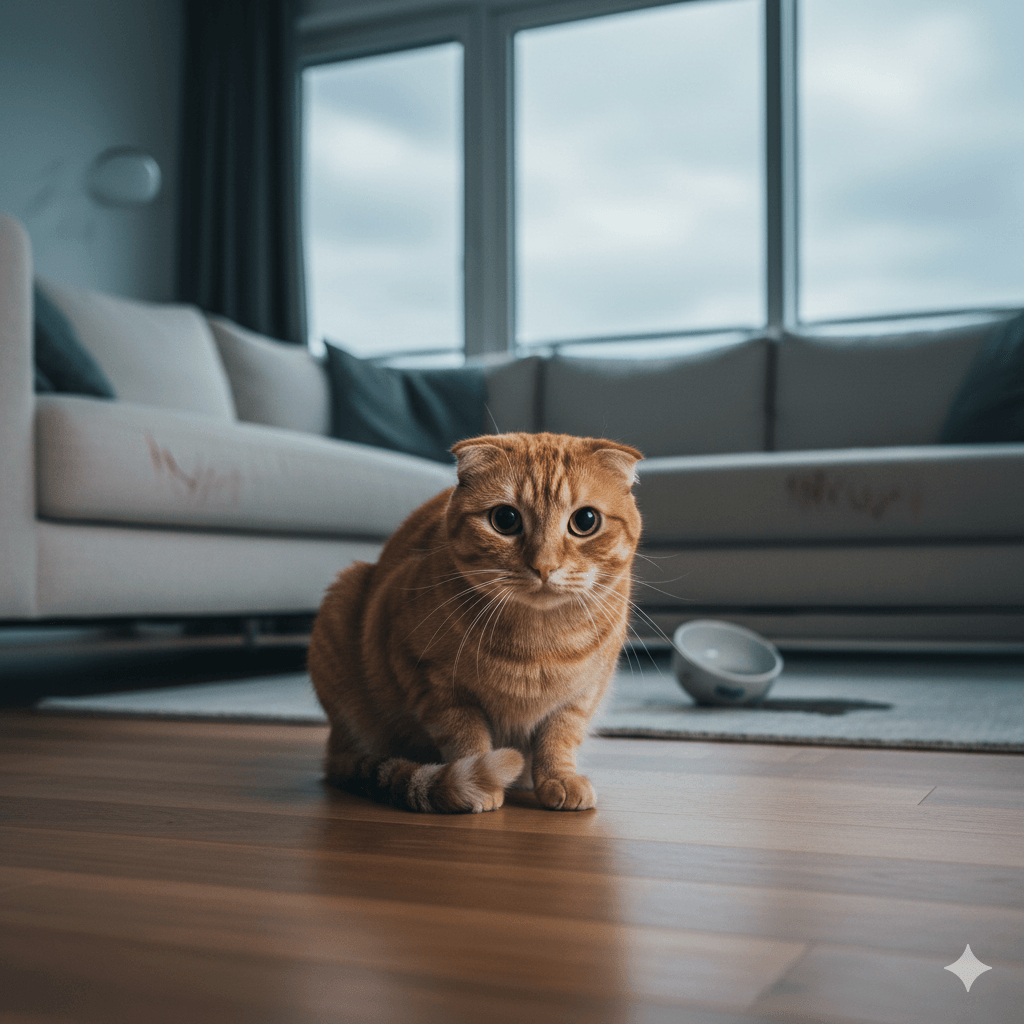
Physical Symptoms of Stress in Cats
- Loss of Appetite or Overeating:
Stressed cats may refuse meals entirely or overindulge as a form of self-soothing. Both extremes disrupt nutritional intake and impact overall health. - Vomiting or Diarrhea:
Gastrointestinal upset is common during periods of stress. Increased cortisol levels irritate the digestive tract, leading to vomiting, loose stools, or constipation. - Excessive Shedding or Dandruff:
Stress accelerates hair loss and compromises skin health. Owners may notice clumps of fur around the house or visible dandruff on their cat’s coat. - Dilated Pupils or Wide Eyes:
Wide, unblinking eyes accompanied by dilated pupils signal fear or tension. This physiological response prepares the cat for fight-or-flight reactions. - Weight Loss or Gain:
Fluctuations in body weight often accompany prolonged stress. Rapid weight loss indicates malnutrition, while weight gain results from reduced activity or comfort eating.
Check this guide 👉Cat Stress Relief: Best 7 Expert Tips!
Check this guide 👉Can Cats Stress Eat? Best 7 Expert Tips!
Check this guide 👉What Is a Cat Behaviorist? Best 7 Expert Tips!
| Behavioral Signs of Stress | Physical Symptoms of Stress |
|---|---|
| Hiding or withdrawal from interaction | Vomiting or diarrhea |
| Aggression towards people or pets | Excessive shedding or dandruff |
| Overgrooming or lack of grooming | Dilated pupils or wide eyes |
| Changes in playfulness or activity levels | Weight loss or gain |
| Excessive vocalization or silence | Persistent urinary issues |
Environmental Triggers of Cat Stress
- Loud Noises or Sudden Movements:
Vacuum cleaners, thunderstorms, or loud conversations startle cats, triggering acute stress responses. Their sensitive hearing makes them particularly vulnerable to noise-related anxiety. - Introduction of New Pets or People:
Adding a new family member—human or animal—disrupts established routines and territorial boundaries, causing insecurity and tension. - Frequent Changes in Routine:
Inconsistent feeding times, altered schedules, or rearranged furniture confuse cats, who thrive on predictability and structure. - Lack of Safe Spaces:
Cats need quiet, private areas to retreat to when feeling overwhelmed. Homes without designated hiding spots increase stress levels significantly. - Unfamiliar Scents or Objects:
New furniture, cleaning products, or even guests’ belongings introduce unfamiliar smells that unsettle cats accustomed to their scent-marked territory.
Health Conditions Linked to Chronic Stress
- Urinary Tract Issues:
Stress contributes to feline idiopathic cystitis (FIC), characterized by painful urination, blood in urine, or frequent trips to the litter box. - Respiratory Problems:
Prolonged stress exacerbates asthma or allergies, leading to labored breathing, wheezing, or coughing fits. - Skin Disorders:
Psychogenic alopecia, a condition caused by excessive grooming due to stress, results in patchy fur and inflamed skin requiring veterinary care. - Weakened Immune System:
Chronic stress suppresses immunity, increasing vulnerability to infections, viruses, or parasites that otherwise wouldn’t pose significant threats. - Obesity-Related Diseases:
Comfort eating triggered by stress leads to obesity, which raises risks for diabetes, arthritis, and heart disease over time.
How Stress Impacts Social Interactions
- Avoidance of Affection or Contact:
Stressed cats may shy away from petting, lap-sitting, or cuddling, behaviors they previously enjoyed. This withdrawal reflects discomfort rather than disinterest. - Territorial Marking Indoors:
Urine spraying or scratching furniture intensifies under stress as cats attempt to reclaim control over their environment. - Conflict with Other Pets:
Heightened aggression or competition arises when multiple animals share limited resources like food bowls, litter boxes, or resting spots. - Reduced Interest in Toys or Activities:
Playtime loses appeal for stressed cats, who focus instead on conserving energy or seeking solitude. - Dependency or Clinginess:
Conversely, some cats become overly attached, following owners constantly for reassurance. This clinginess contrasts sharply with their usual independence.
Preventative Measures to Reduce Cat Stress
- Establish Consistent Routines:
Feed, play, and clean at the same times daily to provide structure and predictability. Cats thrive on knowing what to expect next. - Create Enriched Environments:
Offer climbing shelves, scratching posts, and interactive toys to stimulate natural instincts and alleviate boredom. - Provide Quiet Retreats:
Designate cozy corners or covered beds where your cat can retreat when feeling overwhelmed or needing privacy. - Use Calming Products:
Diffusers releasing synthetic pheromones mimic calming scents, reducing anxiety and promoting relaxation naturally. - Limit Exposure to Stressors:
Gradually introduce changes like new pets or visitors, allowing your cat time to adjust without feeling rushed or pressured.
When to Seek Veterinary Help for Stressed Cats
- Persistent Symptoms Despite Intervention:
If behavioral or physical signs continue despite efforts to reduce stress, seek veterinary advice to rule out underlying medical conditions. - Severe Weight Loss or Appetite Changes:
Rapid weight fluctuations or refusal to eat for more than 24 hours warrant immediate attention, as they indicate potential organ dysfunction. - Signs of Pain or Discomfort:
Limping, vocalizing excessively, or reluctance to move suggests pain linked to stress-induced illnesses like arthritis or urinary tract infections. - Self-Harm or Excessive Grooming:
Bald patches, open sores, or bleeding from overgrooming require urgent care to prevent infection and address psychological distress. - Sudden Personality Shifts:
Drastic changes in temperament, such as aggression or extreme lethargy, point to severe emotional or physical distress needing expert evaluation.
“Cats respond to stress in many ways. They may exhibit decreased appetite or anorexia. They may attempt to escape or show avoidance behaviors, such as hiding – in the litterbox, in a corner, under a blanket… Some cats may even become aggressive. They present with flattened ears, growling, hissing, swatting or even lunging and attempting to bite.” – Erin Henry, DVM
Frequently Asked Questions About Critical Signs of Stress in Cats
What are the first signs my cat is stressed?
Early indicators include hiding more often, changes in appetite, excessive grooming, or vocalizing unusually. These behaviors signal discomfort and should not be ignored.
Can stress make my cat sick?
How can I calm my stressed cat quickly?
Provide a quiet space, use calming pheromone diffusers, and avoid sudden changes in routine. Gentle play or offering favorite treats may also help distract and soothe them.
Is it normal for cats to stress over small changes?
Absolutely—cats are creatures of habit and even minor disruptions like moving furniture or introducing new scents can trigger anxiety. Patience and gradual transitions ease their adjustment.
When should I take my stressed cat to the vet?
If symptoms persist despite intervention, worsen rapidly, or involve severe weight loss, lethargy, or self-harm, consult your veterinarian immediately for professional guidance.
Supporting Your Cat Through Stressful Times

Is Rawhide Bad for Cats? Best 7 Expert Tips! – Discover the risks, safe alternatives, and expert advice to keep your feline friend healthy and happy.

Is Rawhide Bad for Dogs? Best 7 Expert Tips! – Discover the risks, benefits, and safer alternatives to rawhides for your dog’s chewing needs.

Understanding Anorexia in Cats: Best 7 Expert Tips! – Learn why cats stop eating, spot warning signs, and discover how to help your feline regain appetite safely.

Understanding Anorexia in Dogs: Best 7 Expert Tips! – Learn causes, symptoms, and solutions to help your dog regain appetite and stay healthy.