
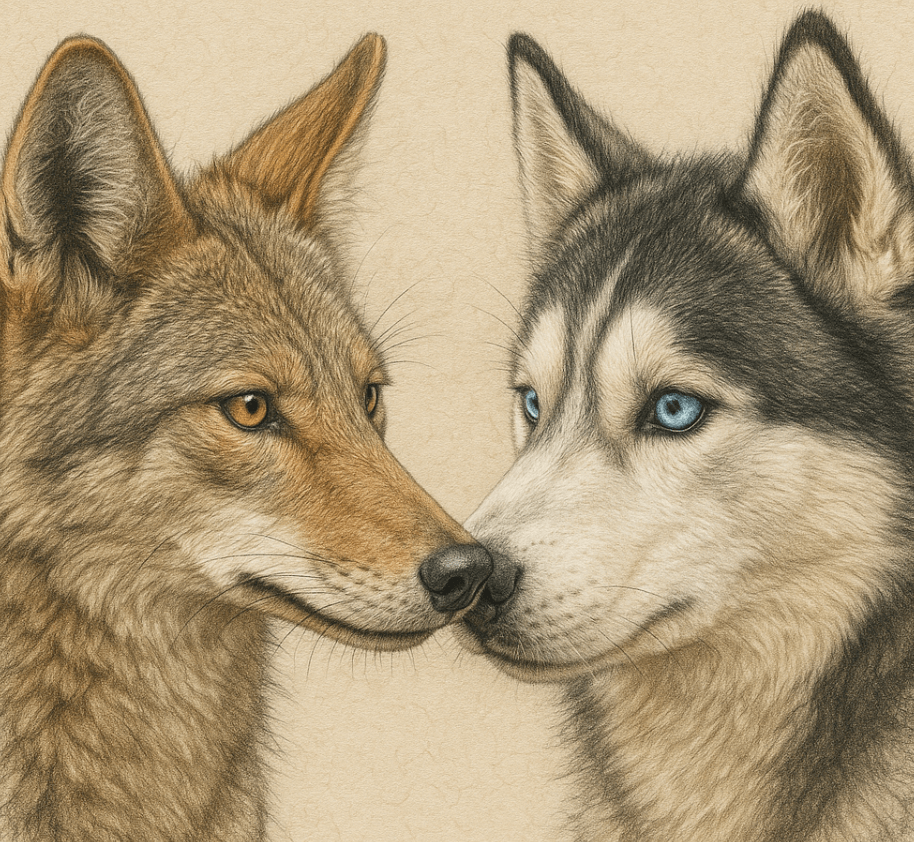

Coyote vs Husky: Best 7 Expert Tips!

Coyote vs Husky: Best 7 Expert Tips!

Coyote vs Husky: Understanding the Differences and Similarities


At first glance, coyotes and huskies might seem similar due to their striking resemblance in size, coat color, and facial features. However, these two animals are vastly different in terms of behavior, habitat, and purpose. While the coyote is a wild canine known for its adaptability and survival skills, the husky is a domesticated breed cherished for its loyalty, strength, and companionship. Understanding the distinctions between these two can help you appreciate their unique roles in nature and human life. In this blog post, we’ll explore the key differences and surprising similarities between coyotes and huskies, shedding light on their characteristics, needs, and interactions with the world around them.

Physical Characteristics: Coyote vs Husky


Although coyotes and huskies share some physical traits, there are notable differences that set them apart. Here’s a breakdown of their appearance and distinguishing features.

 
  • Size and Build:
    Coyotes are typically smaller and leaner, weighing between 20-50 pounds, while huskies are larger and more muscular, averaging 35-60 pounds.

  • Coat Color and Texture:
    Coyotes have a shorter, coarse coat that ranges from grayish-brown to reddish hues, whereas huskies sport a thick double coat in shades of black, white, gray, or red.

  • Facial Markings:
    Huskies often have striking blue or multicolored eyes and distinct facial masks, while coyotes have amber or yellow eyes with less pronounced markings.

  • Tail Shape:
    A coyote’s tail is bushy and usually carried low, while a husky’s tail curls upward over its back.

  • Ears and Expression:
    Coyotes have pointed, erect ears that give them an alert and wild appearance, while huskies’ ears are also upright but softer, contributing to their friendly demeanor.


These physical differences highlight how each animal has evolved to suit its environment and lifestyle.

Behavioral Traits: Wild Instincts vs Domestic Loyalty


The behavioral contrasts between coyotes and huskies reflect their roles as wild predators and domestic companions. These differences shape how they interact with humans and their surroundings.

 
  • Social Structure:
    Coyotes are solitary hunters or live in small family packs, while huskies thrive in social settings, forming strong bonds with their human families.

  • Communication Styles:
    Coyotes rely on yips, howls, and barks to communicate across distances, whereas huskies use vocalizations like “talking” and howling to express emotions.

  • Hunting vs Playfulness:
    Coyotes are skilled hunters with a predatory instinct, while huskies are playful and energetic, often channeling their stamina into activities like sledding or fetch.

  • Territorial Behavior:
    Coyotes are highly territorial and may act aggressively toward intruders, while huskies are generally friendly and welcoming unless poorly trained.

  • Adaptability:
    Coyotes adapt quickly to urban and rural environments, while huskies require structured care and thrive best in colder climates.


Understanding these behavioral nuances helps clarify why coyotes and huskies occupy such different niches in the animal kingdom.

Coyote vs Husky: Best 7 Expert Tips!
Coyote Characteristics
Husky Characteristics
Solitary or small pack animals
Social and family-oriented
Lean build with short, coarse fur
Muscular build with thick double coat
Primarily nocturnal hunters
Active during the day (diurnal)
Highly territorial and cautious
Friendly and affectionate with humans
Adapts to various environments
Prefers cold climates and structured care

Dietary Needs: Wild Carnivores vs Domestic Omnivores


The dietary habits of coyotes and huskies differ significantly, reflecting their natural instincts and domestication. Here’s what sets their nutritional requirements apart.

 
  • Coyote Diet:
    Coyotes are opportunistic carnivores, feeding on small mammals, birds, insects, fruits, and carrion to survive in the wild.

  • Husky Diet:
    Huskies are omnivores by domestication, thriving on a balanced diet of high-quality dog food supplemented with proteins, fats, and vegetables.

  • Hydration Needs:
    Coyotes obtain most of their water from prey and natural sources, while huskies need fresh water provided daily.

  • Feeding Frequency:
    Coyotes eat sporadically based on hunting success, whereas huskies require regular meals twice a day to maintain energy levels.

  • Foraging vs Dependency:
    Coyotes are self-sufficient foragers, while huskies depend entirely on their owners for sustenance and nutrition.


These dietary differences underscore the contrasting lifestyles of wild and domesticated canines.

Living Environments: Urban Adaptability vs Home Companionship


The environments where coyotes and huskies thrive reveal much about their adaptability and relationship with humans.

 
  • Coyote Habitats:
    Coyotes are versatile survivors, found in forests, deserts, suburbs, and even urban areas, adapting to human encroachment.

  • Husky Living Spaces:
    Huskies prefer spacious homes with access to outdoor play areas, especially in cooler climates suited to their thick coats.

  • Interaction with Humans:
    Coyotes avoid direct contact with people, remaining elusive, while huskies crave attention and thrive on companionship.

  • Climate Preferences:
    Coyotes tolerate a wide range of temperatures, while huskies struggle in hot weather due to their dense fur.

  • Human Impact:
    Coyotes face threats from habitat loss and hunting, while huskies rely on responsible ownership and care for their well-being.


These environmental factors highlight how each species navigates its world differently.

Misconceptions About Coyotes and Huskies


Several myths surround coyotes and huskies, leading to misunderstandings about their behavior and needs. Here’s a closer look at some common misconceptions.

 
  • Coyotes Are Always Aggressive:
    While they can be defensive, coyotes rarely attack humans unless provoked or cornered.

  • Huskies Are Good Guard Dogs:
    Despite their wolf-like appearance, huskies are too friendly and curious to serve as effective guard dogs.

  • Coyotes Only Live in Rural Areas:
    Coyotes have adapted remarkably well to urban environments, thriving alongside human populations.

  • Huskies Can Survive in Any Climate:
    Their thick coats make them unsuitable for hot climates without proper care and cooling measures.

  • All Huskies Act Like Wolves:
    Though related, huskies are fully domesticated and lack the independent hunting instincts of wolves or coyotes.


Dispelling these myths fosters a deeper understanding of both animals.

Conservation Efforts for Coyotes and Responsible Ownership for Huskies


Both coyotes and huskies benefit from human efforts to ensure their well-being, whether through conservation or responsible pet ownership.

 
  • Protecting Coyote Populations:
    Educating communities about coexistence reduces conflicts and promotes tolerance for these adaptable predators.

  • Ethical Breeding Practices for Huskies:
    Supporting reputable breeders ensures healthy pups free from genetic issues caused by irresponsible breeding.

  • Wildlife Corridors for Coyotes:
    Creating safe pathways helps coyotes navigate urban landscapes without endangering themselves or humans.

  • Exercise Needs for Huskies:
    Providing ample physical and mental stimulation prevents destructive behaviors stemming from boredom.

  • Public Awareness Campaigns:
    Raising awareness about coyote behavior and husky care fosters harmony between humans and these remarkable animals.


These initiatives highlight the importance of balancing wildlife preservation with responsible pet ownership.

Fun Facts About Coyotes and Huskies


Both coyotes and huskies have fascinating quirks that make them stand out in the animal kingdom. Here are some intriguing tidbits about these incredible creatures.

 
  • Coyotes Are Incredible Athletes:
    They can run up to 40 miles per hour and leap over fences up to 8 feet tall.

  • Huskies Have Unique Eyes:
    Some huskies have heterochromia, meaning their eyes are two different colors, adding to their charm.

  • Coyotes Are Master Mimics:
    They can imitate the sounds of other animals, including barking dogs, to lure prey or confuse rivals.

  • Huskies Were Bred for Sledding:
    Originally bred by the Chukchi people of Siberia, huskies excel in endurance sports like sled racing.

  • Coyotes Are Cultural Symbols:
    In Native American folklore, coyotes are often depicted as clever tricksters with lessons to teach humanity.


These fun facts celebrate the uniqueness of both species, showcasing their intelligence, adaptability, and allure.

Frequently Asked Questions About Coyotes and Huskies

 
Can a coyote and husky mate?

Yes, they can produce hybrids called coydogs, though this is rare due to differing behaviors and habitats.

Generally not, but they may act defensively if cornered or threatened.

Huskies share more ancestry with wolves, which explains their thicker coats and pack mentality.

Supervise outdoor time, secure your yard, and avoid leaving food outside to deter coyotes.

Howling is an inherited trait from their wolf ancestors, used for communication and bonding.

Celebrating the Unique Qualities of Coyotes and Huskies


While coyotes and huskies may look alike at first glance, their differences in behavior, diet, and environment reveal two distinct worlds—one wild and untamed, the other domestic and lovingly connected to humans. By understanding and appreciating these differences, we can better respect their roles in our ecosystems and households. Whether you’re fascinated by the cunning adaptability of the coyote or the loyal companionship of the husky, both animals remind us of the beauty and diversity of the canine world.

 
Is Rawhide Bad for Cats? Best 7 Expert Tips!

Is Rawhide Bad for Cats? Best 7 Expert Tips! – Discover the risks, safe alternatives, and expert advice to keep your feline friend healthy and happy.

Is Rawhide Bad for Dogs? Best 7 Expert Tips!

Is Rawhide Bad for Dogs? Best 7 Expert Tips! – Discover the risks, benefits, and safer alternatives to rawhides for your dog’s chewing needs.

Understanding Anorexia in Cats: Best 7 Expert Tips!

Understanding Anorexia in Cats: Best 7 Expert Tips! – Learn why cats stop eating, spot warning signs, and discover how to help your feline regain appetite safely.

Understanding Anorexia in Dogs: Best 7 Expert Tips!

Understanding Anorexia in Dogs: Best 7 Expert Tips! – Learn causes, symptoms, and solutions to help your dog regain appetite and stay healthy.

Leave a Reply

Your email address will not be published. Required fields are marked *