
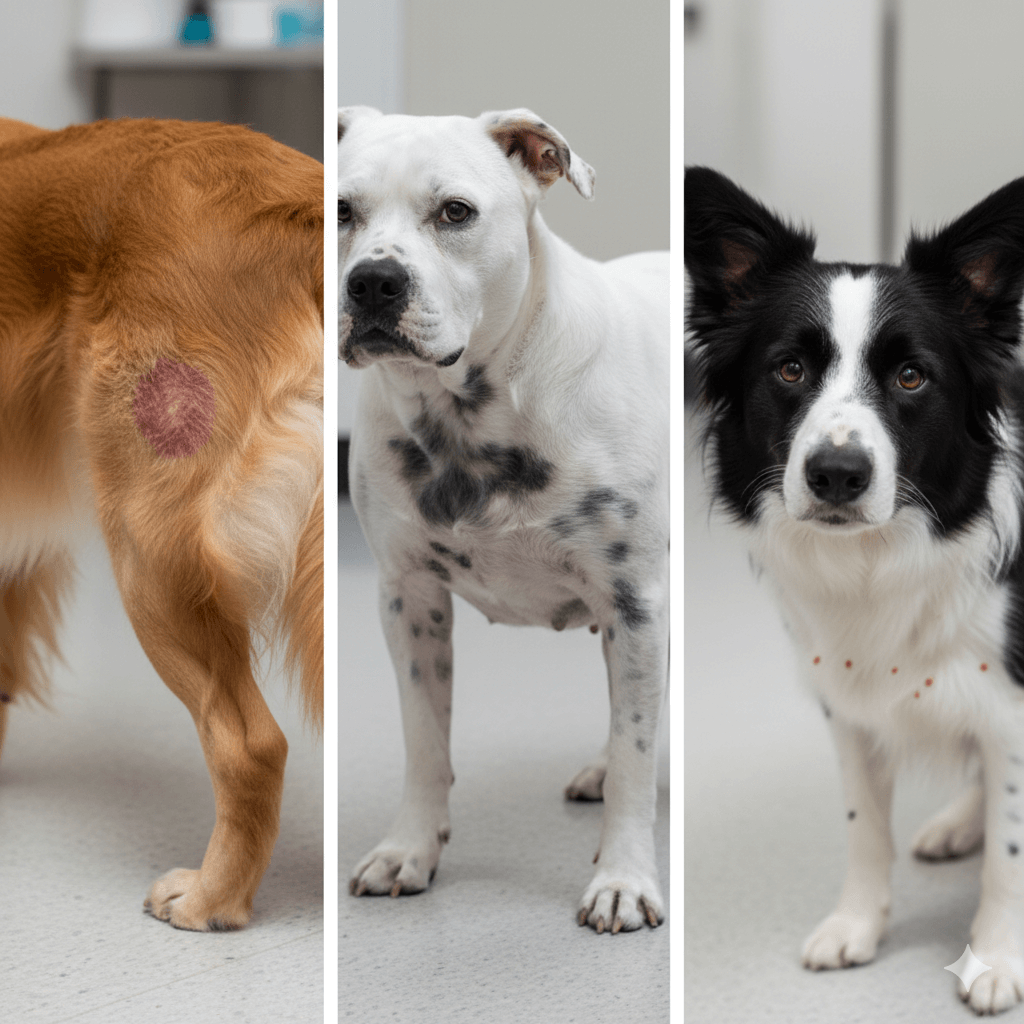

Common Dog Skin Infections: Best 7 Expert Tips!

Common Dog Skin Infections: Best 7 Expert Tips!

Understanding Common Dog Skin Infections

Your dog’s skin is more than just a coat—it’s a vital organ that protects against infection, regulates temperature, and reflects overall health. When redness, itching, or hair loss appears, it may signal a common skin infection. While some cases are mild and resolve quickly, others can cause significant discomfort or indicate deeper health issues. Recognizing the signs early and understanding the usual culprits empowers you to act swiftly and effectively. With proper care and veterinary guidance, most skin infections in dogs are treatable and preventable.

Types of Common Bacterial Skin Infections in Dogs

Bacterial infections are among the most frequent skin issues in canines, often arising when the skin barrier is compromised. These infections typically stem from opportunistic bacteria that take hold due to allergies, wounds, or poor hygiene.

 
  • Superficial Pyoderma:
    This mild infection affects the outer skin layers, causing red bumps, pustules, and patchy hair loss—often mistaken for allergies.
     
  • Deep Pyoderma:
    A more serious condition reaching into hair follicles or deeper tissue, leading to ulcers, draining tracts, and significant pain.
     
  • Staph Infections:
    Caused by Staphylococcus bacteria (often S. pseudintermedius), these can flare up in dogs with weakened immunity or chronic skin irritation.
     
  • Folliculitis:
    Inflammation of hair follicles appears as small scabs or “ringworm-like” lesions, commonly on the belly, groin, or face.
     
  • Hot Spots (Acute Moist Dermatitis):
    Rapidly spreading, oozing, and intensely itchy sores triggered by self-trauma from scratching or licking—often bacterial in origin.
 

Most bacterial skin infections respond well to antibiotics or medicated shampoos, but identifying the root cause is essential to prevent recurrence.

 
Common Dog Skin Infections: Best 7 Expert Tips!

Common Fungal and Yeast-Related Skin Conditions

Fungal and yeast overgrowth on a dog’s skin can lead to chronic itching, odor, and discoloration—especially in warm, moist areas like ears, paws, or skin folds.

 
  • Malassezia Dermatitis:
    An overgrowth of natural yeast causes greasy, smelly skin, darkened patches, and relentless scratching—common in breeds with wrinkles or oily coats.
     
  • Ringworm (Dermatophytosis):
    Despite its name, ringworm is a contagious fungal infection causing circular bald spots, scaling, and sometimes crusting—transmissible to humans.
     
  • Ear Yeast Infections:
    Often linked to skin-wide yeast issues, these cause head shaking, brown discharge, and a distinct musty odor in the ears.
     
  • Interdigital Cysts with Yeast:
    Between the toes, yeast can thrive in damp environments, leading to redness, swelling, and licking.
     
  • Secondary Fungal Flare-Ups:
    Allergies or hormonal imbalances (like hypothyroidism) can disrupt skin pH, allowing fungi to multiply unchecked.
 

Treating these conditions often requires antifungal shampoos, oral medications, and addressing any underlying triggers.

Bacterial Infections
Fungal & Yeast Issues
Red pustules or pimples
Greasy, smelly skin
Hair loss in patches
Circular bald spots (ringworm)
Moist, oozing hot spots
Darkened, thickened skin
Crusty scabs around follicles
Excessive ear discharge
Itching with secondary trauma
Licking paws or skin folds constantly

Parasitic Causes of Skin Irritation and Infection

Parasites don’t just bite—they can trigger allergic reactions, open sores, and secondary infections that mimic or worsen primary skin disease.

 
  • Fleas and Flea Allergy Dermatitis (FAD):
    Just one flea bite can cause severe itching, hair loss, and scabbing near the tail or back in sensitive dogs.
     
  • Sarcoptic Mange (Scabies):
    Highly contagious mites burrow into the skin, causing intense itching, crusting, and hair loss—especially on ears, elbows, and belly.
     
  • Demodectic Mange:
    Caused by overpopulation of Demodex mites (normally present in small numbers), leading to localized or generalized hairless patches.
     
  • Ticks and Tick-Borne Complications:
    Tick bites can introduce bacteria or cause localized inflammation that becomes infected if scratched.
     
  • Lice or Cheyletiella Mites (“Walking Dandruff”):
    These surface parasites cause flaking, mild itching, and visible movement on the skin or coat.
 

Effective parasite control is both treatment and prevention—monthly preventatives and environmental cleaning are key.


Allergic and Immune-Mediated Skin Disorders

Sometimes, the immune system overreacts to harmless substances, resulting in chronic inflammation that invites infection.

 
  • Atopic Dermatitis:
    Inhaled or contact allergens (pollen, dust mites) cause seasonal or year-round itching, especially on paws, face, and armpits.
     
  • Food Allergies:
    Reactions to proteins or additives often show as recurrent ear infections, facial itching, or belly rashes—not just digestive upset.
     
  • Contact Dermatitis:
    Irritation from grass, cleaning products, or fabrics can cause redness and bumps on sparsely haired areas like the belly.
     
  • Autoimmune Skin Diseases:
    Rare conditions like pemphigus cause blistering, crusting, and ulceration due to immune attacks on skin cells.
     
  • Secondary Infections from Scratching:
    Broken skin from constant licking or chewing opens the door to bacteria and yeast, creating a vicious cycle.
 

Managing allergies often requires elimination diets, allergy testing, or long-term medications to break the itch-infection loop.

Signs That Indicate a Skin Infection Needs Veterinary Care

Not every rash requires a vet visit—but certain symptoms signal urgency or complexity beyond home care.

 
  • Widespread Hair Loss or Bald Patches:
    Sudden or expanding bald areas may indicate mange, ringworm, or hormonal disease needing diagnosis.
     
  • Persistent or Worsening Itch:
    If your dog hasn’t improved after 2–3 days of gentle care, professional intervention is likely needed.
     
  • Foul Odor or Discharge:
    A strong smell, yellow/green pus, or oozing fluid suggests bacterial overgrowth or deep infection.
     
  • Swelling, Heat, or Pain:
    Inflamed, tender skin—especially with fever—can signal cellulitis or abscess formation.
     
  • No Improvement with Over-the-Counter Treatments:
    Medicated shampoos or sprays that don’t help within a week may mean the issue isn’t what you assumed.
 

Early veterinary assessment prevents minor issues from becoming chronic or systemic problems.

At-Home Support and Prevention Strategies

While serious infections need medical treatment, daily habits can reduce risk and support healing during recovery.

 
  • Regular Grooming:
    Brushing removes dead hair and debris, improves airflow, and lets you spot early skin changes.
     
  • Hypoallergenic Shampoos:
    Use vet-recommended cleansers with chlorhexidine, miconazole, or oatmeal to soothe and protect skin.
     
  • Keep Skin Dry:
    Thoroughly dry your dog after baths or swimming—especially in skin folds or between toes—to discourage yeast growth.
     
  • Balanced Nutrition:
    Diets rich in omega-3 fatty acids (fish oil) and quality proteins support skin barrier integrity and healing.
     
  • Flea and Tick Prevention:
    Year-round parasite control is one of the most effective ways to prevent secondary skin infections.
 

Consistent, proactive care builds a resilient skin barrier that resists infection long-term.


Breed-Specific and Age-Related Vulnerabilities

Some dogs are genetically or physically predisposed to skin issues due to coat type, facial structure, or immune development.

 
  • Wrinkly Breeds (e.g., Bulldogs, Shar-Peis):
    Deep skin folds trap moisture and bacteria, leading to fold dermatitis without daily cleaning.
     
  • Long-Haired or Double-Coated Breeds:
    Mats harbor parasites and moisture; regular brushing is non-negotiable for skin health.
     
  • Puppies and Seniors:
    Immature or aging immune systems make them more susceptible to mites, fungal overgrowth, or slow-healing sores.
     
  • White or Thin-Coated Dogs:
    More prone to sunburn, which can crack skin and invite infection—especially on noses and ears.
     
  • Toy Breeds with Delicate Skin:
    Easily irritated by harsh shampoos or collars; require gentler grooming and skincare routines.
 

Tailoring care to your dog’s unique traits significantly lowers infection risk.

Frequently Asked Questions About Common Dog Skin Infections

Can dog skin infections spread to humans?

Yes—some conditions like ringworm, sarcoptic mange, and certain bacteria (e.g., Staph) are zoonotic and can transfer to people.

Bacterial infections often improve in 5–7 days with antibiotics, while fungal or parasitic cases may take 2–6 weeks of consistent treatment.

Yes—but only with a vet-approved medicated shampoo. Over-bathing or using human products can worsen irritation.

Not necessarily. Even impeccably cared-for dogs can develop infections due to allergies, genetics, or environmental triggers.

Absolutely. Deficiencies in essential fatty acids, zinc, or vitamins A and E can weaken the skin barrier and increase infection risk.

Caring for Your Dog’s Skin Is Caring for Their Whole Self

Your dog’s skin tells a story—of comfort, stress, health, or imbalance. By learning the signs of common infections and responding with both empathy and action, you become a true advocate for their well-being. Most skin issues are manageable when caught early and addressed holistically, combining veterinary science with daily stewardship. Remember, a healthy coat isn’t just about looks; it’s a reflection of inner vitality. With your watchful eye and loving care, your dog can stay comfortable, confident, and itch-free for years to come.

Understanding Cryptosporidium in Cats: Best 7 Expert Tips!

Understanding Cryptosporidium in Cats: Best 7 Expert Tips! – Spot symptoms, treat safely, and stop parasite spread in your home.

Understanding Cryptosporidium in Dogs: Best 7 Expert Tips!

Understanding Cryptosporidium in Dogs: Best 7 Expert Tips! – Learn symptoms, treatment & prevention for this stubborn gut parasite.

Understanding Syringomyelia in Cats: Best 7 Expert Tips!

Understanding Syringomyelia in Cats: Best 7 Expert Tips! – Recognize signs, manage pain, and support your cat’s neurological health with vet-backed guidance.

Understanding Syringomyelia in Dogs: Best 7 Expert Tips!

Understanding Syringomyelia in Dogs: Best 7 Expert Tips! – Expert insights on symptoms, MRI diagnosis, pain management & quality of life.

Leave a Reply

Your email address will not be published. Required fields are marked *


