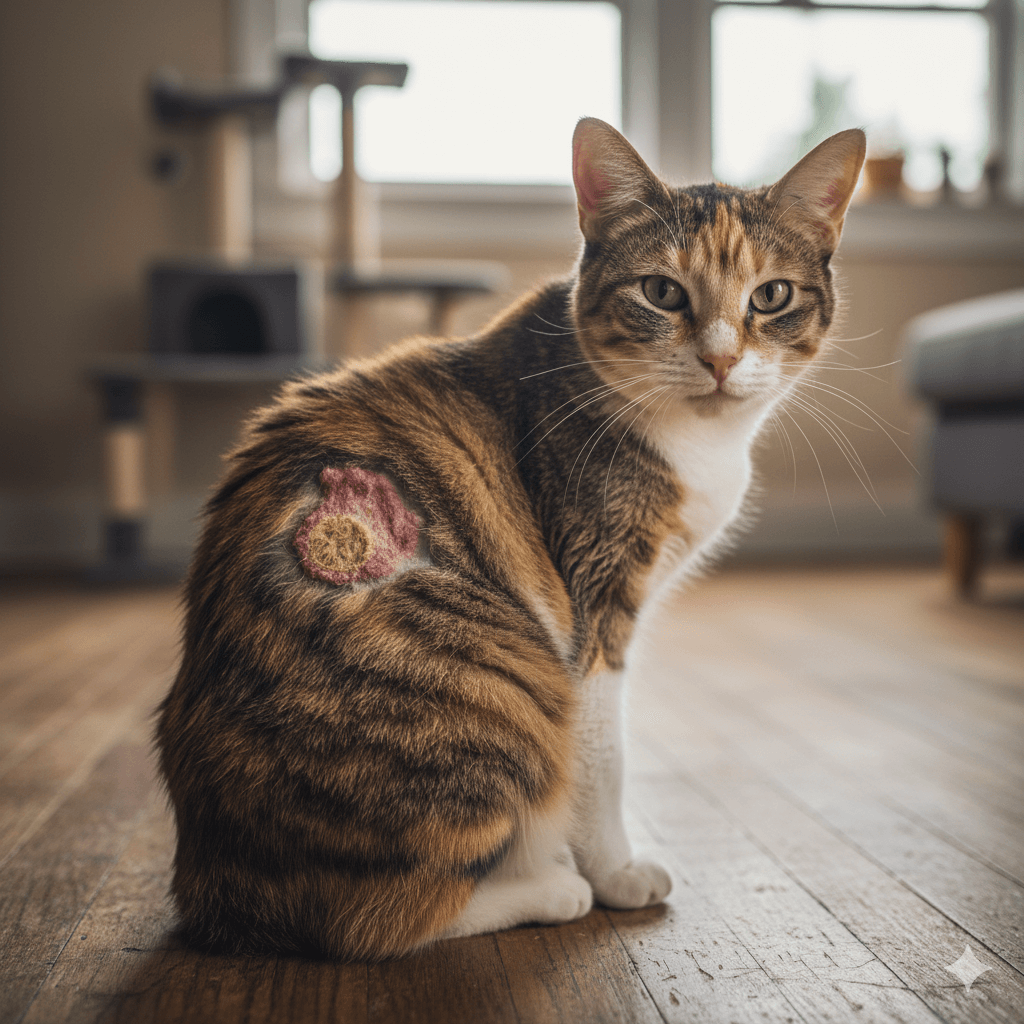

Understanding Common Cat Skin Infections
If your cat is scratching excessively, losing fur, or developing scabs or red patches, they may be dealing with a skin infection. These conditions are surprisingly common and can stem from bacteria, fungi, parasites, or underlying health issues. While some infections are mild and resolve quickly, others can worsen without proper care. Early recognition and treatment not only ease your cat’s discomfort but also prevent secondary complications. Understanding the most frequent causes helps you act swiftly and support your feline friend’s recovery with confidence.
Bacterial Skin Infections in Cats
Bacterial infections often develop when the skin barrier is compromised—through scratches, bites, allergies, or poor grooming. These infections may appear suddenly and can spread if left untreated. Look for warmth, swelling, or pus as telltale signs:
- Pyoderma:
This common bacterial infection causes pimple-like lesions, crusts, or oozing sores, often on the chin, belly, or face. - Secondary to Wounds:
Bite wounds from other cats frequently become infected, leading to abscesses that feel warm, painful, and swollen. - Overgrowth of Normal Flora:
Sometimes, harmless skin bacteria like Staphylococcus multiply excessively due to immune suppression or humidity. - Chin Acne Connection:
Poor hygiene around food bowls can lead to clogged pores and bacterial folliculitis on the chin—often mistaken for dirt. - Antibiotic Response:
Most bacterial skin infections improve within days of starting prescribed oral or topical antibiotics from your vet.
Prompt treatment prevents deeper tissue involvement and helps your cat feel relief faster—never attempt to squeeze or clean severe sores yourself.
Fungal Infections: Ringworm and Beyond
Despite its name, ringworm isn’t a worm—it’s a highly contagious fungal infection that affects cats of all ages, especially kittens and seniors. It thrives in warm, damp environments and can spread to humans:
- Circular Hair Loss Patches:
Ringworm typically causes round, bald areas with scaly, red edges—often on the face, ears, or paws. - Asymptomatic Carriers:
Some cats show no symptoms but still shed fungal spores, making them silent spreaders in multi-cat households. - Zoonotic Risk:
Humans (especially children or immunocompromised people) can develop itchy red rings after contact—always wash hands after handling. - Diagnosis Requires Testing:
A Wood’s lamp exam or fungal culture is needed; visual inspection alone isn’t reliable. - Environmental Decontamination:
Treating your cat isn’t enough—vacuum daily, wash bedding in hot water, and disinfect surfaces to stop reinfection.
Ringworm is stubborn but manageable with consistent care, antifungal shampoos, and environmental hygiene.
Check this guide 👉Infected Hole in Cat Skin: Best 7 Expert Tips!
Check this guide 👉Understanding Cat Skin Cancer: Best 7 Expert Tips!
Check this guide 👉Cat Fungal Skin Infection: Best 7 Expert Tips!
Infection Type | Key Characteristics |
|---|---|
Bacterial (e.g., pyoderma) | Pus, redness, warm swellings, often after trauma |
Fungal (e.g., ringworm) | Circular bald patches, scaling, highly contagious |
Parasitic (e.g., mites) | Intense itching, crusty ears, “walking dandruff” |
Allergic Dermatitis | Self-inflicted sores from scratching, seasonal flare-ups |
Yeast Overgrowth | Greasy skin, odor, often in ear canals or skin folds |
Parasitic Skin Conditions That Mimic Infections
Parasites like mites, fleas, and lice don’t cause true infections but trigger inflammation that looks and feels like one. Their presence often leads to secondary bacterial issues from constant scratching:
- Feline Scabies (Notoedric Mange):
Caused by burrowing mites, this leads to severe crusting, especially on ears, face, and neck—highly itchy and contagious. - Ear Mites (Otodectes cynotis):
Though confined to ears, they cause dark debris, head shaking, and can spread to facial skin if untreated. - Walking Dandruff (Cheyletiellosis):
Large, moving skin flakes caused by surface mites—visible to the naked eye and zoonotic. - Flea Allergy Dermatitis:
Just one flea bite can trigger intense itching, hair loss, and scabs along the back and tail base in sensitive cats. - Lice Infestations:
Rare but possible—appear as small white specks (nits) glued to hair shafts, causing restlessness and poor coat condition.
Treating the parasite eliminates the root cause; your vet will recommend spot-ons, dips, or oral medications based on the culprit.
Allergic and Immune-Mediated Skin Disorders
Sometimes, what looks like an infection is actually an allergic reaction or autoimmune issue. These conditions weaken the skin’s defenses, inviting real infections as a complication:
- Food Allergies:
Manifest as persistent itching, especially around the head and neck, along with recurrent ear or skin infections. - Environmental Allergies (Atopy):
Pollen, dust mites, or mold can cause seasonal scratching, lick granulomas, or inflamed paws. - Eosinophilic Granuloma Complex:
This immune overreaction creates ulcers, plaques, or swollen lips—often mistaken for wounds or tumors. - Stress-Induced Overgrooming:
Anxiety can lead to bald belly patches or sore spots from excessive licking, which then become infected. - Autoimmune Diseases (e.g., Pemphigus):
Rare but serious—causes blisters, crusting, and ulceration that require immunosuppressive therapy.
Accurate diagnosis is essential, as treatments differ vastly—from hypoallergenic diets to corticosteroids or immune modulators.
Diagnostic Steps Your Vet May Take
Because skin conditions overlap in appearance, vets rely on specific tests to pinpoint the true cause before treatment begins:
- Skin Scraping:
A gentle scrape collects surface cells to check for mites, yeast, or bacteria under the microscope. - Fungal Culture:
Hairs from lesion edges are placed on special media to confirm ringworm—a process that takes 1–3 weeks. - Cytology (Tape Prep or Impression Smear):
Clear tape or a slide pressed to the skin reveals inflammatory cells, bacteria, or yeast overgrowth. - Biopsy for Chronic Cases:
If lesions don’t respond to treatment, a small tissue sample may be sent to a lab for histopathology. - Allergy Testing:
Blood or intradermal tests help identify environmental triggers when allergies are suspected.
These tools ensure your cat gets the right treatment—not just a guess—saving time, discomfort, and unnecessary medication.
At-Home Care and Prevention Strategies
Once diagnosed, supportive home care speeds healing and reduces recurrence. Prevention focuses on hygiene, environment, and overall health:
- Keep Skin Clean and Dry:
Gently wipe affected areas with vet-approved antiseptic wipes; avoid human products like alcohol or hydrogen peroxide. - Use Medicated Shampoos as Directed:
Antifungal or antibacterial rinses can be powerful—but only when used at the correct frequency and contact time. - Flea Prevention Year-Round:
Even indoor cats need monthly flea control to prevent allergic dermatitis and tapeworms. - Reduce Stress Triggers:
Provide hiding spots, consistent routines, and pheromone diffusers (like Feliway) to curb stress-related skin issues. - Regular Grooming and Monitoring:
Brush your cat weekly to spot early changes—lumps, flakes, or thinning—and maintain skin circulation.
Consistency is key: skin healing takes time, and stopping treatment too soon often leads to relapse.
When to Seek Immediate Veterinary Care
While some skin issues can wait for a routine appointment, others demand urgent attention to prevent pain or systemic illness:
- Rapidly Spreading Lesions:
If redness or hair loss expands over hours or days, infection or immune disease may be accelerating. - Open Wounds or Abscesses:
Pus, foul odor, or fever indicate a deep infection needing drainage and antibiotics. - Severe Itching or Self-Trauma:
Cats that cry, bite themselves, or can’t sleep need relief to prevent further damage. - Swelling of the Face or Paws:
Could signal an acute allergic reaction requiring emergency anti-inflammatory treatment. - Lethargy or Loss of Appetite:
When skin issues are paired with systemic signs, your cat may be fighting a more serious condition.
Never delay care in these scenarios—early intervention often means simpler, less costly treatment.
Frequently Asked Questions About Common Cat Skin Infections
Can I use human antifungal cream on my cat?
No—many human creams contain ingredients toxic to cats (like miconazole in high doses). Always use vet-approved products.
Is ringworm dangerous to my family?
Yes, it’s zoonotic. Wear gloves when treating your cat and wash hands thoroughly; keep affected cats away from young children or elderly household members.
Why does my cat keep getting skin infections?
Recurrent issues often point to an underlying cause—such as allergies, feline immunodeficiency virus (FIV), or poor nutrition—that needs addressing.
Do indoor cats get skin infections?
Absolutely. Allergies, stress, or even contaminated toys or bedding can trigger issues without outdoor exposure.
How long does treatment usually take?
Bacterial infections may improve in 5–7 days, but fungal or parasitic cases often require 4–8 weeks of consistent therapy.
Nurturing Your Cat Back to Healthy Skin
Your cat’s skin is a mirror of their internal health—and when it’s irritated, they rely on you to notice, act, and advocate. While common cat skin infections can be unsettling to witness, most are treatable with the right diagnosis and care. By combining veterinary guidance with attentive home support, you not only heal the surface but also strengthen your cat’s overall well-being. Remember, a calm, clean, and stress-free environment goes a long way in preventing future flare-ups. With patience and partnership, your feline friend can return to soft fur, relaxed grooming, and peaceful naps—free from the itch and discomfort of infection.
Pandango Dog: Best 7 Expert Tips! – Discover the perfect mix of Poodle smarts and Dachshund charm, plus care, health, and training advice for this lovable hybrid.
Why Is My Cats Skin Pink? Best 7 Expert Tips! – Discover causes, signs, and solutions for pink skin in cats. Learn when to worry and how to keep your feline healthy.
Why Is My Dogs Skin Pink? Best 7 Expert Tips! – Discover causes, symptoms, and solutions for pink skin in dogs. Learn when to act and how to keep your pup healthy!
Understanding Cat Skin Colors: Best 7 Expert Tips! – Explore the science, patterns, and care behind feline skin colors for a healthier, happier cat.